.png)

Create Your Lawn Maintenance Schedule: A Step-by-Step Guide
- Spring Touch Team

- 2 hours ago
- 8 min read
Introduction
Many homeowners dream of a lush, vibrant lawn, but the journey to achieving it can often feel daunting and confusing. Many struggle to understand their lawn's unique needs, which can lead to frustration and a lack of success in maintenance. What if you could simplify this process? With the right guidance, you can navigate these challenges and create a tailored lawn maintenance schedule that empowers you to cultivate a thriving garden.
Assess Your Lawn's Unique Needs
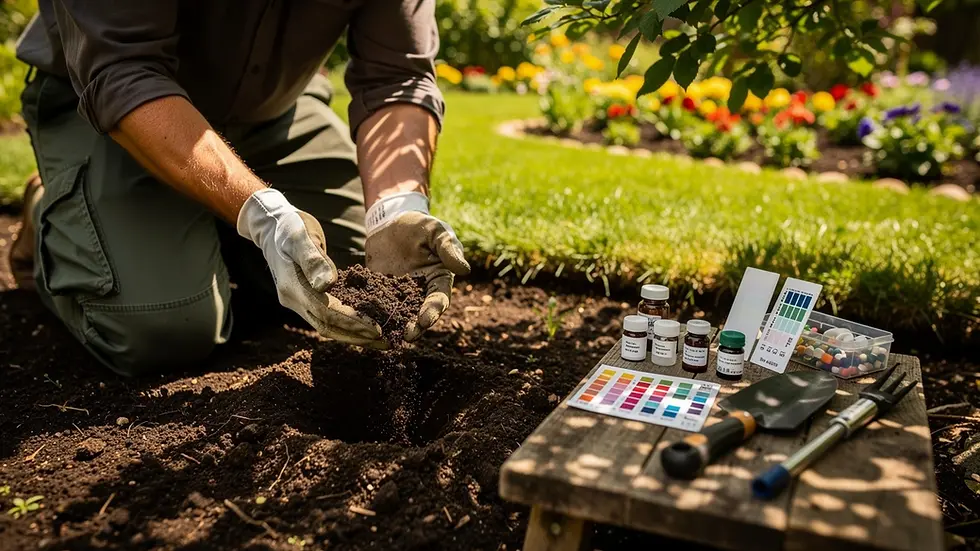
Are you worried about the health of your garden? Start by testing your ground's pH and nutrient levels. You can use a home testing kit or send samples to a local extension service. This helps you understand what changes your soil might need. Remember, crops like alfalfa may struggle if soil pH is below 6.5, highlighting the importance of maintaining optimal soil conditions for your garden's health.
Next, determine whether your turf consists of cool-season grasses, like Kentucky bluegrass, or warm-season grasses, like zoysia. This choice affects your lawn maintenance schedule, as different grasses have unique needs throughout the year.
As you walk around your yard, take note of any problem areas, such as bare patches, excessive weeds, or signs of pests. Snap some photos for reference. Local turf care contractors can help address these issues effectively, as shown in case studies on fungal disease management. You might also consider using Spring Touch's organic-based fertilizer with bio-solids and crabgrass preventer to restore nutrients and prevent crabgrass from taking over your yard this summer.
Assess how much sunlight different sections of your yard receive and check for drainage issues. Areas that are too shady or overly wet may require different management strategies. Implementing an underground irrigation system can optimize water distribution and minimize waste, saving you up to 30% more water compared to traditional methods.
Finally, if you've tried yard care services or DIY methods before, think about what worked and what didn’t. Regular aeration and customized fertilizer strategies, as outlined in case studies, can significantly improve grass vitality. Additionally, Spring Touch's second application focuses on dandelions and broadleaf plants, ensuring a comprehensive strategy for plant management. Taking these steps can lead to a flourishing garden that brings you joy and satisfaction.

Develop a Month-by-Month Lawn Care Plan
Feeling overwhelmed by the thought of yard maintenance? You're not alone, and there’s a way to manage your lawn maintenance schedule.
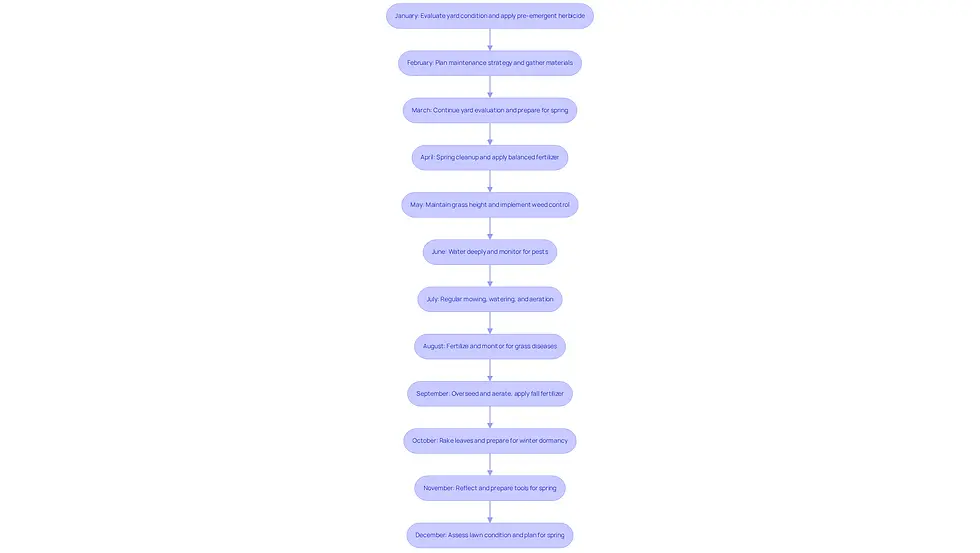
January - March: Start by evaluating your yard's condition and planning your maintenance strategy. Collect the required materials, and if the ground isn’t frozen, applying a pre-emergent herbicide can help prevent early plant growth. This proactive step sets the stage for a thriving yard through a proper lawn maintenance schedule.
April: As temperatures rise, it’s time for your spring cleanup. Rake away leaves and debris, and take note of any bare spots that may need reseeding. A balanced fertilizer can give your grass the boost it needs to flourish, helping you create the vibrant yard you envision.
May: Keeping your grass at about 3 inches not only looks great but also supports healthy growth, making your yard a welcoming space. Implement weed control treatments as necessary in line with your lawn maintenance schedule to keep your yard pristine.
June: Watering deeply but less often encourages strong roots, which is key to a healthy, resilient yard. As part of your lawn maintenance schedule, keep an eye out for pests and address any infestations quickly to protect your yard's health.
July: Continue with regular mowing and watering. This month is perfect for aerating your grass according to your lawn maintenance schedule, which alleviates soil compaction and enhances nutrient absorption, ensuring your yard stays healthy and vibrant.
August: Fertilizing your grass again prepares it for the upcoming fall growth. Monitor for signs of grass diseases and treat them promptly to prevent further issues.
September: This is the optimal time for overseeding and aeration. Incorporating a fall fertilizer into your lawn maintenance schedule enhances your grass and prepares it for the winter months ahead, ensuring it remains strong and healthy.
October: Rake leaves and prepare your yard for winter dormancy. A final fertilizer treatment helps your grass store essential nutrients for the colder months, setting it up for success.
November - December: Take a breather during winter; it’s a time to reflect and prepare for the vibrant growth that spring will bring. Use this time to ensure your garden maintenance tools are well-maintained and ready for the new season. By taking these steps, you can ensure your yard thrives, giving you peace of mind and a beautiful outdoor space to enjoy.
Implement and Monitor Your Lawn Care Schedule
Yard maintenance can often feel like a daunting task, leaving many homeowners unsure of how to keep their outdoor spaces thriving. To ease this burden, consider using a digital or physical calendar to help you keep track of important tasks on your lawn maintenance schedule, making it easier to stay organized and on top of things.
By keeping a record of your yard's condition, you can better understand its needs and notice any changes that may arise, giving you peace of mind as you care for your space. It's important to stay flexible with your lawn maintenance schedule, adjusting it as needed based on the weather and your yard's health to ensure it gets the care it deserves.
You might find it helpful to use yard care apps that can assist you in tracking your schedule and keeping an eye on weather conditions, making your maintenance efforts feel more manageable. Taking a moment each month to stroll through your yard and assess its health can be a rewarding practice, helping you stay connected to your outdoor space.
By implementing these strategies, you can transform your yard into a thriving oasis, bringing you peace of mind and joy.

Troubleshoot Common Lawn Care Challenges
Are you struggling to maintain a lush, healthy lawn amidst common challenges?
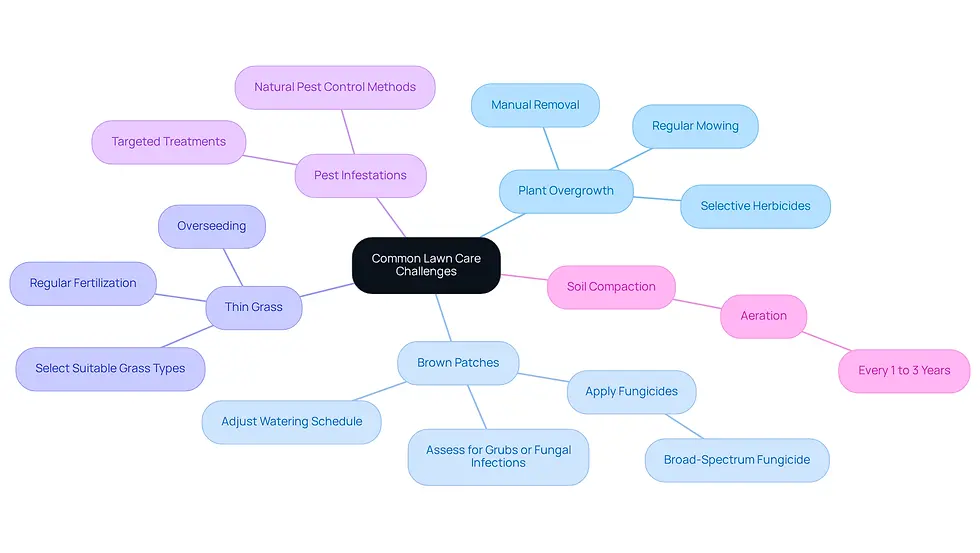
Plant Overgrowth: You might feel overwhelmed by the relentless spread of unwanted plants in your yard. Managing this issue can be done effectively through selective herbicides or manual removal. Regular mowing can help you keep those unwanted plants at bay, giving your yard a chance to thrive. In Minnesota, weed overgrowth can be a real challenge. Timely intervention is key to keeping your yard healthy.
Brown Patches: Brown patches can be frustrating, often caused by drought, disease, or pesky pests. To tackle these unsightly areas, first assess the affected spots for signs of grubs or fungal infections. Adjust your watering schedule to ensure adequate moisture, and consider applying fungicides at the first sign of disease. For instance, using a broad-spectrum fungicide can help control brown patches effectively. Ignoring these patches can lead to a yard that feels lifeless and uninviting.
Thin Grass: A sparse yard may indicate the need for overseeding. Make sure to select grass types suited to Minnesota's climate and soil conditions. Regular fertilization is also essential to promote robust growth and resilience against environmental stressors.
Pest Infestations: Keep an eye out for pests like grubs or beetles, which can harm your yard. Implement targeted treatments based on the specific pest identified. When possible, consider natural pest control methods to minimize chemical use while effectively managing infestations.
Soil Compaction: If your lawn feels hard underfoot, it might be time to consider aeration. This process alleviates soil compaction, enhancing water and nutrient absorption, which is vital for promoting healthier grass growth. Regular aeration, ideally every 1 to 3 years, can significantly improve lawn health and resilience. Taking proactive steps today can transform your yard into a vibrant oasis you can be proud of.
Conclusion
Many homeowners find themselves overwhelmed by the challenges of maintaining a beautiful lawn, often unsure where to start. Without a clear understanding of your lawn's needs, it’s easy to feel lost, leading to frustration and a lack of growth.
Creating a successful lawn maintenance schedule is key to overcoming these hurdles. By focusing on essential tasks like:
Soil testing
Proper watering techniques
Timely pest control
You can take proactive steps to ensure your lawn thrives. Regular aeration, appropriate fertilization, and seasonal adjustments to care routines will help you tackle common issues like weed overgrowth and soil compaction.
When you take the time to nurture your lawn, you’re not just enhancing your property; you’re creating a sanctuary that enriches your life and well-being. By committing to a structured lawn maintenance schedule, you can cultivate a lush oasis that brings joy and satisfaction for years to come. Embrace this opportunity to transform your outdoor space into a thriving landscape that reflects your dedication and care.
Frequently Asked Questions
How can I assess my lawn's health?
Start by testing your soil's pH and nutrient levels using a home testing kit or by sending samples to a local extension service. This will help you understand what changes your soil might need.
Why is soil pH important for my garden?
Soil pH is crucial because certain crops, like alfalfa, may struggle if the pH is below 6.5. Maintaining optimal soil conditions is vital for your garden's health.
What types of grasses should I consider for my lawn?
You should determine whether your turf consists of cool-season grasses, like Kentucky bluegrass, or warm-season grasses, like zoysia, as this affects your lawn maintenance schedule.
What should I look for when assessing my yard?
Walk around your yard and take note of problem areas, such as bare patches, excessive weeds, or signs of pests. Taking photos can be helpful for reference.
How can I address issues like fungal diseases in my lawn?
Local turf care contractors can help address these issues effectively, as demonstrated in case studies on fungal disease management.
What products can help improve my lawn's health?
Consider using Spring Touch's organic-based fertilizer with bio-solids and crabgrass preventer to restore nutrients and prevent crabgrass from taking over your yard.
How does sunlight affect lawn care?
Assess how much sunlight different sections of your yard receive. Areas that are too shady or overly wet may require different management strategies.
What irrigation methods can optimize water usage in my yard?
Implementing an underground irrigation system can optimize water distribution and minimize waste, potentially saving you up to 30% more water compared to traditional methods.
What should I consider if I've used yard care services or DIY methods before?
Reflect on what worked and what didn’t. Regular aeration and customized fertilizer strategies can significantly improve grass vitality.
How does Spring Touch address broadleaf plants and dandelions?
Spring Touch's second application focuses on managing dandelions and broadleaf plants, ensuring a comprehensive strategy for plant management.
List of Sources
Assess Your Lawn's Unique Needs
Lawn Care 2026: The Top Techniques to Enhance Your Outdoor Space (https://baumannlawn.com/article/lawn-care-2026-the-top-techniques-to-enhance-your-outdoor-space)
Soil test pH and liming: Common questions and answers (https://blog-crop-news.extension.umn.edu/2024/03/soil-test-ph-and-liming-common.html)
TurfMutt Foundation release 2026 backyard trends (https://gardencentermag.com/news/turfmutt-foundation-2026-backyarding-trends)
Different Types Of Grass: Identifying Your Lawn's Grass Type | ScottsMiracle-Gro US (https://scottsmiraclegro.com/en-us/learn/lawn-care/different-types-of-grass-identify-your-grass.html)
The TurfMutt Foundation Unleashes 2026 Backyarding Trends | TurfMutt Foundation (https://turfmutt.com/stories/2026Trends)
Develop a Month-by-Month Lawn Care Plan
Your Month-by-Month Lawn Care Calendar (https://wplawinc.com/your-month-by-month-lawn-care-calendar)
Grass is getting greener: A lawn maintenance cost checkup (https://empower.com/the-currency/life/lawn-care-landscaping-costs-news)
Lawn Care Cost [2026 Data] | Angi (https://angi.com/articles/lawn-care-cost.htm)
Understand Average Prices for Lawn Care in Southern Minnesota (https://springtouchlawn.com/post/understand-average-prices-for-lawn-care-in-southern-minnesota)
LawnStarter Industry Report - Lawnstarter (https://lawnstarter.com/blog/statistics/lawnstarter-industry-report)
Implement and Monitor Your Lawn Care Schedule
Lawn Care and Landscaping Industry Statistics (https://lawnstarter.com/blog/statistics/lawn-care-and-landscaping-industry-statistics)
US Lawn Care Consumer Insights Report - The Freedonia Group (https://freedoniagroup.com/industry-study/lawn-care-consumer-insights)
What to Look For in Lawn Care Quotes | Bethel Farms (https://bethelfarms.com/blogs/bethel-blog/lawn-care-quotes-what-to-look-for-before-you-hire)
Landscape Industry Statistics | NALP (https://landscapeprofessionals.org/LP/LP/Media/landscape-industry-statistics.aspx)
Maximize Your Lawn Care Quotes: The Ultimate Strategy Guide (https://realgreen.com/blog/lawn-care-quote-guide)
Troubleshoot Common Lawn Care Challenges
Organic Weed Control Case Studies | OFFER (https://offer.osu.edu/eco-weed-mngt/case-studies)
How to Treat Brown Patch Disease In the Lawn | ScottsMiracle-Gro US (https://scottsmiraclegro.com/en-us/learn/lawn-care/how-to-identify-and-control-brown-patch.html)
Lawn Care and Landscaping Industry Statistics (https://lawnstarter.com/blog/statistics/lawn-care-and-landscaping-industry-statistics)
Learn from the Best: GROW Farmer Case Studies - Getting Rid Of Weeds (https://growiwm.org/learn-from-the-best-grow-farmer-case-studies)