.png)
Discover the Best Way to Overseed Your Lawn for Lasting Health
- Spring Touch Team

- 1 day ago
- 7 min read
Updated: 46 minutes ago
Introduction
Homeowners often feel disheartened when their lawns don't meet their expectations, leading to disappointment and a sense of helplessness. Overseeding can be a game-changer for your lawn, even if it’s something you haven’t considered before. By introducing new grass varieties and increasing density, overseeding not only beautifies the landscape but also fortifies it against pests, diseases, and drought. But many homeowners still have questions about how to do it right - what’s the best way to overseed for lasting results?
Understand the Importance of Overseeding for Lawn Health
Are you worried about your lawn's health in the face of changing environmental conditions? In areas like Southern Minnesota, the best way to overseed lawn is by engaging in this essential practice to sustain a healthy turf, particularly where environmental stress can impact your grass. The best way to overseed lawn is by spreading new seeds over your existing lawn, helping to fill in those bare spots and create a thicker, healthier turf. Replanting grass is the best way to overseed lawn, as it revitalizes tired lawns, enhances resistance to pests and diseases, and improves drought resilience. Introducing new grass types is the best way to overseed lawn and help your yard adapt to shifting climate conditions, ensuring it remains lush and vibrant throughout the seasons.
At Spring Touch, we recommend starting your grass care journey with our organic-based fertilizer. This not only replenishes essential nutrients but also includes crabgrass prevention to protect your turf from invasive plants. Our seasonal applications are designed to support your reseeding efforts, targeting dandelions and broadleaf plants while nourishing your grass. If you let this practice slide, you might find your lawn turning patchy and weak, making it harder to enjoy your outdoor space. With over 50 years of experience and exclusive offers like a free first application for new customers, Spring Touch is dedicated to transforming your yard into a beautiful, bug-free outdoor space. By taking proactive steps now, you can ensure your yard remains a vibrant and welcoming space for years to come.

Explore the Benefits of Overseeding for a Lush Lawn
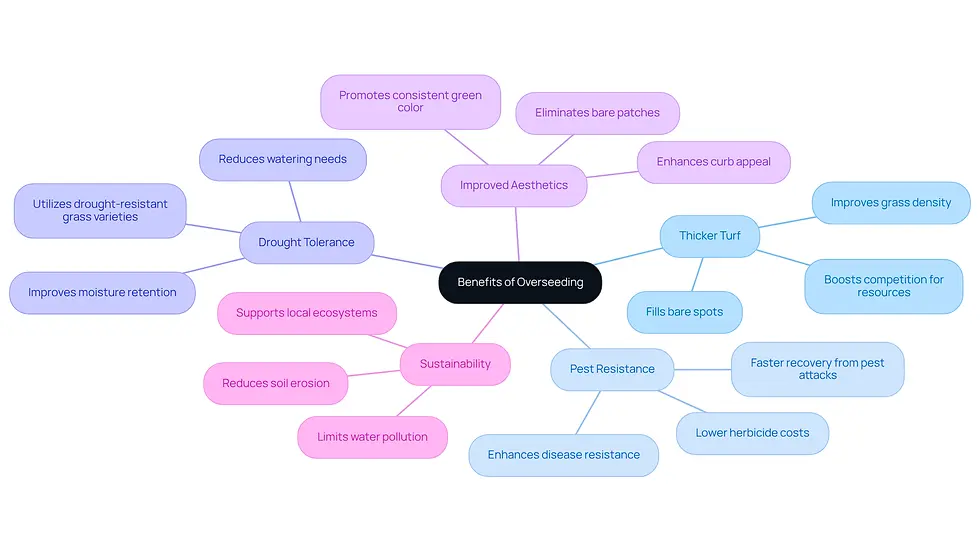
Many homeowners find it challenging to keep their lawns healthy and vibrant, especially when faced with pests and dry spells. Recognizing the benefits of planting additional seeds is the best way to overseed lawn, as it extends well beyond enhancing visual appeal. The best way to overseed lawn is by planting additional seeds, which promotes a thicker, healthier turf that shows enhanced resilience against pests and diseases when done right. By raising grass density, you boost competition for resources, which greatly decreases the chances of plant infestations. Did you know that a thick turf can actually smother weeds? This means fewer weeds to hand-pick and lower herbicide costs!
Plus, when you sow seeds, you boost drought tolerance. A strong turf holds onto moisture better, making it easier to get through those dry spells. Homeowners can also look forward to improved color and texture, resulting in a more attractive outdoor space. The introduction of newer grass types through planting ensures that your turf is better suited to current environmental conditions, promoting long-term sustainability and health. For instance, the best way to overseed lawn is to use drought-resistant varieties, which can significantly improve a grass area's capacity to withstand dry conditions and decrease the need for regular watering. By taking this simple step, you not only enhance your lawn's beauty but also create a sustainable environment that benefits both your home and the planet.
Examine Long-Term Advantages of Overseeding for Sustainability
Are you tired of battling weeds and pests in your lawn? The best way to overseed lawn is by utilizing overseeding, which offers a powerful solution that can transform your grass care journey. Homeowners can learn that the best way to overseed lawn is by regularly overseeding to cultivate a dense turf that naturally suppresses pesky weeds and pests, reducing the need for chemical treatments. This practice nurtures your lawn over time, enriching the soil and fostering a lively community of microbes that support growth.
Imagine seeing your lawn flourish with a 40% increase in density, creating a vibrant ecosystem right in your backyard. A well-established turf with deep roots not only enhances the overall health of your lawn but also effectively mitigates soil erosion, securing the soil in place. Furthermore, studies show that the best way to overseed lawn areas is by properly overseeding green spaces, which can decrease chemical inputs by as much as 30%, leading to fewer disease outbreaks and a more resilient outdoor environment.
Spring Touch's organic spring turf care applications, including their organic-based fertilizer and crabgrass prevention treatments, further support these efforts by providing essential nutrients and preventing weed invasions. Over time, these cumulative advantages result in fewer extensive landscape renovations and encourage sustainable maintenance practices.
As Gary Deters, a specialist in garden maintenance, observed, 'With appropriate planning, the best way to overseed lawn is to successfully introduce a new grass species.' This highlights the importance of strategic reseeding in achieving long-term turf health, enhanced by Spring Touch's customized eco-friendly solutions for vibrant outdoor areas. Imagine a vibrant lawn that not only enhances your outdoor space but also supports a healthier environment for years to come.

Clarify Misconceptions and Best Practices for Successful Overseeding
Many homeowners feel overwhelmed by the complexities of determining the best way to overseed lawn, often leading to mistakes that can harm their lawns. A common misconception is that sowing seeds leads to thatch buildup; however, when done correctly, it actually promotes healthy turf growth and reduces thatch accumulation. Another misunderstanding is that sowing should be restricted to spring; in reality, autumn is usually the best period for sowing cool-season plants because of more favorable conditions for seed germination.
Mow Shorter: Cutting the lawn shorter than usual enhances seed-to-soil contact, which is crucial for germination.
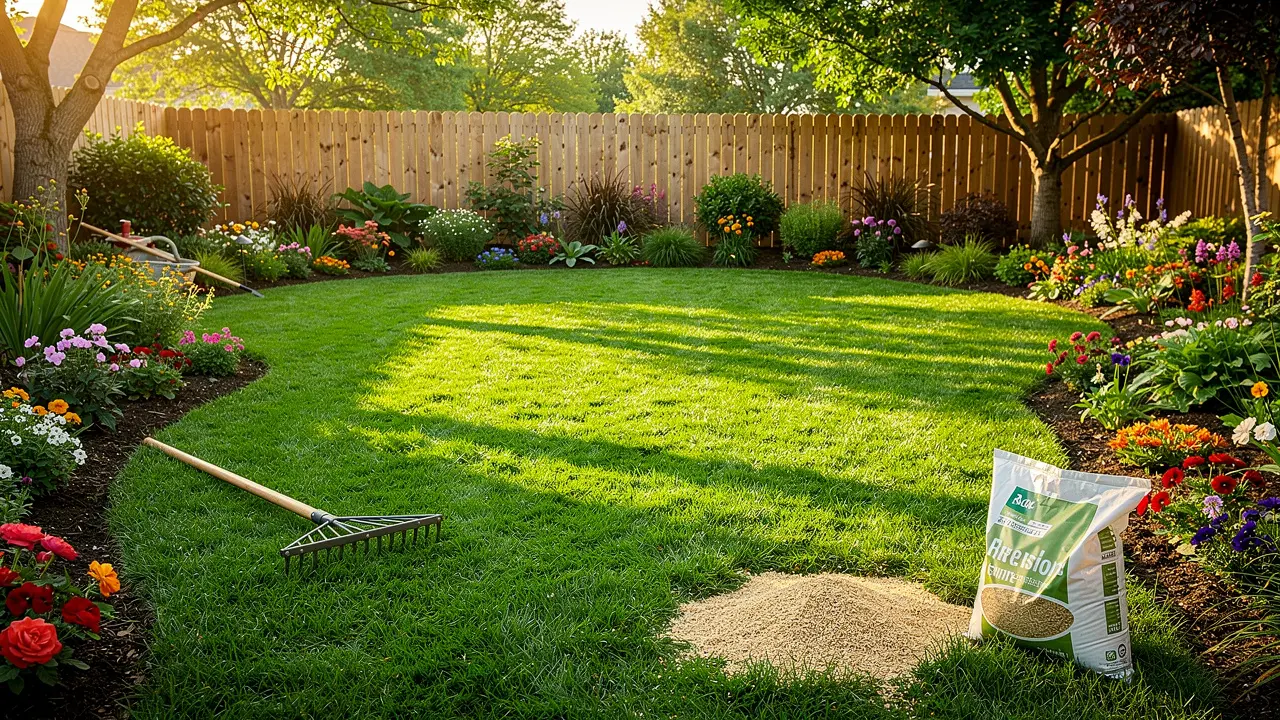
Aerate the Soil: The best way to overseed the lawn is to aerate the soil, which allows seed penetration and enhances soil conditions for new turf. Choosing high-quality grass seed that’s well-suited to your local climate is the best way to overseed lawn and establish a resilient lawn. Opt for mixes that come with a blue tag for assurance.
Follow Recommended Seeding Rates: For Kentucky bluegrass, the seeding rate for replanting is approximately 2 lbs. per 1000 ft., while for tall fescue, it is 3-4 lbs. per 1000 ft.
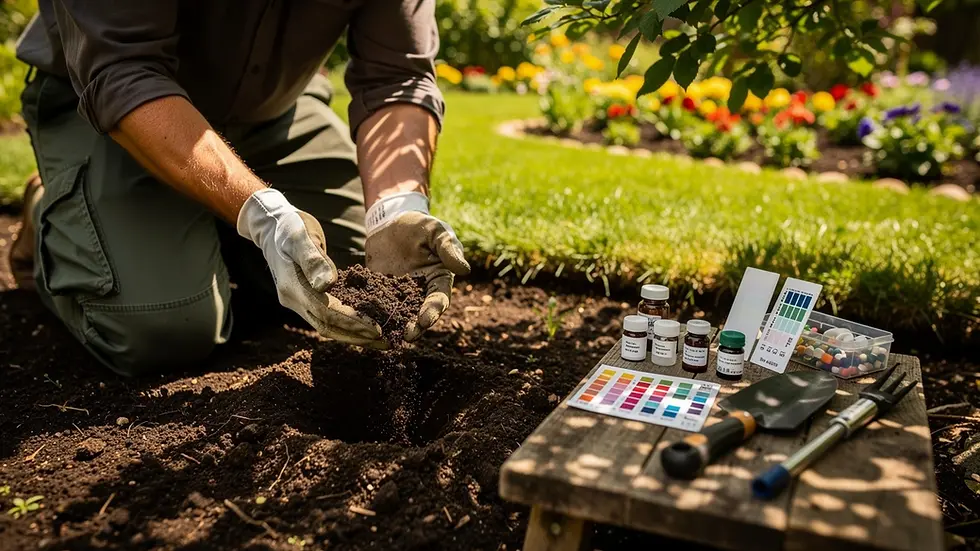
Conduct Soil Testing: Testing the soil before seeding can help assess existing nutrient levels and inform fertilizer needs, ensuring better outcomes for overseeding efforts.
With the right care, you can expect to see new seedlings sprout within just ten days, making it crucial to nurture them immediately after sowing. For optimal results, it is advised to irrigate the grass right after seeding, applying water sparingly up to three times a day during the first week. Additionally, applying seeds in different directions during application can enhance coverage. When you embrace these practices, you’re not just overseeding; you’re discovering the best way to overseed lawn and nurturing a vibrant lawn that can flourish year after year.

Conclusion
Overseeding is essential for a thriving lawn, especially when faced with environmental challenges that threaten its health. Without overseeding, lawns can become thin and vulnerable, leading to unsightly patches and increased susceptibility to pests and diseases. But with this simple practice, you can restore your lawn’s beauty and resilience, ensuring it thrives through every season.
The benefits of overseeding are clear:
It increases resistance to pests and diseases.
It improves drought tolerance.
It reduces weed growth.
By cultivating a thicker turf, you can enjoy a more attractive outdoor space while fostering a sustainable environment. Implementing best practices like aerating the soil, mowing shorter, and using high-quality grass seed can significantly enhance your overseeding efforts.
By making overseeding a regular part of your lawn care routine, you’re not just enhancing your outdoor space; you’re nurturing a vibrant ecosystem that benefits both you and the environment. Understanding its importance and applying the recommended techniques will help you transform your lawn into a thriving ecosystem that flourishes for years to come.
Frequently Asked Questions
What is overseeding and why is it important for lawn health?
Overseeding is the practice of spreading new seeds over an existing lawn to fill in bare spots and create a thicker, healthier turf. It is important for maintaining lawn health, especially in areas facing environmental stress.
How does overseeding benefit my lawn?
Overseeding revitalizes tired lawns, enhances resistance to pests and diseases, and improves drought resilience. It helps the lawn adapt to changing environmental conditions, ensuring it stays lush and vibrant.
What is the best method for overseeding?
The best method for overseeding involves replanting grass by spreading new seeds over the existing lawn. This method helps to fill in bare areas and strengthen the overall turf.
How can I support my overseeding efforts?
Supporting overseeding efforts can be done by using organic-based fertilizers, which replenish essential nutrients and include crabgrass prevention. Seasonal applications can also target weeds while nourishing the grass.
What happens if I neglect overseeding?
Neglecting overseeding can lead to a patchy and weak lawn, making it harder to enjoy your outdoor space.
How can Spring Touch assist with lawn care?
Spring Touch offers over 50 years of experience in lawn care, providing services that include organic-based fertilizers and seasonal applications. They also have exclusive offers like a free first application for new customers to help transform your yard.
List of Sources
Understand the Importance of Overseeding for Lawn Health
Is Overseeding Worth It? Discover the Benefits and Challenges (https://springtouchlawn.com/post/is-overseeding-worth-it-discover-the-benefits-and-challenges)
Revive Your Lawn With Grass Overseeder Benefits - Rentalex (https://rentalex.com/revive-your-lawn-with-grass-overseeder-benefits)
Benefits of Overseeding. 7 Key Benefits of Overseeding Your Lawn (https://landzie.com/blog/7-key-benefits-of-overseeding-your-lawn)
10 Benefits of Overseeding (https://lawnlove.com/blog/benefits-of-overseeding)
Explore the Benefits of Overseeding for a Lush Lawn
10 Benefits of Overseeding (https://lawnlove.com/blog/benefits-of-overseeding)
Experience a Lush Lawn: Discover the Benefits of Overseeding (https://myallgreen.com/2024/09/03/the-benefits-of-overseeding-your-lawn)
The Role of Overseeding in Post-Summer Lawn Recovery (https://fairwaylawns.com/the-role-of-overseeding-in-post-summer-lawn-recovery)
Examine Long-Term Advantages of Overseeding for Sustainability
Revive Your Lawn With Grass Overseeder Benefits - Rentalex (https://rentalex.com/revive-your-lawn-with-grass-overseeder-benefits)
Soil Quotations | Natural Resources Conservation Service (https://nrcs.usda.gov/conservation-basics/soil/soil-quotations)
(PDF) Organic Lawn Care Case Studies on Home Turf (https://researchgate.net/publication/312420619_Organic_Lawn_Care_Case_Studies_on_Home_Turf)
An overseeding success story | Turfgrass Science (https://turf.umn.edu/overseeding-success-story)
Clarify Misconceptions and Best Practices for Successful Overseeding
Overseeding in the Fall | Turfgrass Science | Nebraska (https://turf.unl.edu/news/overseeding-fall)
Lawn Renovation & Overseeding : Home Lawn & Garden : Center for Agriculture, Food, and the Environment (CAFE) at UMass Amherst (https://umass.edu/agriculture-food-environment/home-lawn-garden/fact-sheets/lawn-renovation-overseeding)
An overseeding success story | Turfgrass Science (https://turf.umn.edu/overseeding-success-story)