.png)
How to Test Soil pH: A Step-by-Step Guide for Homeowners
- Spring Touch Team

- 2 days ago
- 8 min read
Updated: 12 hours ago
Introduction
For homeowners eager to cultivate a thriving garden, understanding soil pH is not just beneficial - it's essential. Soil pH plays a vital role in nutrient availability and plant health, directly impacting the vitality of your garden. Without proper testing, gardeners may struggle to provide the right nutrients for their plants, risking poor growth and wasted efforts.
So, how can homeowners in southern Minnesota check their soil's pH and make sense of the results to help their plants thrive? By mastering soil pH testing, you can transform your gardening experience and watch your plants thrive like never before.
Understand Soil pH and Its Importance
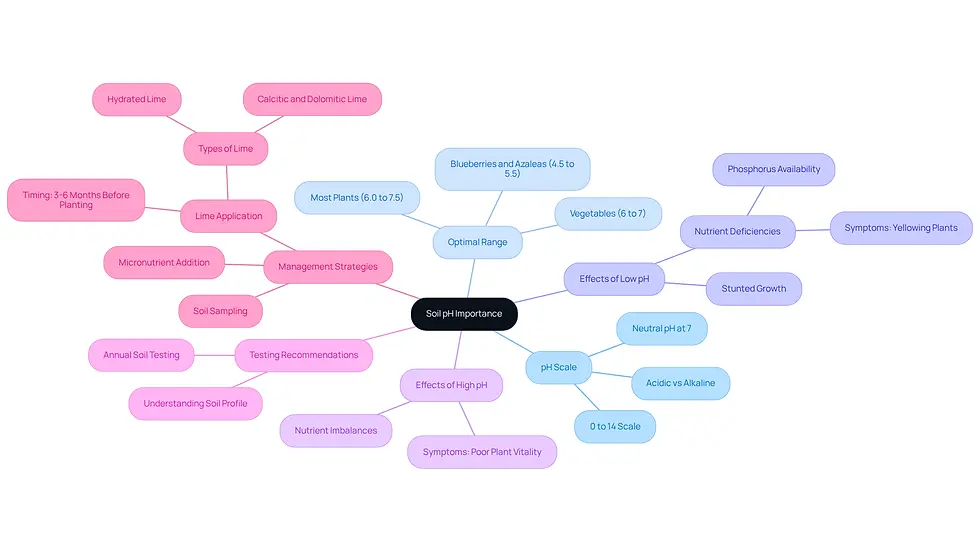
Imagine investing time and care into your garden, only to watch it struggle due to hidden pH issues. The pH level of your soil plays a crucial role in how well your plants thrive. The pH scale ranges from 0 (very acidic) to 14 (very alkaline), with 7 being neutral. Most plants flourish within a pH range of 6.0 to 7.5, where nutrients are readily available. When your soil's pH dips below 6.0, it can limit the availability of crucial nutrients like phosphorus, which can lead to stunted growth and deficiencies that affect your plants' health. On the flip side, a pH above 7.5 can also create nutrient imbalances, impacting the vitality of your garden.
In fact, soil pH can impact your plants just as much as drought or disease, making it essential to keep an eye on it. Crops stressed due to pH issues may show signs like shorter, yellowing plants and interveinal necrosis, underscoring the importance of maintaining proper pH levels. In places like southern Minnesota, using lime to manage soil pH can make a real difference, boosting nutrient availability and helping your crops thrive.
Experts recommend understanding how to test soil pH every year to stay ahead of any changes and make the necessary adjustments for a thriving garden. This proactive approach ensures that you can cultivate healthy gardens and lawns by optimizing growth conditions tailored to your specific soil profile. By understanding and managing pH levels, you can ensure your garden flourishes, bringing you joy and satisfaction in your efforts.
Collect Soil Samples for Testing
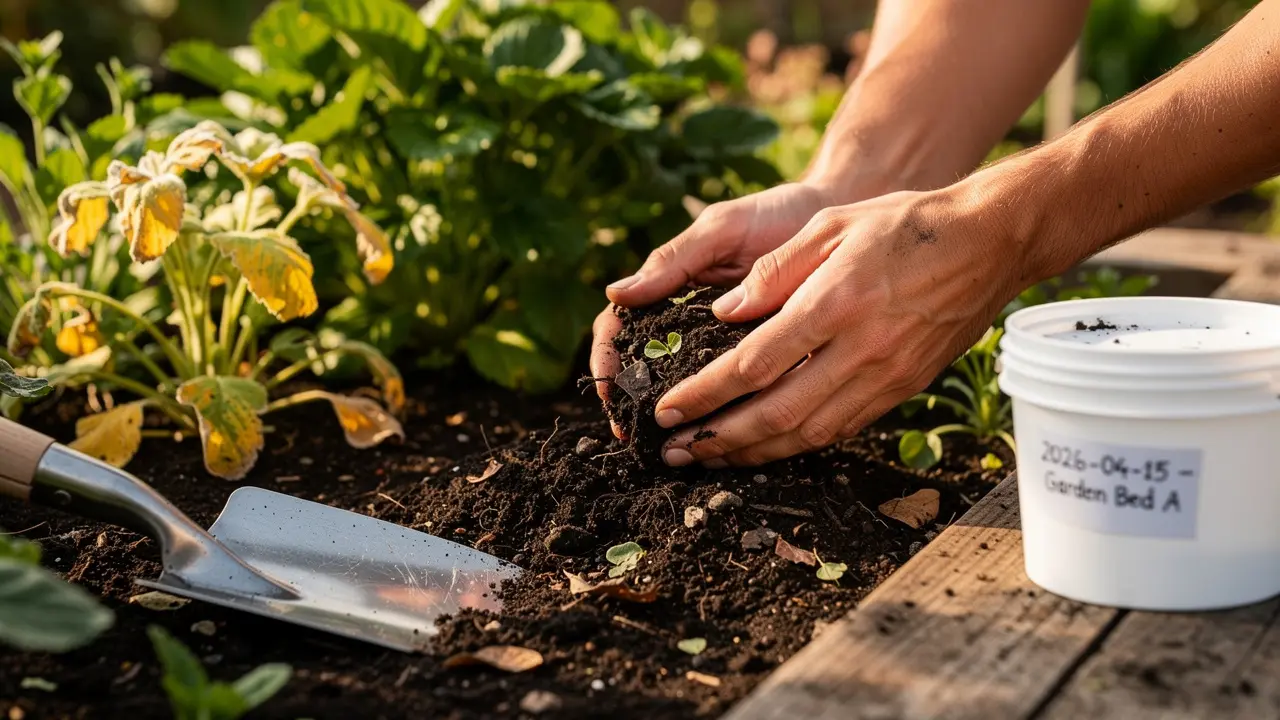
Are you worried about the health of your garden? Start by identifying several areas that represent different conditions, such as sunny versus shaded spots or dry versus moist areas. Next, gather the right tools to make this process smooth and effective. You’ll need:
A clean spade or trowel
A bucket
A clean container for mixing materials
It’s best to use stainless steel or chrome-plated tools to avoid any contamination.
Clear away any grass, leaves, or refuse from the collection area to ensure your specimens are pure and reliable. Gently dig down about 4 to 6 inches to gather a slice of earth, ensuring you’re collecting from at least five distinct locations for a true representation of your soil.
Combine the materials in your bucket to create a homogeneous blend, which will give you a clearer picture of your soil's characteristics. Finally, place your mixed specimen in a clean container, labeling it with the date and location for testing, ensuring it’s sealed properly for submission.
Remember, fall is a perfect season for testing the ground compared to spring, and samples should be gathered three to six months prior to planting to enable timely test results and preparation for liming and fertilization. By taking these steps, you can ensure your garden thrives, giving you peace of mind as you watch it flourish.

Explore Soil pH Testing Methods
Are you worried that your garden isn’t thriving as it should? Knowing how to test soil pH is crucial for nurturing healthy plants. Many gardeners struggle with understanding how to test soil pH, which can lead to poor plant growth and health issues.
There are several methods on how to test soil pH, each offering distinct advantages. - DIY Test Kits are a popular choice. These kits, available at garden centers, typically include pH test strips or powders. They are cost-effective and user-friendly, making them ideal for quick assessments. However, they may lack precision, with some kits displaying inconsistencies in nutrient level estimates and a resolution of 0.5 pH units, which can lead to errors in treatment.
If you’re looking for more accuracy in how to test soil pH, consider using pH Meters. Digital pH meters deliver more precise readings. To use one, mix earth with distilled water in a 1:1 ratio, insert the meter, and read the pH level. Regular calibration is essential for optimal accuracy, as improper calibration can lead to misleading results. Proper care and maintenance of pH electrodes, including regular cleaning and conditioning, are crucial for extending their useful life and ensuring accurate readings.
For the most reliable results on how to test soil pH, sending a sample of earth to a professional lab is recommended. Laboratory Testing offers thorough evaluations, including element levels and customized suggestions for ground enhancements. This approach is especially advantageous for comprehending intricate ground dynamics and ensuring effective nutrient management. It’s wise to utilize local laboratories knowledgeable about particular ground types to improve the dependability of the testing procedure.
If you’re looking for a quick and simple solution, Home Remedies can also help. Simple tests using vinegar and baking soda can provide a quick indication of earth acidity. Incorporating vinegar into a ground sample will result in fizzing if the substrate is alkaline, whereas baking soda will bubble in acidic earth when combined with water.
Think about what you need for your garden; the right method can really help you understand your soil better. While DIY kits are convenient for quick assessments, more precise outcomes from pH meters or laboratory testing can greatly improve lawn care choices, ensuring optimal ground health and vegetation growth. Without accurate pH readings, you risk harming your plants and wasting resources on ineffective treatments. Choosing the right testing method can make all the difference in ensuring your garden flourishes, so take the time to understand your soil's needs.

Interpret Soil Test Results and Take Action
Understanding your soil test results can feel overwhelming, but it’s essential for nurturing a thriving lawn.
To understand the pH value, it's important to know how to test soil pH and check the pH value on your report. For Minnesota lawns, a pH of 6.0 to 7.5 is ideal. Values below 6.0 indicate acidity, which can obstruct resource availability, while values above 7.5 suggest alkalinity, which can also influence vegetation health.
Nutrient Levels: Check out the nutrient levels like nitrogen, phosphorus, and potassium - they’re key to your lawn’s health. These are typically categorized as low, optimum, or high. Low levels may necessitate amendments to support healthy plant growth. The recommended amount of K2O is 2 pounds per 1,000 square feet, and if phosphorus and potassium levels are above 50, only nitrogen is recommended.
Suggestions: Most soil test reports will include specific recommendations for amendments. If your soil is too acidic, you’ll want to apply lime based on the recommendations in your report, which includes information on how to test soil pH. On the other hand, for alkaline soil, incorporating sulfur or organic matter can assist in reducing the pH. Remember, testing the soil is free from April through November, making it an excellent opportunity to evaluate the health of your soil.
Plan Your Amendments: Based on the results, devise a plan for soil amendments. For example, if your soil is too acidic, apply lime according to the suggested rates on your report. If it’s too alkaline, consider incorporating sulfur or organic compost while learning how to test soil pH to adjust it. Additionally, take samples from multiple locations in your lawn to get an accurate average of pH and fertility.
Observe Variations: After implementing modifications, reassess your soil in a few months to observe variations in pH and nutrient levels. This will enable you to modify your care plan as needed, ensuring optimal conditions for your greenery. Understanding Cation Exchange Capacity (CEC) is also crucial, as it reflects your soil's ability to retain nutrients.
By understanding and acting on your soil test results, you’re creating a healthier environment for your plants to thrive, ultimately improving the beauty and health of your lawn. Dr. Brendan Zurweller emphasizes that knowing how to test soil pH is the most crucial information from the test.

Conclusion
Many homeowners struggle with the challenge of maintaining a healthy garden due to overlooked soil pH levels. The pH level directly influences nutrient availability and plant health, making it essential to regularly test and manage this critical aspect of soil. Regularly checking and adjusting soil pH can be the key to unlocking your garden's full potential, ensuring your plants thrive and flourish.
In this guide, we’ve looked at various ways to test soil pH, from simple DIY kits to more precise pH meters and lab tests. Each method offers unique advantages, allowing you to choose the best approach based on your specific needs and resources. Additionally, interpreting soil test results and implementing necessary amendments, such as lime or sulfur, can significantly enhance soil health and plant performance.
Neglecting soil pH can lead to struggling plants and a less vibrant garden, but understanding it can transform your gardening experience. Homeowners in southern Minnesota are encouraged to embrace these practices, ensuring their gardens flourish while enjoying the satisfaction of nurturing their green spaces. By prioritizing soil health, the journey toward a vibrant and productive garden becomes a rewarding experience.
Frequently Asked Questions
What is soil pH and why is it important for plants?
Soil pH measures the acidity or alkalinity of the soil on a scale from 0 to 14, with 7 being neutral. It is important because it affects nutrient availability for plants; most plants thrive in a pH range of 6.0 to 7.5.
What happens if soil pH is too low or too high?
If soil pH is below 6.0, it can limit the availability of essential nutrients like phosphorus, leading to stunted growth and deficiencies. Conversely, a pH above 7.5 can create nutrient imbalances, negatively impacting plant vitality.
How can soil pH affect plant health?
Soil pH can impact plant health similarly to drought or disease. Stressed crops may exhibit signs such as shorter, yellowing plants and interveinal necrosis, indicating the need for pH management.
What is a recommended method for managing soil pH in southern Minnesota?
In southern Minnesota, using lime is recommended to manage soil pH, as it can enhance nutrient availability and support healthier crop growth.
How often should soil pH be tested?
Experts recommend testing soil pH every year to monitor changes and make necessary adjustments for optimal garden health.
What benefits come from understanding and managing soil pH?
By understanding and managing soil pH, gardeners can optimize growth conditions tailored to their specific soil profile, ensuring their gardens flourish and providing satisfaction in their gardening efforts.
List of Sources
Understand Soil pH and Its Importance
Soil pH: The source of plant growth problems (https://canr.msu.edu/news/soil_ph_the_source_of_plant_growth_problems)
Importance of Managing Soil pH | Crop Science US (https://cropscience.bayer.us/articles/channel/importance-of-managing-soil-ph)
Keeping pH in the right range is essential | Newsroom (https://news.oregonstate.edu/news/keeping-ph-right-range-essential)
Soil pH (https://cropnutrition.com/nutrient-management/soil-ph)
Collect Soil Samples for Testing
Fall soil sampling BMPs: Grid vs zone, timing, dry soil & more (https://blog-crop-news.extension.umn.edu/2023/10/fall-soil-sampling-bmps-grid-vs-zone.html)
Careful Soil Sampling—The Key to Reliable Soil Test Information | NC State Extension Publications (https://content.ces.ncsu.edu/careful-soil-sampling-the-key-to-reliable-soil-test-information)
Minnesota Pilot Project Soil Sampling is Underway! – ESMC (https://ecosystemservicesmarket.org/minnesota-pilot-project-soil-sampling-is-underway)
Seven Tips For Collecting A Representative Soil Sample (https://no-tillfarmer.com/articles/4155-seven-tips-for-collecting-a-representative-soil-sample)
Why test soil in the fall? (https://canr.msu.edu/news/why_soil_test_in_the_fall)
Explore Soil pH Testing Methods
Changes to UK soil tests will increase accuracy (https://news.mgcafe.uky.edu/article/changes-uk-soil-tests-will-increase-accuracy-0)
Soil Test Results Offer ‘News You Can Use’ Beyond pH (https://agweb.com/news/crops/crop-production/soil-test-results-offer-news-you-can-use-beyond-ph)
The Ultimate Soil pH Testing Guide (https://blog.hannainst.com/soil-ph-testing)
Keeping Plants Healthy Through Soil pH Testing (https://gardex.jp/en-gb/press/latest-news/industry-updates/keeping-plants-healthy-through-soil-ph-testing.html)
Are Cheap Home Garden Soil Test Kits Accurate? (https://extension.sdstate.edu/are-cheap-home-garden-soil-test-kits-accurate)
Interpret Soil Test Results and Take Action
Planting and Growing a Home Garden | Penn State Extension (https://extension.psu.edu/soil-test-results-whats-next-guide-for-homeowners)
Agronomic Services - Understand Your Soil Report | NC Agriculture (https://ncagr.gov/divisions/agronomic-services/soil-testing/homeowners/understand-your-report)
Interpreting Your Soil Test Report—for Homeowners | Mississippi State University Extension Service (https://extension.msstate.edu/publications/interpreting-your-soil-test-report-for-homeowners)
Does your soil have a high pH? Fall is the best time to amend it. (https://blog-fruit-vegetable-ipm.extension.umn.edu/2021/10/does-your-soil-have-high-ph-fall-is.html)
Soil Testing and Choices of Amendments - Extension Gardener | NC State Extension (https://extensiongardener.ces.ncsu.edu/news/soil-testing-and-choices-of-amendments)