.png)

4 Best Practices for Effective Mosquito Lawn Spray Application
- Spring Touch Team

- Apr 24
- 5 min read
Updated: 9 hours ago
Introduction
Many homeowners feel overwhelmed by the choices and unsure of how to apply them correctly, especially when it comes to choosing the right mosquito lawn spray. It's essential to understand what goes into these sprays, as this knowledge helps you prioritize safety for your family and the environment. Even with the right product, many still struggle with when and how to apply it for the best results.
So, how can you ensure a mosquito-free yard while keeping your loved ones safe from harmful chemicals? Let’s explore some essential strategies for applying mosquito lawn spray effectively, so you can reclaim your outdoor spaces with confidence.
Understand the Composition of Mosquito Lawn Sprays
Choosing the right mosquito lawn spray for treatment can feel overwhelming, especially with so many options available. You might be wondering about the ingredients in mosquito treatments. Many contain pyrethrins from chrysanthemum flowers or synthetic pyrethroids that mimic these natural compounds. Understanding these ingredients can help you choose mosquito lawn spray products that align with your values while keeping your home safe.
Some misting products also use essential oils like citronella, lemongrass, and eucalyptus, known for their repellent qualities. While synthetic options may provide quick results, mosquito lawn spray made from natural alternatives can be gentler on pets and beneficial insects. So, take a moment to look at the product label. Knowing the active ingredients can help you ensure safety for your family and pets. By understanding the ingredients, you can make informed choices that protect your loved ones and the environment.

Determine the Best Timing for Application
Finding the right time for insect lawn treatments can feel overwhelming, especially when you want to ensure your yard remains a safe haven. Timing is crucial for maximizing the effectiveness of these treatments, particularly when working with professional pest control services like Spring Touch. The best moments to apply treatments are at dawn and dusk, as this is when insects are most active and searching for hosts to feed on, making them more likely to be affected by the treatment.
Applying treatments when it’s cooler helps the ingredients work longer, giving you peace of mind that your efforts are effective. It’s also important to keep an eye on the weather; avoid spraying before rain, as it can wash away the treatment, and ensure that wind conditions are calm to prevent drift into non-target areas.
To keep your yard protected, aim to apply mosquito lawn spray every 21 to 30 days during the busy insect season, which runs from late spring to early fall in Southern Minnesota. Focus on high-risk areas like shaded spots, trees, and bushes, as these places are more prone to harboring insects.
Consider adding insect misting systems for a reliable defense that requires less upkeep, making your pest control efforts easier and more effective. With these strategies in mind, you can take confident steps toward a pest-free yard, allowing you to enjoy your outdoor space without worry.

Follow Application Guidelines and Safety Protocols
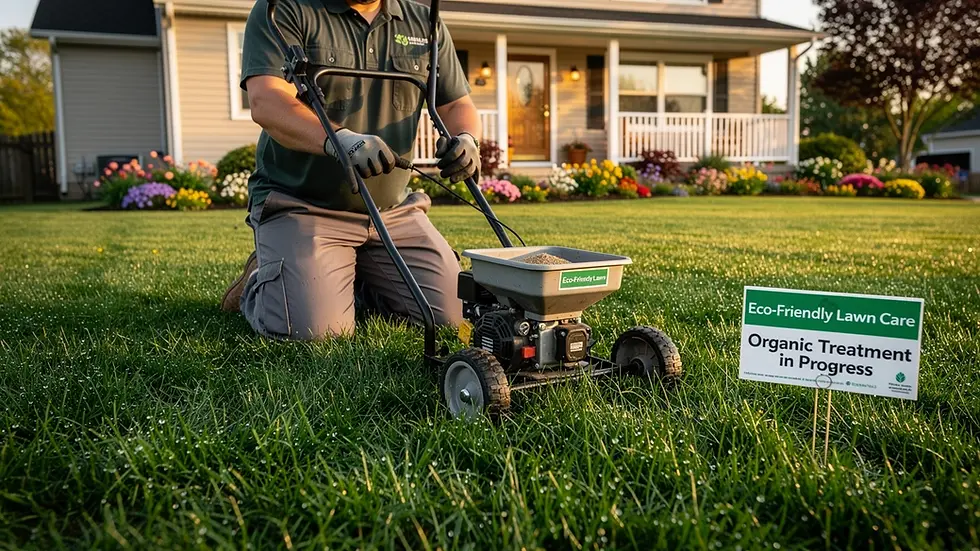
When it comes to protecting your family and home from pests, the right precautions can make all the difference. Putting on gloves, masks, and goggles can help you feel secure while applying insect sprays, protecting you from harmful chemicals. Many homeowners find that using PPE not only keeps them safe but also boosts their confidence during application.
It's also important to keep pets and children indoors for at least 30 minutes after application to prevent any contact with treated areas, as recommended by pest control professionals. Taking the time to calibrate your sprayer ensures that you’re applying just the right amount, protecting both your yard and the environment.
Always read the label for specific instructions regarding application rates, re-entry intervals, and any local regulations concerning pesticide use. Real-world examples show that homeowners who consistently follow these safety protocols not only safeguard their families but also contribute to more effective pest management in their yards. By following these safety protocols, you not only protect your loved ones but also contribute to a healthier environment for everyone.

Explore Complementary Mosquito Control Strategies
Many homeowners struggle with persistent insect problems, feeling overwhelmed by the constant battle against pests. You can significantly improve your insect control efforts by implementing complementary strategies alongside mosquito lawn spray treatments. One essential approach is removing stagnant liquid, which acts as a breeding site for insects. Regularly check and clear containers, bird baths, and blocked gutters to avoid liquid buildup. Just five days of still water can become a breeding ground for insects. Experts agree that tackling areas with excess moisture is key to keeping insect numbers down. LayLa Burgess, a horticulture extension agent, observes, 'Taking the time to identify and remove areas of moisture retention will help reduce the population of insects.'
Also, think about adding mosquito-repelling plants like lavender, marigolds, and citronella grass to your garden. These plants not only enhance your landscape but also naturally repel insects. Installing physical barriers, like screens on windows and doors, further protects your home from these pests. It's important to remember that these insects can transmit diseases such as West Nile virus and Zika virus, making effective control measures vital for your family's health. When you combine these techniques with regular mosquito lawn spray applications, you can build a more effective and sustainable pest management plan, allowing you to truly enjoy your outdoor spaces without the hassle of insects. For instance, many homeowners have reported success in reducing mosquito populations by consistently checking for standing water and maintaining their yards, demonstrating the effectiveness of these strategies. By taking these proactive steps, you can reclaim your outdoor space and enjoy it with peace of mind.

Conclusion
Mosquitoes can turn a lovely evening outdoors into a frustrating experience, leaving families feeling uncomfortable and unsafe. Understanding how to effectively manage mosquito populations is crucial for creating a safe and enjoyable outdoor environment. By choosing the right products and applying them at the right times, you can effectively keep mosquitoes at bay and enjoy your outdoor space to the fullest.
It's important to know what goes into mosquito sprays, as this knowledge empowers you to make informed choices that prioritize the safety of your family and pets. Applying treatments during optimal times, like dawn and dusk, can significantly enhance their effectiveness. Additionally, following safety protocols and exploring other mosquito control methods - such as removing stagnant water and using repellent plants - are essential steps in a comprehensive pest management approach.
By taking these steps, you can transform your yard into a sanctuary where you can relax and enjoy the fresh air without worry. Proactive mosquito control not only protects your loved ones from potential health risks associated with insect bites but also fosters a more enjoyable outdoor space.
Frequently Asked Questions
What are common ingredients found in mosquito lawn sprays?
Common ingredients in mosquito lawn sprays include pyrethrins from chrysanthemum flowers and synthetic pyrethroids that mimic these natural compounds.
What role do essential oils play in mosquito lawn sprays?
Some mosquito lawn sprays use essential oils like citronella, lemongrass, and eucalyptus, which are known for their repellent qualities.
How do synthetic mosquito lawn sprays compare to natural alternatives?
Synthetic mosquito lawn sprays may provide quick results, while natural alternatives are often gentler on pets and beneficial insects.
Why is it important to check the product label of mosquito lawn sprays?
Checking the product label helps you understand the active ingredients, ensuring safety for your family and pets while making informed choices that protect loved ones and the environment.
List of Sources
Understand the Composition of Mosquito Lawn Sprays
consumerreports.org (https://consumerreports.org/health/insect-repellent/do-natural-insect-repellents-work-a6538610025)
mosquitosheriff.com (https://mosquitosheriff.com/natural-vs-chemical-mosquito-control-whats-the-real-difference)
news.ncsu.edu (https://news.ncsu.edu/2025/07/basic-research-leads-to-markets-first-all-natural-epa-registered-insect-repellent)
Determine the Best Timing for Application
mrmr.biz (https://mrmr.biz/mosquito-misting-system-and-seasonal-use-how-often-should-you-spray)
fzspray.com (https://fzspray.com/blogs/blog/2026-mosquito-season-outlook-where-in-the-us-mosquito-activity-will-surge?srsltid=AfmBOop25waHS_PzkCLSZqfu138gzvdw97NllmQU-nP_2pQAAQCW2X_9)
mosquitonix.com (https://mosquitonix.com/blogs/news/what-time-of-day-are-mosquitos-most-active)
mosquitomax.com (https://mosquitomax.com/when-is-the-best-time-to-mist-for-mosquitoes)
mosquitomagnet.com (https://mosquitomagnet.com/articles/when-are-mosquitoes-most-active?srsltid=AfmBOoobR-7V1PUeDAWkpCErG2oGXkCYX-J0u36s22s77MHVO8BFCF-y)
Follow Application Guidelines and Safety Protocols
juniperpublishers.com (https://juniperpublishers.com/jojha/JOJHA.MS.ID.555635.php)
blog.nwf.org (https://blog.nwf.org/2020/09/what-you-need-to-know-before-spraying-for-mosquitoes)
mrmr.biz (https://mrmr.biz/essential-things-to-know-before-spraying-your-yard-for-mosquitoes)
invatechitalia.com (https://invatechitalia.com/blogs/news/yard-sprayers-in-california-2026-complete-guide-regulations?srsltid=AfmBOorumqlSq_o6tEb1gUaC_Nmq4IyXz6cZn5uwojSjWCmIhWm-haLP)
Explore Complementary Mosquito Control Strategies
hgic.clemson.edu (https://hgic.clemson.edu/hot-topic/importance-of-reducing-mosquito-breeding-sites)
cropwatch.unl.edu (https://cropwatch.unl.edu/2017/manage-standing-water-reduce-mosquito-disease-threat)
trugreen.com (https://trugreen.com/pest-control/blog/how-get-rid-mosquitoes-your-yard)
cdc.gov (https://cdc.gov/mosquitoes/mosquito-control/mosquito-control-at-home.html)