.png)
4 Best Practices for Effective Turf Treatment at Home
- Spring Touch Team

- 6 days ago
- 7 min read
Updated: 2 days ago
Introduction
Many homeowners feel lost when faced with the complexities of maintaining their lawns in southern Minnesota's climate. But with the right guidance, you can turn your lawn into a thriving oasis, no matter the challenges you face. This article delves into four essential best practices for effective turf treatment at home, offering insights into:
Grass selection
Fertilization techniques
Pest control strategies
Lawn health enhancement methods
What happens when common lawn care challenges arise, and how can you navigate these obstacles to ensure your lawn thrives?
Understand Your Turf: Selecting the Right Grass Type
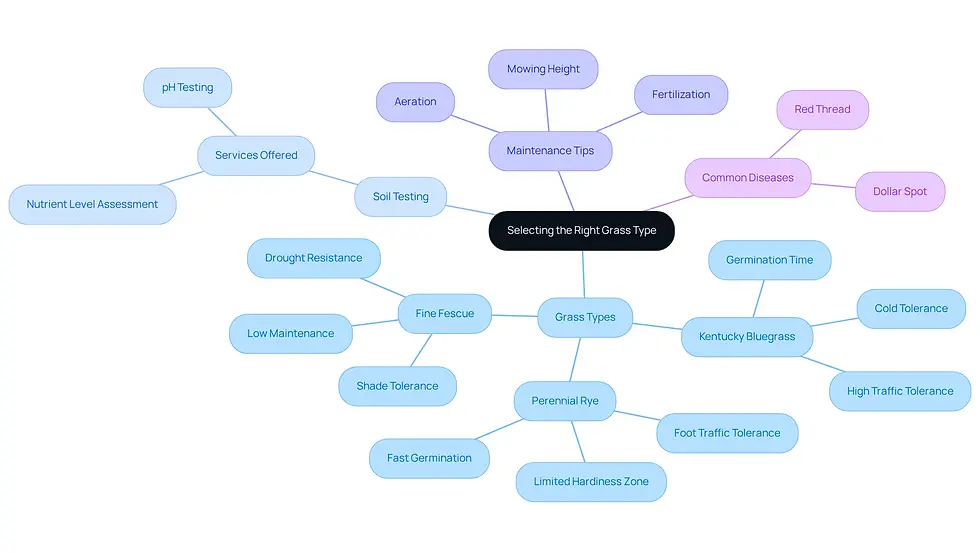
Choosing the right turf can feel overwhelming, especially when you want your lawn to thrive in southern Minnesota's unique climate. Cool-season grasses like Kentucky Bluegrass, Perennial Rye, and Fine Fescue are particularly well-suited to this region. Consider how much sunlight your lawn gets, the type of soil you have, and whether you want your yard for play or simply to enjoy its beauty. Kentucky Bluegrass, known for its lush appearance and durability, is perfect for high-traffic areas, though it can take up to 28 days to germinate.
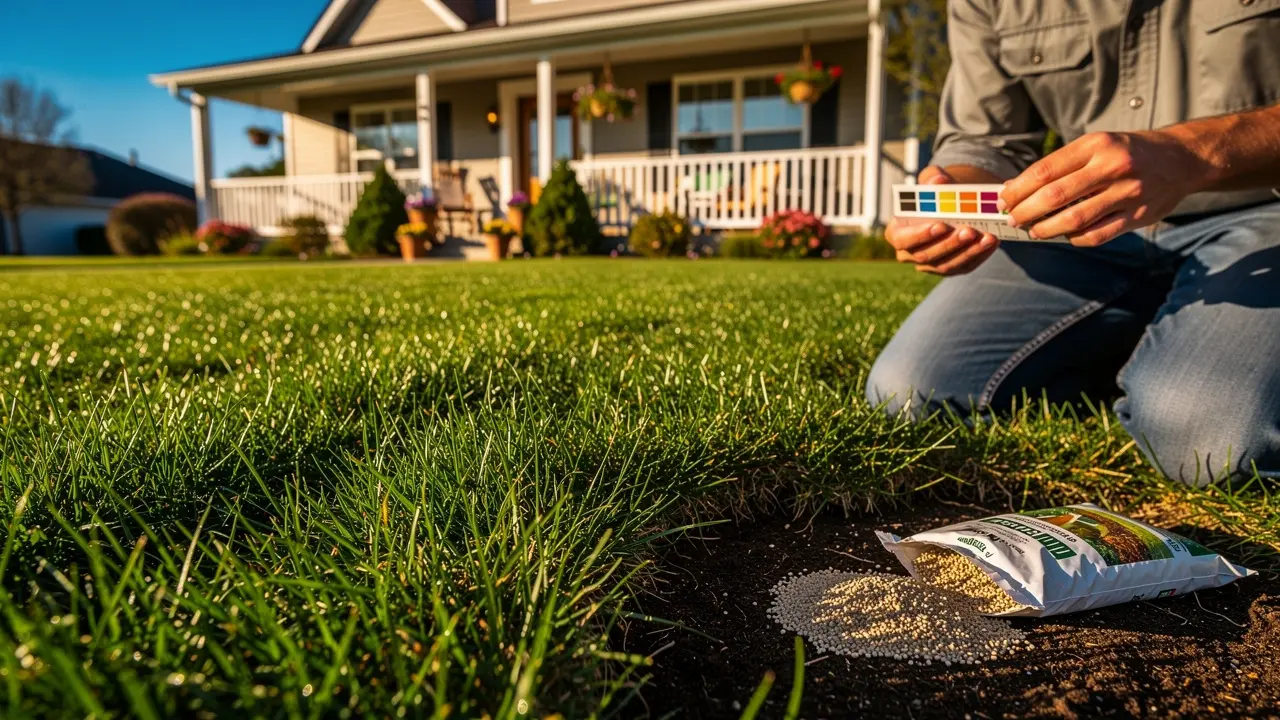
A simple soil test can provide valuable insights into what your lawn needs to flourish, guiding you toward the best grass choice. Services like those offered by Spring Touch Lawn & Pest Control can help you understand nutrient levels and pH, ensuring you select the most compatible grass type for proper turf treatment. Additionally, being aware of common grass diseases like Red Thread and Dollar Spot can empower you to take proactive steps in keeping your lawn healthy and vibrant. For instance, applying a nitrogen-rich fertilizer can help combat Dollar Spot, while proper aeration can prevent Red Thread.
By making informed choices and seeking expert guidance, you can cultivate a lawn that not only looks beautiful but also stands strong against the challenges of the environment. Spring Touch Lawn & Pest Control also provides organic-based fertilizer and turf treatment for crabgrass prevention to enhance the health of your grass during the spring season, ensuring it remains resilient against diseases and environmental stressors.
Optimize Fertilization: Timing and Techniques for Maximum Growth
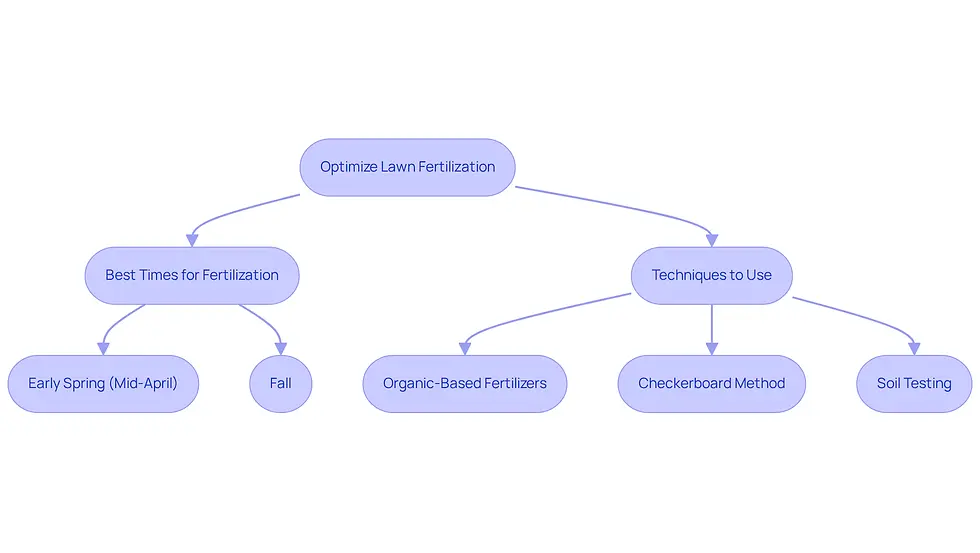
Are you struggling to keep your lawn healthy and vibrant? To attain optimal lawn health, homeowners should create a fertilization timetable that aligns with the growth cycles of cool-season plants. The best times for fertilization are:
Early spring, around mid-April
Fall, when the grass is most actively growing
Applying Spring Touch Lawn & Pest Control's organic-based, slow-release fertilizers during these times ensures your lawn gets the nutrients it needs. Plus, it helps prevent nutrient leaching into waterways. This method not only replenishes vital nutrients but also incorporates crabgrass prevention and grub control, essential for sustaining a healthy yard during the summer months. Techniques like the checkerboard method can help distribute fertilizer evenly, promoting uniform growth across your lawn.
You really want to steer clear of fertilizing when it’s super hot outside, as this can stress your grass and make recovery difficult. Additionally, consider soil testing to tailor your fertilization approach based on specific nutrient needs. When you stick to these best practices, like using Spring Touch's targeted applications for pesky dandelions and broadleaf weeds, you'll see a real difference in your lawn's health. New clients can also enjoy the initial yard care treatment being complimentary when enrolling in a complete program. By following these practices, you can enjoy a lush, resilient lawn that enhances your home's beauty and value.
Implement Effective Pest and Weed Control Strategies
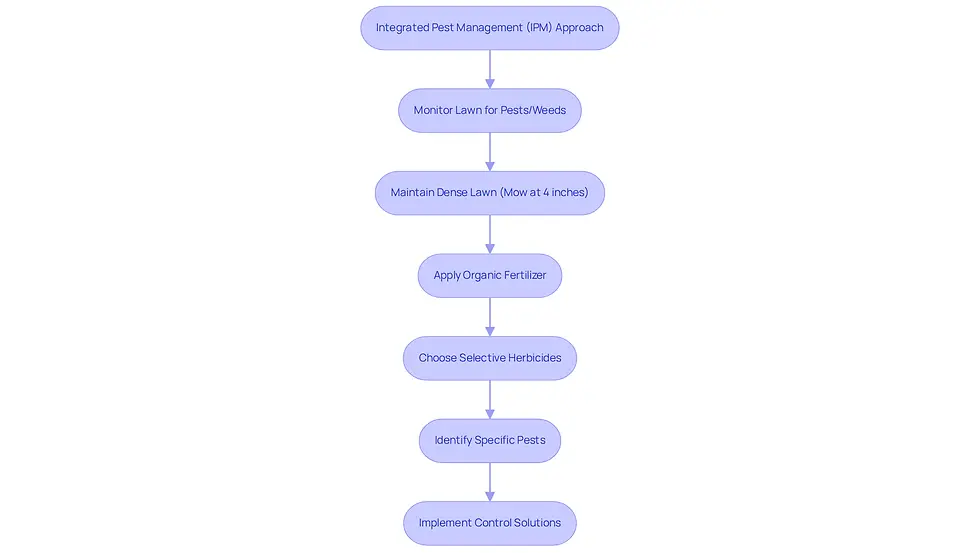
If you’re feeling overwhelmed by pests and weeds in your southern Minnesota yard, there’s a reassuring way to tackle the issue: an integrated pest management (IPM) approach. Keeping an eye on your lawn for any signs of pests or weeds can really make a difference, allowing you to act quickly when needed. Maintaining a dense lawn through proper mowing - ideally at a height of four inches - can significantly reduce weed populations by 70% - 80%. Additionally, appropriate fertilization supports grass health, allowing it to outcompete unwanted species.
Spring Touch Lawn & Pest Control offers organic-based fertilizer applications that not only restore nutrients but also prevent crabgrass and control broadleaf weeds like dandelions. When herbicides are necessary, homeowners should choose selective options that minimize harm to desirable plants. As a new client, don’t miss out on your first application being free when you enroll in our complete yard care programs.
For pest control, accurately identifying the specific pests present is crucial for selecting the appropriate treatment. Touch offers effective solutions, including grub control and safe, family-friendly treatments. Natural solutions, such as introducing beneficial insects or utilizing insecticidal soaps, can effectively manage pest populations while reducing reliance on chemical treatments. With the right strategies and the support of Spring Touch Lawn & Pest Control, you can enjoy the peace of mind that comes with a thriving, healthy yard.
Enhance Lawn Health: Aeration and Overseeding Techniques
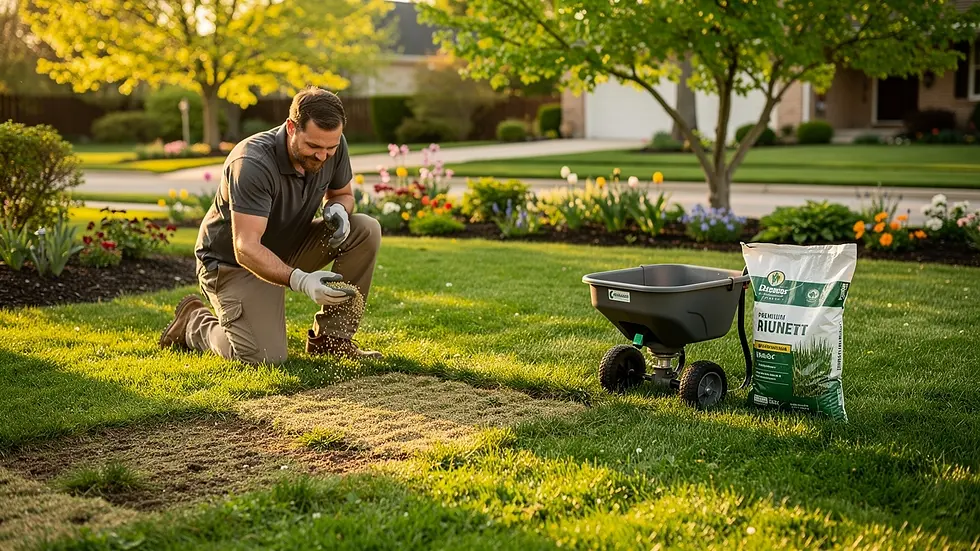
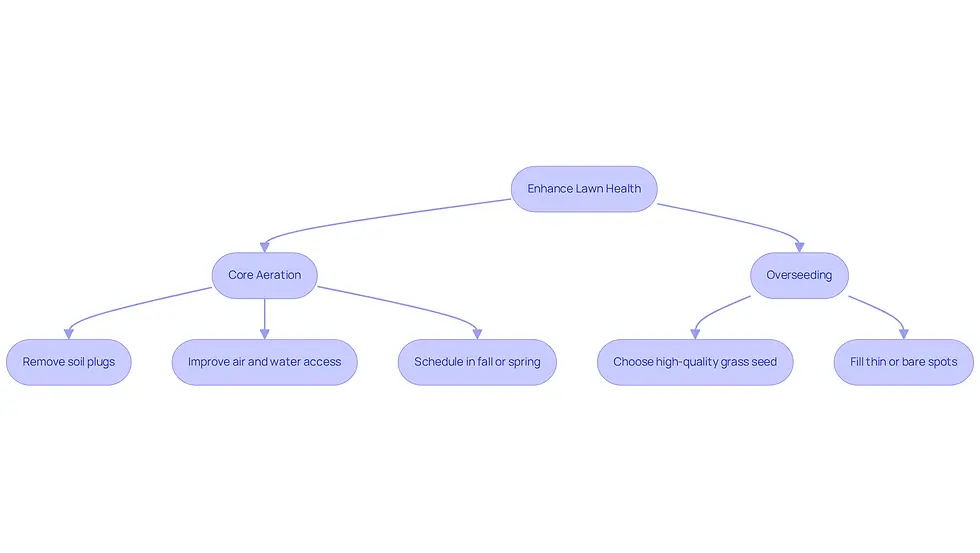
Are you tired of looking at a lackluster lawn that just doesn’t seem to thrive? Core aeration is a vital step in maintaining the health of your lawn, especially if you’re dealing with compacted soils. When you remove those small plugs of soil, you’re actually helping air and water reach the roots, which is crucial for their growth. For the best results, consider scheduling core aeration during the fall or spring when your lawn is actively growing. After aerating, think about overseeding to bring in fresh grass varieties that can fill those thin or bare spots. This dual approach not only enhances the grass's appearance but also strengthens its resilience against pests and diseases.
Research shows that core aeration can significantly reduce soil compaction, allowing better access to nutrients, water, and oxygen for the roots. In fact, aerating grass areas at least once a year is advisable, especially for those experiencing heavy foot traffic. The holes formed during aeration create an optimal seedbed for overseeding, improving germination success and encouraging a denser, healthier turf.
When choosing grass seed, opt for high-quality varieties that match your current turf type for the best results. For instance, Black Beauty® Ultra Grass Seed is known for its drought resistance and deep root growth, making it a preferred choice in Minnesota. By taking these steps, you can transform your lawn into a lush, green oasis that stands up to the elements. Imagine stepping outside to a vibrant lawn that not only enhances your home’s beauty but also provides a welcoming space for family and friends.
Conclusion
Many homeowners struggle with achieving a lush lawn due to the unique climate and specific grass needs in southern Minnesota. By focusing on your grass type, following a fertilization schedule, and using effective pest control methods, you can cultivate a lawn that truly stands out.
Key insights from this article highlight the importance of:
Selecting cool-season grasses suited for the region
Adhering to a fertilization schedule that aligns with growth cycles
Employing integrated pest management strategies to combat weeds and pests effectively
Additionally, core aeration and overseeding are vital practices that can significantly improve lawn resilience and appearance, ensuring that your outdoor space remains inviting and healthy.
When you invest time in these practices, you’re not just improving your lawn; you’re enhancing the beauty and warmth of your home. For those looking to simplify the process, partnering with Spring Touch Lawn & Pest Control can provide expert guidance and support, ensuring that your lawn care journey is both effective and rewarding. By embracing these strategies, you can create a lawn that not only withstands environmental challenges but also becomes a cherished space for gatherings and relaxation.
Frequently Asked Questions
What are the best grass types for southern Minnesota?
The best grass types for southern Minnesota include cool-season grasses such as Kentucky Bluegrass, Perennial Rye, and Fine Fescue, which thrive in the region's unique climate.
How does sunlight affect grass selection?
When selecting grass, it's important to consider how much sunlight your lawn receives, as different grass types have varying sunlight requirements.
What role does soil type play in choosing grass?
The type of soil you have can significantly influence the grass type that will thrive in your lawn, making a soil test beneficial for understanding nutrient levels and pH.
How long does it take for Kentucky Bluegrass to germinate?
Kentucky Bluegrass can take up to 28 days to germinate, making it a durable choice for high-traffic areas.
What services does Spring Touch Lawn & Pest Control offer to help with grass selection?
Spring Touch Lawn & Pest Control offers services that include soil testing to help determine nutrient levels and pH, guiding you toward the best grass choice for your lawn.
What are common grass diseases to be aware of?
Common grass diseases include Red Thread and Dollar Spot, which can affect the health of your lawn.
How can I combat Dollar Spot and Red Thread in my lawn?
To combat Dollar Spot, applying a nitrogen-rich fertilizer can be effective, while proper aeration can help prevent Red Thread.
What type of fertilizer does Spring Touch Lawn & Pest Control provide?
Spring Touch Lawn & Pest Control provides organic-based fertilizer and turf treatment, including options for crabgrass prevention, to enhance the health of your grass.
How can I ensure my lawn remains resilient against environmental stressors?
By making informed choices about grass selection and utilizing expert guidance from services like Spring Touch Lawn & Pest Control, you can cultivate a lawn that is strong against environmental challenges.
List of Sources
Understand Your Turf: Selecting the Right Grass Type
4 Best Grass Seeds for Minnesota Lawns (https://lawnstarter.com/blog/minnesota/best-grass-seed-mn)
4 Types of Grass for Lawn: Choose the Best for Your Home (https://springtouchlawn.com/post/4-types-of-grass-for-lawn-choose-the-best-for-your-home)
Selecting the Best Grass Seed for Your Minnesota Lawn (https://groundfxmn.com/blog/selecting-the-best-grass-seed-for-your-minnesota-lawn)
Best Grass for Southern Minnesota (https://lawnlove.com/blog/best-grass-seed-southern-minnesota)
Buying turfgrass seed for Minnesota lawns (https://extension.umn.edu/lawn-care/buying-turfgrass-seed-minnesota-lawns)
Optimize Fertilization: Timing and Techniques for Maximum Growth
Lawn calendar for cool-season grasses (https://extension.k-state.edu/news-and-publications/news/stories/2026/03/horticulture-cool-season-grasses.html)
When to Fertilize Your Lawn (https://lawnstarter.com/blog/lawn-care-2/when-to-fertilize-lawn)
Fertilizing Cool-Season Grasses In May | CropWatch | Nebraska (https://cropwatch.unl.edu/fertilizing-cool-season-grasses-may)
Fall is a good time to fertilize cool season grasses! (https://spring-green.com/learn/blogs/blog-fall-fertilize-cool-season-grasses)
Implement Effective Pest and Weed Control Strategies
Integrated Pest Management for Lawns: A Practical Guide (https://naturalawn.com/lawn-care-tips/integrated-pest-management-for-lawns-a-practical-guide)
Integrated Pest Management for the Lawn (https://lawnstarter.com/blog/lawn-care-2/integrated-pest-management-lawn)
Practice Integrated Pest Management (https://lawntolakemidwest.org/in-the-weeds/manage-pests-responsibly/practice-integrated-pest-management)
Integrated Pest Management for the Lawn (https://lawnlove.com/blog/integrated-pest-management-lawn)
Protecting Pollinators in Home Lawn and Turfgrass Systems | Integrated Pest Management (https://ipm.uga.edu/2020/02/19/protecting-pollinators-in-home-lawn-and-turfgrass-systems)
Enhance Lawn Health: Aeration and Overseeding Techniques
Thicken Your Lawn by Overseeding: Why and How to Overseed Your Lawn | ScottsMiracle-Gro US (https://scottsmiraclegro.com/en-us/learn/lawn-care/thicken-your-lawn-by-overseeding.html)
Benefits of Core Aeration and Over Seeding (https://fairwaygreeninc.com/benefits-of-core-aeration-and-over-seeding)
When to Overseed Lawn in Minnesota | Jonathan Green (https://jonathangreen.com/resources/when-overseed-lawn-minnesota)
An overseeding success story | Turfgrass Science (https://turf.umn.edu/overseeding-success-story)
Healthy lawns in South Carolina: Why aeration matters (https://news.clemson.edu/healthy-lawns-in-south-carolina-why-aeration-matters)