.png)

10 Best Practices for Healthy Lawn Care Every Homeowner Needs
- Spring Touch Team

- 13 hours ago
- 16 min read
Introduction
Many homeowners in southern Minnesota find themselves grappling with the challenge of maintaining a lush, vibrant lawn. With the right practices, achieving a healthy lawn is not only possible but also rewarding. Let’s dive into ten essential practices that can help you cultivate a thriving green space, from soil preparation to pest management.
These mistakes can lead to frustration and disappointment, making it feel impossible to achieve the lawn of your dreams. By recognizing these pitfalls, you can take proactive steps to safeguard your lawn's health and ensure a beautiful and resilient lawn year-round.
Test and Prepare Your Soil for Optimal Growth
To ensure your grass thrives, it’s vital to start with a solid foundation: your soil. You can easily test its pH levels and mineral content with a DIY kit or by sending samples to a local extension service. The results will guide you in modifying your soil with organic matter, lime, or sulfur, helping to adjust pH levels and improve nutrient availability.
Tilling the ground to a depth of 6-8 inches is crucial for enhancing aeration and drainage, both essential for robust root development. By testing your soil every few years, you can maintain healthy lawn care, ensuring your grass remains vibrant and giving you a lawn to be proud of all year round.
To further enhance your healthy lawn care, consider Spring Touch Lawn & Pest Control's organic-based fertilizer application, which includes a crabgrass preventer to restore nutrients and shield your turf from invasive weeds. Their second application effectively targets dandelions and broadleaf weeds while incorporating grub control, ensuring comprehensive care for your yard's health.

Choose the Right Grass Seed for Your Environment
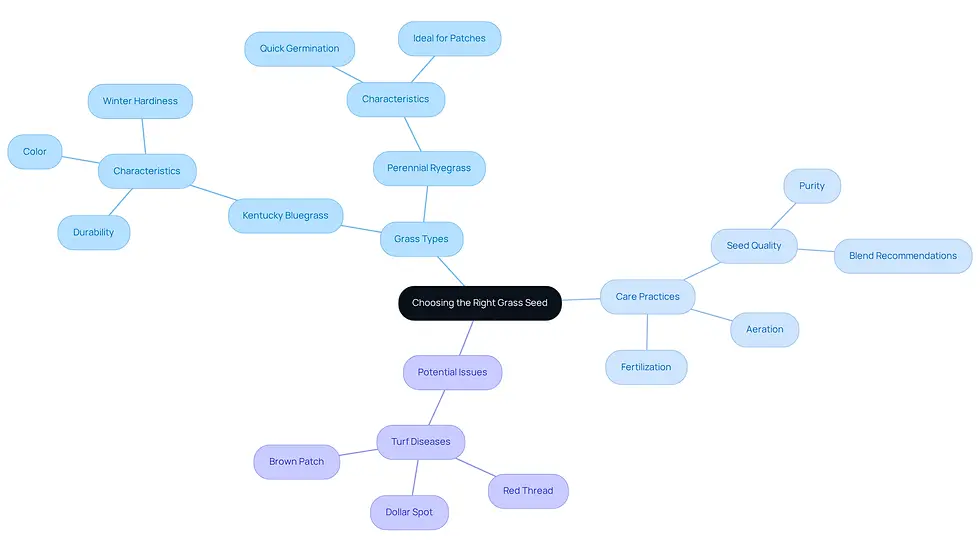
Choosing the right seed can feel overwhelming, especially when you want your lawn to thrive in Minnesota's unique climate. Kentucky bluegrass and perennial ryegrass are excellent choices, known for their durability and adaptability. Kentucky bluegrass boasts a rich color and can withstand harsh winters, while perennial ryegrass germinates quickly, making it perfect for quick patches and overseeding.
Think about what your lawn will be used for and how much sun it gets; these factors can really make a difference in your turf choice. Mixing different types of turf can really help your yard bounce back from tough conditions, making it stronger and more resilient. For the best results, always check seed quality and aim for blends that contain at least 85% pure seed. This ensures a robust turf that can flourish throughout the seasons, creating a lush and vibrant outdoor area.
However, be cautious of blends that include annual rye, as they may compete with other plants during establishment and won’t last beyond one year. Turf care expert Sam Bauer emphasizes, "Selecting premium seed is one of the most crucial factors when overseeding, renovating, or creating new green spaces." This highlights the importance of making informed choices to ensure healthy lawn care.
Moreover, homeowners should be aware of potential turf diseases that can affect grass health, such as Red Thread, Dollar Spot, and Brown Patch. Imagine stepping onto your lawn only to find unsightly patches and discoloration, a sight that can be disheartening for any homeowner. Implementing healthy lawn care practices, such as regular aeration and suitable fertilization, can help mitigate these risks and promote a thriving green space. Ignoring these signs can lead to a lawn that not only looks uninviting but also requires more extensive care and resources to restore. If you suspect your grass may be suffering from a disease, reaching out to Spring Touch Lawn & Pest Control for expert advice and treatment options can be a proactive step toward maintaining your turf's health. By taking these steps, you can ensure your lawn remains a vibrant and welcoming space for years to come.
Master Effective Watering Techniques for a Lush Lawn
Are you worried that your lawn isn’t as vibrant as it could be? Many homeowners struggle with maintaining the right balance of watering, leading to unhealthy grass and wasted resources. To achieve a lush yard, it’s essential to water thoroughly but infrequently, aiming for about 1 inch of moisture weekly from both rain and irrigation. In the summer, your grass may need up to 2 inches of water each week. The best time to water is early in the morning, ideally before 10 AM, as this helps reduce evaporation and minimizes the risk of fungal diseases.
If you notice your grass looking thin or taking on a reddish-orange hue, it might be a sign of overwatering. Keep an eye on your yard's health to catch these issues early. Using a rain gauge can help you measure your water application accurately, and the 'tuna can' method can guide you on how long to water each zone. Avoid watering in the evening, as this can leave blades damp overnight, increasing the likelihood of disease.
By understanding the right watering techniques, you can ensure healthy lawn care that results in a lush lawn thriving even in challenging conditions. Consistent watering practices not only promote healthy lawn care but also enhance drought resistance, ensuring your yard remains vibrant throughout the growing season. Consider using an organic-based fertilizer with crabgrass preventer in the spring to nourish your lawn and keep unwanted weeds at bay. Finally, mow your lawn to a height of 2 to 3 inches to help shade the roots and reduce water loss through evaporation. With the right care, your yard can flourish, bringing you joy and peace of mind all season long.

Follow Proper Mowing Practices to Enhance Lawn Health
Are you struggling to keep your lawn lush and green amidst the challenges of weeds and heat? Keeping your grass at a height of 3 to 4 inches helps protect the soil, reducing weeds and keeping moisture in, so your lawn stays healthy. Remember the one-third rule: never cut more than one-third of the blade at once. This practice prevents stress on the turf and encourages healthier growth. Make sure to keep your mower blades sharp for clean cuts; dull blades can stress your grass and lead to a yellowish look. Changing your mowing pattern is also important; it prevents soil compaction and promotes upright growth, which is essential for a vibrant landscape.
Regular mowing during the active growing season, especially in spring, is crucial for healthy lawn care and ensuring a robust lawn. Aim to mow every 4-5 days in spring and every 7-10 days in summer. Try to mow during the cooler parts of the day to avoid heat stress on the grass. Leaving plant clippings on the turf can also supply essential nutrients, comparable to one application of fertilizer, improving the sustainability of your yard care methods.
To further enhance your yard's health, consider Spring Touch Lawn & Pest Control's organic-based fertilizer with bio-solids and crabgrass preventer. This not only replenishes essential nutrients but also stops crabgrass from taking over your yard during the summer months. Adequate ground preparation, including aeration, is crucial for effective seed germination, especially in the clay terrain of southern Minnesota. With the right care and attention, your lawn can flourish, bringing you joy and satisfaction all season long.

Fertilize for Health and Growth: Essential Nutrient Management
Maintaining healthy lawn care in southern Minnesota can feel overwhelming, especially with the challenges posed by crabgrass. Efficient resource management is essential for sustaining vibrant turf, particularly for cool-season grasses. Homeowners in cities like Mankato, Rochester, and Eden Prairie should start by applying a balanced, organic-based fertilizer from Spring Touch Lawn & Pest Control. This treatment replenishes essential nutrients and helps prevent crabgrass from taking over your yard this summer. By considering soil test results, you can ensure that your lawn's specific nutrient needs are met, promoting optimal growth and health.
For cool-season turf, fertilizing in early spring and late summer is key to success, with a recommended application rate of 1 pound of nitrogen per 1,000 square feet. This timing supports growth during the peak seasons when the grass is most active. Using slow-release fertilizers is advisable, as they provide a steady supply of nutrients over time, reducing the risk of nutrient runoff and grass burn.
In addition to the initial fertilization, Spring Touch's second application targets dandelions and broadleaf weeds while including grub control to tackle both weeds and grub infestations. To ensure healthy lawn care, make sure to follow the application rates on the product label, as over-fertilization can lead to harmful effects, like yellow or brown spots on the grass. As experts from Rainbow Lawncare suggest, "Watering lightly after the application is also beneficial as it helps distribute the fertilizer into the soil." By adhering to these guidelines, you can cultivate a lush, vibrant landscape that flourishes throughout the growing season while remaining compliant with Minnesota's phosphorus fertilizer regulations. By following these steps for healthy lawn care, you can ensure that your lawn not only survives but thrives, bringing beauty and joy to your home.

Control Weeds Effectively to Protect Your Lawn
Managing weeds can feel overwhelming, especially when they threaten the beauty of your lawn. A combination of cultural practices and targeted herbicide applications can help you regain control. Here are some gentle suggestions to help you achieve a beautiful lawn:
Consider mowing regularly to keep your lawn at a height of approximately 3 inches for cool-season varieties. This practice aids in managing numerous broadleaf weeds, stops them from seeding, and contributes to healthy lawn care by encouraging a healthier turf.
You might find it helpful to apply pre-emergent herbicides for persistent weeds, ideally around the time lilacs bloom, to prevent germination. This proactive step can save you from dealing with a larger problem later on.
If you notice visible weeds, consider spot-treating them with post-emergent herbicides, following label instructions for safe application. These herbicides offer more options for controlling broadleaf weeds than grass weeds, giving you a better chance at success.
For small infestations, particularly of annual weeds like crabgrass, hand-pulling can be an effective and satisfying management method. It allows you to connect with your lawn and take direct action.
You may want to consider applying organic-based fertilizer with bio-solids and crabgrass preventer during the initial application of spring. This treatment not only replenishes nutrients but also prevents crabgrass from dominating your yard, contributing to healthy lawn care.
Continuous maintenance is essential for a thriving lawn, as reinfestations can occur from neighboring plants producing seeds. By embracing these strategies, you can cultivate a thriving, weed-free yard that brings you joy and peace of mind throughout the season.

Manage Pests and Diseases Responsibly for a Thriving Lawn
It can be disheartening to see your garden struggling with pests and diseases, but regular monitoring can make all the difference. Keep an eye out for signs that might indicate underlying issues, like discoloration, wilting, or unusual growth patterns. Noticing these signs can be stressful, especially when you want your garden to thrive. Implementing Integrated Pest Management (IPM) strategies can significantly support healthy lawn care and help your turf thrive. This includes cultural practices like proper watering - aiming for 1 to 1.5 inches of water per week - and maintaining optimal mowing heights specific to your grass type, such as 2 to 3.5 inches for Kentucky bluegrass.
For effective ant control, consider Spring Touch Lawn & Pest Control's Ant Control program, designed to target and reduce ant populations before they become a bigger issue. This proactive approach not only removes overabundant ants but also supports healthy lawn care by creating a protective barrier around your home, preventing them from migrating indoors.
Utilizing organic pest control methods can also be effective. Introducing beneficial insects, such as lady beetles and green lacewings, can naturally manage pest populations. Additionally, using diatomaceous earth can deter unwanted insects without harming beneficial organisms. For diseases, ensure adequate air circulation by avoiding overwatering and regularly removing organic debris, which can harbor pests and pathogens. Be particularly vigilant for common grass diseases in Minnesota, such as Red Thread and Dollar Spot, which can cause significant damage if not addressed promptly.
Taking these proactive steps not only protects your garden but also brings peace of mind, knowing you're nurturing a vibrant space.

Incorporate Aeration and Dethatching for Lawn Vitality
Many homeowners struggle with maintaining a vibrant lawn, often feeling overwhelmed by the challenges of healthy lawn care. To keep your grass healthy, aerate at least once a year, ideally in the fall, to help reduce compaction and encourage root growth. Using a core aerator is key; it pulls out small plugs of soil, creating holes that allow air, water, and nutrients to reach the roots more effectively. In southern Minnesota, the best time for aeration is from late August to early October, which aligns with the peak growth period of cool-season plants. This timing helps your grass develop new roots before the first frost, setting the stage for strong growth in the spring. It's best to wait for the right conditions; aerating during dry spells or extreme temperatures can stress your grass and lessen the benefits of your hard work.
Dethatching is equally important for turf health, especially if the thatch layer exceeds 0.5 inches. Excessive thatch can hinder water and mineral absorption, leading to a weakened lawn. Dethatching should be done with a dethatching rake or machine, preferably in early spring or fall when the grass is actively growing. This practice is essential for healthy lawn care as it not only boosts the overall health of your grass but also prepares it for seasonal changes, enhancing nutrient absorption and resilience against diseases.
When you combine aeration and dethatching in your healthy lawn care routine, you can truly boost your grass's vitality, helping it stay lush and healthy all year long. For best results, consider following these steps:
Aerate your grass area: Use a core aerator to create holes across the yard.
Dethatch if necessary: Check the thatch layer and use a dethatching rake or machine if it exceeds 0.5 inches.
Apply organic-based fertilizer: Spring Touch Lawn & Pest Control recommends applying their organic-based fertilizer with bio-solids and crabgrass preventer during the spring. This treatment replenishes vital nutrients to the ground and stops crabgrass from taking over your yard during the summer months, ensuring a healthy and lush appearance.
Aeration can enhance moisture retention and reduce water pooling while preventing compaction and encouraging deeper root growth. However, be cautious; improper aeration can bring weed seeds to the surface, creating new challenges. For personalized advice and support tailored to your lawn's needs, reach out to the caring experts at Spring Touch Lawn & Pest Control, who are committed to helping your yard thrive in southern Minnesota. With the right healthy lawn care, your lawn can transform into a lush oasis that enhances your home and brings you joy.

Adapt Lawn Care Practices to Seasonal Changes
As spring arrives, many homeowners feel overwhelmed by the tasks needed to prepare their gardens for the season ahead. Taking these steps now can ease your worries and set your garden up for success this season. Start by:
Cleaning up debris
Testing your soil
Applying pre-emergent herbicides to prevent weeds from taking root
At Spring Touch Lawn & Pest Control, a family-owned business rooted in southern Minnesota, we offer an organic fertilizer that nourishes your lawn and helps keep crabgrass at bay during the summer.
In summer, focus on:
Watering deeply but less frequently, ideally in the early morning, to help your grass thrive while staying vigilant for any pests that could harm it
Adjusting your mowing height; raising the mower blade during the summer protects grass roots from heat stress, ensuring your lawn remains resilient under the sun's intensity
Every season brings its own set of challenges, but with the right care, you can navigate them with confidence.
As autumn approaches, aeration and fertilization become essential to prepare your grass for winter dormancy, allowing nutrients to reach the roots effectively. By regularly checking in on your lawn and seeking help from Spring Touch Lawn & Pest Control, you can ensure your grass stays healthy and beautiful all year long. New clients can even enjoy their first application at no cost when enrolling in our comprehensive yard care, mosquito management, or pest management programs. By implementing these seasonal practices of healthy lawn care, you can nurture a vibrant lawn that enhances your home’s beauty and brings you joy throughout the year.

Commit to Ongoing Maintenance for Lasting Lawn Health
Have you ever looked at your lawn and felt a sense of worry about its health? Establishing a regular maintenance schedule is essential for healthy lawn care and can help ease those concerns. This schedule for healthy lawn care should include essential tasks such as:
Mowing at a height of around 3 inches or more to protect against heat stress
Deep watering of 1 to 1.5 inches per week during summer
Fertilizing
Pest management
Keeping a garden care journal can help you track what works and what doesn’t, making it easier to nurture your lawn effectively. Seasonal tasks, such as overseeding and aeration in the fall, are vital for preserving grass density and overall health.
Imagine a yard where pests are kept at bay, allowing your family to enjoy the outdoors without worry. Incorporating effective pest control solutions, like those offered by Spring Touch Lawn & Pest Control, can make this a reality. Their Ant Control program targets and reduces ant populations before they can migrate indoors, creating a protective barrier around your home. Regular treatments not only keep your yard safe and enjoyable for your family and pets but also prevent the frustration of indoor infestations.
By regularly checking in on your yard's health and adjusting your healthy lawn care routine, you can ensure it thrives for years to come. Remember, generic yard care solutions often lead to ineffective treatments, so investing in personalized healthy lawn care programs from Spring Touch Lawn & Pest Control can significantly enhance your grass's vitality. Plus, new customers can take advantage of a free initial application when signing up for complete lawn care or pest control programs. Investing in tailored care for your lawn can transform it into a vibrant space that brings joy and peace of mind to your home.

Conclusion
Caring for your lawn can feel overwhelming, especially with the unique challenges of southern Minnesota's climate. But with the right approach, you can create a lush, inviting space that brings joy to your family and friends. Choosing organic treatments can give you peace of mind, knowing your family can enjoy the yard safely.
Key strategies discussed include:
Regular soil testing
Proper fertilization
Diligent weed and pest management
Homeowners are encouraged to adopt seasonal care practices, such as:
Aeration
Dethatching
These practices promote robust growth and resilience against environmental stressors. Additionally, understanding the importance of ongoing maintenance and adapting care routines to seasonal changes can significantly impact the long-term health of the lawn.
When you invest in your lawn, you’re not just enhancing your home; you’re creating a sanctuary for your loved ones to enjoy together. Embrace these practices today to transform your lawn into a lush oasis that enhances your home and enriches your life throughout the seasons.
Frequently Asked Questions
Why is testing and preparing soil important for lawn care?
Testing and preparing soil is crucial because it ensures a solid foundation for grass growth. By assessing pH levels and mineral content, homeowners can modify their soil with organic matter, lime, or sulfur to improve nutrient availability and support robust root development.
How can I test my soil?
You can test your soil using a DIY kit or by sending samples to a local extension service. The results will help you understand how to adjust your soil for optimal grass growth.
What depth should I till my soil for optimal growth?
It is recommended to till the ground to a depth of 6-8 inches to enhance aeration and drainage, which are essential for healthy root development.
How often should I test my soil?
It is advisable to test your soil every few years to maintain healthy lawn care and ensure your grass remains vibrant.
What types of grass seed are best for Minnesota's climate?
Kentucky bluegrass and perennial ryegrass are excellent choices for Minnesota's climate. Kentucky bluegrass is durable and withstands harsh winters, while perennial ryegrass germinates quickly, making it suitable for patches and overseeding.
What should I consider when choosing grass seed?
Consider the intended use of your lawn and the amount of sunlight it receives. Mixing different types of turf can enhance resilience and recovery from tough conditions.
What is the importance of seed quality?
Always check seed quality and aim for blends that contain at least 85% pure seed to ensure a robust turf that can thrive throughout the seasons.
What turf diseases should I be aware of?
Homeowners should be aware of turf diseases such as Red Thread, Dollar Spot, and Brown Patch, which can affect grass health and appearance.
How can I maintain a healthy lawn and mitigate turf diseases?
Implementing healthy lawn care practices, such as regular aeration and suitable fertilization, can help mitigate risks of turf diseases and promote a thriving green space.
What are effective watering techniques for a lush lawn?
Water thoroughly but infrequently, aiming for about 1 inch of moisture weekly. In summer, grass may need up to 2 inches of water each week. The best time to water is early in the morning before 10 AM.
How can I tell if I am overwatering my lawn?
Signs of overwatering include thin grass or a reddish-orange hue. Monitoring your lawn's health can help catch these issues early.
What tools can help me measure my watering?
A rain gauge can accurately measure water application, and the 'tuna can' method can guide you on how long to water each zone.
What mowing height is recommended for healthy grass?
Mowing your lawn to a height of 2 to 3 inches helps shade the roots and reduce water loss through evaporation.
How can Spring Touch Lawn & Pest Control assist with lawn care?
Spring Touch Lawn & Pest Control offers organic-based fertilizer applications, including crabgrass preventers and comprehensive care for your yard's health, ensuring a vibrant lawn.
List of Sources
Test and Prepare Your Soil for Optimal Growth U-M soils testing lab undergoes $3 million renovation (https://farmprogress.com/soil-health/u-m-soils-testing-lab-undergoes-3-million-renovation) Growing pains? U of MN’s St. Paul soil testing lab to the rescue (https://twincities.com/2023/05/20/u-of-mn-st-paul-soil-testing-lab-helps-local-lawns-and-gardens) Soil testing for lawns and gardens (https://extension.umn.edu/managing-soil-and-nutrients/soil-testing-lawns-and-gardens)
Choose the Right Grass Seed for Your Environment Selecting the Best Grass Seed for Your Minnesota Lawn (https://groundfxmn.com/blog/selecting-the-best-grass-seed-for-your-minnesota-lawn) How to Choose the Right Grass Seed for Your Region (https://pennington.com/all-products/grass-seed/resources/recommended-grasses-for-regional-climates) Buying turfgrass seed for Minnesota lawns (https://extension.umn.edu/lawn-care/buying-turfgrass-seed-minnesota-lawns) Seeding your lawn this fall? Here are some considerations (Part 2 of 2) | Turfgrass Science (https://turf.umn.edu/news/seeding-your-lawn-fall-here-are-some-considerations-part-2-2) 4 Best Grass Seeds for Minnesota Lawns (https://lawnstarter.com/blog/minnesota/best-grass-seed-mn)
Master Effective Watering Techniques for a Lush Lawn Turf Masters Lawn Care | Summer Grass Watering 101 (https://turfmasterslawncare.com/2020/07/20/summer-watering-101) Smart Watering Tips | Woodbury, MN (https://woodburymn.gov/1054/Smart-Watering-Tips) Lawn Care (https://rpbcwd.org/lawn-care) The Best Time Of Day To Water Your Grass For A Greener, Healthier Lawn (https://southernliving.com/time-of-day-water-grass-11948149?srsltid=AfmBOooHeG7ejlo0pBxNw7JzO555sz6aHVlm5TJWK0XXmmg13ohmx-sN)
Follow Proper Mowing Practices to Enhance Lawn Health Eco-Friendly Lawn & Grass Care Tips: Mowing, Watering & More (https://mwmo.org/learn/preventing-water-pollution/lawn-care) Summer Time Mowing in MN (https://fertilawnmn.com/a-season-long-plan-for-mowing) Mowing Your Lawn (https://extension.illinois.edu/lawns/mowing-your-lawn) Proper Mowing Height and How it Affects the Health of Your Lawn (https://shadesofgreenlawncare.com/blog/proper-mowing-height-how-affects-health-of-lawn) Mowing practices for healthy lawns (https://extension.umn.edu/lawn-care/mowing-practices-healthy-lawns)
Fertilize for Health and Growth: Essential Nutrient Management Phosphorus Lawn Fertilizer Law | Minnesota Department of Agriculture (https://mda.state.mn.us/phosphorus-lawn-fertilizer-law) New lawn care guidelines (https://startribune.com/new-lawn-care-guidelines/102353674) Fertilizing Your Lawn (https://extension.illinois.edu/lawns/fertilizing-your-lawn) Minnesota Homeowner’s Guide to Lawn Fertilization | Rainbow Lawncare (https://rainbowlawncare.com/fertilization-homeowners-guide) Healthy Lawns for Healthy Water - MWMO (https://mwmo.org/news/healthy-lawns-for-healthy-water)
Control Weeds Effectively to Protect Your Lawn Researchers offer pre-emergent herbicide options (https://mnsoybean.org/researchers-offer-pre-emergent-herbicide-options) Considerations for Weed Control in Lawns (https://extension.sdstate.edu/considerations-weed-control-lawns) How To Control Weeds in Your Lawn (https://usga.org/content/usga/home-page/course-care/green-section-record/63/issue-04/how-to-control-weeds-in-your-lawn-.html) Weed Management in Lawns / Home and Landscape / UC Statewide IPM Program (UC IPM) (https://ipm.ucanr.edu/home-and-landscape/weed-management-in-lawns)
Manage Pests and Diseases Responsibly for a Thriving Lawn Practice Integrated Pest Management (https://lawntolakemidwest.org/in-the-weeds/manage-pests-responsibly/practice-integrated-pest-management) Turf Best Management Practices | IPM and Pollinator Conservation (https://ncipmhort.cfans.umn.edu/ipm-bmp-cultural-control/turf-best-management-practices) Integrated Pest Management for the Lawn (https://lawnstarter.com/blog/lawn-care-2/integrated-pest-management-lawn)
Incorporate Aeration and Dethatching for Lawn Vitality Why Lawn Aeration is the Secret to Thick, Healthy Grass in Wisconsin and Minnesota | L.C.S. Lawn & Tree Service, Inc. (https://lcslawn.com/blog/why-lawn-aeration-is-the-secret-to-thick-healthy-grass-in-wisconsin-and-minnesota) The Best Time to Aerate Your Lawn in Minnesota (https://lawnlove.com/blog/best-time-to-aerate-lawn-minnesota) Lawn Aeration in Minnesota: Benefits for a Healthy Lawn (https://rocksolidmn.com/lawn-aeration-minnesota) What Are the Benefits of Aerating Your Lawn? (https://lawnstarter.com/blog/lawn-care-2/benefits-aerating-lawn)
Adapt Lawn Care Practices to Seasonal Changes 6 Essential Lawn Maintenance Tips for Every Season (https://groundfxmn.com/blog/6-essential-lawn-maintenance-tips-for-every-season) Master Your Lawn Care Schedule in Minnesota: Best Practices for Homeowners (https://springtouchlawn.com/post/master-your-lawn-care-schedule-in-minnesota-best-practices-for-homeowners) Residential Lawn Care Industry: 2026 Verified Stats (https://wifitalents.com/residential-lawn-care-industry-statistics) Seasonal Yard Care | Arden Hills, MN - Official Website (https://cityofardenhills.org/115/Seasonal-Yard-Care) Lawn care calendar (https://extension.umn.edu/planting-and-growing-guides/lawn-care-calendar)
Commit to Ongoing Maintenance for Lasting Lawn Health
The Best Minnesota Lawn Care Schedule (https://lawnstarter.com/blog/minnesota/lawn-care-schedule-mn)
Why Customized Lawn Care is Essential for Minnesota Homeowners (https://springtouchlawn.com/post/why-customized-lawn-care-is-essential-for-minnesota-homeowners)
Benefits of Scheduling Weekly Yard and Lawn Maintenance (https://warnersoutdoorsolutions.com/benefits-of-scheduling-weekly-yard-and-lawn-maintenance)
Master Your Lawn Care Schedule in Minnesota: Best Practices for Homeowners (https://springtouchlawn.com/post/master-your-lawn-care-schedule-in-minnesota-best-practices-for-homeowners)
Benefits of Professional Lawn Care in Minnesota - RJ3 Property Maintenance (https://rj3pm.com/2026/05/10/benefits-of-professional-lawn-care-in-minnesota)


