.png)

4 Best Practices for Using Lawn Insecticide Effectively
- Spring Touch Team

- Apr 22
- 8 min read
Updated: 1 minute ago
Introduction
Managing lawn pests can feel overwhelming, and it’s a common concern for many homeowners. The vibrant outdoor spaces we cherish can quickly become a battleground against unwanted insects. With so many lawn insecticides on the market, choosing the right products and applying them effectively can be daunting. Are you unsure if you’re making the best choices? It’s easy to feel lost in the complexities of pest control, and many homeowners inadvertently make mistakes that could harm their lawns.
But don’t worry; you’re not alone in this. This article is here to guide you through the best practices for using lawn insecticides. We’ll explore the different types available, share effective application strategies, and highlight essential safety precautions. With the right knowledge and tools, you can confidently tackle pest control and keep your lawn thriving.
Identify Types of Lawn Insecticides
When it comes to managing pests in your lawn, understanding the different types of lawn insecticide available can make all the difference. The problem is that pests can quickly take over, leaving you feeling overwhelmed and unsure of how to regain control. But don’t worry; there are effective solutions tailored to your needs.
Contact Insecticides are your go-to for immediate action. These lawn insecticide products work by eliminating insects upon contact, making them perfect for those moments when you see unwanted pests on your lawn. Dean M. Krauskopf from Michigan State University Extension emphasizes the importance of good coverage, stating, "Any surface not covered isn’t toxic, including new shoots and the newest leaves in the growing tip." This means that while you can act quickly, you need to ensure thorough application for the best results.
Then there are Systemic Chemicals. These substances are absorbed by the plant, offering extended protection against pests that munch on treated leaves. If you’re dealing with ongoing infestations, systemic chemicals can be particularly beneficial. In fact, studies reveal that nearly 35% of property owners are opting for these solutions due to their effectiveness in managing persistent pest issues.
For those pesky soil-dwelling insects like grubs, lawn insecticide in granular form is a solid choice. Designed for soil application, these products require watering in to activate, allowing them to penetrate the soil and reach their targets. Products like Atexzo have shown remarkable effectiveness against grubs in various trials, providing peace of mind for homeowners.
Lastly, consider Biopesticides. These are derived from natural materials and are often gentler on beneficial insects and the environment. If you’re looking for eco-friendly options, biopesticides can be a fantastic choice. Experts in pest management suggest that combining biopesticides with traditional methods can enhance your overall strategy for managing infestations.
By understanding these categories, you can confidently select the right treatment for your specific pest problems and environmental conditions. Remember, it’s also essential to avoid common pitfalls, like applying chemicals during unsuitable weather or ignoring usage instructions, as these can lead to ineffective pest management. With the right knowledge and approach, you can reclaim your lawn and enjoy a pest-free environment.

Determine Optimal Application Timing
Managing lawn pests can feel overwhelming, but with the right timing strategies, you can take control. Spring Touch Lawn & Pest Control is here to help you navigate this challenge with confidence.
Early Spring: The problem begins before you even see the pests. Applying lawn insecticide as a preventative measure before insects appear is crucial. As soil temperatures reach around 55°F, pests like grubs and beetles start to emerge. By acting early, particularly in March or April, you can target these pests before they hatch, significantly reducing their impact on your lawn. With over 50 years of experience, Spring Touch knows how to deliver real results, giving you peace of mind.
Late Spring to Early Summer: As the weather warms, pest activity peaks, and the potential for infestation grows. It’s essential to keep an eye out for signs of trouble. If you notice nuisances like chinch bugs or sod webworms, don’t hesitate to act. Chinch bug populations can surge in mid to late summer, so proactive monitoring is key to preventing extensive damage. As a new client, you can enjoy your first application at no cost when you enroll in our complete lawn care or bug management programs, making it easier to stay ahead of the pests.
Mid to Late Summer: If insect populations are high, it’s time to reapply lawn insecticide. This period is critical for managing pests that thrive in the heat, as insect pressure peaks. Effective treatments, including lawn insecticide, can now mitigate damage and keep your lawn healthy. With over 1,320 five-star reviews, you can trust Spring Touch to maintain your yard’s beauty and keep it bug-free.
Weather Considerations: Timing your applications around weather conditions is vital. Avoid applying pesticides before heavy rain, as this can wash away your treatment and diminish its effectiveness. Instead, aim for calm, dry days to ensure that the insecticide adheres properly and works effectively.
By aligning your application timing with pest behavior and environmental factors, you can significantly enhance your pest management strategies, leading to a healthier, more vibrant landscape. Remember, every dollar spent on prevention saves five dollars in elimination costs. Consider our subscription plan with six easy monthly payments to keep your garden in top shape all year round.

Implement Safety Precautions for Application
Applying lawn insecticide can be a daunting task, especially when considering the safety of your family and the environment. The problem lies in the potential risks associated with pesticide exposure, which can affect not only your health but also the well-being of beneficial plants and insects in your garden.
To address these concerns, it’s crucial to take safety precautions seriously. Start with Personal Protective Equipment (PPE): always wear long sleeves, long pants, gloves (preferably unlined neoprene, Butyl, or nitrile rubber), and eye protection. This minimizes skin contact and inhalation of chemicals. Experts agree that using appropriate PPE significantly reduces the risk of exposure to lawn insecticide, promoting safer handling practices.
Next, remember to read labels carefully. Adhering to the manufacturer's instructions regarding application rates, timing, and safety measures ensures both effective and safe use of lawn insecticide. Pesticide formulations and labels can change, so staying informed is key.
Timing is everything, so avoid windy days for your applications. Calm weather prevents drift to non-target areas, protecting your garden's beneficial plants and insects. Proper timing is crucial for effective insect control.
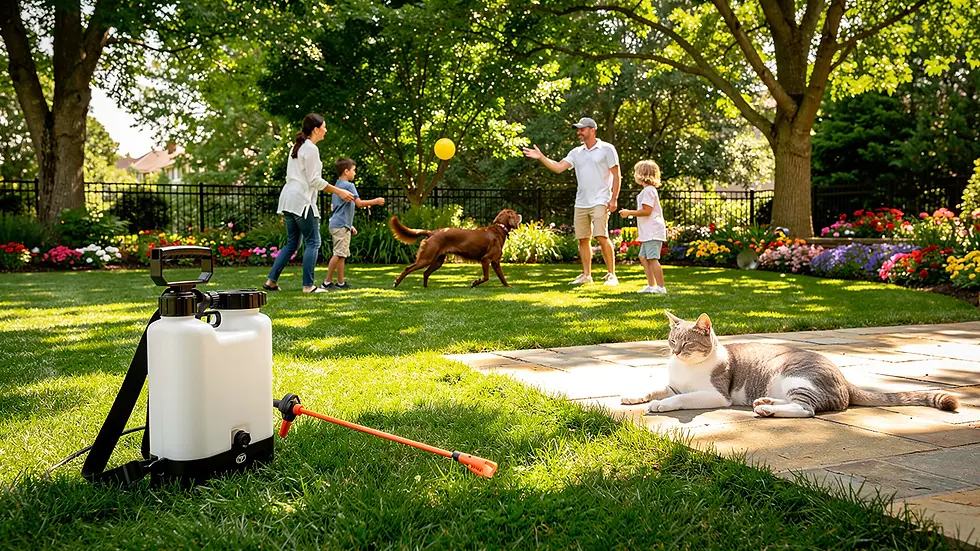
Additionally, it’s vital to keep children and pets away during application. Ensure they are indoors or at a safe distance to avoid exposure. Remember, children under 18 should never apply pesticides, and all products should be stored out of reach or in locked cabinets.
Finally, clean up properly after application. Wash your hands and any exposed skin thoroughly, and dispose of any remaining pesticide according to local regulations to prevent environmental contamination. If your clothing becomes saturated with diluted pesticide, dispose of it in a plastic bag in the garbage outdoors. Familiarize yourself with First Aid information related to pesticide exposure to ensure you’re prepared in case of an emergency.
By following these safety protocols, you can safeguard yourself and your environment while efficiently controlling garden nuisances.

Integrate Insecticides with Lawn Care Strategies
Integrating lawn insecticide into your lawn care routine can feel daunting, especially when faced with the threat of insect infestations. A healthy lawn is your first line of defense. When your grass thrives through proper mowing, watering, and fertilization, it becomes more resilient against pests. Not only does this routine enhance the beauty of your yard, but it also significantly lowers the risk of damage from unwanted insects, making it a wise investment in your outdoor space.
Regularly checking your lawn for signs of insect activity is essential. Early detection can make all the difference, allowing you to apply lawn insecticide promptly and reduce the need for harsher treatments later. This proactive approach not only helps maintain a pest-free environment but also brings peace of mind, knowing you’re staying ahead of potential issues.
Consider implementing cultural controls as well. Practices like crop rotation, proper irrigation, and soil health management can naturally diminish insect populations. These methods strengthen your grass and create an environment that’s less inviting to pests, ultimately leading to a healthier lawn.
Combining lawn insecticide with other management strategies can also be effective. Introducing beneficial insects or using traps alongside your treatments creates a balanced approach to pest control. This not only addresses current nuisances but also helps prevent future invasions, giving you confidence in your lawn care efforts.
Staying informed about the latest pest control techniques and products is crucial. Continuous education empowers homeowners to adapt their strategies to the ever-changing dynamics of insect behavior, ensuring effective management over time.
By merging lawn insecticide with diligent yard maintenance, you can cultivate a healthier, more vibrant green space while effectively managing unwanted pests. Regular lawn care not only beautifies your outdoor areas but also plays a vital role in reducing the risk of diseases carried by pests, such as Lyme disease and West Nile virus. With the right approach, you can enjoy your lawn with peace of mind.

Conclusion
Maintaining a healthy and vibrant lawn can feel overwhelming, especially when faced with pest issues. It’s a common concern for homeowners who want their outdoor spaces to be both beautiful and safe for their families. The good news is that understanding how to use lawn insecticides effectively can make a significant difference. By choosing the right insecticide and applying it thoughtfully, you can tackle these pest problems while also protecting your loved ones and the environment.
Identifying the right type of insecticide - whether it’s contact, systemic, granular, or biopesticides - is crucial. Timing your application can maximize its effectiveness, ensuring that your efforts yield the best results. It’s also important to take safety precautions during application and to integrate insecticides into your overall lawn care routine. This comprehensive approach not only enhances the beauty of your lawn but also helps prevent future infestations. Regular monitoring and proactive measures will further strengthen your pest management strategy, leading to a thriving lawn.
Ultimately, by combining well-timed insecticide applications with safety measures and holistic lawn care practices, you create a strong defense against pests. Embracing these best practices not only protects your lawn but also nurtures a sustainable and enjoyable outdoor environment. Taking action now can pave the way for a pest-free lawn, allowing you to enjoy your outdoor space for years to come.
Frequently Asked Questions
What are the main types of lawn insecticides?
The main types of lawn insecticides include contact insecticides, systemic chemicals, granular insecticides, and biopesticides.
How do contact insecticides work?
Contact insecticides work by eliminating insects upon contact. They are ideal for immediate action when unwanted pests are visible on the lawn.
What is the importance of thorough application with contact insecticides?
Thorough application is crucial because any surface not covered by the insecticide is not toxic to pests, including new shoots and leaves.
What are systemic chemicals and when are they beneficial?
Systemic chemicals are absorbed by the plant and provide extended protection against pests that feed on treated leaves. They are particularly beneficial for ongoing infestations.
Why are granular insecticides effective against soil-dwelling insects?
Granular insecticides are designed for soil application and require watering in to activate, allowing them to penetrate the soil and target pests like grubs effectively.
What are biopesticides and what are their advantages?
Biopesticides are derived from natural materials and are gentler on beneficial insects and the environment. They are a great eco-friendly option for pest management.
How can combining biopesticides with traditional methods enhance pest management?
Combining biopesticides with traditional methods can improve the overall strategy for managing infestations, making pest control more effective.
What common pitfalls should be avoided when using lawn insecticides?
Common pitfalls include applying chemicals during unsuitable weather and ignoring usage instructions, as these can lead to ineffective pest management.
List of Sources
Identify Types of Lawn Insecticides
Contact, systemic and translaminar: How insecticides move in plants (https://canr.msu.edu/news/contact_systemic_and_translaminar_how_insecticides_move_in_plants)
What is the difference between contact vs systemic insecticides? – Hemlock Restoration Initiative (https://savehemlocksnc.org/faq/what-is-the-difference-between-contact-vs-systemic-insecticides)
Lawn Insecticide: 7 Best Insecticides For Lawns & Moths (https://farmonaut.com/blogs/lawn-insecticide-7-best-insecticides-for-lawns-moths-2026)
Syngenta debuts new insecticide after 12 year study (https://farmprogress.com/crop-protection/12-years-3-200-trials-syngenta-unveils-vertento-insecticide-for-2026)
New Syngenta insecticide/miticide lands federal EPA registration (https://golfcourseindustry.com/news/syngenta-atexzo-insecticide-miticide-epa-regulation)
Determine Optimal Application Timing
The Best Time to Treat for Lawn Pests in Florida | Hulett Environmental Services (https://bugs.com/blog/the-best-time-to-treat-for-lawn-pests-in-florida)
Seasonal Pest Control Tips to Keep Your Home Pest-Free All Year (https://fieldworkhq.com/2025/10/31/seasonal-pest-control)
When to Apply Insecticide to Your Lawn for Best Results (https://epmearth.com/blog/when-to-apply-insecticide-to-lawn)
When To Apply Insecticide To Lawn For Effective Pest Control (https://lawnsynergy.com/blogs/lawn-guides/when-to-apply-insecticide-to-lawn?srsltid=AfmBOooYVA7c9aF34mM4v-i6lGnfQcOoAqN16HDw_rjeoaz052qoBL2b)
Implement Safety Precautions for Application
Tips for Using Pesticides Safely | Pests in the Urban Landscape (https://ucanr.edu/blog/pests-urban-landscape/article/tips-using-pesticides-safely)
Lawn and Garden Safety | Illinois Poison Center (https://illinoispoisoncenter.org/health-safety/house-garden-and-garage/garden-and-lawn-safety)
Using Pesticides Safely and Correctly – Pesticide Environmental Stewardship (https://pesticidestewardship.org/homeowner/using-pesticides-safely-and-correctly)
Safety Guide: Pesticide Use For the Lawn and Yard (https://almanac.com/safety-guide-pesticide-use-lawn-and-yard)
Pesticide Safety Tips | US EPA (https://epa.gov/pesticide-incidents/pesticide-safety-tips)
Integrate Insecticides with Lawn Care Strategies
lawnlove.com (https://lawnlove.com/blog/integrated-pest-management-lawn)
Limiting lawn management benefits soil ecosystems | Cornell Chronicle (https://news.cornell.edu/stories/2025/02/limiting-lawn-management-benefits-soil-ecosystems)
6 Reasons Why Lawn Treatment Is Essential to Control Pests - American Southern Exterminating (https://americansouthernexterminating.com/6-reasons-why-lawn-treatment-is-essential-to-control-pests)
Implementing Integrated Pest Management in Lawn Care Operations (https://siteone.com/en/articles/turf-care/pest-management-in-lawn-care)
Changing lawns and lawncare practices for biodiversity and health (https://wnypapers.com/news/article/current/2023/04/24/155162/changing-lawns-and-lawncare-practices-for-biodiversity-and-health)