.png)

4 Types of Grass for Lawn: Choose the Best for Your Home
- Spring Touch Team

- Apr 14
- 8 min read
Updated: 2 days ago
Introduction
Choosing the right type of grass for your lawn is more than just a decision; it’s a crucial step that can greatly influence its beauty and resilience. In places like Southern Minnesota, where the weather can be quite unpredictable, this choice becomes even more significant. Homeowners often find themselves caught between wanting a stunning, lush yard and needing a lawn that can handle the everyday challenges of life.
With options like:
Kentucky Bluegrass
Tall Fescue
Perennial Ryegrass
available, each variety brings its own unique benefits tailored to different needs. But how do you navigate these choices to ensure your lawn not only looks fantastic but also thrives in the local climate?
Kentucky Bluegrass: The Classic Choice for Lush Lawns
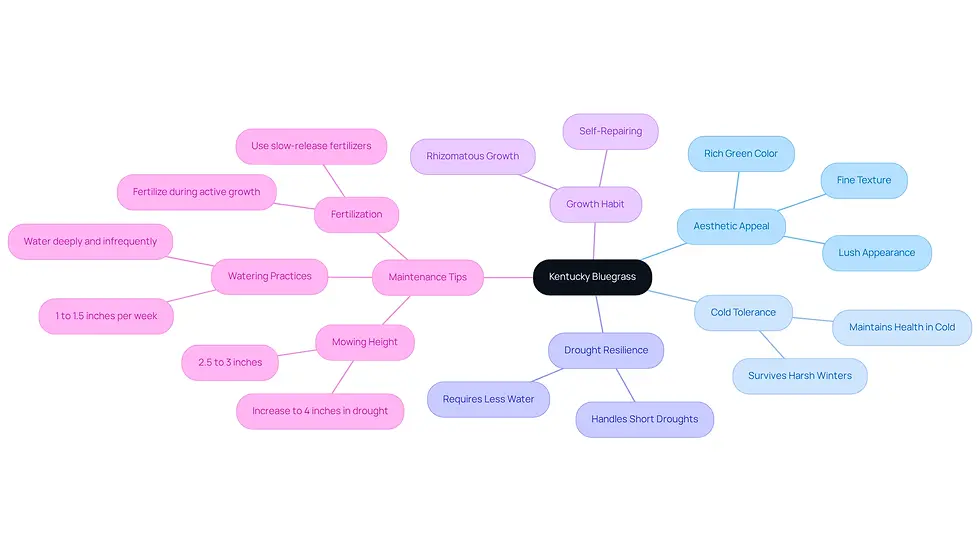
Kentucky Bluegrass (Poa pratensis) is a beloved choice for homeowners, known for its lush, dense appearance and vibrant color. However, maintaining a beautiful lawn in Southern Minnesota can be challenging, especially with the region's cold winters and occasional droughts. This is where Kentucky Bluegrass shines, offering a solution that not only meets aesthetic desires but also thrives in these conditions.
Imagine stepping outside to a stunning lawn that enhances your home's curb appeal. The rich green color and fine texture of Kentucky Bluegrass create just that. It’s not just about looks; this grass type is designed to withstand the rigors of daily life. With its rhizomatous growth habit, Kentucky Bluegrass can quickly recover from wear and tear, making it perfect for high-traffic areas where kids play and pets roam.
One of the standout features of Kentucky Bluegrass is its cold tolerance. It remains healthy even during harsh winters, which is crucial for homeowners in Minnesota. You can rest easy knowing that your lawn will endure the cold, providing a lush landscape year after year. Additionally, while it thrives with consistent moisture, established Kentucky Bluegrass can handle short periods of drought, showcasing its resilience and adaptability.
For optimal growth, planting Kentucky Bluegrass in well-drained, fertile soils is key. Maintaining a mowing height of 2.5 to 3 inches not only promotes healthy growth but also reduces weed competition. This simple practice ensures that your lawn remains vibrant throughout the seasons, giving you peace of mind and a beautiful outdoor space to enjoy.
Tall Fescue: Versatile and Drought-Resistant Grass
Maintaining a vibrant lawn can be a challenge, especially in regions with unpredictable weather like Southern Minnesota. Homeowners often worry about how to keep their yards green during dry spells or scorching summers. This is where Tall Fescue (Festuca arundinacea) comes in as a reliable solution.
Tall Fescue stands out for its remarkable drought resistance. Thanks to its deep roots, it can tap into moisture from deeper soil layers, allowing it to stay green even when the weather turns dry. This means less worry about frequent watering, giving homeowners peace of mind during those hot, dry months.
Moreover, this grass is designed to thrive in warmer temperatures, making it perfect for the fluctuating climate of Southern Minnesota. Its heat tolerance ensures that your landscape remains vibrant, even when the summer sun is relentless.
For busy homeowners, Tall Fescue offers the added benefit of low maintenance. Its coarse texture and robust growth mean you won’t have to mow or water as often, freeing up your time for other activities. Plus, RTF sod requires less water and fewer chemicals than typical varieties, promoting a more sustainable approach to lawn care.
Adaptability is another key feature of Tall Fescue. It performs well in various soil types, from clay to sandy soils, making it a flexible choice for different turf conditions.
To achieve the best results, consider planting Tall Fescue in the fall or spring. A mowing height of 3 to 4 inches is recommended to encourage healthy growth while minimizing weed competition. Additionally, pairing core aeration with overseeding in September or October can help maintain the health of your lawn.
Be mindful of common turf diseases, such as Red Thread and Dollar Spot, which can affect your grass's health. Regular aeration, like the innovative liquid aeration offered by Spring Touch, penetrates deeper into the soil, enhancing soil health and promoting strong grass growth. This ensures your lawn stays vibrant and resilient against disease.

Spring Touch: Expert Lawn Care for Optimal Grass Selection
Choosing the right types of grass for lawn can feel overwhelming, especially when you want a lawn that’s both vibrant and healthy. Many homeowners in Southern Minnesota struggle with this decision, often unsure of where to start. That’s where Spring Touch comes in, bringing over 50 years of experience to guide you through the process with confidence.
Understanding your soil is the first step in making an informed choice. Without knowing the composition of your soil, selecting the right types of grass for lawn can be a risky decision. Spring Touch offers soil testing services that evaluate pH levels and nutrient content, helping you make decisions that are right for your yard.
Once you have the test results, the next challenge is selecting the best types of grass for lawn. Spring Touch takes the guesswork out of this by creating personalized turf care plans tailored to your specific yard requirements. They’ll recommend the ideal types of grass for lawn, whether it’s Kentucky Bluegrass or Tall Fescue, based on your soil and the local climate.
But it doesn’t stop there. Maintaining your lawn is just as important as the initial selection. Spring Touch provides ongoing maintenance services, including fertilization, aeration, and pest control, ensuring that the types of grass for lawn you choose thrive through every season.
With a deep understanding of Southern Minnesota’s unique climate and soil conditions, Spring Touch helps homeowners avoid common yard care mistakes. Their expertise leads to lush, vibrant outdoor spaces that you can be proud of. Trust in their guidance, and you’ll find peace of mind knowing your lawn is in good hands.

Perennial Rye: Fast-Growing Grass for Quick Coverage
If you're a property owner looking to establish a lush lawn quickly, you might find that some types of grass for lawn, such as Perennial Ryegrass (Lolium perenne), are the perfect choice for you. One of the biggest challenges homeowners face is the long wait for grass to grow. Traditional grass types can take 21 to 30 days to germinate, leaving you with bare patches for weeks. But with Perennial Ryegrass, you can expect rapid germination in just 8 to 14 days, allowing you to enjoy a beautiful lawn much sooner.
Not only do the types of grass for lawn germinate quickly, but they also feature a fine leaf texture and a vibrant green color that enhances the overall aesthetic of your yard. Imagine stepping outside to a lush, inviting lawn that makes your home feel even more welcoming.
Another concern for many families is the wear and tear that comes with active lifestyles. Perennial Ryegrass is renowned for its resilience against foot traffic, which makes it one of the top types of grass for lawn for families with kids and pets. You can rest easy knowing that your lawn can withstand everyday use while still looking great.
This grass thrives in cooler temperatures, making it particularly well-suited for the spring and autumn seasons in Southern Minnesota. It’s a dependable choice for residents in the area, ensuring that your lawn remains healthy and vibrant throughout the year.
For the best results to enhance both resilience and visual appeal. Maintaining a mowing height of 2 to 3 inches will encourage healthy growth and help keep weeds at bay.
However, it’s important to stay vigilant about turf diseases that can affect grass health, such as Red Thread and Dollar Spot.
Red Thread manifests as red or pink threads in circular patches.
Dollar Spot appears as light, bleached patches.
But don’t worry-implementing Spring Touch's organic turf care applications, including proper fertilization and aeration, can help prevent these issues. Our innovative liquid aeration service penetrates deeper into the soil, promoting better root growth and overall vitality of your grass without the mess of traditional methods.
By choosing the right types of grass for lawn and maintaining your lawn's health, you can look forward to a greener, healthier lawn all season long.

Conclusion
Choosing the right type of grass for your lawn can feel overwhelming, but it’s a crucial step toward creating an inviting and resilient outdoor space. Kentucky Bluegrass, Tall Fescue, and Perennial Ryegrass each bring unique benefits tailored to different homeowner needs and regional climates. By understanding the characteristics and care requirements of these grass types, you can cultivate a vibrant lawn that not only enhances your property’s appeal but also withstands the challenges posed by changing weather conditions.
Let’s explore the strengths of each grass type.
Kentucky Bluegrass stands out for its lush appearance and cold tolerance, making it a favorite for many.
Tall Fescue shines with its drought resistance and low maintenance needs, perfect for those who want a beautiful lawn without the hassle.
Meanwhile, Perennial Ryegrass is known for its rapid germination and durability against foot traffic, ensuring your lawn remains resilient.
Additionally, expert services like Spring Touch can guide you through soil testing and personalized turf care plans, reinforcing the importance of informed grass selection and ongoing maintenance.
Ultimately, selecting the best grass type goes beyond just aesthetics; it’s about creating a sustainable and enjoyable outdoor environment. By considering factors such as climate, soil conditions, and how you plan to use your lawn, you can make educated decisions that lead to a thriving lawn. Embrace this opportunity to enhance your home’s landscape and enjoy the many benefits of a well-cared-for lawn that truly stands out throughout the seasons.
Frequently Asked Questions
What is Kentucky Bluegrass?
Kentucky Bluegrass (Poa pratensis) is a popular grass type known for its lush, dense appearance and vibrant green color, making it a favorite choice for homeowners.
Why is Kentucky Bluegrass suitable for Southern Minnesota?
Kentucky Bluegrass is well-suited for Southern Minnesota due to its cold tolerance, allowing it to remain healthy during harsh winters, and its ability to withstand occasional droughts.
What are the aesthetic benefits of Kentucky Bluegrass?
Kentucky Bluegrass enhances curb appeal with its rich green color and fine texture, creating a stunning lawn that improves the overall appearance of a home.
How does Kentucky Bluegrass recover from wear and tear?
Kentucky Bluegrass has a rhizomatous growth habit, which allows it to quickly recover from damage, making it ideal for high-traffic areas where kids play and pets roam.
What kind of soil is best for planting Kentucky Bluegrass?
Kentucky Bluegrass thrives in well-drained, fertile soils, which are essential for optimal growth.
What mowing height is recommended for Kentucky Bluegrass?
Maintaining a mowing height of 2.5 to 3 inches is recommended to promote healthy growth and reduce weed competition.
How does Kentucky Bluegrass handle drought conditions?
While Kentucky Bluegrass thrives with consistent moisture, established grass can handle short periods of drought, demonstrating its resilience and adaptability.
List of Sources
Kentucky Bluegrass: The Classic Choice for Lush Lawns
Why Choose Kentucky Bluegrass? - Manderley Sod (https://manderley.com/why-choose-kentucky-bluegrass-2)
Colorado drought changes how you need to water, fertilize your lawn (https://coloradoan.com/story/news/local/2026/03/28/lawn-care-tips-for-a-healthy-yard-during-colorado-drought/89319104007)
anokamastergardeners.org (https://anokamastergardeners.org/gardening-articles/kentucky-bluegrass-spring-lawn-care)
turf.umn.edu (https://turf.umn.edu/news/roundup-ready-kentucky-bluegrass-benefits-and-risks)
The State of U.S. Lawns Report | Golf Course Lawn Store (https://golfcourselawn.store/pages/the-state-of-u-s-lawns-survey-analysis-2025?srsltid=AfmBOopS1WFiED1upqfnQBqohJbtn1sDL0wg4DqOOwr0muJ1IxhvR6FM)
Tall Fescue: Versatile and Drought-Resistant Grass
OSU study highlights benefit of reduced watering for tall fescue (https://extension.oregonstate.edu/impact/osu-study-highlights-benefit-reduced-watering-tall-fescue)
Tall Fescue Sod Guide: Why Everyone Chooses RTF Sod (https://barusa.com/turf/challenges-solutions/tall-fescue-sod-guide-why-homeowners-landscapers-and-lawn-pros-choose-rtf)
Irrigation rates and frequency affect tall fescue color and weed encroachment (https://onlinelibrary.wiley.com/doi/full/10.1002/its2.184)
February Tall Fescue Lawn Tips | Winter Lawn Care (https://info.supersod.com/lawn-care/february_tall_fescue_lawn_tips)
Spring Touch: Expert Lawn Care for Optimal Grass Selection
Case Studies: Scott's Lawn Care - Bullseye Media (https://bmediallc.com/results/scotts-lawn-care)
The Benefits of Soil Testing for a Healthier Lawn | Portage Turf & Pest Blog (https://portageturf.com/blog/soil-tests-for-lawns-essential-insights-for-a-healthier-yard)
9 Reasons Why Soil Testing Is Important for the Lawn (https://lawnstarter.com/blog/lawn-care-2/why-soil-testing-is-important-for-lawn)
lawn.pro (https://lawn.pro/case-studies)
Six Famous Grass Quotes | The Grass Outlet | Texas (https://thegrassoutlet.com/famous-grass-quotes?srsltid=AfmBOorueUU7qEkr-JkYVs0bB-iFGkwPLxK8xPq_hwWFcR2kh4KTew_A)
Perennial Rye: Fast-Growing Grass for Quick Coverage
Perennial Ryegrass: 3 Ultimate Steps For Amazing Growth In 2026 (https://thehouseinside.com/product-review/perennial-ryegrass-review)
8 Fast-Growing Grass Seeds Lawn Pros Swear By for a Lush, Green Lawn That Fills In Quickly This Spring (https://shopping.yahoo.com/home-garden/gardening/articles/8-fast-growing-grass-seeds-134000981.html)
NEWS: Introducing Duo Pro™ | Perennial/Annual Ryegrass Mixture (https://barusa.com/company/news/news-introducing-duo-pro-perennialannual-ryegrass-mixture)
Setting Up For Spring Seeding Success (https://us.dlf.com/news-insight/news-2026/march/setting-up-for-spring-seeding-success)
Germination Responses of Ryegrass (Annual vs. Perennial) Seed to the Interactive Effects of Temperature and Salt-Alkali Stress - PMC (https://pmc.ncbi.nlm.nih.gov/articles/PMC6189637)


