.png)
5 Steps to Effectively Stop Wasps from Invading Your Home
- Spring Touch Team

- 19 hours ago
- 9 min read
Introduction
Many homeowners dread the thought of wasps invading their outdoor spaces, fearing painful stings and disrupted gatherings. This guide will share five effective steps to help you prevent wasps from invading your home, offering practical strategies that not only enhance safety but also promote a more pleasant outdoor experience. By implementing these strategies, you can reclaim your outdoor spaces and enjoy peace of mind, knowing you’ve taken the right steps to keep wasps at bay.
Identify Common Wasp Species
Many people fear wasps due to their aggressive behavior and the risk of painful stings, especially during outdoor activities. To feel more secure, it’s essential to understand the common wasp species in your area. The most prevalent types include:
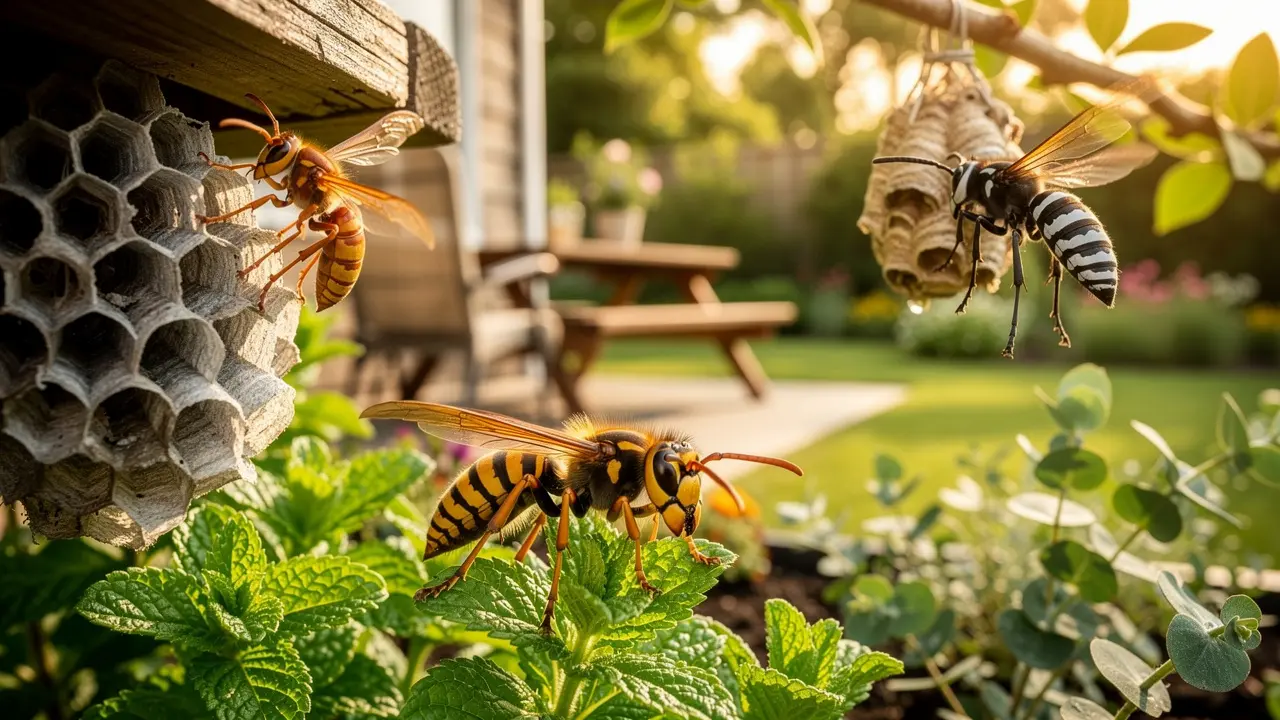
Yellowjackets: Recognizable by their striking black and yellow stripes, these wasps can be aggressive and often nest in the ground or within wall cavities. Their colonies can peak at around 5,000 individuals during late summer, with structures containing about 100 to 400 workers at peak population. As summer fades, yellowjackets can become more aggressive around food, which can be concerning for those enjoying outdoor meals.
Paper Wasps: Identified by their slender bodies and unique umbrella-shaped structures, which are usually located under eaves or in protected areas. While they are generally less aggressive than yellowjackets, they can sting if provoked, so it’s wise to keep your distance.
Bald-Faced Hornets: A kind of yellowjacket, these insects are larger and recognized for their aerial nests. They are highly territorial and can be very aggressive, especially when their nests are disturbed.
To identify these species, pay attention to their size, color patterns, and nesting locations. Utilizing a field guide or reputable online resources can aid in confirming your identification. Understanding which species you are dealing with is crucial for determining how to stop wasps with the most effective prevention and control strategies. Without proper identification and management, you risk not only painful stings but also potential allergic reactions that could be life-threatening. Taking the time to understand these insects can make all the difference in ensuring your safety and peace of mind during the warmer months. Reaching out to pest control experts can offer you peace of mind and tailored strategies on how to stop wasps effectively.

Remove Attractants from Your Property
Stinging insects can quickly turn a pleasant outdoor gathering into a stressful experience. To effectively discourage these insects, it’s crucial to understand how to stop wasps by removing potential food sources around your home. Here are some simple strategies you can use to keep these insects at bay:
Secure Trash Bins: Make sure all garbage cans are tightly sealed. Wasps are particularly attracted to food scraps, especially sugary substances, which can draw them to your property.
Clean Up Outdoor Areas: Regularly maintain patios, decks, and picnic areas to remove food debris. Pay special attention to fallen fruit from trees, as this can be a significant attractant for stinging insects.
Store Pet Food Properly: Keep pet food indoors or in sealed containers to prevent attracting stinging insects, as their scent can lure these creatures.
Avoid Leaving Drinks Unattended: Cover beverages when outside, as insects are attracted to sugary drinks, which can lead to undesirable interactions.
Rinse Recyclables: Clean out containers before placing them in recycling bins to eliminate any residual food or drink that could attract insects.
Utilize Natural Repellents: Consider using essential oils such as peppermint and clove, which can drive away these insects when combined with water and applied around your residence.
Hang Decoy Homes: Since these insects are territorial, suspending brown paper bags shaped like their habitats can discourage them from settling close by.
Professional Treatments: Early spring applications of professional treatments can create a protective barrier against these insects before they become active.
Regular Monitoring: Keep an eye on your property throughout the insect season for early detection of new nests.
Without taking action, you risk an unwelcome invasion that disrupts your peace. By learning how to stop wasps, you can take these steps to protect your space and ensure you enjoy your outdoor moments without worry.

Seal Entry Points and Nesting Areas
Stinging insects can invade your home, causing discomfort and potential harm to your family. Here’s how to effectively secure your space:
Start by inspecting your home: Take a moment to check for cracks and gaps around windows, doors, vents, and eaves. Insects can enter through openings as small as 1/4 inch, so pay special attention to areas where utilities enter the home, as these are common entry points for these pests.
Consider filling small cracks: Use caulk or a suitable sealant to keep your home safe. For larger gaps, think about using foam insulation or steel wool, which can effectively prevent insects from entering.
Installing fine mesh screens: On your windows and vents can help keep these pests out while allowing fresh air in, creating a barrier against such insects.
If you come across old hives: Gently remove them in the evening when the insects are less active, wearing protective clothing for safety. Use a long-handled tool to minimize the risk of stings.
Regularly maintaining your yard: Trimming back overgrown vegetation and removing debris can make your home less appealing to stinging insects, decreasing possible nesting locations.
A California family reported a 70% decrease in stinging insect activity after sealing all vents, cracks, and doors along with professional inspection, demonstrating the effectiveness of these methods. By taking these proactive steps, you can create a safer, more comfortable home for your family, free from the threat of stinging insects. Routine evaluations, particularly in late spring and summer when insect activity peaks, are essential for effective prevention.

Utilize Natural Wasp Deterrents
Many homeowners dread the arrival of hornets, knowing they can disrupt outdoor activities and pose a threat to safety. Natural deterrents can effectively repel these insects without harmful chemicals. Here are some options:
Essential Oils: Studies show that many essential oils, like peppermint and clove, can effectively deter hornets with their strong scents. Mixing a few drops with water in a spray bottle makes for a reliable choice for homeowners looking to keep these pests away.
Vinegar Solution: Spraying a mixture of equal parts vinegar and water around nesting areas can help keep these insects away, thanks to the acetic acid in vinegar that repels them.
Plant Repellents: Imagine a garden filled with fragrant plants like mint and eucalyptus that not only smell great but also keep wasps at bay. Planting these around your home can improve your garden's scent while deterring pests.
Soap and Water: Mixing dish soap with water creates a simple spray that can help you tackle those pesky insects directly. This combination can be sprayed on the insects or their homes, obstructing their breathing pores and neutralizing them.
Decoy Structures: Suspend decoy structures crafted from brown paper bags in locations where hornets are troublesome. Wasps are territorial beings, and the existence of a decoy dwelling may deter them from building a home nearby.
Furthermore, applying preventive strategies like sealing gaps in siding, covering food outside, and promptly cleaning up sugary spills can help in understanding how to stop wasps from being attracted. If these natural methods don’t work, don’t hesitate to reach out to a professional pest control service for safe removal. By combining these natural deterrents with preventive strategies, you can create a safer outdoor space for your family and enjoy your time outside without worry.

Implement Traps and Decoys
Dealing with hornets can be a daunting challenge, but knowing how to stop wasps can help you manage their populations and protect your home. Here’s how you can take control:
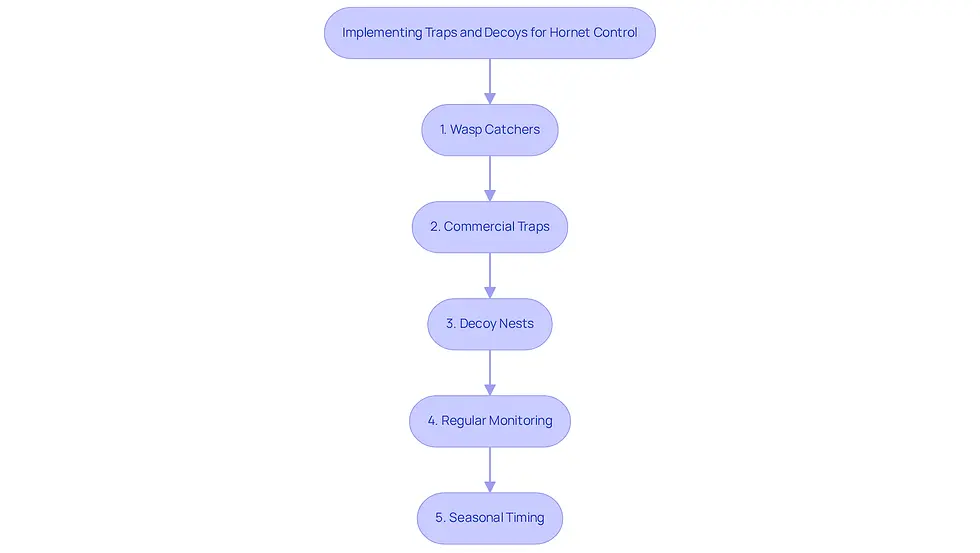
Wasp Catchers: You can buy or even make your own wasp catchers using a simple mixture of sugar water, vinegar, and dish soap. Place these devices away from busy areas to draw the insects away from your home. Research shows that sugar-based lures work particularly well in spring when hornets are most active.
Commercial Traps: Consider using traps you can find at the store that are designed to attract and capture these pests. Make sure to follow the instructions that come with them to get the best results. Pest control expert Karen Jesse emphasizes, "The safest and smartest course of action is to call in a stinging insect specialist to safely remove the stinging insect colony from your property." This highlights the importance of professional guidance in managing these pests.
Decoy Nests: Hanging decoy nests around your property can help discourage hornets. You can make these from brown paper bags or buy them from garden centers. Just ensure they’re placed in visible spots, as hornets tend to avoid areas marked by other colonies.
Regular Monitoring: It’s important to check your devices regularly and dispose of any captured insects. Refill the bait as needed to keep them effective. Remember, while these devices can help, they might also attract unwanted pests, making your efforts more challenging.
Seasonal Timing: Place your devices in early spring before hornets become active. This proactive strategy can help capture queens and prevent nests from forming, significantly reducing the overall insect population. A study found that traps set early in the season can capture a significant percentage of target species, making early intervention a key strategy.
By taking these proactive steps on how to stop wasps, you can create a safer outdoor space, allowing you to enjoy your home without the worry of stings.
Conclusion
Wasps can turn a peaceful outdoor gathering into a stressful experience, but there are effective ways to keep them at bay. Understanding how to effectively stop wasps from invading your home is essential for maintaining a safe and enjoyable outdoor environment. Homeowners can significantly reduce the risk of wasp encounters by:
Identifying common species
Removing attractants
Sealing entry points
Using natural deterrents, traps, and decoys
Each of these steps plays a crucial role in creating a barrier against these stinging insects, ensuring peace of mind during outdoor activities.
Key strategies discussed include:
The importance of securing trash bins
Cleaning outdoor areas
Using natural repellents like essential oils
Additionally, sealing cracks and gaps around the home, along with regular monitoring for nests, can prevent wasps from establishing themselves in your living space. The combination of these proactive measures not only protects your home but also enhances your outdoor experience, allowing you to enjoy the beauty of southern Minnesota without the fear of stings.
Taking control now means you can enjoy your outdoor spaces without the worry of unwelcome guests. By implementing these effective methods, homeowners can reclaim their outdoor spaces and enjoy gatherings with family and friends. For those seeking professional assistance, Spring Touch Lawn & Pest Control offers tailored solutions to ensure your home remains a wasp-free zone. Don’t wait for the wasps to invade - take control today and create a safer, more enjoyable environment for everyone.
Frequently Asked Questions
What are the common species of wasps found in southern Minnesota?
The common species of wasps include Yellowjackets, Paper Wasps, and Bald-Faced Hornets. Yellowjackets are aggressive and nest in the ground or wall cavities, while Paper Wasps have slender bodies and umbrella-shaped nests. Bald-Faced Hornets are larger, territorial, and build aerial nests.
How can I identify Yellowjackets?
Yellowjackets are recognizable by their black and yellow stripes. They can be aggressive and their colonies can peak at around 5,000 individuals during late summer, often nesting in the ground or within wall cavities.
What are the characteristics of Paper Wasps?
Paper Wasps have slender bodies and create unique umbrella-shaped nests, typically found under eaves or in protected areas. They are generally less aggressive than Yellowjackets but can sting if provoked.
What should I know about Bald-Faced Hornets?
Bald-Faced Hornets are a type of yellowjacket that is larger and known for their aerial nests. They are highly territorial and can be very aggressive, especially if their nests are disturbed.
How can I prevent wasps from being attracted to my property?
To prevent wasps, secure trash bins, clean outdoor areas, store pet food properly, avoid leaving drinks unattended, rinse recyclables, use natural repellents like peppermint and clove oils, hang decoy homes, and consider professional treatments in early spring.
Why is it important to remove attractants from my property?
Removing attractants is crucial because it helps discourage wasps from invading your space, ensuring a more pleasant outdoor experience and reducing the risk of painful stings or allergic reactions.
What are some natural repellents I can use against wasps?
Natural repellents include essential oils such as peppermint and clove, which can be mixed with water and applied around your residence to help drive away wasps.
How can I monitor for wasp nests on my property?
Regularly inspect your property throughout the insect season for early detection of new nests, which can help you take action before they become a larger problem.
List of Sources
Identify Common Wasp Species
Bees & Wasps (https://massaudubon.org/nature-wildlife/insects-arachnids/bees-wasps)
Bees and Wasps (https://dph.illinois.gov/topics-services/environmental-health-protection/structural-pest-control/bees-wasps.html)
Social Wasps: Yellowjackets, Hornets, and Paper Wasps (https://extension.umd.edu/resource/social-wasps-yellowjackets-hornets-and-paper-wasps)
Wasps and bees (https://extension.umn.edu/yard-and-garden-insects/wasps-and-bees)
Remove Attractants from Your Property
How To Keep Wasps Off Your Porch All Season Long (https://southernliving.com/how-to-keep-wasps-off-your-porch-11933963?srsltid=AfmBOopzOIBQ-At4drWs7LfxMrgysS4U5sHxqiHBzD3D9k0ER_0zSkI8)
Keep Wasps Away: Expert Prevention Tips That Actually Work (https://townandcountrysolutions.com/keep-wasps-away-expert-prevention-tips-that-actually-work)
4 Steps to Keep Wasps Away from Your Home This Summer (https://springtouchlawn.com/post/4-steps-to-keep-wasps-away-from-your-home-this-summer)
Wasp Prevention: How to Keep Wasps Away (https://mosquitojoe.com/blog/how-to-keep-wasps-away)
Enhanced Trapping of Yellowjacket Wasps (Hymenoptera: Vespidae) via Spatial Partitioning of Attractants - PMC (https://pmc.ncbi.nlm.nih.gov/articles/PMC5371945)
Seal Entry Points and Nesting Areas
4 Steps to Keep Wasps Away from Your Home This Summer (https://springtouchlawn.com/post/4-steps-to-keep-wasps-away-from-your-home-this-summer)
Sealing Home Against Wasps | A 2025 Prevention Guide (https://greenpestmanagementct.com/sealing-home-against-wasps-2025)
Discover Our Top Tips to Prevent Wasp Infestations | Blog (https://vergo.uk/news/top-tips-to-prevent-a-wasp-infestation)
How to Prevent Wasp Nests | Stop Wasps Nesting | Florida Pest Control (https://flapest.com/how-to-prevent-wasp-nests)
Tips to Keep Wasps Away (https://azpest.com/bug-blog/tips-to-keep-wasps-away)
Utilize Natural Wasp Deterrents
Natural Solutions for Keeping Wasps and Yellow Jackets Away | The School of Aromatic Studies (https://aromaticstudies.com/natural-solutions-for-keeping-wasps-and-yellow-jackets-away)
How to Use Vinegar to Repel Wasps From Your Yard (https://backyardboss.net/use-vinegar-to-repel-wasps)
Natural Ways to Get Rid of Wasps: Safe & Effective DIY Repellents | Tactical Pest Services (https://tacticalpestservices.com/natural-ways-to-get-rid-of-wasps-safe-effective-diy-repellents)
Essential oils and their compositions as spatial repellents for pestiferous social wasps - PubMed (https://pubmed.ncbi.nlm.nih.gov/23081867)
Implement Traps and Decoys
WASP TRAPS: WE MUST PLACE THEM IN SPRING | Tap Trap (https://taptrap.com/en/wasp-traps-we-must-place-them-spring)
Effectiveness and Selectiveness of Traps and Baits for Catching the Invasive Hornet Vespa velutina - PMC (https://pmc.ncbi.nlm.nih.gov/articles/PMC7602873)
Do Wasp Traps Work? | ABC Humane Wildlife Control and Prevention (https://abcwildlife.com/blog/do-wasp-traps-work)
Commercial Trap for Wasps, Hornets and Yellow Jackets "Baited" with USDA Technology : USDA ARS (https://ars.usda.gov/news-events/news/research-news/2010/commercial-trap-for-wasps-hornets-and-yellow-jackets-baited-with-usda-technology)


