.png)

10 Signs of Grubs on Your Lawn Every Homeowner Should Know
- Spring Touch Team

- Jun 1
- 11 min read
Updated: 4 hours ago
Introduction
Homeowners often find it challenging to assess the health of their lawns, especially when subtle signs of trouble emerge beneath the surface. Among the most insidious threats are grubs, the larvae of beetles that can wreak havoc below, leading to unsightly brown patches and wilting grass. This article delves into ten critical indicators that reveal the presence of grubs in lawns, empowering homeowners with the knowledge to take proactive measures. Recognizing these signs early can make all the difference in preserving the beauty and vitality of your outdoor spaces.
Identify Brown Patches in Your Lawn
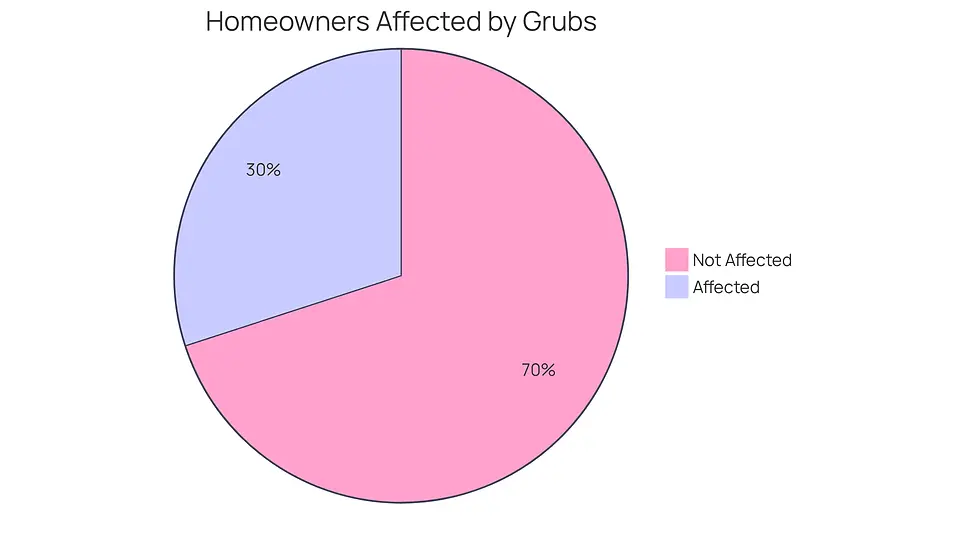
Brown spots in your lawn can be concerning, especially when they appear unexpectedly, hinting at potential pest issues that need your attention. These irregular brown patches often indicate signs of grubs on lawn, suggesting that pests, like the larvae of beetles, are feeding on the roots of your grass. Notice if the brown spots have uneven shapes; this often points to where insects are feeding more heavily. It’s important to catch these issues early, as pests can cause noticeable damage in just a few days if left unchecked. In fact, research shows that around 30% of homeowners face brown patches caused by insects, highlighting the importance of keeping a close eye on your lawn.
To verify insect activity, look for signs of grubs on lawn, such as animals digging in the turf, which can indicate the presence of these pests. You can use treatments like carbaryl and trichlorfon to tackle those pesky grubs that are munching on your grass. Additionally, remember to irrigate the grass promptly after applying insecticides to ensure they work effectively. Taking swift action not only protects your lawn but also restores its beauty, giving you peace of mind.
Check for Spongy or Loose Grass
Noticing a spongy lawn can be concerning, and it often signals an underlying issue that needs attention. When the turf lifts easily from the soil, it might indicate an insect infestation. Grubs can weaken the plant and lead to more serious issues if not addressed. Many homeowners report spongy turf as a key indicator, which is one of the signs of grubs on lawn, often accompanied by irregular brown patches.
To check, simply press down on the ground gently; if it feels soft and bouncy, you'll want to take a closer look. You can inspect for loose grass by cutting a one-foot square patch and examining the soil for C-shaped, white larvae. Additionally, seeing more creatures like raccoons, skunks, and birds may suggest a larva infestation, as these animals tend to consume larvae.
Routine examinations are essential; checking your yard at least once a month for signs of grubs on lawn can help you avoid more extensive repairs later on. If you notice concerning symptoms, it’s wise to reach out to professionals.
At Spring Touch, our seasonal yard care applications, including organic-based fertilizers and targeted treatments, are designed to restore nutrients and manage pest populations effectively, ensuring a healthy, beautiful landscape throughout the year.
Observe Increased Animal Activity
Noticing unexpected visitors like raccoons or skunks in your yard can be concerning, especially when they start digging around. These animals are often drawn to larvae, which can indicate a deeper issue. If left unchecked, these animals can wreak havoc on your lawn, leaving you with unsightly patches and a struggle to restore its beauty.
This year, the mild winters have allowed insect populations to thrive, creating challenges that many homeowners are now facing. The digging can lead to dead patches and thinning grass, making it crucial to investigate the underlying cause. If you spot increased animal activity, it’s a good idea to grab a shovel or trowel and take a closer look at your yard for any signs of larvae. Recognizing these signs early can help mitigate damage and maintain the health of your outdoor space.
We understand how important it is to keep your yard healthy, which is why we focus on integrated pest management in our seasonal yard care strategy. By taking proactive steps now, you can ensure your yard remains a thriving, inviting space for you and your loved ones.

Spot Actual Grubs in the Soil
When it comes to your yard, the last thing you want is to discover unwelcome guests lurking beneath the surface. To verify signs of grubs on lawn, homeowners should excavate a small area of their yard, typically about one foot square. Look for signs of grubs on lawn, which include C-shaped, white larvae that are approximately one inch long and typically found just beneath the soil surface. Discovering several larvae in this area can be alarming, but addressing it promptly can help restore your lawn's health.
Routine evaluations, particularly in late summer when larvae are most active, can assist in identifying infestations early, avoiding significant harm to the lawn. On average, the presence of signs of grubs on lawn, such as finding more than five grubs per square foot, suggests that treatment may be necessary to protect the health of your turf. Taking proactive steps now can ensure your lawn remains healthy and vibrant, giving you peace of mind for the seasons to come.

Recognize Damage Timing: Late Summer to Fall
As summer fades into autumn, many homeowners find themselves facing the challenge of dealing with signs of grubs on lawn that are damaging their lawns. You might start to see signs of grubs on lawn, which manifest as brown patches and wilting grass, and while this can be concerning, there are steps you can take to address the issue.
By recognizing this important time, you can take proactive steps, like applying treatments to prevent larvae from taking hold. Using targeted treatments during mid-to-late summer can help keep larvae at bay, protecting your lawn from damage.
Keeping your grass healthy with proper mowing and fertilization not only strengthens it but also helps it resist pests. Watching for adult beetles can give you clues about potential larval problems, allowing you to act quickly if needed.
Taking these steps not only safeguards your lawn but also brings peace of mind, knowing you’re nurturing a healthy outdoor space for your family to enjoy.

Notice Wilting Grass Despite Proper Watering
You might feel frustrated watching your lawn struggle, even when you’re doing everything right. If your lawn is wilting despite regular watering, it may be suffering from root damage caused by grubs. These C-shaped larvae consume root systems, making it hard for your grass to absorb the water it needs. As a result, even when the soil is moist, your grass can still look drought-stressed.
Look for signs of grubs on lawn, like patchy areas that lift easily from the soil; these could be clues that grubs are at work. It’s common to mistake wilting grass for drought stress, but grubs could be the real culprit. Early detection is essential; identifying pest damage swiftly can save you from the stress of costly repairs later on.
By taking these simple steps, you can protect your yard and keep it thriving. At Spring Touch, we understand the challenges homeowners face with yard maintenance. With over 1,320 five-star reviews and more than 50 years of experience, we provide seasonal treatment solutions, including targeted grub control and dandelion management.
Our commitment to customer satisfaction ensures you receive expert care tailored to your yard's needs. Plus, as a new customer, you can enjoy your first application for free when you sign up for our complete lawn care programs, along with a 5% discount when you prepay for services.
With our expert care, you can reclaim your lawn and enjoy a vibrant outdoor space once again.

Identify Irregular Patches of Dead Grass
You might notice uneven patches of dead grass appearing, which can be a sign of larvae feeding on your lawn's roots. If you don’t act quickly, those small patches can quickly spread, turning your once vibrant lawn into a patchy mess. It's important to stay vigilant, as these pests can cause your grass to wilt and dry out, leaving your yard looking unhealthy.
Look for signs of grubs on lawn, including:
Uneven brown spots
Increased activity from animals like raccoons or skunks, which may indicate they’re searching for larvae
If you notice any signs of grubs on lawn, it’s essential to take action and investigate further to protect your lawn. By keeping a close eye on your lawn during peak insect seasons, you can catch infestations early and take steps to reduce their numbers effectively.
Treating your lawn in early summer, when larvae are most active, can save your grass from serious damage. Make sure your garden is well-fertilized; a healthy yard can better withstand insect damage and fight back against these pests. Consider using organic fertilizers that nourish your grass and help prevent crabgrass and pests.
With the right care and attention, you can reclaim your lawn and enjoy a lush, thriving landscape that brings you peace of mind.

Perform a Tug Test on Your Grass
Many homeowners find themselves anxious about the health of their lawns, particularly when they see signs of grubs on lawn that could indicate potential damage. To conduct a tug test, grasp a handful of vegetation and gently pull. When you gently pull on the turf and it lifts easily, it could indicate signs of grubs on lawn that are damaging the roots, which might lead to your yard's health suffering. Healthy turf should remain firmly rooted in the soil, showcasing a robust root system. This simple test can really help you check on the health of your grass and see if you need to look deeper.
A lot of homeowners find this method helpful for spotting grubs, giving them quick insight into how their grass is doing. It's important to catch the signs of grubs on lawn early to maintain a healthy yard and prevent bigger problems later. Taking action now can make all the difference in ensuring your yard thrives for years to come.

Look for Beetles or Moths at Dusk
As dusk falls, the fluttering of adult beetles or moths in your yard can be more than just a sight; it’s a signal that deserves your attention. These insects signal that larvae may be developing in your yard, as they often lay their eggs in the soil. If you notice more of these pests, it’s a good idea to check your yard for any signs of grubs on lawn. Many homeowners have observed these mature insects, highlighting their role in predicting pest infestations. By keeping an eye out for these signs, you can take steps to protect your yard and enjoy peace of mind.

Consult Spring Touch for Professional Grub Assessment
Pest invasions can quickly turn your peaceful yard into a source of stress. If you suspect signs of grubs on lawn, consulting with Spring Touch can provide a thorough evaluation of your yard. Their team knows the local conditions well and offers tailored solutions, like specialized bait treatments, to tackle pest issues effectively.
Expert assessments help prevent further harm and are crucial for restoring your garden's health. In fact, nearly half of property owners seek assistance from care specialists for pest problems, recognizing the value of professional advice.
Spring Touch has successfully implemented treatments that have led to visible improvements in grass health, such as thicker blades and fewer brown patches. This showcases their commitment to quality service and customer satisfaction.
One happy customer shared, 'For over 50 years, Spring Touch has helped us address signs of grubs on lawn issues, keeping our yard beautiful and pest-free.'
Plus, new customers can take advantage of a free initial application when signing up for their complete lawn care programs. By choosing Spring Touch, you’re not just investing in your lawn; you’re ensuring a healthier, more vibrant outdoor space for years to come.
Conclusion
Noticing the signs of grubs in your lawn can feel overwhelming, but it’s a crucial step toward keeping your outdoor space healthy and beautiful. It's important to keep an eye out for the early signs of grubs, like brown patches and spongy grass. These indicators can help you catch infestations before they escalate. Recognizing these signs and acting quickly can help you protect your lawn from serious harm and restore its vibrancy.
As we’ve explored, understanding your lawn’s needs is key to its health. Regular inspections and timely treatments are essential. Consulting with experts like Spring Touch can provide you with tailored solutions that prioritize your lawn's well-being.
Ultimately, when you take proactive steps against grubs, you’re not just protecting your lawn; you’re creating a serene space for your family and wildlife to enjoy. By staying informed and taking action, you can cultivate a lush, thriving landscape that brings peace of mind and satisfaction.
Frequently Asked Questions
What do brown patches in my lawn indicate?
Brown patches in your lawn often indicate potential pest issues, particularly the presence of grubs, which are larvae of beetles feeding on the roots of your grass.
How can I identify if grubs are causing brown patches in my lawn?
Look for unevenly shaped brown spots, signs of animals digging in the turf, and consider inspecting the soil for C-shaped, white larvae. These signs suggest an insect infestation.
What treatments can I use to address grubs in my lawn?
Treatments like carbaryl and trichlorfon can be used to tackle grubs. It's important to irrigate the grass promptly after applying insecticides for effective results.
What does a spongy or loose lawn indicate?
A spongy lawn often signals an insect infestation, particularly grubs, which can weaken the grass and lead to more serious issues if not addressed.
How can I check for spongy grass in my lawn?
Press down gently on the ground; if it feels soft and bouncy, you may have a problem. Additionally, you can cut a one-foot square patch to inspect for larvae in the soil.
What should I do if I notice increased animal activity in my yard?
Increased animal activity, such as raccoons or skunks digging around, can indicate a larvae infestation. It's advisable to investigate your yard for signs of larvae to mitigate potential damage.
How often should I check my lawn for signs of grubs?
Routine examinations at least once a month are essential to catch any signs of grubs early and avoid extensive repairs later on.
What services does Spring Touch offer for lawn care?
Spring Touch offers seasonal yard care applications, including organic-based fertilizers and targeted treatments, designed to restore nutrients and manage pest populations effectively.
List of Sources
Identify Brown Patches in Your Lawn Signs of Grubs on Your Lawn: How To Spot and Stop the Damage Early (https://senske.com/blog/signs-of-grubs-on-your-lawn) How to choose and when to apply grub control products for your lawn (https://canr.msu.edu/news/how_to_choose_and_when_to_apply_grub_control_products_for_your_lawn) seascapeinc.com (https://seascapeinc.com/healthy-lawns-with-dr-jim/lawn-turning-brown-this-fall-how-to-tell-if-grubs-are-to-blame) 3 Signs You May Have Grubs in Your Lawn | TruGreen (https://trugreen.com/lawn-care-101/blog/lawn-care-tips/signs-of-lawn-grubs) thelawncarenut.com (https://thelawncarenut.com/blogs/news/fall-brown-spots-could-it-be-grubs?srsltid=AfmBOoq27Pn3twzU__8i3nsVa5HtxE-HzcaT0DljgPnT-AtAae61MF-i)
Check for Spongy or Loose Grass hoffmanslawncare.com (https://hoffmanslawncare.com/blog/if-youre-noticing-these-signs-you-might-be-dealing-with-a-grub-infestation) fairwaylawns.com (https://fairwaylawns.com/identifying-and-treating-grub-infestations-in-lawns) luvalawn.com (https://luvalawn.com/how-to-identify-treat-and-prevent-lawn-grubs) franklin.ces.ncsu.edu (https://franklin.ces.ncsu.edu/news/are-white-grubs-creating-problems-in-your-landscape)
Observe Increased Animal Activity digrightin.com (https://digrightin.com/blog/why-does-my-lawn-get-torn-up-in-late-summer) What's digging up your yard? (https://extension.umn.edu/yard-and-garden-news/whats-digging-your-yard) spring-green.com (https://spring-green.com/learn/blogs/blog-lawn-damage-raccoons-skunks-get-rid-grubs) Grub Damage is On the Rise in 2025! - Reder Landscaping - Landscape Design & Lawn Care (https://rederlandscaping.com/lawns/grub-damage-is-on-the-rise-in-2025) cwf-fcf.org (https://cwf-fcf.org/en/about-cwf/faq/faqs/something-is-digging-up-my.html)
Spot Actual Grubs in the Soil 3 Signs You May Have Grubs in Your Lawn | TruGreen (https://trugreen.com/lawn-care-101/blog/lawn-care-tips/signs-of-lawn-grubs) How to Get Rid of Grubs | Virginia Green (https://virginiagreen.com/news/how-get-rid-grubs-lawn-and-prevent-future-damage) psu.edu (https://psu.edu/news/fayette/story/take-control-grubs-your-lawn) How to choose and when to apply grub control products for your lawn (https://canr.msu.edu/news/how_to_choose_and_when_to_apply_grub_control_products_for_your_lawn) pesches.com (https://pesches.com/blogs/news/got-grubs)
Recognize Damage Timing: Late Summer to Fall oklahoman.com (https://oklahoman.com/story/news/1998/08/22/late-summer-best-time-for-grub-control-measures-can-reduce-pest-damage/62271462007) Late-Season Grub Control: Effective Turf Management Strategies For Lawn Care Professionals (https://turfmagazine.com/late-season-grub-control-tips) perenniallawncare.com (https://perenniallawncare.com/why-grub-control-is-a-must-in-late-summer) Grub Worms: The Whole Story - Neil Sperry's GARDENS (https://neilsperry.com/2019/09/grub-worms-the-whole-story) Grub Problems in Turf | Home Garden Education Office | College of Agriculture, Health and Natural Resources | University of Connecticut (https://homegarden.cahnr.uconn.edu/factsheets/grub-problems-in-turf)
Notice Wilting Grass Despite Proper Watering kslnewsradio.com (https://kslnewsradio.com/shows-podcasts/greenhouse/got-grubs-on-your-lawn-heres-what-you-can-do/2013484) expressnews.com (https://expressnews.com/lifestyle/home-garden/article/Calvin-Finch-Hot-weather-problems-in-lawns-9122446.php) 3 Signs You May Have Grubs in Your Lawn | TruGreen (https://trugreen.com/lawn-care-101/blog/lawn-care-tips/signs-of-lawn-grubs) Signs of Grubs on Your Lawn: How To Spot and Stop the Damage Early (https://senske.com/blog/signs-of-grubs-on-your-lawn) canr.msu.edu (https://canr.msu.edu/news/healthy_lawns_are_more_resilient_to_grubs_drought_and_other_stressors)
Identify Irregular Patches of Dead Grass organiclawnsbylunseth.com (https://organiclawnsbylunseth.com/identifying-and-controlling-grub-damage) tigerpridelawn.com (https://tigerpridelawn.com/post/are-lawn-grubs-the-culprit-behind-your-brown-patches-and-dead-grass) fairwaylawns.com (https://fairwaylawns.com/identifying-and-treating-grub-infestations-in-lawns) 3 Signs You May Have Grubs in Your Lawn | TruGreen (https://trugreen.com/lawn-care-101/blog/lawn-care-tips/signs-of-lawn-grubs) Grub Worms: The Whole Story - Neil Sperry's GARDENS (https://neilsperry.com/2019/09/grub-worms-the-whole-story)
Perform a Tug Test on Your Grass experigreen.com (https://experigreen.com/how-to-revive-dead-grass) Grub Damage in Your Lawn: Signs, Testing & Prevention (https://grasshoppergardens.com/resources/blog/how-to-identify-grub-damage) grow.ifa.coop (https://grow.ifa.coop/lawn-care/how-to-get-rid-of-grub-worms-in-your-lawn) uk.news.yahoo.com (https://uk.news.yahoo.com/tug-test-tell-yellow-grass-103108753.html) spring-green.com (https://spring-green.com/learn/blogs/blog-billbugs-active-lawn-try-tug-test)
Look for Beetles or Moths at Dusk extension.umn.edu (https://extension.umn.edu/corn-pest-management/white-grubs) canr.msu.edu (https://canr.msu.edu/news/insect_pests_now_appearing_in_turf) researchgate.net (https://researchgate.net/publication/385896729_Tracking_Dermestid_Beetles_to_Carrion_A_Case_Study) jointhegreenteam.com (https://jointhegreenteam.com/blog/signs-of-grubs)
Consult Spring Touch for Professional Grub Assessment
onthegreeninc.com (https://onthegreeninc.com/save-your-lawn-professional-grub-control-for-a-lush-landscape)
US Lawn Care Consumer Insights Report - The Freedonia Group (https://freedoniagroup.com/industry-study/lawn-care-consumer-insights)
Landscape Industry Statistics | NALP (https://landscapeprofessionals.org/LP/LP/Media/landscape-industry-statistics.aspx)
lawnstarter.com (https://lawnstarter.com/blog/statistics/lawn-care-and-landscaping-industry-statistics)
swivl.tech (https://swivl.tech/cost-guide-customer/grub-control)