.png)

Best Lawn Weed Control: Proven Strategies for Homeowners
- Spring Touch Team

- May 6
- 7 min read
Updated: 1 day ago
Introduction
Many homeowners find themselves overwhelmed by the persistent battle against weeds in their lawns. Weed control goes beyond just getting rid of unwanted plants; it’s about knowing what threatens your garden and finding ways to nurture a vibrant, healthy lawn. How can you balance chemical treatments with environmentally friendly practices to achieve the best results? In this article, we’ll explore effective strategies for tackling weeds, helping you take back your outdoor space while ensuring your lawn thrives.
Identify Common Lawn Weeds
Are you struggling to keep your garden free from invasive plants that threaten its beauty and health? Understanding the varieties of invasive species affecting your garden is the first step toward achieving the best lawn weed control. In southern Minnesota, common lawn weeds include:
Dandelions: With their bright yellow flowers and jagged leaves, dandelions thrive in disturbed soils and can spread quickly due to their fluffy seed heads. While they may seem like a nuisance, as Chelsey Noack points out, dandelions are beneficial for early-season pollinators like bees. To tackle this issue, 'Spring Touch's second treatment offers the best lawn weed control by specifically targeting dandelions and broadleaf plants during their peak growth.
Crabgrass: This aggressive grassy plant is identifiable by its wide, flat blades and tendency to form patches, especially in heat and drought conditions. To achieve the best lawn weed control and prevent crabgrass from taking over your lawn, 'Spring Touch's initial application includes an organic-based fertilizer with crabgrass preventer. Timing is crucial, as treatments applied too early in the season may not be effective.
Chickweed: A broadleaf plant with small white flowers, chickweed thrives in cooler temperatures and is often observed in spring and fall.
Clover: With its trifoliate leaves and white or pink flowers, clover can be beneficial for soil health but may also indicate underlying soil issues.
You can easily identify these plants with the help of local extension services or online resources, making it simpler to manage them effectively. Understanding the growth patterns of these plants, especially in May when perennial types like dandelions and crabgrass become active, is essential for achieving the best lawn weed control. 'Spring Touch's extensive seasonal lawn care manual offers organic solutions that not only manage unwanted plants but also replenish nutrients, ensuring your lawn remains vibrant and healthy throughout the seasons.

Implement Effective Weed Control Methods
Weeds can quickly take over your yard, making it difficult to maintain a beautiful and healthy lawn. Many homeowners face this challenge, feeling overwhelmed by the persistent growth of unwanted plants. It's frustrating to see your hard work in the garden overshadowed by these invaders.
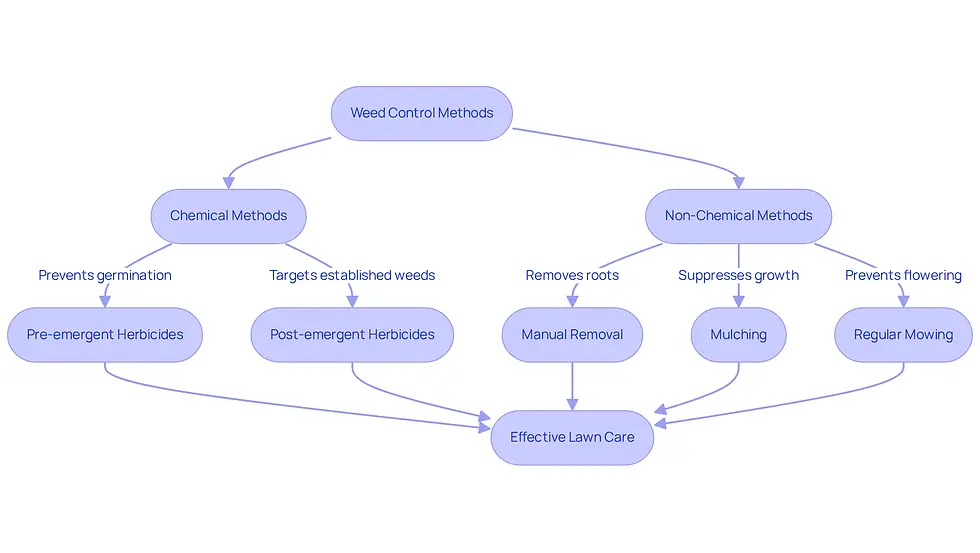
When it comes to tackling weeds, many homeowners find that using the best lawn weed control, like herbicides, can be a reliable ally. Pre-emergent herbicides, like Prodiamine, help prevent undesirable plant seeds from germinating, while post-emergent options target those already established. However, it's crucial to follow label instructions regarding application rates and timing to ensure both effectiveness and safety.
Yet, relying solely on chemicals can feel daunting. You might worry about the impact on your garden and the environment. That's where non-chemical control methods come into play. Manual removal of unwanted plants is a viable option, especially for small infestations. Techniques like hand pulling ensure that roots are completely removed, preventing regrowth. Mulching can significantly suppress unwanted plant growth by blocking sunlight, inhibiting seed germination. Regular mowing at the appropriate height can also prevent weeds from flowering and seeding, reducing their spread.
By integrating these methods, you can create a thriving yard that brings you joy and satisfaction. Many homeowners in Minnesota are exploring non-chemical alternatives to enhance their lawn care practices. Lawn care specialists promote a balanced approach, emphasizing that combining both strategies can achieve the best lawn weed control and lead to effective pest management. Embracing a balanced approach not only enhances your lawn's health but also gives you peace of mind knowing you're making environmentally friendly choices.
Timing Your Weed Control Applications
Imagine stepping outside to find your lawn overrun with weeds and grubs, threatening its health and beauty. Timing your plant management treatments is essential to prevent this from happening.
Pre-Emergent Herbicides: Apply these in early spring before soil temperatures reach 55°F to stop summer annual weeds like crabgrass from germinating. Spring Touch's first application includes an organic-based fertilizer with crabgrass preventer, restoring nutrients and helping your lawn stay healthy.
Post-Emergent Herbicides: These should be applied when unwanted plants are actively growing, typically in late spring or early summer. As Kim Toscano notes, "Applying herbicides at the proper rate and right time can also protect pollinators from unintended harm." For broadleaf plants, aim for fall when they’re accumulating nutrients. Spring Touch's second application effectively targets dandelions and broadleaf plants, ensuring a robust grassy area.
Grub Management: Including grub management in your yard care routine is vital, as grubs can damage the roots of your grass. Spring Touch's second usage now incorporates grub management, tackling both unwanted plants and potential infestations.
Seasonal Considerations: Keep an eye on local weather patterns; applying treatments before rain can enhance absorption, while dry conditions may require extra watering to activate herbicides. David Yacoub emphasizes that applying post-emergent herbicide at the right moment helps homeowners manage visible plants, enhancing turf density and maintaining healthier outdoor spaces throughout the year. Spring Touch's seasonal treatments, including liquid fertilizer and pest management, are designed to nourish and strengthen your grass, making it resilient against plant invasions.
To keep your lawn thriving, you’ll want to plan for 1-3 treatments each season, depending on the pressure from weeds and pests. Taking proactive steps now can mean the difference between a vibrant lawn and a patchy, struggling yard later on.

Maintain a Healthy Lawn to Prevent Weeds
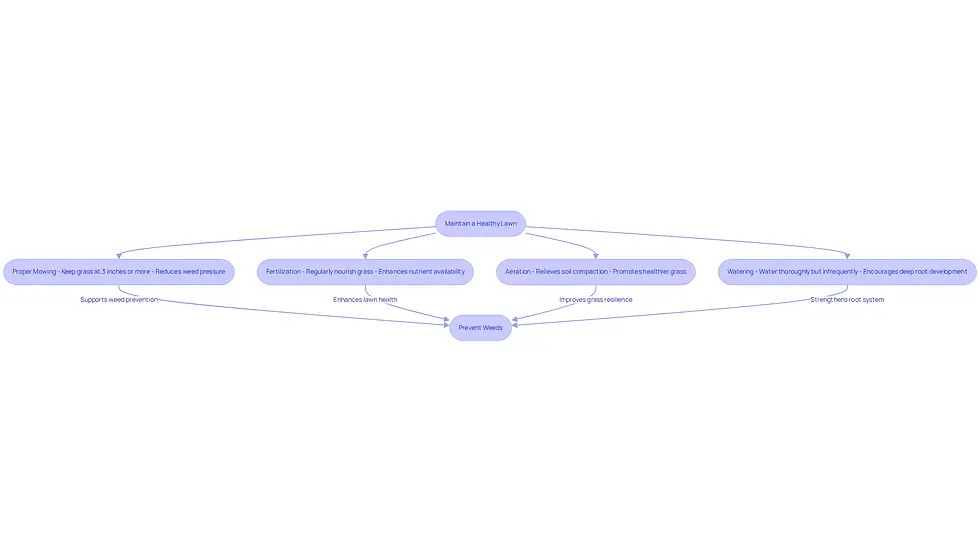
Have you ever felt overwhelmed by the sight of unwanted plants taking over your lawn? To keep these pesky plants at bay, maintaining a healthy lawn is key. Here are some best practices to help you achieve that:
Proper Mowing: Aim to keep your grass at a height of 3 inches or more. Taller grass not only shades the soil, which inhibits the germination of unwanted plants, but it also encourages deeper root development. Studies show that maintaining this height can significantly reduce weed pressure, even without pre-emergent herbicides.
Fertilization: Make sure to nourish your grass with regular fertilization based on soil tests, so it gets the nutrients it needs to thrive. Returning grass clippings can provide up to 2 pounds of nitrogen per year, enhancing nutrient availability and reducing the need for additional fertilization.
Aeration: Aerate your lawn annually to relieve soil compaction, allowing water and nutrients to penetrate deeper. This practice promotes healthier grass that can better contend with unwanted plants.
Watering: Water thoroughly but infrequently to encourage deep root development, making your grass more resilient against unwanted plants. Morning watering is ideal, as it allows water to soak into the soil before evaporation occurs.
By nurturing your lawn with these practices, you can reclaim your outdoor space and enjoy a thriving, beautiful environment all season long.
Conclusion
Effective lawn weed control goes beyond just removing unwanted plants; it’s about nurturing a thriving ecosystem for your grass. By understanding the various types of weeds and their growth patterns, homeowners can face the challenge of managing their lawns more effectively. This approach helps your lawn stay healthy and strong against weeds, ensuring it remains vibrant and resilient.
Let’s talk about some key strategies:
Knowing your weeds
Timing your treatments
Keeping your lawn healthy
The integration of both chemical and non-chemical methods, like using herbicides alongside manual removal and proper lawn care practices, creates a balanced and effective weed management plan. Regular mowing, fertilization, and aeration all contribute to a robust lawn that can naturally resist weed growth.
When you invest time in your lawn, you’re not just making it beautiful; you’re also helping the environment. Homeowners are encouraged to embrace these proven methods for controlling lawn weeds, ensuring their outdoor spaces remain a source of pride and enjoyment. By focusing on lawn health and employing these strategies, you can transform your outdoor space into a lush, weed-free haven.
Frequently Asked Questions
What are common lawn weeds in southern Minnesota?
Common lawn weeds in southern Minnesota include dandelions, crabgrass, chickweed, and clover.
How can I identify dandelions?
Dandelions can be identified by their bright yellow flowers and jagged leaves. They thrive in disturbed soils and spread quickly due to their fluffy seed heads.
Why are dandelions considered beneficial?
Dandelions are beneficial for early-season pollinators like bees, providing them with food sources.
What is the best way to control dandelions?
The best lawn weed control for dandelions is achieved through 'Spring Touch's second treatment, which targets dandelions and broadleaf plants during their peak growth.
What does crabgrass look like?
Crabgrass is identifiable by its wide, flat blades and its tendency to form patches, particularly in heat and drought conditions.
How can I prevent crabgrass from taking over my lawn?
To prevent crabgrass, 'Spring Touch's initial application includes an organic-based fertilizer with a crabgrass preventer. Timing is crucial, as treatments should not be applied too early in the season.
What is chickweed, and when does it thrive?
Chickweed is a broadleaf plant with small white flowers that thrives in cooler temperatures, often observed in spring and fall.
What does clover look like, and what does it indicate?
Clover has trifoliate leaves and can have white or pink flowers. While it can be beneficial for soil health, it may also indicate underlying soil issues.
How can I effectively manage lawn weeds?
You can manage lawn weeds effectively by identifying them with the help of local extension services or online resources, and understanding their growth patterns, especially during peak seasons like May.
What resources does 'Spring Touch' offer for lawn care?
'Spring Touch' offers an extensive seasonal lawn care manual that provides organic solutions for managing unwanted plants and replenishing nutrients, ensuring a vibrant and healthy lawn throughout the seasons.
List of Sources
Identify Common Lawn Weeds
getbiolawn.com (https://getbiolawn.com/blog/spring-weeds)
peterdoranlawn.com (https://peterdoranlawn.com/greenlawnsmatter/weed-control)
monsonlawnandlandscape.com (https://monsonlawnandlandscape.com/blog/10-common-lawn-weeds-in-minnesota-and-how-to-manage-them)
Implement Effective Weed Control Methods
farmprogress.com (https://farmprogress.com/weeds/plan-for-2026-new-herbicide-products-worth-watching)
no-tillfarmer.com (https://no-tillfarmer.com/articles/15238-in-the-weeds-glyphosate-news-roundup-april-21-2026)
extension.psu.edu (https://extension.psu.edu/whats-new-for-agronomic-weed-control-2026)
extension.sdstate.edu (https://extension.sdstate.edu/now-time-plan-noxious-weed-control-2026)
quote.org (https://quote.org/topics/weed_management)
Timing Your Weed Control Applications
agweb.com (https://agweb.com/news/crops/post-emergence-herbicide-timing)
southernliving.com (https://southernliving.com/time-to-apply-post-emergent-11926490?srsltid=AfmBOorcJc88GPNFxckGLcjUijchxtVOa2Hi8WTynBJuck0W9CyaD4Jp)
theworkslawnservice.com (https://theworkslawnservice.com/when-to-apply-post-emergent-herbicide-texas)
iasoybeans.com (https://iasoybeans.com/newsroom/article/walking-rows-2026-herbicide-fertilizer-and-planting)
Weed management updates for the 2026 growing season (https://blog-crop-news.extension.umn.edu/2026/04/weed-management-updates-for-2026.html)
Maintain a Healthy Lawn to Prevent Weeds
whio.com (https://whio.com/news/spring-lawn-care/DJMGL5ZR4446DD7SYEJISMVQAA)
extension.psu.edu (https://extension.psu.edu/the-impact-of-mowing-on-weed-pressure)
2026 Weed Pressure Outlook - Turf Magazine (https://turfmagazine.com/2026-weed-pressure-outlook)
shadesofgreenlawncare.com (https://shadesofgreenlawncare.com/blog/proper-mowing-height-how-affects-health-of-lawn)
extension.missouri.edu (https://extension.missouri.edu/news/mow-high-to-keep-weeds-under-control)


