.png)
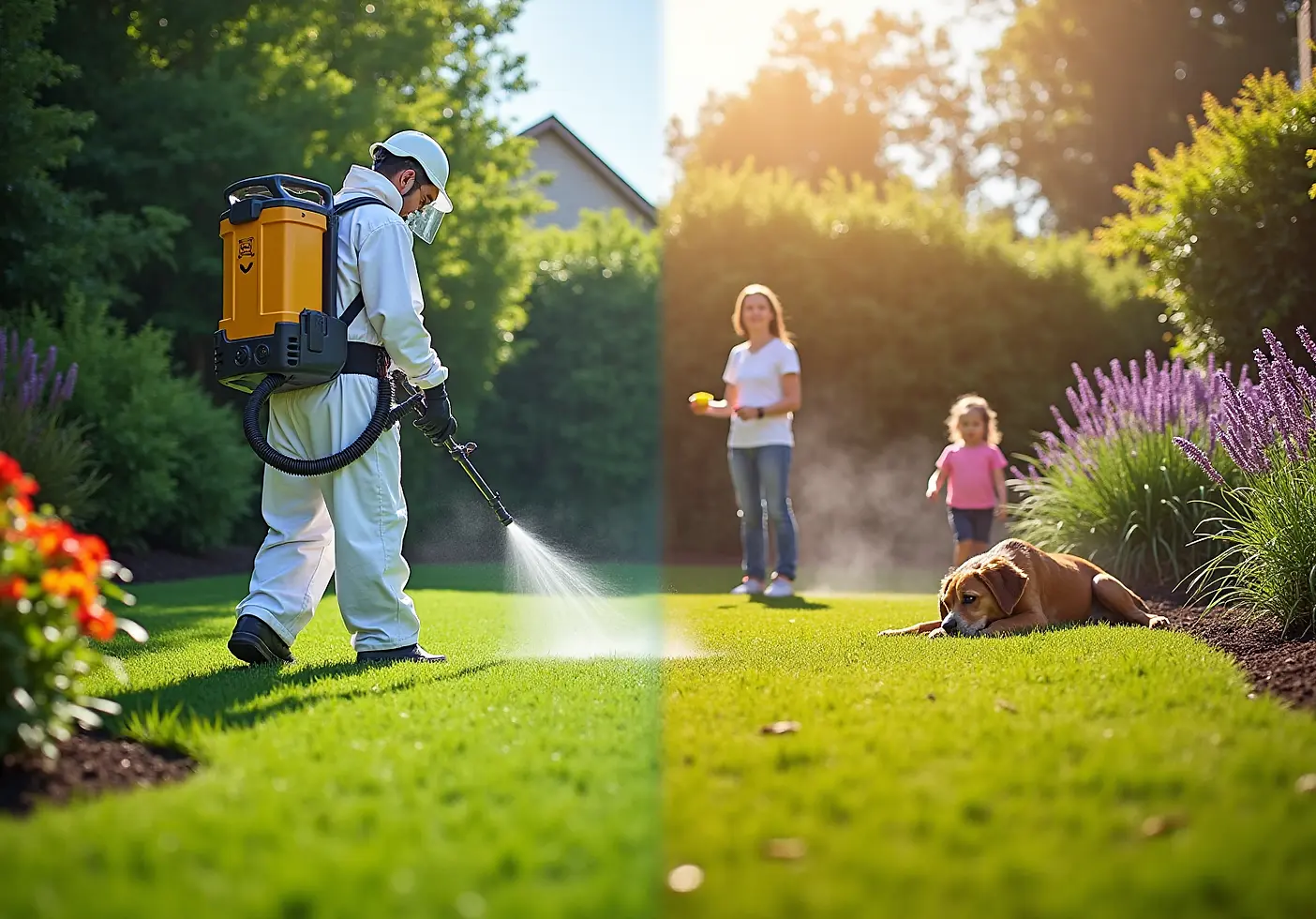
Chemical vs. Organic: Best Mosquito Spray for Yards Explained
- Spring Touch Team

- Apr 13
- 6 min read
Updated: 10 hours ago
Introduction
Navigating the world of mosquito control can feel overwhelming. You might find yourself caught between the quick relief offered by chemical sprays and the health and environmental concerns they bring. It’s a dilemma many homeowners face. On one hand, those chemical solutions promise to eliminate buzzing nuisances in no time. But on the other hand, the potential risks to your family and the planet are significant and shouldn’t be overlooked.
Then there are organic options, which present a more natural approach. These solutions utilize plant-based ingredients, appealing to those who prioritize safety and sustainability. But here’s the question: do these natural alternatives truly deliver the same level of effectiveness? As you weigh the pros and cons of each method, it’s essential to consider which mosquito control strategy strikes the right balance between safety and efficacy. Rest assured, there are ways to protect your home while keeping your loved ones and the environment in mind.
Define Chemical and Organic Mosquito Control Solutions
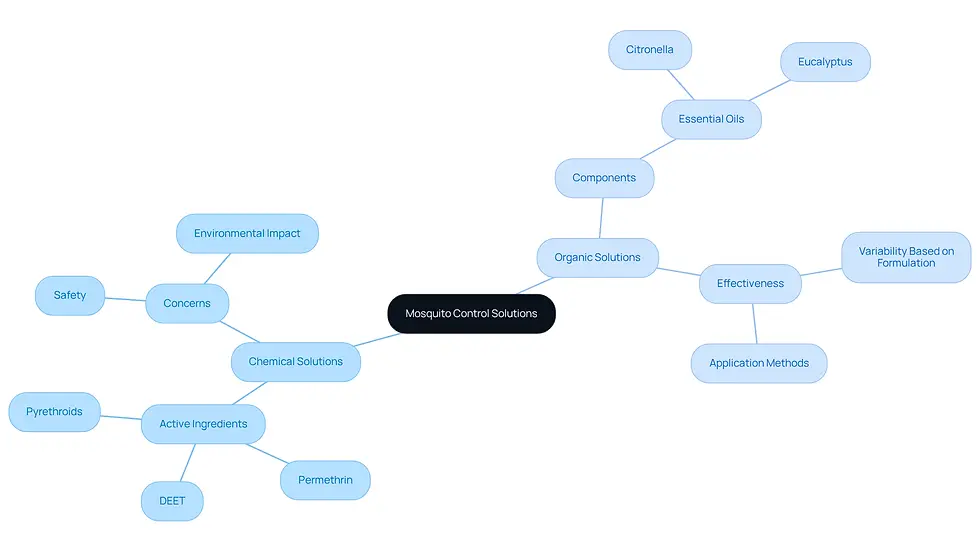
When it comes to dealing with pesky insects, many people turn to chemical insect control solutions. These typically involve synthetic compounds designed to repel or eliminate these pests. Common active ingredients like DEET, permethrin, and pyrethroids are known for their quick effectiveness in reducing insect populations. They work by disrupting the nervous systems of insects, providing immediate results. However, this approach can raise concerns about safety and environmental impact.
On the other hand, organic insect control methods offer a more natural alternative. They utilize components such as essential oils - like citronella and eucalyptus - and plant extracts to keep pests at bay. While these solutions are often viewed as safer and more environmentally friendly, it’s important to note that their effectiveness can vary significantly based on how they are formulated and applied.
Ultimately, the choice between chemical and organic solutions depends on your specific needs and preferences. By understanding the options available, you can make an informed decision that aligns with your values and provides peace of mind in your pest control efforts.
Evaluate Pros and Cons of Chemical Mosquito Sprays
Mosquito spray for yards can quickly reduce mosquito populations, making it appealing for outdoor events. However, it’s important to recognize the significant drawbacks that come with these solutions. Prolonged exposure may pose health risks to both humans and pets, raising valid concerns about safety in residential areas. For instance, studies have shown that urine samples from individuals exposed to these substances often contain metabolites like Dimethylphosphate, which suggests potential health risks.
Moreover, the use of aerosol applications can negatively affect beneficial insects, disrupting local ecosystems and diminishing biodiversity. Environmental issues also arise, as pollutants can contaminate water sources, leading to broader ecological consequences. Experts like Jeff Riffell emphasize that while the strategies for spraying are intentional and well-planned, the potential harm to non-target species remains a critical concern.
Thus, while mosquito spray for yards solutions offer prompt relief from mosquitoes, it’s essential to carefully consider both health and environmental effects. By being informed and cautious, we can find a balance that protects our well-being and the environment.

Assess Advantages and Disadvantages of Organic Mosquito Solutions
When it comes to keeping your outdoor spaces enjoyable, the safety of your family and pets is paramount. Many people worry about the harmful effects of traditional insect repellents, which often contain harsh chemicals. This concern is valid, as these substances can pose risks not just to humans, but also to pets and beneficial insects that play a crucial role in our ecosystems.
Fortunately, organic insect solutions offer a reassuring alternative. These products are crafted from natural ingredients, such as essential oils like citronella and lavender, which effectively deter insects without the adverse effects associated with synthetic chemicals. Imagine enjoying your backyard without the worry of harmful substances lingering in the air. Spring Touch enhances this experience by providing organic-based lawn care services. Their initial application of organic fertilizer, enriched with bio-solids and crabgrass preventer, not only nourishes your lawn but also creates a vibrant outdoor area that naturally repels insects.
Pros of Organic Mosquito Solutions:
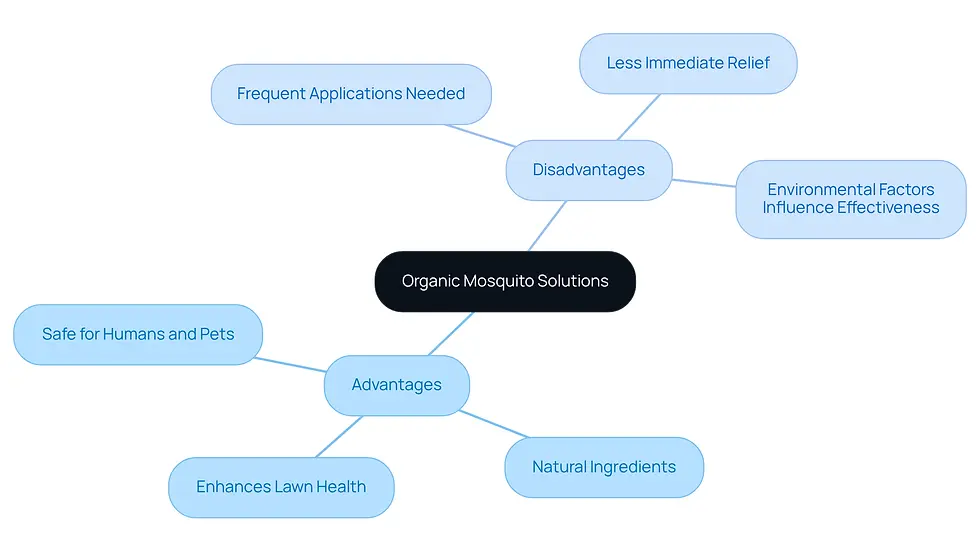
They are safe for humans, pets, and beneficial insects, allowing you to relax in your space.
Utilizing natural ingredients like essential oils means you can enjoy the outdoors without the worry of harmful chemicals.
When combined with organic fertilizer and crabgrass preventer, these solutions contribute to a healthy lawn, enhancing your outdoor experience.
Cons of Organic Mosquito Solutions:
It’s important to note that these solutions may require more frequent applications to maintain their effectiveness.
While they are effective, they might not provide the same immediate relief as synthetic aerosols.
Additionally, their effectiveness can be influenced by environmental factors like humidity and temperature, which may make them less reliable in certain conditions.
In choosing organic solutions, you’re not just opting for a product; you’re embracing a safer, more sustainable way to enjoy your outdoor spaces.
Guide to Choosing Between Chemical and Organic Mosquito Control
When it comes to mosquito control, homeowners often face a tough choice between synthetic options and mosquito spray for yards. The problem is clear: mosquitoes can ruin outdoor gatherings and pose health risks. If immediate relief is what you need, chemical sprays might seem like the quickest fix. But this can lead to worries about health and environmental impacts, which many people understandably have.
This is where the tension builds. You want to enjoy your yard without the buzzing pests, but using mosquito spray for yards instead of harsh chemicals can be a more comforting option. Fortunately, there’s a reassuring solution. Organic options, like those offered by Spring Touch, provide a safer alternative. Their organic-based fertilizer not only nourishes your lawn but also helps create a vibrant outdoor space. Healthy grass can deter mosquitoes and reduce standing water, making your yard a more enjoyable place.
As you consider your options, think about your specific yard conditions. Do you have pets or children playing outside? What about the local ecosystem? These factors are important in making your decision. Ultimately, incorporating mosquito spray for yards may be the most effective strategy. You can use chemical sprays for urgent needs while incorporating organic solutions for ongoing prevention. This way, you can feel confident that you’re taking care of your home and loved ones.

Conclusion
Choosing the right mosquito control solution for your yard can feel overwhelming. You want to protect your family and enjoy your outdoor space, but the options available can complicate that goal. Chemical sprays promise quick relief from pesky mosquitoes, which is tempting when you need immediate results. Yet, it’s essential to consider the potential health risks and environmental impacts that come with these solutions.
On the other hand, organic options present a safer, eco-friendly alternative. They use natural ingredients to deter pests, promoting a healthier outdoor environment. However, these solutions may require more frequent applications and can be affected by weather conditions, which can be frustrating. It’s important to weigh these factors carefully, as they can significantly influence your decision.
Ultimately, the choice between chemical and organic mosquito control should reflect a balance between immediate effectiveness and long-term safety. By considering your yard conditions, family safety, and environmental impact, you can create a pest-free outdoor space that aligns with your lifestyle. Embracing a combination of both methods may offer the best of both worlds, ensuring a safe and enjoyable yard for everyone.
Frequently Asked Questions
What are chemical mosquito control solutions?
Chemical mosquito control solutions involve synthetic compounds designed to repel or eliminate pests, with common active ingredients like DEET, permethrin, and pyrethroids known for their quick effectiveness.
How do chemical insect control solutions work?
They work by disrupting the nervous systems of insects, providing immediate results in reducing insect populations.
What concerns are associated with chemical mosquito control?
There are concerns about safety and environmental impact related to the use of chemical insect control solutions.
What are organic mosquito control solutions?
Organic mosquito control solutions utilize natural components such as essential oils (like citronella and eucalyptus) and plant extracts to keep pests away.
Are organic mosquito control methods effective?
The effectiveness of organic solutions can vary significantly based on how they are formulated and applied.
How do I choose between chemical and organic mosquito control solutions?
The choice depends on your specific needs and preferences, considering factors like safety, environmental impact, and effectiveness.
List of Sources
Define Chemical and Organic Mosquito Control Solutions
Advancing outdoor mosquito biting tools: IVCC and Molecular Attraction launch new collaboration - Innovative Vector Control Consortium (https://ivcc.com/advancing-outdoor-mosquito-biting-tools-ivcc-and-molecular-attraction-launch-new-collaboration)
Natural mosquito control encouraged over chemical use - Taipei Times (https://taipeitimes.com/News/taiwan/archives/2026/03/27/2003854566)
coherentmarketinsights.com (https://coherentmarketinsights.com/industry-reports/mosquito-control-market)
ncturfcare.com (https://ncturfcare.com/blog/new-for-2026-mosquito-control-programs)
Best bug sprays in 2026, tried and tested | CNN Underscored (https://cnn.com/cnn-underscored/reviews/best-bug-sprays)
Evaluate Pros and Cons of Chemical Mosquito Sprays
The pros and cons of spraying pesticides to keep disease-carrying mosquito populations down | Urban@UW (https://urban.uw.edu/news/the-pros-and-cons-of-spraying-pesticides-to-keep-disease-carrying-mosquito-populations-down)
The pros and cons of spraying pesticides to keep disease-carrying mosquito populations down (https://abcnews.com/US/pros-cons-spraying-pesticides-disease-carrying-mosquito-populations/story?id=113214684)
Harms of Mosquito Spraying - Bee Safe Mosquito Control (https://beesafemosquitocontrol.com/the-harms-of-traditional-mosquito-spraying)
Human Exposure to Mosquito-Control Pesticides --- Mississippi, North Carolina, and Virginia, 2002 and 2003 (https://cdc.gov/mmwr/preview/mmwrhtml/mm5421a1.htm)
Assess Advantages and Disadvantages of Organic Mosquito Solutions
As mosquitoes go year-round in L.A., a promising fix hits a snag (https://latimes.com/environment/story/2026-03-22/la-mosquitoes-sterile-male-releases-los-angeles-county-funding)
Basic Research Leads to Market’s First All-Natural, EPA-Registered Insect Repellent (https://news.ncsu.edu/2025/07/basic-research-leads-to-markets-first-all-natural-epa-registered-insect-repellent)
Natural mosquito control encouraged over chemical use - Taipei Times (https://taipeitimes.com/News/taiwan/archives/2026/03/27/2003854566)
The Effectiveness of Botanical Extracts as Repellents Against Aedes aegypti Mosquitoes | AMNH (https://amnh.org/learn-teach/curriculum-collections/young-naturalist-awards/the-effectiveness-of-botanical-extracts-as-repellents-against-aedes-aegypti-mosquitoes)
The Benefits of Using Natural Insect Repellents – First Saturday Lime (https://firstsaturdaylime.com/blogs/pets-yards/natural-insect-repellent-benefits?srsltid=AfmBOooxKzfs2F4YuRWtap592MmMUIFGxq1xpqtQ5OK5xmoldnm0OlHL)
Guide to Choosing Between Chemical and Organic Mosquito Control
ncturfcare.com (https://ncturfcare.com/blog/new-for-2026-mosquito-control-programs)
Natural vs. Chemical Mosquito Control: What’s the Real Difference (https://mosquitosheriff.com/natural-vs-chemical-mosquito-control-whats-the-real-difference)
Start-to-Finish 2026 Mosquito Control Program Planning Guide (https://centralmosquitocontrol.com/latest-news/start-to-finish-planning-guide)
Natural vs. Chemical Mosquito Control | Finding the Best Solution (https://mrmr.biz/natural-vs-chemical-solutions-finding-the-best-mosquito-control-method-for-your-home)


