.png)

How Often Can You Fertilize Your Lawn for Best Results?
- Spring Touch Team

- 4 days ago
- 8 min read
Updated: 1 hour ago
Introduction
Many homeowners feel overwhelmed by the choices and information surrounding lawn care, especially when it comes to fertilization. Knowing how often to fertilize can make a real difference in turning your yard into a vibrant space.
Let’s explore some tailored strategies together to find the best fertilization frequency for your lawn based on:
Grass type
Seasonal timing
Environmental factors
So your lawn gets the care it truly needs. What challenges might you face in finding that perfect balance, and how can you navigate these to create a vibrant outdoor space?
Assess Your Lawn's Unique Needs
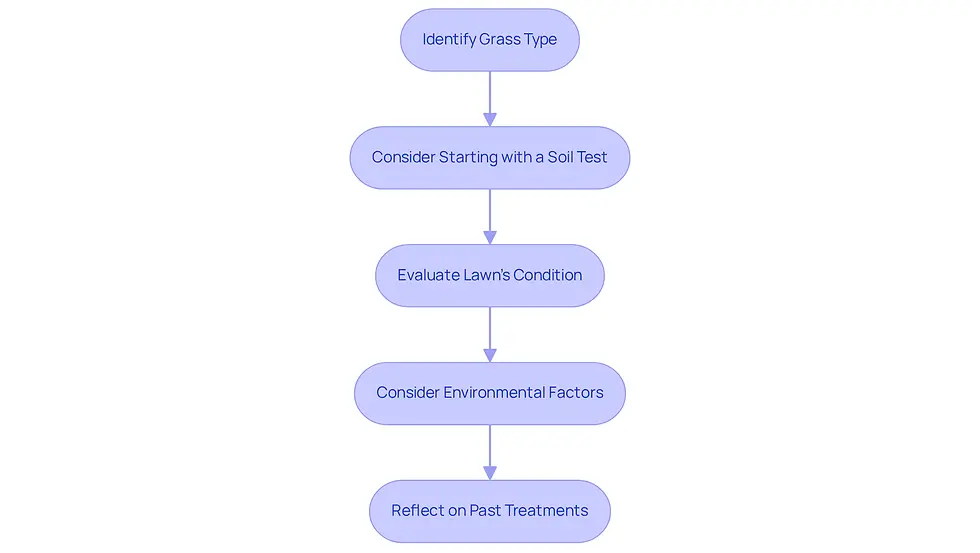
Is your lawn struggling to stay lush and green? To effectively fertilize your yard, it’s essential to assess its unique needs. Here’s how you can ensure your lawn gets the care it deserves:
Identify Grass Type: Start by determining whether your lawn consists of cool-season grasses, like Kentucky bluegrass, or warm-season grasses, such as Bermuda. This distinction will significantly influence your fertilization schedule.
Consider Starting with a Soil Test: A soil test is a great way to uncover mineral levels and pH balance. Homeowners in southern Minnesota are encouraged to conduct soil tests every 2 to 3 years to monitor soil health. You can easily obtain a soil testing kit from local extension offices or garden centers. Just follow the instructions to gather samples from different sections of your yard, ensuring precise results.
Take a Moment to Evaluate Your Lawn's Condition: Look for signs of nutrient deficiency, such as yellowing grass or poor growth. These can indicate the need for specific nutrients. Regular soil testing helps identify these deficiencies before they become visible problems, allowing you to act promptly.
Consider Environmental Factors: Take into account your yard's exposure to sunlight, shade, and moisture levels. These factors can affect how often you can fertilize your lawn and how much, as different conditions may require tailored approaches.
Reflect on Past Treatments: Think about any previous fertilization efforts and their results. This reflection can guide you in adjusting your approach for better outcomes in the future.
By understanding these aspects, you can create a tailored nutrient plan that meets your lawn's specific needs, leading to healthier, more vibrant turf. By taking these steps, you can ensure your lawn not only survives but thrives, bringing beauty and joy to your outdoor space.
Identify Optimal Fertilization Timing
Timing is everything when it comes to achieving the best results from fertilization for your lawn. Here are the optimal times to consider:
Spring Fertilization: Apply fertilizer in early spring (April to May) when lawns begin to green up and actively grow. Cool-season grasses really benefit when temperatures are just right, ideally between 55°F and 75°F. According to the University of Minnesota, early spring fertilization is vital for recovery from winter stress. Spring Touch Lawn & Pest Control, a third-generation family-owned business, offers an organic-based fertilizer with bio-solids and crabgrass preventer, which not only restores nutrients but also prevents crabgrass from overtaking your lawn this summer.
Summer Feeding: If necessary, a light application in early summer (June) can help maintain growth. However, be cautious and avoid fertilizing during peak summer heat to prevent stress on the grass, especially when temperatures exceed 85°F. Over-fertilizing during this time can lead to weak growth and increased mowing needs.
Fall Nourishment: Late summer to early fall (August to September) is another critical window for enrichment. This timing strengthens roots and prepares the lawn for winter dormancy, with daytime temperatures ideally around 55°F to 75°F. Autumn fertilization is frequently suggested as it aids cool-season plants in recuperating from summer warmth and accumulating resources for winter.
Monitor Soil Temperature: Use a soil thermometer to check when soil temperatures reach approximately 55°F, signaling that it's time to fertilize in spring. This guarantees that essential elements are accessible when grass is actively growing.
Avoid Over-Fertilization: Be cautious not to fertilize too frequently or heavily, as this can lead to nutrient runoff and damage to the grass. To determine how often you can fertilize your lawn, stick to a recommended schedule based on your grass's specific needs, typically three to four applications per year. Remember, applying more fertilizer does not ensure a better yard; the correct treatment at the wrong time can weaken growth.
By following these guidelines, you can cultivate a lawn that not only looks great but thrives throughout the seasons. For inquiries or to schedule your first treatment, call us at 507-934-5296 for Southern Minnesota or 952-898-5296 for the Twin Cities.

Determine Fertilization Frequency Based on Lawn Type
Many homeowners struggle to keep their lawns healthy because they aren't sure how often they can fertilize their lawn. The rate of nutrient application is essential for sustaining a healthy turf and differs according to the type of vegetation. Here’s a breakdown to help you determine the right schedule:
Cool-Season Grasses: These grasses thrive in northern climates, including southern Minnesota, and typically require 1 to 3 fertilization treatments spaced 4 to 6 weeks apart. Ideal application times are early spring, late spring, and fall. Spring Touch Lawn & Pest Control suggests beginning with an organic-based fertilizer that contains bio-solids and crabgrass preventer to replenish essential elements and stop crabgrass from dominating your yard this summer. If your lawn shows signs of nutrient deficiency, consider adding a summer application to support growth.
Warm-Season Grasses: For warm-season varieties, feeding should begin in March and take place every six to eight weeks throughout the summer, mainly in late spring and mid-summer. Spring Touch's second application targets dandelions and broadleaf weeds, now including grub control to tackle both weeds and grub infestations. Avoid fertilizing in the fall, as these grasses will be entering dormancy.
New Areas: Newly seeded areas require more frequent fertilization, ideally every 4 to 6 weeks during their first growing season. This helps establish strong root systems and promotes healthy growth.
For established turf, a general guideline on how often can you fertilize your lawn is to do so every 6 to 8 weeks throughout the growing season. Adjust this frequency based on the observed growth and overall condition of your grass.
Adjust Based on Conditions: Keep an eye on your lawn's health; if it looks vibrant, you might not need to fertilize as often. On the other hand, if you observe signs of a deficiency in essential elements, increase your applications accordingly.
Soil Analysis: Perform soil analysis every 3 to 5 years to comprehend deficiencies in elements and adjust your application of fertilizers accordingly.
Watering Practices: Water your grass thoroughly a day or two prior to applying fertilizer to enhance nutrient absorption.
With the right approach, your lawn can thrive, bringing beauty and joy to your home. By tailoring your feeding schedule to align with your grass type and its particular requirements, you can encourage optimal growth and health year-round, using Spring Touch's organic treatments for a flourishing yard. Remember, our regional knowledge in southern Minnesota guarantees that we comprehend the distinct climate and soil conditions that influence your garden care.

Utilize Tools for Effective Fertilization Planning
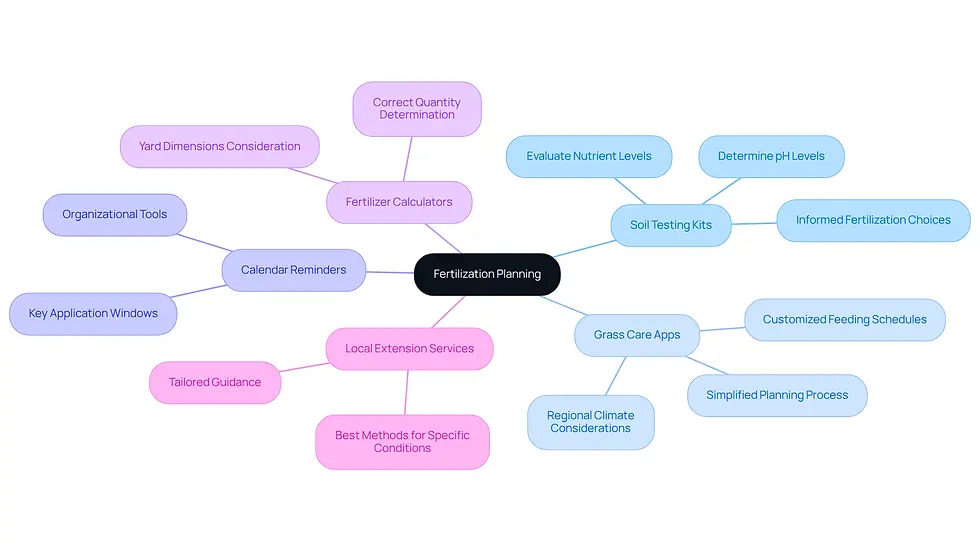
Many homeowners struggle to keep their lawns lush and green, often feeling overwhelmed by the choices and timing, including how often can you fertilize your lawn. To streamline your fertilization planning, consider using the following tools:
Soil Testing Kits: Regularly evaluate your grass's nutrient levels and pH with a soil testing kit. This helps you make informed choices about how often you can fertilize your lawn with the right fertilizers, ensuring your grass stays healthy.
Grass Care Apps: Consider using grass care apps like Yard Mastery to make your lawn care easier and more effective. These apps offer customized feeding schedules based on your grass variety and regional climate conditions, simplifying the planning process.
Calendar Reminders: Set calendar reminders for planting dates to ensure you don’t miss key application windows. You can easily do this on your phone or through a physical planner, helping you stay organized.
Fertilizer Calculators: Use online fertilizer calculators to determine the correct quantity of fertilizer needed based on your yard's dimensions and dietary needs. This ensures you apply the right dosage, promoting healthy growth without waste.
Local Extension Services: Reach out to local agricultural extension services for guidance and resources tailored to your region. They can provide valuable insights on the best methods for your specific yard conditions, enhancing your nutrient application approach.
Additionally, consider how often you can fertilize your lawn by using Spring Touch Lawn & Pest Control's organic-based fertilizer with bio-solids and crabgrass preventer as part of your spring application. This treatment replenishes vital nutrients and prevents crabgrass from taking over your lawn in the summer. With rising ground temperatures, it's essential to address potential dandelion invasions; Spring Touch's second application effectively targets dandelions and broadleaf weeds while including grub control to tackle infestations. With the right tools and expert guidance, you can transform your lawn care routine into a source of pride and joy.
Conclusion
Many homeowners struggle with knowing how often to fertilize their lawns, leading to frustration and uncertainty about their outdoor spaces. Understanding the optimal fertilization frequency is essential for achieving a lush and vibrant lawn. Imagine the relief of knowing exactly when and how to fertilize your lawn, tailored to its unique needs and the changing seasons. By assessing factors such as grass type, soil condition, and seasonal timing, you can create a personalized fertilization schedule that maximizes growth and minimizes stress on your grass.
Key insights from this discussion highlight the importance of timing, with recommended fertilization periods in spring, summer, and fall, depending on whether your lawn consists of cool-season or warm-season grasses. Regular soil testing and careful monitoring of lawn health are crucial for making informed decisions about nutrient application. Utilizing tools like soil testing kits, grass care apps, and local extension services can further enhance the effectiveness of your fertilization strategies.
Taking these steps not only ensures a thriving lawn but also transforms your outdoor experience into something truly enjoyable and fulfilling. Homeowners in southern Minnesota are encouraged to take proactive steps in their lawn care routines, leveraging local expertise from Spring Touch Lawn & Pest Control to ensure their lawns thrive throughout the seasons. By following these guidelines and adjusting practices based on your lawn's specific needs, achieving a healthy, vibrant lawn is well within reach.
Frequently Asked Questions
How can I assess my lawn's unique needs for fertilization?
To assess your lawn's unique needs, identify the grass type (cool-season or warm-season), consider starting with a soil test, evaluate the lawn's condition for signs of nutrient deficiency, take environmental factors into account, and reflect on past fertilization treatments.
Why is it important to identify the grass type in my lawn?
Identifying the grass type is crucial because it influences your fertilization schedule and the specific care your lawn requires to thrive.
How often should I conduct a soil test for my lawn?
Homeowners in southern Minnesota are encouraged to conduct soil tests every 2 to 3 years to monitor soil health effectively.
Where can I get a soil testing kit?
Soil testing kits can be obtained from local extension offices or garden centers in your area.
What signs should I look for to evaluate my lawn's condition?
Look for signs of nutrient deficiency such as yellowing grass or poor growth, which can indicate the need for specific nutrients.
How do environmental factors affect my lawn care?
Environmental factors like sunlight exposure, shade, and moisture levels can affect how often and how much you should fertilize your lawn, requiring tailored approaches based on these conditions.
Why is it helpful to reflect on past fertilization treatments?
Reflecting on past treatments can guide you in adjusting your fertilization approach for better outcomes in the future.
How can I create a tailored nutrient plan for my lawn?
By understanding your lawn's grass type, soil health, condition, environmental factors, and past treatments, you can create a nutrient plan that meets its specific needs for healthier and more vibrant turf.
List of Sources
Assess Your Lawn's Unique Needs
Soil testing for lawns and gardens (https://extension.umn.edu/managing-soil-and-nutrients/soil-testing-lawns-and-gardens)
Free Soil Test Kits Available April 1 - Nov. 15! - Clay County Center | N.C. Cooperative Extension (https://clay.ces.ncsu.edu/news/free-soil-test-kits-available-april-1-nov-15)
9 Reasons Why Soil Testing Is Important for the Lawn (https://lawnstarter.com/blog/lawn-care-2/why-soil-testing-is-important-for-lawn)
Why Every Homeowner Should Get a Soil Test | Virginia Green (https://virginiagreen.com/news/benefits-homeowner-soil-test)
Identify Optimal Fertilization Timing
When to Fertilize Your Lawn in Minnesota (https://lawnlove.com/blog/when-to-fertilize-lawn-minnesota)
When to Fertilize Lawn: Seasonal Month-by-Month Guide (https://experigreen.com/when-to-fertilize-lawn)
When to Fertilize a Lawn: Best Season & Timing Tips (https://sunseekerelite.com/us/blog/when-to-fertilize-lawn)
Complete Spring Lawn Care Guide for Minnesota | Green Horizons (https://green-horizons.com/blog/complete-guide-spring-lawn-care-minnesota)
Determine Fertilization Frequency Based on Lawn Type
When to Fertilize Lawn: Seasonal Month-by-Month Guide (https://experigreen.com/when-to-fertilize-lawn)
The Lawn Fertilizing Schedule Experts Swear By for Greener Grass (https://shopping.yahoo.com/home-garden/gardening/articles/lawn-fertilizing-schedule-experts-swear-002659572.html)
Warm Season vs. Cool Season Grass | Virginia Green (https://virginiagreen.com/news/warm-season-vs-cool-season-grass)
How Often to Fertilize Lawn: Cool vs. Warm-Season Grasses (https://springtouchlawn.com/post/how-often-to-fertilize-lawn-cool-vs-warm-season-grasses)
Minnesota Homeowner’s Guide to Lawn Fertilization | Rainbow Lawncare (https://rainbowlawncare.com/fertilization-homeowners-guide)
Utilize Tools for Effective Fertilization Planning
Soil testing for lawns and gardens (https://extension.umn.edu/managing-soil-and-nutrients/soil-testing-lawns-and-gardens)
Yard Mastery Lawn Care App App - App Store (https://apps.apple.com/us/app/yard-mastery-lawn-care-app/id1502311686)
New Year Lawn Goals for 2026 (https://sodsolutions.com/blog/new-year-lawn-goals?srsltid=AfmBOopzs-0m_k6szCriW_vX8G83_0hbU36IiXzPoF1VzzVRMak8yt__)
Soil Testing Resources for Home Gardeners (https://yardandgarden.extension.iastate.edu/soil-testing-resources-home-gardeners)
The Top Lawn Care Trade Shows to Attend (https://serviceautopilot.com/lawn-care/lawn-care-trade-shows)


