.png)

Master Army Worm Control: Essential Strategies for Homeowners
- Spring Touch Team

- May 28
- 8 min read
Updated: 2 days ago
Introduction
Picture this: your once lush lawn now resembles a patch of dried-up grass, all due to an armyworm invasion. It’s a frustrating sight for any homeowner. These relentless pests can turn a beautiful yard into a barren landscape in just days, leaving homeowners feeling overwhelmed and helpless.
But don’t worry; there are effective strategies to take back control of your lawn. We’ll explore:
How to identify these pests
Understanding their life cycle
Implementing proven management practices
With the right knowledge and strategies, you can reclaim your lawn and protect it from these pests, ensuring it remains a vibrant oasis for your family.
Understand the Life Cycle and Identification of Armyworms
Imagine waking up to find your once lush lawn reduced to brown patches overnight. Armyworms, particularly the fall armyworm (Spodoptera frugiperda), progress through a life cycle consisting of four distinct stages: egg, caterpillar, pupa, and adult moth. Understanding this cycle is vital for effective management and army worm control through timely intervention.
Egg Stage: Eggs are typically laid in clusters on the undersides of leaves, appearing as small, greenish or yellowish masses. This stage lasts about two to three days during summer, after which the eggs hatch, leading to rapid population increases.
Juvenile Stage: The young forms are the most harmful phase, ravenously consuming grass blades. They can be recognized by their distinctive features, including a white inverted 'Y' on their heads and four raised bumps on their second-to-last body segment. Young caterpillars are greenish with a dark head, while older ones are green to dark brown with stripes. As they mature, they can grow up to 1.5 inches long and may cause significant defoliation, often leaving lawns with brown patches. The limit for treatment is 2 or 3 pests per square foot, making early detection crucial.
Pupal Stage: After their feeding frenzy, the larvae pupate in the soil. This transformation into adult moths takes about 10 to 14 days.
Adult Stage: Adult moths are nocturnal and capable of traveling long distances, laying eggs that initiate the cycle anew. They can generate as many as 1,500 eggs per female, and recognizing that fall armyworms do not survive winter in the Midwest but move north from the far southern US is crucial for predicting outbreaks.
Keep an eye on your garden, especially during late summer and early fall. Indicators of a pest problem include brown patches, chewed grass, and visible caterpillars. Early identification enables prompt action, which is essential for army worm control, as caterpillars can strip grass overnight if not managed. Furthermore, sustaining overall grass health through proper fertilization and aeration can aid in army worm control, as a healthy yard is more resilient to pests like armyworms. By staying vigilant and proactive, you can protect your garden from the devastation of armyworms.

Recognize the Damage Caused by Armyworms
Imagine waking up to find your once lush lawn reduced to a patchy wasteland overnight. Effective army worm control is crucial, as armyworms can wreak havoc on your lawn in just a few days, potentially devouring an entire football field's worth of grass. Keep an eye out for these telltale signs of armyworm infestation:
Chewed Grass Blades: Armyworms typically leave grass blades ragged or notched, creating a distinctive 'windowpane' effect that indicates feeding activity.
Brown Patches: As they consume foliage, affected areas may turn brown, mimicking drought stress. This can mislead you about the health of your grass, resembling symptoms seen in turf diseases like Brown Patch and Dollar Spot.
Frass: Look for small, greenish or brownish pellets, known as frass, on your lawn. This is a clear indicator of caterpillar activity.
Visible Larvae: During the day, you might spot caterpillar larvae, about 1 to 1.5 inches long, with dark greenish-brown to black coloration and stripes, particularly in the early morning or late afternoon.
To help identify these pests, try the soap flush technique: mix 2-3 tablespoons of liquid dishwashing detergent in a gallon of water and apply it to a 3-foot by 3-foot area. Armyworms will surface within a minute after applying the soap mixture, making detection easier.
Spotting these signs early is crucial. If left untreated, armyworm infestations can lead to serious damage to your lawn, making army worm control crucial. By taking prompt action, you can implement army worm control to protect your outdoor sanctuary from the swift devastation of armyworms. It's also important to note that caterpillar outbreaks often coincide with rainfall patterns, so keep a close watch on your yard during wet periods. Common grass varieties affected by caterpillars include bermudagrass, fescue, ryegrass, and bluegrass, which are particularly vulnerable to their feeding. For thorough yard maintenance and effective treatments for both pests and common grass ailments, consider reaching out to Spring Touch for professional solutions tailored to your yard's needs.

Implement Effective Control Strategies for Armyworms
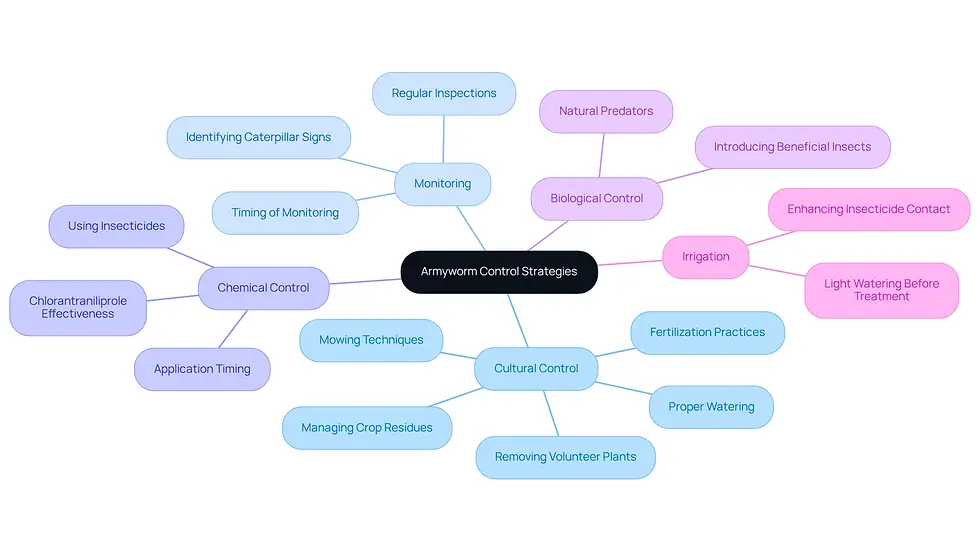
Armyworm infestations can devastate your lawn, leaving it looking unhealthy and uninviting. However, with the right strategies for army worm control, you can reclaim your lawn and restore its beauty.
Cultural Control: Maintaining a healthy lawn through proper watering, mowing, and fertilization enhances grass resilience against pests. Healthy turf can withstand damage better and recover more quickly from infestations. Additionally, removing volunteer plants and infested crop residues can help control pest populations.
Monitoring: Keep an eye on your lawn for signs of caterpillars, especially during peak seasons. Crops are most susceptible to damage from late tillering to senescence, making early detection crucial for effective management. This allows for timely interventions before populations escalate.
Chemical control: Once you’ve verified a pest problem, consider using insecticides specifically designated for army worm control. Research indicates that products containing chlorantraniliprole exhibit longer residual efficacy, with mortality rates reaching 85.9% at 14 days after treatment, making them particularly effective when applied during the early stages of an infestation.
Biological Control: Introducing beneficial insects, such as parasitic wasps, can naturally help manage caterpillar populations. These natural predators can significantly reduce pest numbers without the need for chemical interventions.
Irrigation: Lightly watering the grass before treatment can encourage larvae to surface, thereby increasing the effectiveness of insecticides. This practice can enhance the contact between the insecticide and the target pests, leading to improved control outcomes.
By taking these proactive steps, you can protect your lawn and enjoy a vibrant outdoor space once again.
Maintain Vigilance: Monitor and Prevent Future Infestations
Army worm control is crucial for homeowners, as armyworm infestations can be a source of stress, threatening the beauty and health of your lawn. To prevent these unwelcome guests, it’s essential to adopt a vigilant approach.
Make it a habit to check your yard regularly, especially in late summer and early fall, when armyworms tend to be most active. This simple step can help you catch any issues early on, such as thinning grass and brown spots, as well as the presence of caterpillar-like larvae.
By nurturing a healthy lawn, you’re not just creating a beautiful space; you’re also giving your grass the best chance to withstand pests and bounce back quickly if they do strike. Proper watering, fertilization, and mowing techniques can make all the difference in maintaining a robust green space.
Consider using preventative insecticides for army worm control during peak seasons to help keep those pesky pests at bay before they can take hold. Early intervention is crucial for effective army worm control, as treatments are most effective when caterpillars are less than an inch long.
Creating an environment that attracts beneficial insects and birds can also help manage pest populations naturally. Planting diverse vegetation and avoiding broad-spectrum insecticides will encourage these allies to thrive in your yard.
Staying informed about caterpillar life cycles and local pest reports can empower you to anticipate potential outbreaks and take action before they become a problem. Understanding the pest's behavior and monitoring for signs of infestation can significantly enhance your management efforts.
By taking these proactive steps, you can not only safeguard your lawn but also enjoy peace of mind knowing you’re doing everything possible to prevent future infestations.

Conclusion
Many homeowners feel overwhelmed when they discover their lawns under attack by armyworms, unsure of how to respond. Understanding and managing armyworm infestations is essential for maintaining a healthy and vibrant lawn. Recognizing the life cycle of these pests and their signs can help homeowners act quickly to prevent damage. The strategies outlined - from cultural practices and monitoring to chemical and biological controls - provide a comprehensive toolkit for effective armyworm management.
Key insights include:
The importance of early detection
The role of a healthy lawn in resisting pest damage
The use of both preventative and reactive measures to control armyworm populations
Regular monitoring and adopting best practices in lawn care can significantly reduce the risk of infestations. Awareness of the pests' life cycle enhances the ability to respond promptly, ensuring your lawn stays lush and green.
Keeping your lawn safe from armyworms isn’t just about quick fixes; it’s about creating a strong, healthy space for your family to enjoy. By implementing these strategies and remaining vigilant, homeowners can foster a resilient outdoor environment. Taking proactive steps today ensures a healthier lawn tomorrow, allowing for a beautiful and thriving landscape.
Frequently Asked Questions
What are armyworms and why are they a concern for lawns?
Armyworms, particularly the fall armyworm (Spodoptera frugiperda), are pests that can quickly damage lawns by consuming grass blades, leading to brown patches and significant defoliation.
What is the life cycle of armyworms?
The life cycle of armyworms consists of four stages: egg, caterpillar (juvenile), pupa, and adult moth. Understanding this cycle is important for effective management and control.
How long does the egg stage of armyworms last?
The egg stage lasts about two to three days during summer before the eggs hatch.
What are the characteristics of armyworm caterpillars?
Young caterpillars are greenish with a dark head, while older ones can be green to dark brown with stripes. They have a distinctive white inverted 'Y' on their heads and four raised bumps on their second-to-last body segment.
How large can armyworm caterpillars grow?
Armyworm caterpillars can grow up to 1.5 inches long.
What is the significance of the pupal stage in the armyworm life cycle?
After feeding, the larvae pupate in the soil, transforming into adult moths over a period of about 10 to 14 days.
How do adult armyworms contribute to the pest problem?
Adult moths are nocturnal and can travel long distances, laying up to 1,500 eggs per female, which starts the cycle anew. They do not survive winter in the Midwest but migrate north from the southern US.
When should I be particularly vigilant about armyworms?
You should keep an eye on your garden during late summer and early fall, as this is when armyworm activity is most prevalent.
What are some indicators of an armyworm infestation?
Indicators include brown patches in the lawn, chewed grass, and the presence of visible caterpillars.
How can I manage and control armyworms effectively?
Early identification is crucial for management. Maintaining overall grass health through proper fertilization and aeration can also help, as a healthy lawn is more resilient to pests like armyworms.
List of Sources
Understand the Life Cycle and Identification of Armyworms
Fall armyworms making an appearance in 2024 (https://crops.extension.iastate.edu/post/fall-armyworms-making-appearance-2024)
EENY098/IN255: Fall Armyworm, Spodoptera frugiperda (J.E. Smith) (Insecta: Lepidoptera: Noctuidae) (https://ask.ifas.ufl.edu/publication/IN255)
Armyworm Invasion: Spot It, Stop It, Save Your Lawn (https://fairwaylawns.com/armyworm-invasion-spot-it-stop-it-save-your-lawn)
What to do as fall armyworms move into Deep South hayfields (https://farmprogress.com/livestock/what-to-do-as-fall-armyworms-move-into-deep-south-hayfields)
Recognize the Damage Caused by Armyworms
Armyworms invade Kansas lawns, causing damage (https://ksn.com/news/local/armyworms-invade-kansas-lawns-causing-damage)
Identifying and Managing Fall Armyworms in the Southeast | SodStarPRO (https://sodstarpro.com/identifying-and-managing-fall-armyworms-in-the-southeast)
Armyworms can be managed in lawns by following three helpful tips - AgriLife Today (https://agrilifetoday.tamu.edu/2024/10/30/armyworms-can-be-managed-in-lawns-by-following-three-helpful-tips)
How to Control & Prevent Armyworm Damage in Your Mississippi Lawn (https://lawnandpest.net/blog/how-to-control-prevent-armyworm-damage-mississippi)
Your Guide to Fall Armyworms | Emerald Lawns (https://emeraldlawns.com/blog/your-guide-to-fall-armyworms)
Implement Effective Control Strategies for Armyworms
Government intensifies efforts to contain Fall Armyworms (https://minagri.gov.rw/updates/news-details/government-intensifies-efforts-to-contain-fall-armyworms)
Combatting Another Invasive Pest Amidst the Pandemic (https://bayer.com/en/news-stories/fall-armyworm-combatting-another-invasive-pest-amidst-the-pandemic)
Laboratory Toxicity and Field Efficacy of Selected Insecticides Against Fall Armyworm (Lepidoptera: Noctuidae) 1 (https://bioone.org/journals/florida-entomologist/volume-94/issue-2/024.094.0221/Laboratory-Toxicity-and-Field-Efficacy-of-Selected-Insecticides-Against-Fall/10.1653/024.094.0221.full)
Fall Armyworm (FAW) Control - Cropnuts (https://cropnuts.com/fall-armyworm-control-insecticide)
Fall armyworm threat: Scouting and treatment guide (https://farmprogress.com/crops/fall-armyworm-threat-rises-scout-fields-now-to-prevent-crop-damage)
Maintain Vigilance: Monitor and Prevent Future Infestations
Fall armyworm egg masses hatching now could bring new turf damage soon (https://canr.msu.edu/news/fall-armyworm-causing-damage-to-lawns-golf-courses-and-turfgrass)
Fall armyworm threat: Scouting and treatment guide (https://farmprogress.com/crops/fall-armyworm-threat-rises-scout-fields-now-to-prevent-crop-damage)
Prevent a Fall Armyworm Invasion | Waynes (https://callwaynes.com/blog/fall-armyworms-dont-let-them-invade-your-lawn)
Combatting Another Invasive Pest Amidst the Pandemic (https://bayer.com/en/news-stories/fall-armyworm-combatting-another-invasive-pest-amidst-the-pandemic)
Spotting the Symptoms, preventing, and managing the fall armyworm | Syngenta (https://syngenta.com/agriculture/crop-production/pest-disease-management/fall-armyworm)


