.png)
Master Flea Control for the Yard: 4 Essential Practices for Homeowners
- Spring Touch Team

- 1 hour ago
- 8 min read
Introduction
Imagine stepping into your yard, only to find it overrun by fleas, disrupting your peace and comfort. As a homeowner, you might find it tough to spot these pesky invaders and figure out how to keep them away. This article will share four essential practices for flea control, helping you take back your outdoor space and keep your family and pets safe.
But with the right practices, you can reclaim your outdoor space and protect your loved ones. You can create a peaceful haven in your yard again, protecting your loved ones from these unwelcome guests.
Identify Fleas and Understand Their Behavior
Fleas can turn your home into a battleground, causing distress for both pets and their owners. They thrive in warm, humid environments, especially in southern Minnesota, where conditions are perfect for their rapid growth. Recognizing a flea infestation early is crucial to protecting your home and pets. Here are some signs to watch for:
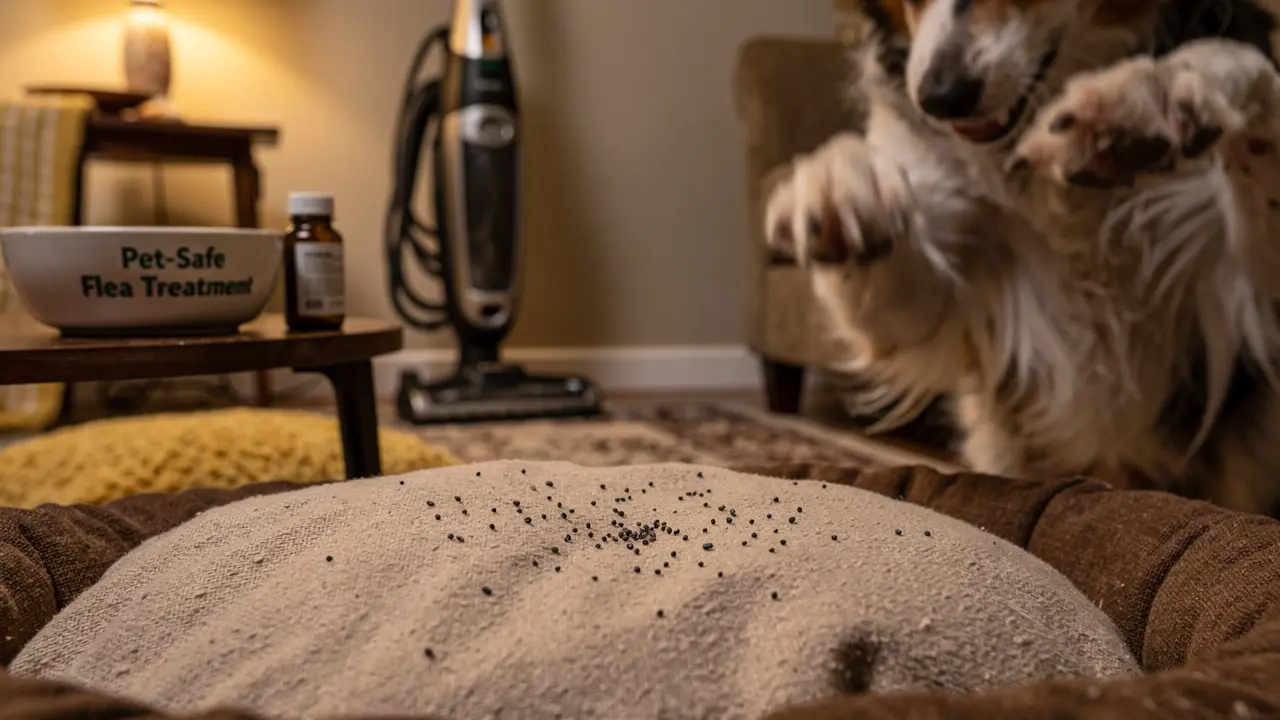
Flea Dirt: Small black specks, often found on pet bedding or carpets, which are actually flea feces. This can be confirmed by placing the specks on a wet towel, where they will dissolve and turn red.
Scratching and Biting: Pets may show excessive scratching or biting at their skin, indicating discomfort from insect bites. This behavior can lead to secondary infections if not addressed promptly.
Visible Insects: Adult insects can often be observed on pets or in the surroundings, especially in locations where pets relax, such as carpets and furniture.
Understanding how fleas reproduce and spread can help you take control before they become a bigger problem. Their life cycle includes eggs, larvae, pupae, and adults. Mature parasites deposit eggs that drop into the surroundings, leading to new outbreaks if not controlled. Statistics indicate that adult insects comprise only about 1% of the total population in homes, while 50-54% consists of eggs, 35-37% are in the larval stage, and 8-10% are in the pupae stage. Flea larvae resemble tiny worms and are rarely spotted due to their small size, making it challenging for homeowners to identify them. Regular inspections and monitoring can help catch infestations early, allowing for timely intervention and effective management strategies.
To keep your outdoor space a haven for your family and pets, consider our expert mosquito and tick management services this autumn. Our certified technicians will ensure your property is thoroughly inspected and treated, focusing on areas where pests are likely to breed. Ignoring these signs could lead to a larger infestation, impacting your family's comfort and health.

Implement a Four-Step Flea Control Process
To prevent discomfort for both your pets and your peace of mind, effective flea control for the yard is necessary, as fleas can quickly turn it into a breeding ground. To tackle this issue effectively, consider following these four supportive steps:
Inspection: Begin by gently inspecting your yard and home, looking for any signs of these pesky invaders. Pay special attention to shaded areas, beneath bushes, and near your pets' resting spots, as these are common hiding places for fleas.
Cleaning: Take a moment to vacuum your carpets, rugs, and upholstery, ensuring you remove any hidden pests, eggs, and larvae that could disrupt your home’s comfort. Don’t forget to wash your pet’s bedding in hot water; this simple action can significantly reduce the flea population.
Treatment: Consider using effective flea control for the yard, including insect growth regulators (IGRs) and adulticides, to protect your home from these unwelcome guests. Focus on areas where fleas are likely to hide, such as shaded spots and around your pets’ zones, to enhance the effectiveness of your treatment.
Observation: After your treatment, keep an eye out for any signs of pests, ensuring your efforts are paying off. Utilize pest traps to monitor the effectiveness of your control measures and adjust your strategy as needed. Regular monitoring is crucial, as it helps ensure that any remaining pest populations are addressed promptly.
By following these steps, you can reclaim your yard and ensure a safe, comfortable space for everyone.

Maintain a Flea-Free Environment Through Prevention
Fleas can quickly turn your peaceful home into a source of stress and discomfort, but there are effective ways to keep them at bay. To maintain a flea-free environment in your yard and home, implement these essential preventive measures:
Regular Mowing: During these months, regular mowing becomes essential. Keeping your lawn well-mowed minimizes shaded areas where fleas thrive. Sunlight exposure can significantly deter insect populations, as adult pests prefer cooler, shaded environments. In southern Minnesota, where pest season typically begins in spring and continues through summer into early fall, this practice is particularly crucial.
Consistent Cleaning: Regular vacuuming and washing of pet bedding are vital to eliminate potential insect eggs and larvae. A female insect can lay up to 2000 eggs, which can drop off the host and develop into larvae within 1 to 10 days. This practice not only decreases the risk of infestation but also helps you monitor pest populations effectively.
Animal Care: Ensure your animals are on a consistent parasite prevention regimen. Consult your veterinarian for recommendations on topical treatments or oral medications that are effective and safe for your pets. Look for organic-based, pet- and family-safe treatments that align with your values and the health of your loved ones.
Environmental Management: Remove debris, such as leaves and tall grass, which can act as hiding places for pests. Furthermore, consider utilizing diatomaceous earth for flea control for the yard as a natural repellent against pests, as it can effectively interrupt their life cycle. Treating areas where pets rest is often adequate, and extensive outdoor spraying is typically not needed unless substantial insect populations are identified.
By taking these steps, you can create a safe haven for your family, free from the worry of pests. For individuals seeking professional help, Spring Touch Lawn & Pest Management provides extensive lawn care and pest management solutions, featuring a complimentary initial application for new clients who enroll in a full program. With over 50 years of experience and a commitment to customer satisfaction, Spring Touch is dedicated to transforming your yard into a beautiful, bug-free environment.

Choose Effective Treatments and Products for Flea Control
Fleas can invade your home and disrupt your peace, causing discomfort for both you and your pets. Here are some effective options to manage these infestations:
Insect Growth Regulators (IGRs): These products are essential for disrupting the flea life cycle by preventing eggs from hatching and larvae from maturing into adults. Look for formulations containing methoprene or pyriproxyfen, which have proven effective in various studies. Research shows that IGRs can decrease pest populations by as much as 90% when applied consistently.
Adulticides: These are designed to kill adult insects on contact. Common active ingredients include permethrin and imidacloprid. Make sure to follow the manufacturer's instructions carefully to keep your pets and family safe while effectively tackling the problem. For instance, K9 Advantix II has been demonstrated to offer defense for up to 30 days against pests and ticks.
Natural Alternatives: If you're looking for eco-friendly options, diatomaceous earth is a popular choice, as it can effectively dehydrate and kill fleas. Essential oils such as lavender and cedarwood are also recognized for their repellent qualities, offering a natural barrier against invasions. However, it's important to consult with a veterinarian before using essential oils, as some can be toxic to pets.
Combination Products: Some products merge IGRs and adulticides, providing thorough management that can be especially effective in addressing severe infestations. These formulations are created to address both adult pests and their developmental stages, ensuring a more comprehensive approach to pest management. For instance, Bravecto combines both types of ingredients and offers protection for up to 12 weeks.
Always read labels carefully and consult with a pest control professional if you are unsure about the best products for your specific situation. Regular monitoring and a proactive approach are key to maintaining a flea-free environment. By taking proactive steps and choosing the right products, you can reclaim your home and ensure a comfortable environment for your loved ones.

Conclusion
Fleas can turn your yard into a source of stress, impacting the comfort of your pets and family. Understanding flea behavior and implementing effective management strategies can help you regain control and create a safe environment. By following a simple four-step process - inspecting, cleaning, treating, and observing - you can effectively manage this common issue.
Regular maintenance, like mowing and cleaning, is crucial to keeping fleas at bay and ensuring your yard remains a safe space for your loved ones. Using effective treatments, whether they’re insect growth regulators or natural options, can really boost your efforts in keeping fleas away. Creating a flea-free environment takes ongoing care and attention, helping your home stay a sanctuary for your family and pets.
Your dedication to flea control not only safeguards your pets but also enriches your family’s quality of life. If you need extra help, Spring Touch Lawn & Pest Control provides personalized solutions designed for southern Minnesota homeowners like you. With their commitment to organic, pet- and family-safe treatments, taking the first step toward a flea-free yard is simple and reassuring. Contact us today to create a peaceful outdoor space where you can relax and enjoy time with your loved ones.
Frequently Asked Questions
What are the signs of a flea infestation in my home?
Signs of a flea infestation include flea dirt (small black specks that are flea feces), excessive scratching or biting by pets, and visible adult insects on pets or in areas where pets relax, such as carpets and furniture.
How can I confirm if the black specks I find are flea dirt?
You can confirm flea dirt by placing the specks on a wet towel; if they dissolve and turn red, they are indeed flea feces.
What is the life cycle of a flea?
The flea life cycle includes four stages: eggs, larvae, pupae, and adults. Mature fleas deposit eggs that drop into the environment, leading to new outbreaks if not controlled.
What percentage of a flea population in a home consists of adult fleas?
Adult fleas make up only about 1% of the total flea population in homes, while 50-54% are eggs, 35-37% are in the larval stage, and 8-10% are in the pupae stage.
Why is it important to identify flea larvae?
Flea larvae resemble tiny worms and are rarely spotted due to their small size, making it challenging for homeowners to identify them. Regular inspections can help catch infestations early.
What should I do if I notice signs of a flea infestation?
If you notice signs of a flea infestation, it is crucial to take timely intervention measures to manage and control the problem before it escalates.
How can Spring Touch Lawn & Pest Control help with flea management?
Spring Touch Lawn & Pest Control offers expert pest management services, including thorough inspections and treatments to control flea populations and prevent infestations.
List of Sources
Identify Fleas and Understand Their Behavior
The Flea Life Cycle and How to Protect Your Pets (https://yourpetandyou.elanco.com/us/parasites/fleas/flea-life-cycle-and-pet-protection)
Flea Life Cycle, Stages & Lifespan (https://onlynaturalpet.com/blogs/holistic-healthcare-library/lifecycle-of-a-flea-diagram?srsltid=AfmBOooeEVcVYIABMKkBrUp1k6IYb0Q0NnW4jwvilhFHseTgmVw_QiWW)
Focus on residual activity: Case study data reveal a clearer flea control picture | dvm360 (https://dvm360.com/view/focus-residual-activity-case-study-data-reveal-clearer-flea-control-picture)
Fleas (https://capcvet.org/guidelines/fleas)
Understanding the Flea Life Cycle (https://vetcarebelmont.com/understanding-the-flea-life-cycle)
Implement a Four-Step Flea Control Process
Getting Rid of Fleas (https://cdc.gov/fleas/getting-rid)
Getting rid of fleas is honestly not easy — but vets say following these steps can help you do it ASAP (https://nbcnews.com/select/shopping/how-to-get-rid-of-fleas-rcna343735)
How to Treat Fleas and Prevent Their Return - Consumer Reports (https://consumerreports.org/home-garden/pest-control/how-to-flea-proof-your-pet-home-and-lawn-a1173710086)
(PDF) New methods and strategies for monitoring susceptibility of fleas to current flea control products (https://researchgate.net/publication/6915903_New_methods_and_strategies_for_monitoring_susceptibility_of_fleas_to_current_flea_control_products)
Maintain a Flea-Free Environment Through Prevention
Fleas / Home and Landscape / UC Statewide IPM Program (UC IPM) (https://ipm.ucanr.edu/home-and-landscape/fleas)
Fleas (https://dph.illinois.gov/topics-services/environmental-health-protection/structural-pest-control/fleas.html)
Fleas: Treatment & Prevention | Oregon Veterinary Medical Association (https://oregonvma.org/care-health/companion-animals/health-safety/fleas-treatment-prevention)
Vets advise ban on over the counter flea treatment for pets (https://bbc.com/news/articles/cp9pd4d3m5ko)
Over-the-counter pet flea treatments could be banned under new UK rules (https://theguardian.com/environment/2026/apr/15/over-the-counter-pet-flea-treatments-could-be-banned-under-new-uk-rules)
Choose Effective Treatments and Products for Flea Control
How to Treat Fleas and Prevent Their Return - Consumer Reports (https://consumerreports.org/home-garden/pest-control/how-to-flea-proof-your-pet-home-and-lawn-a1173710086)
The Best Flea and Tick Treatments for Cats and Dogs (https://nytimes.com/wirecutter/reviews/best-flea-treatment-cats-dogs)
Neurologic Event Potential Associated with Certain Flea/Tick Products (https://fda.gov/animal-veterinary/cvm-updates/animal-drug-safety-communication-fda-alerts-pet-owners-and-veterinarians-about-potential-neurologic)
Minister considers banning over-the-counter flea treatments for pets (https://bbc.com/news/articles/clyxpnz45yzo)


