.png)
Master Broadleaf Weed Control: Effective Strategies for Homeowners
- Spring Touch Team

- 5 hours ago
- 8 min read
Introduction
Homeowners in southern Minnesota often find themselves facing the daunting task of managing broadleaf weeds that threaten to take over their lawns. These weeds can quickly take over, leaving homeowners feeling overwhelmed and frustrated. Effective strategies for controlling broadleaf weeds can make your yard look beautiful and keep your grass healthy.
With so many options out there, it can feel overwhelming to choose the best way to tackle these weeds while keeping your family and pets safe. Finding the right approach not only protects your lawn but also ensures a safe haven for your loved ones.
Identify Common Broadleaf Weeds in Your Lawn
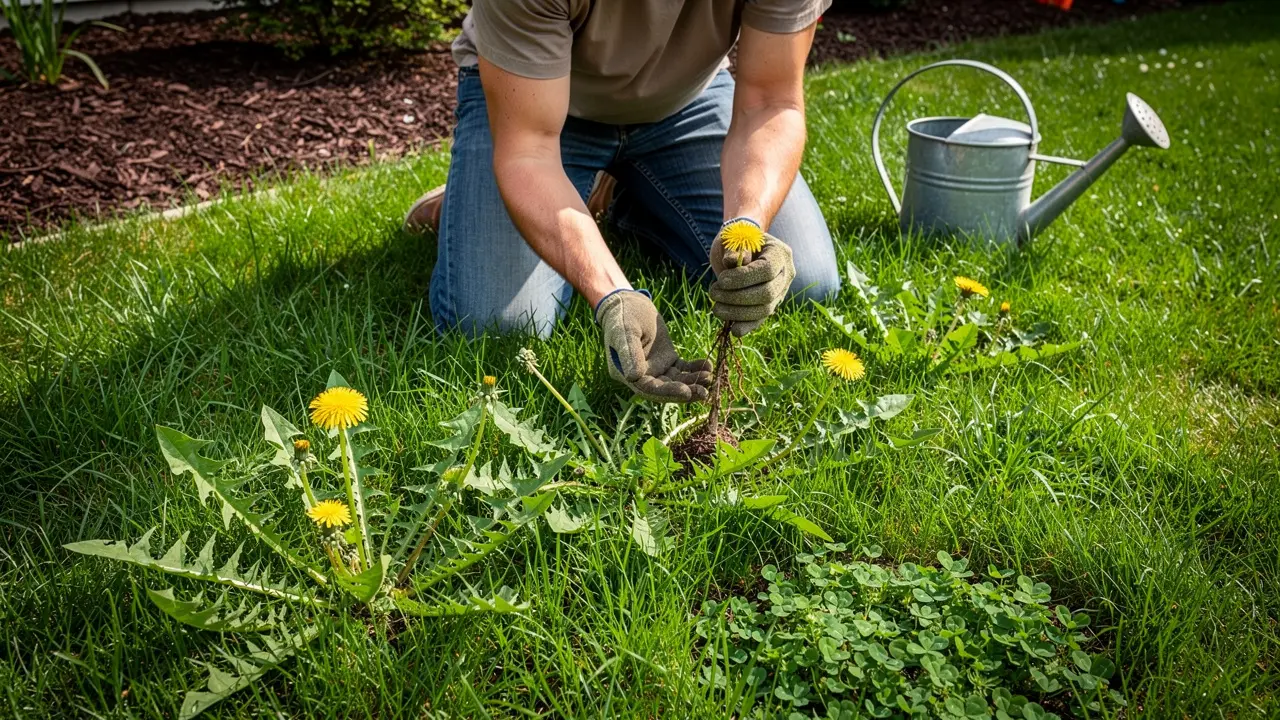
Homeowners in southern Minnesota often find themselves facing a common yet frustrating challenge: the invasion of broadleaf plants in their lawns. These plants, recognizable by their wide, flat leaves and unique flowers, can quickly take over if not managed effectively.
Take dandelions, for example. With each dandelion capable of producing thousands of seeds, the urgency to control them becomes clear; left unchecked, they can quickly dominate your lawn. Spring Touch Lawn & Pest Control provides targeted applications of liquid fertilizer along with broadleaf weed control to assist homeowners in maintaining a healthy lawn.
Then there's clover, often a sign of unhealthy soil. While it displays charming groups of three leaves and aids in nitrogen fixation, it competes with other plants for nutrients. Regular inspections and soil amendments can improve grass health and reduce clover presence, ensuring your lawn thrives.
Plantain is another common broadleaf plant, characterized by its broad, oval leaves. It tolerates heavy foot traffic, making it a frequent presence in lawns. Each broadleaf plantain can generate up to 20,000 seeds, which can worsen plant issues if left unmanaged. Spring Touch's comprehensive strategies for broadleaf weed control can effectively target these species, providing peace of mind for homeowners.
Chickweed, with its small white flowers, spreads rapidly in cool, moist conditions, making it a common sight in early spring.
To efficiently handle these plants, homeowners should perform regular checks of their lawns, especially during the growing period. Recognizing and recording the varieties of unwanted plants present enables prompt action and the application of suitable management strategies. For instance, dandelions can be effectively managed through targeted removal techniques, while clover may require soil amendments to improve grass health. It's crucial for homeowners to be mindful of herbicide use, as these chemicals can wash into waterways, posing risks to local wildlife and the environment. Homemade plant killers are not advised, as they have not been evaluated for effectiveness.
Understanding the life cycles and growth patterns of these plants is essential for creating an effective management plan. By preserving a healthy yard, homeowners can defend against plant issues. With Spring Touch Lawn & Pest Control's organic-based treatments, homeowners can ensure a pet- and family-safe approach to lawn care. Furthermore, considering the seasonal application timetable, including the third treatment of dandelion and general plant control with liquid fertilizer, is vital to sustaining dense grass and preventing plant germination all year round. By understanding these plants and taking proactive steps, homeowners can reclaim their lawns and enjoy a vibrant, healthy outdoor space.

Implement Effective Control Methods for Broadleaf Weeds
Managing broadleaf weed control can feel overwhelming, especially when dealing with persistent infestations. Here are some proven methods to help you tackle this issue effectively:
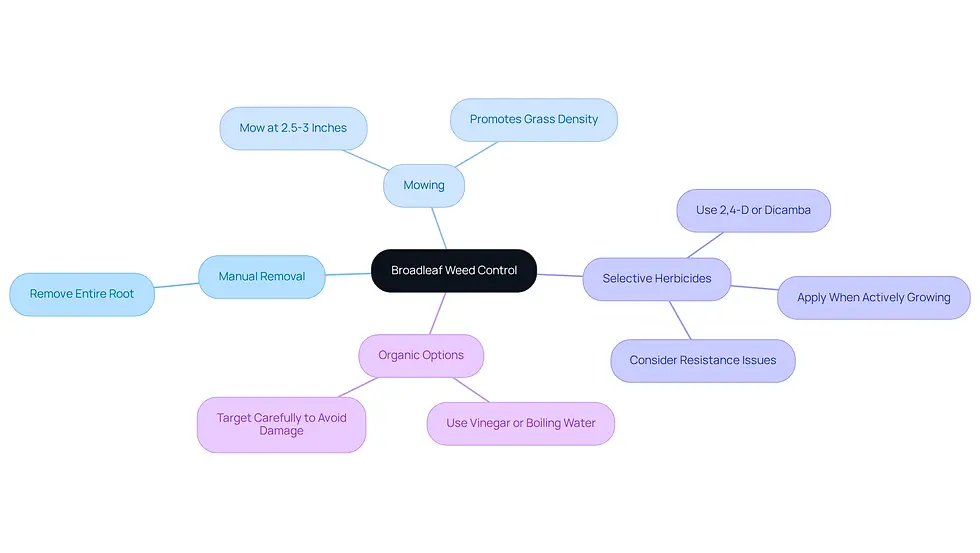
Manual Removal: For small infestations, hand-pulling can be highly effective. Make sure to remove the entire root to prevent regrowth, as even small remnants can lead to a resurgence of the plant.
Mowing: Mowing your lawn to the right height - around 2.5 to 3 inches - helps your grass grow thick and strong. This density allows your turf to outcompete unwanted plants for sunlight and nutrients, reducing their presence.
Selective post-emergent herbicides, like those containing 2,4-D or dicamba, can effectively provide broadleaf weed control without harming your grass. For the best results, use these products as directed on the label, especially when the plants are actively growing. Keep in mind that some plants, like waterhemp, have developed resistance to multiple herbicide modes of action, complicating management strategies. Additionally, Spring Touch Lawn & Pest Control recommends prompt applications of broadleaf weed control and liquid fertilizer to enrich and strengthen your grass, which is essential for preserving a healthy turf.
Organic Options: If you prefer natural solutions, vinegar or boiling water can be used to eliminate unwanted plants. However, these methods may require repeated applications and careful targeting to avoid damaging your desirable plants.
Taking timely action not only protects your lawn but also fosters a thriving, healthy environment for your plants. Studies show that prompt action can lead to a decrease in unwanted plant populations, improving overall grass health and appearance.
Adopt Preventive Practices to Minimize Weed Growth
Many homeowners find themselves overwhelmed by the persistent growth of broadleaf plants, which makes broadleaf weed control necessary to prevent them from quickly taking over their lawns. Broadleaf weed control is often more effective than trying to manage broadleaf plants after they emerge. Here are key preventive practices tailored for homeowners in southern Minnesota:
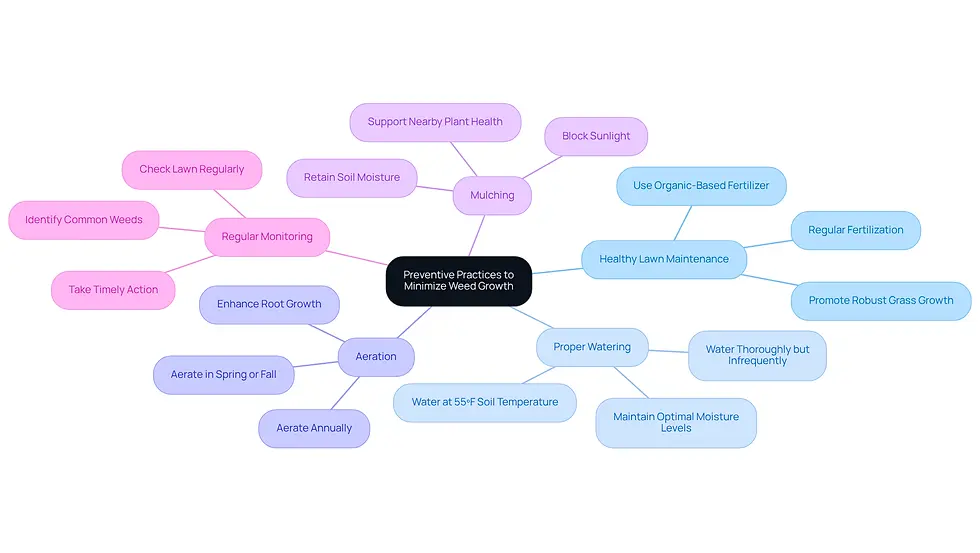
Healthy Lawn Maintenance: Consider using Spring Touch Lawn & Pest Control's organic-based fertilizer to keep your lawn healthy and strong. This fertilizer includes bio-solids and crabgrass preventer, promoting robust grass growth. A healthy lawn is more capable of fighting off unwanted plants because thick grass can outcompete them for nutrients, water, and sunlight. Research shows that a well-fertilized lawn can significantly reduce the presence of unwanted plants, especially in the unique climate of southern Minnesota.
Proper Watering: Water thoroughly but infrequently to encourage deep root development in your turf. Superficial irrigation can lead to weak grass that is more susceptible to unwanted plants. Maintaining optimal moisture levels is crucial, particularly in Minnesota's variable climate. Aim to water when soil temperatures reach around 55ºF for the best results.
Aeration: Aerate your lawn annually to alleviate soil compaction and enhance root growth. This practice allows nutrients and water to penetrate deeper into the soil, benefiting your turf over unwanted plants. Aeration is especially effective in the spring or fall when grass is growing vigorously, particularly before mid-September to mid-October, which is key for managing persistent broadleaf plants.
Mulching: In your garden beds, use mulch to block sunlight and retain soil moisture, which helps inhibit unwanted plant growth. This not only prevents invasive species but also supports the health of nearby plants.
Regular Monitoring: Regularly check your lawn to catch any plant issues early. Taking timely action is essential to prevent unwanted plants from taking root and spreading. By recognizing common plants like dandelions and clover, you can manage them effectively. Experts suggest monitoring for these species, especially in the spring and fall when they are most active.
By incorporating these preventive strategies into your yard care routine, you can greatly improve broadleaf weed control, ensuring a vibrant and healthy garden during the growing season. Additionally, Spring Touch Lawn & Pest Control's second application focuses on broadleaf weed control by targeting dandelions and including grub control, further enhancing your lawn's health and resilience. By taking these proactive steps, you can ensure your garden remains vibrant and healthy, free from the threat of invasive species.
Conclusion
Many homeowners struggle with the challenge of keeping their lawns free from invasive broadleaf weeds, which can quickly take over and ruin the beauty of their outdoor spaces. In southern Minnesota, common culprits like dandelions, clover, and plantain can make this task even more daunting. These weeds can quickly take over, making it hard to keep your lawn looking its best. Ignoring them can lead to a patchy, unhealthy lawn that detracts from your home’s beauty.
However, there’s hope. By understanding these challenges and taking proactive measures, you can effectively manage these invasive plants. Partnering with Spring Touch Lawn & Pest Control gives you access to tailored strategies that prioritize both your lawn's health and environmental safety. Key strategies include:
Identifying common broadleaf weeds
Implementing effective control methods
Adopting preventive practices
Manual removal, proper mowing, and the use of selective herbicides are all vital components of a comprehensive weed management plan.
Maintaining a healthy lawn through proper watering, aeration, and regular monitoring can significantly reduce the likelihood of weed infestations. Spring Touch Lawn & Pest Control's organic-based treatments further enhance these efforts, providing a pet- and family-safe approach to lawn care.
By taking these steps, you can create a beautiful, healthy lawn that enhances your home and provides a safe haven for your family and pets.
Frequently Asked Questions
What are broadleaf weeds, and why are they a concern for homeowners in southern Minnesota?
Broadleaf weeds are plants with wide, flat leaves that can quickly invade and dominate lawns if not managed effectively. They are a concern because they compete with grass for nutrients and can diminish the overall health and appearance of the lawn.
What are some common types of broadleaf weeds found in southern Minnesota lawns?
Common broadleaf weeds include dandelions, clover, plantain, and chickweed. Each of these plants has unique characteristics and can spread rapidly if not controlled.
How do dandelions affect lawns, and what should homeowners do about them?
Dandelions can produce thousands of seeds, leading to rapid spread and domination of the lawn. Homeowners should manage them through targeted removal techniques and consider using Spring Touch Lawn & Pest Control's targeted applications of liquid fertilizer and broadleaf weed control.
What role does clover play in the lawn ecosystem, and how can it be managed?
Clover can indicate unhealthy soil and competes with other plants for nutrients. It aids in nitrogen fixation but can be managed by performing regular inspections and making soil amendments to improve grass health.
What is the significance of plantain in lawns, and how can it be controlled?
Plantain is characterized by broad, oval leaves and can tolerate heavy foot traffic. Each plant can generate up to 20,000 seeds, worsening weed issues if unmanaged. Spring Touch Lawn & Pest Control offers comprehensive strategies for effective control of plantain.
How does chickweed spread, and when is it most commonly found?
Chickweed spreads rapidly in cool, moist conditions and is commonly found in early spring. Homeowners should be vigilant during this time to manage its growth.
What steps can homeowners take to manage broadleaf weeds effectively?
Homeowners should perform regular checks of their lawns, especially during the growing period, to recognize and record unwanted plants. This enables prompt action and the application of suitable management strategies, such as targeted removal techniques and soil amendments.
Why is it important to be cautious with herbicide use?
Herbicides can wash into waterways, posing risks to local wildlife and the environment. Homeowners should be mindful of their use and avoid homemade plant killers that have not been evaluated for effectiveness.
How can Spring Touch Lawn & Pest Control assist homeowners with broadleaf weed management?
Spring Touch Lawn & Pest Control provides targeted applications of liquid fertilizer and broadleaf weed control, along with organic-based treatments that are pet- and family-safe, helping homeowners maintain a healthy lawn.
What is the importance of understanding the life cycles and growth patterns of broadleaf weeds?
Understanding these factors is essential for creating an effective management plan, allowing homeowners to take proactive steps to preserve a healthy yard and defend against weed issues throughout the year.
List of Sources
Identify Common Broadleaf Weeds in Your Lawn
Broadleaf Weeds in Lawns (https://solvepestproblems.oregonstate.edu/lawn-problems/broadleaf-weeds)
Common Broadleaf Weeds Found in Your Yard (https://lawnlove.com/blog/landscaping-common-broadleaf-weeds-found-in-your-yard)
Identify & Manage Common Minnesota Weeds | Rainbow Lawncare (https://rainbowlawncare.com/common-minnesota-weeds)
Common Broadleaf Weeds for the MN Area (https://fertilawnmn.com/broadleaf-weeds-in-mn)
Implement Effective Control Methods for Broadleaf Weeds
(PDF) Mechanical Weed Control Systems: Methods and Effectiveness (https://researchgate.net/publication/374962254_Mechanical_Weed_Control_Systems_Methods_and_Effectiveness)
News - Getting Rid Of Weeds (https://growiwm.org/blog)
News Flash • Wright County, MN (https://wrightcountymn.gov/CivicAlerts.aspx?AID=5140)
Atherton: Declare war against noxious weeds (https://postbulletin.com/sports/northland-outdoors/atherton-declare-war-against-noxious-weeds)
Noxious weeds spread to 9 Minnesota counties | Farm Progress (https://farmprogress.com/weeds/noxious-weeds-spread-to-9-minnesota-counties)
Adopt Preventive Practices to Minimize Weed Growth
How to Prevent Weeds in Your Minnesota Lawn | Lawn Care Tips (https://alexslawnandturf.com/how-to-prevent-weeds-in-your-minnesota-lawn)
Managing weeds in lawns (https://extension.umn.edu/lawn-care/lawn-weeds)
How To Control Weeds in Your Lawn (https://usga.org/content/usga/home-page/course-care/green-section-record/63/issue-04/how-to-control-weeds-in-your-lawn-.html)
The Ultimate Guide to Controlling Weeds in Your Lawn | TruGreen (https://trugreen.com/lawn-care-101/blog/lawn-care-tips/ultimate-guide-controlling-weeds-your-lawn)
Master Summer Lawn Weed Control: Key Practices for Homeowners (https://springtouchlawn.com/post/master-summer-lawn-weed-control-key-practices-for-homeowners)


