.png)
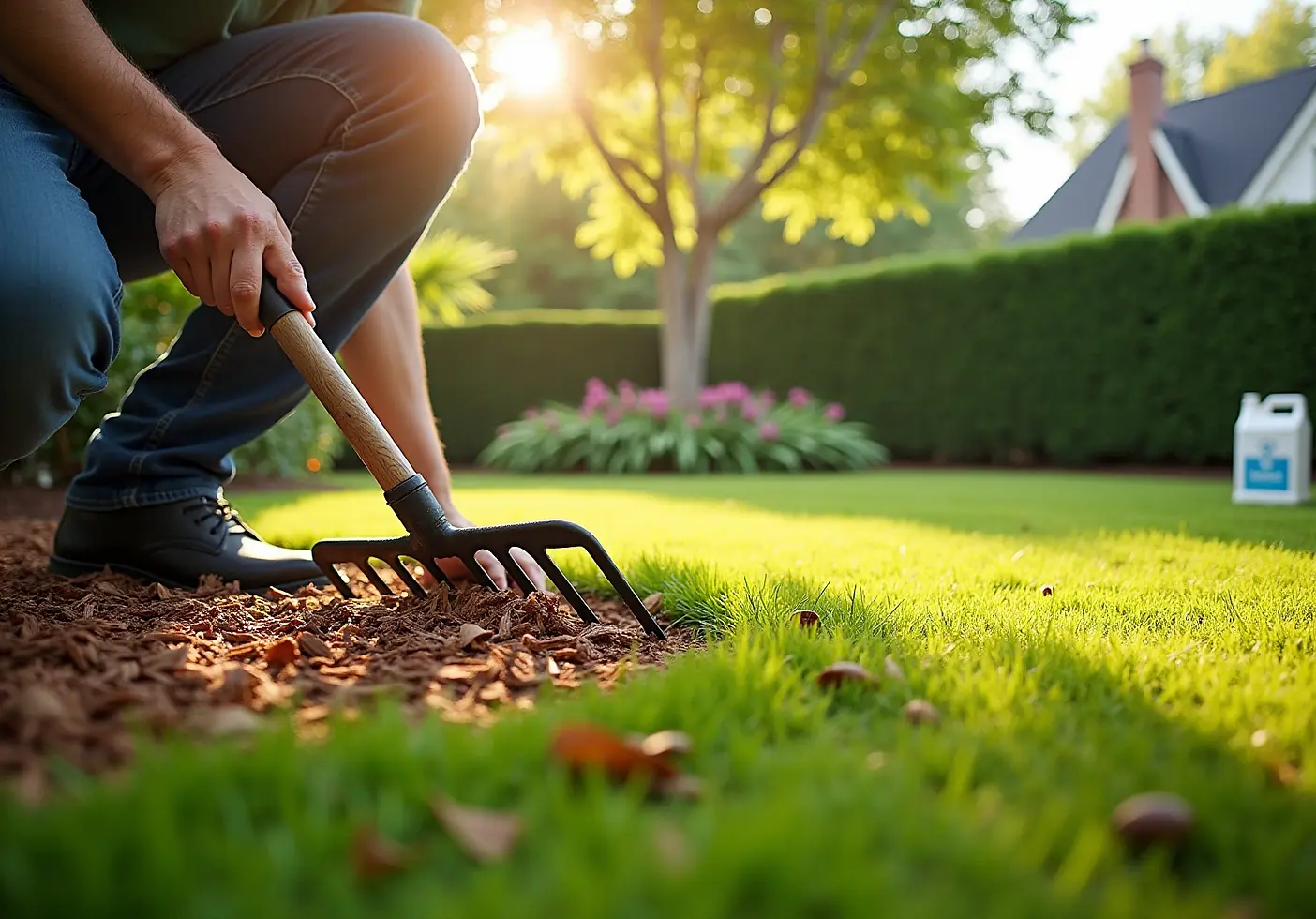
Master Flea Lawn Treatment: Strategies for Effective Control
- Spring Touch Team

- Apr 13
- 6 min read
Updated: 1 day ago
Introduction
Fleas can swiftly turn a serene outdoor haven into a battleground for pet owners, thriving in environments that often go unnoticed. This can be a source of frustration and concern, as these relentless pests invade spaces meant for relaxation and enjoyment. Understanding the complexities of flea biology and behavior is essential for effective control, equipping homeowners with the knowledge they need to combat these nuisances.
But with so many treatment options available, how can one find the most effective strategies for long-term flea management? This article explores comprehensive approaches that not only address existing infestations but also establish preventive measures, ensuring that outdoor spaces remain safeguarded against future invasions.
Understand Flea Biology and Behavior
Fleas pose a significant challenge for pet owners, with a life cycle that includes four distinct stages: egg, juvenile, pupa, and adult. Understanding this cycle is essential for effective control. Adult fleas lay their eggs on their hosts, which then fall into the environment, where they develop into immature forms. These young fleas thrive in dark, damp areas, feeding on organic waste, including the droppings of small animals. After several molts, they pupate and emerge as adults when they detect a nearby host.
This knowledge empowers homeowners to take targeted action, focusing on areas where larvae are likely to flourish and timing treatments to coincide with adult emergence. For example, treating shaded spots and places frequented by pets can significantly reduce flea populations. Additionally, since these pests prefer warm, humid conditions, ensuring your yard has proper drainage and sunlight can help prevent infestations.
It's important to note that for every adult flea on a pet, there could be as many as nine more lurking in your home. This highlights the need for comprehensive management strategies that consider both your pets and their environment. By taking these steps, you can create a more comfortable and flea-free space for your family.

Implement Comprehensive Flea Treatment Strategies
Managing pest populations can feel overwhelming, but you’re not alone in this. The first step is to recognize the importance of a multi-faceted approach. Begin by administering veterinarian-approved parasite medications, like broad-spectrum solutions that not only eliminate adult pests but also help prevent reinfestation. It’s also worth considering professional services from Spring Touch, which specializes in flea lawn treatment and other yard solutions to tackle pests and ticks effectively. Their certified technicians focus on high-risk areas, ensuring that the control measures last up to 21 days, giving you peace of mind.
When it comes to chemical solutions, look for products containing active ingredients such as permethrin or imidacloprid, known for their effectiveness against adult pests. Spring Touch also offers eco-friendly options that are safe for both pets and the environment. If you prefer natural alternatives, diatomaceous earth can be sprinkled in areas where pests tend to hide, providing a non-toxic solution that works.
Timing is key in pest management. Implement treatments during early morning or late afternoon to avoid high temperatures that can reduce effectiveness. Regular mowing and clearing debris can disrupt insect habitats, making your yard less inviting to pests. To break the life cycle and prevent re-infestation, follow up with treatments every two weeks during peak pest season. This comprehensive strategy not only addresses the immediate pest problem but also incorporates flea lawn treatment to help maintain a pest-free environment in the long run, supported by the expert services of Spring Touch.

Establish Preventive Measures for Long-Term Control
Fleas can turn your outdoor space into a source of frustration, making it essential for homeowners to take preventive measures. Overgrown vegetation provides a perfect habitat for these pests, so regular mowing and trimming are crucial. By keeping your yard tidy-clearing away organic waste and ensuring proper drainage-you can significantly reduce the chances of fleas thriving. In fact, research shows that maintaining a debris-free area can cut outdoor insect populations by up to 50%.
But that’s not all. You can further enhance your control efforts by employing beneficial nematodes-tiny worms that target larvae in the soil. Additionally, consider using cedar mulch, which naturally repels fleas and adds a lovely touch to your garden. Creating a barrier, like a fence, can also help keep out animals that might carry these pesky parasites, as pest control specialists recommend.
Don’t forget about your pets! Regular grooming and ongoing pest prevention are vital for breaking the flea life cycle and preventing future infestations. Plus, by using Spring Touch's organic-based fertilizer with bio-solids and crabgrass preventer, you can boost your lawn's health and resilience against pests. This flea lawn treatment not only replenishes nutrients but also reduces the appeal of your lawn to fleas.
By adopting these strategies and keeping a close eye on your yard, you can maintain a flea-free environment all year round, giving you peace of mind and a more enjoyable outdoor space.

Conclusion
Dealing with flea infestations can feel overwhelming, but understanding the problem is the first step toward a solution. Fleas not only disrupt the comfort of your home but can also pose health risks to your beloved pets and family. Recognizing their life cycle and preferred habitats is crucial in tackling this issue effectively.
The good news is that there are proven strategies to combat these pesky invaders. Using veterinarian-approved medications is essential, as is considering professional pest control services when needed. Eco-friendly treatment options are also available, allowing you to protect your home while being kind to the environment. Regular yard maintenance, like mowing and clearing debris, combined with preventive measures such as beneficial nematodes and cedar mulch, can significantly lower flea populations. Timing your treatments right can further enhance their effectiveness, ensuring that your efforts yield lasting results against these persistent pests.
Taking proactive steps not only addresses current infestations but also sets the stage for long-term control. By weaving these best practices into your regular yard maintenance and pet care routines, you can create a healthier outdoor space, free from the nuisance of fleas. Embracing these strategies is vital for safeguarding your home and ensuring a comfortable living environment for both your pets and family members.
Frequently Asked Questions
What are the stages of the flea life cycle?
The flea life cycle includes four stages: egg, juvenile, pupa, and adult.
Where do adult fleas lay their eggs?
Adult fleas lay their eggs on their hosts, which then fall into the environment.
What do juvenile fleas feed on?
Juvenile fleas feed on organic waste, including the droppings of small animals.
Where do young fleas thrive?
Young fleas thrive in dark, damp areas.
What triggers adult fleas to emerge from their pupae?
Adult fleas emerge from their pupae when they detect a nearby host.
How can homeowners effectively control flea populations?
Homeowners can control flea populations by focusing on areas where larvae are likely to flourish and timing treatments to coincide with adult emergence.
What areas should be treated to reduce flea populations?
Treating shaded spots and places frequented by pets can significantly reduce flea populations.
What environmental conditions do fleas prefer?
Fleas prefer warm, humid conditions.
How can proper yard maintenance help prevent flea infestations?
Ensuring your yard has proper drainage and sunlight can help prevent infestations.
Why is it important to consider both pets and the environment in flea management?
For every adult flea on a pet, there could be as many as nine more in the home, highlighting the need for comprehensive management strategies.
List of Sources
Understand Flea Biology and Behavior
usnews.com (https://usnews.com/news/health-news/articles/2026-02-28/flea-and-tick-pills-may-pose-environmental-risks-study-finds)
Flea and tick treatments for dogs and cats may be harming wildlife (https://sciencedaily.com/releases/2026/02/260221000328.htm)
Get the Facts About Fleas | FRONTLINE® Flea & Tick Protection (https://frontline.com/about-fleas)
Breaking the flea life cycle (https://merck-animal-health-usa.com/pet-owners/pet-health/fleas-ticks/breaking-the-flea-life-cycle)
Facts On Fleas - IndyVet (https://indyvet.com/facts-on-fleas)
Implement Comprehensive Flea Treatment Strategies
Yes, you can get fleas from your pets — and they can get fleas from you. Here’s how to prevent them (https://nbcnews.com/select/shopping/how-get-rid-fleas-ncna1262654)
Flea Season is Coming: How to Protect Your Dog in 2026 (https://smartwaypetsupplies.com/blogs/pet-care-guides/flea-season-is-coming-how-to-protect-your-dog-in-2026?srsltid=AfmBOorBaN8owiV6Mvzn3LCGuy3YyBzV2s_N-rA6gCjEUSsImwGnD9qx)
Why Topical Flea Treatments Fail in 2026: Causes and Fixes (https://hardypaw.com/blogs/news/why-topical-flea-treatments-fail-in-2025-causes-and-fixes?srsltid=AfmBOoowH-k5I7kOSO0Q4xfNqdM8ILcVfy5technnr-3as4QGdLmCwN9)
consumerreports.org (https://consumerreports.org/home-garden/pest-control/how-to-flea-proof-your-pet-home-and-lawn-a1173710086)
How to Control Fleas: Natural and Traditional Approaches - Johnson Feed Company (https://johnsonfeedcompany.com/news-updates/how-to-control-fleas-natural-and-traditional-approaches-2025-07-4416)
Establish Preventive Measures for Long-Term Control
Prevention of Fleas is Important Year-Round (https://vetmed.tamu.edu/news/pet-talk/prevention-of-fleas-important-year-round)
Maintaining a Flea-Free Yard: Landscaping Tips and Outdoor Protection | Wake Pest (https://wakepest.com/maintaining-a-flea-free-yard-landscaping-tips-and-outdoor-protection)
Preventing Fleas (https://cdc.gov/fleas/prevention)
How To Get Rid of Fleas in the Yard | PetMD (https://petmd.com/dog/general-health/how-to-get-rid-of-fleas-in-the-yard)


