.png)
Master Lawn Care Weed Control: 4 Best Practices for Homeowners
- Spring Touch Team

- Apr 9
- 7 min read
Updated: 8 hours ago
Introduction
Managing a pristine lawn can often feel like an uphill battle, especially when faced with the relentless invasion of weeds. Many homeowners find themselves overwhelmed by the diverse array of unwanted plants, from stubborn dandelions to invasive crabgrass. It’s frustrating, isn’t it? But here’s the good news: the path to a lush, weed-free yard is not only achievable but can also be simplified through effective strategies and timely interventions.
How can you master the art of weed control and transform your outdoor space into a vibrant landscape? This article explores the best practices for lawn care weed control, equipping you with the knowledge and tools necessary to reclaim your garden and cultivate a healthy, thriving lawn.
Identify Weeds for Effective Control
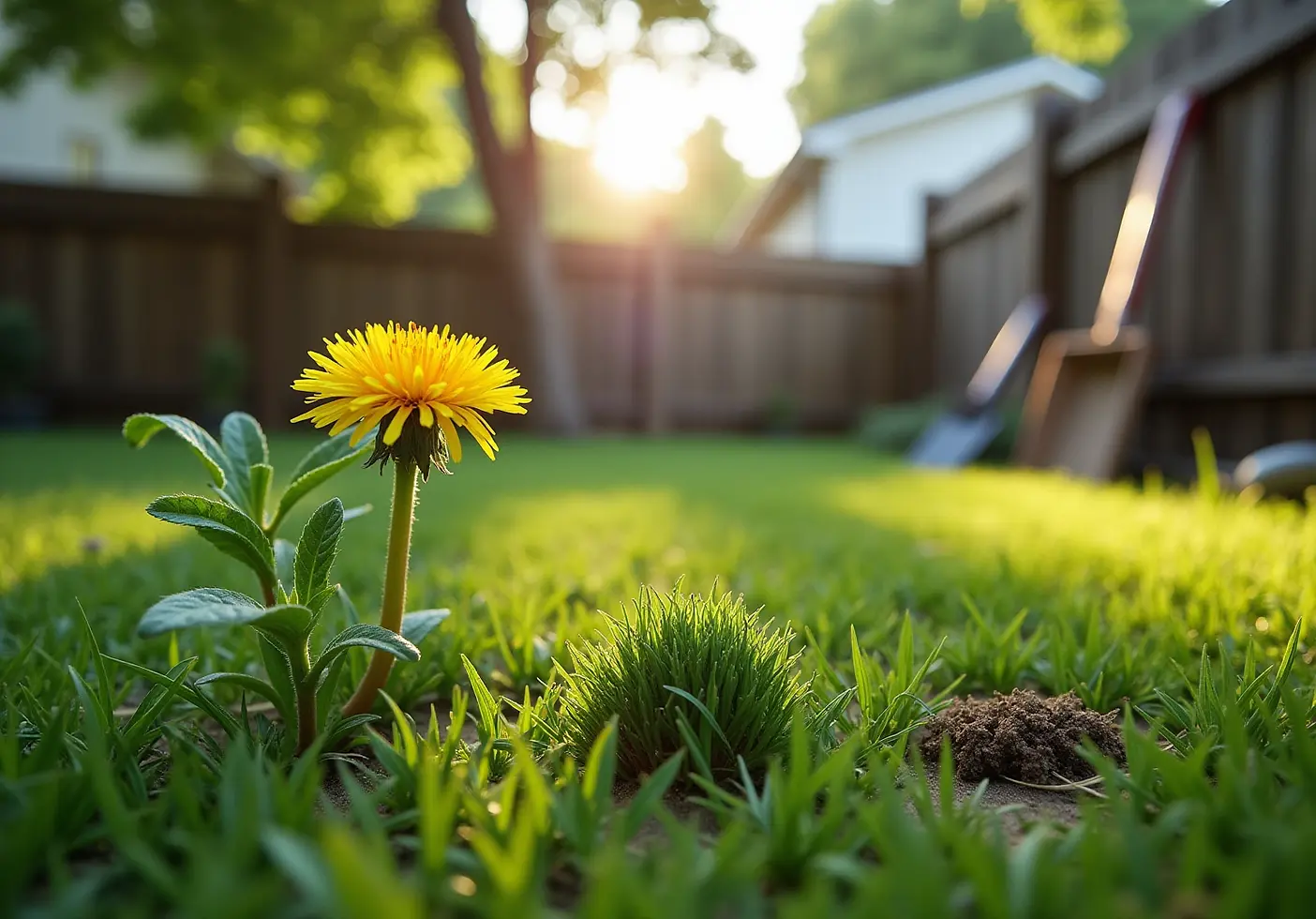
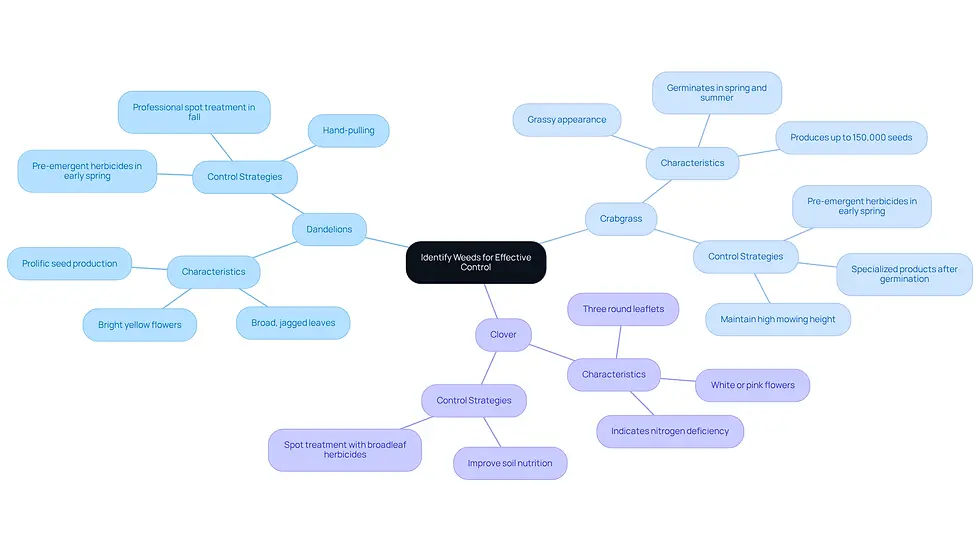
Dealing with unwanted plants can feel overwhelming, but it all begins with identification. Common offenders like weeds each require their own unique strategies for control. Dandelions, for instance, are easily spotted with their broad, jagged leaves and cheerful yellow flowers that bloom in early spring and linger through fall. On the other hand, crabgrass, a summer annual, has a grassy look and flourishes in compacted soil under full sun, sprouting in early spring.
It's understandable to feel uncertain about how to tackle these pesky plants. But don’t worry - help is available. Local extension services and online guides can provide valuable insights into recognizing these plants and their characteristics. By honing in on the specific weeds, you can apply strategies that make your control efforts more efficient and effective.
Consider this: a single dandelion can scatter seeds over hundreds of yards, which highlights the importance of acting early. Additionally, spotting clover can indicate nitrogen deficiency in your soil, offering a chance to improve the overall health of your yard. With the right knowledge, you can confidently take charge of your garden and create a thriving landscape.
Implement Proven Weed Control Methods
Property owners often face the challenge of managing unwanted plants in their lawns, making it a source of frustration. But don’t worry; there are methods to tackle this issue, especially when you have the support of a service that specializes in lawn care.
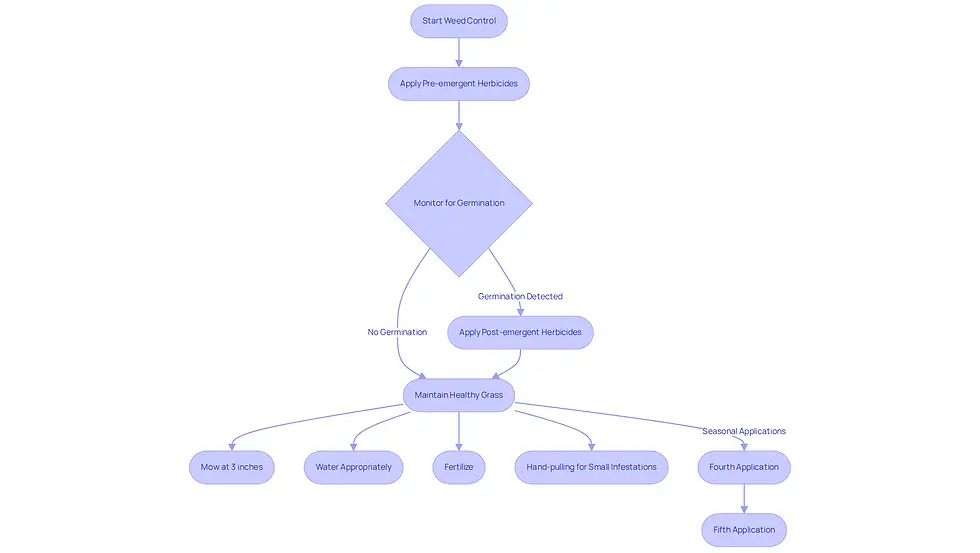
One common problem is the germination of annual weeds like crabgrass. Applying pre-emergent herbicide in early spring can be a game-changer. This initial application combines an organic-based fertilizer with bio-solids and a crabgrass preventer, creating a protective barrier in the soil that stops those pesky seeds from sprouting.
Once weeds have established themselves, targeted treatments come into play. With Spring Touch's second application, you can specifically address existing weeds. This application now includes broadleaf herbicide, addressing both weed and grub infestations. It’s important to choose a product that effectively targets the specific weeds you’re dealing with, ensuring a tailored approach to weed control.
Maintaining a healthy lawn is another key strategy. By practicing appropriate mowing, watering, and fertilization, you can naturally inhibit unwanted plant growth. For example, mowing at the right height-around 3 inches-shades the soil, making it harder for unwanted seeds to germinate. The third application of the product nourishes and thickens your lawn with liquid fertilizer, further promoting healthy grass growth.
For smaller infestations, hand-pulling can be a simple yet effective solution, particularly for perennial weeds. Just be sure to remove the entire root to prevent any chance of regrowth.
Seasonal applications are also crucial. After the third application, the focus shifts to controlling dandelions and broadleaf weeds, keeping them in check. This is especially important since weed seeds can remain dormant for up to 20 years. The fifth application targets late-summer weeds, ensuring a proactive approach to managing unwanted growth.
By combining these techniques with Spring Touch's services, homeowners can create a comprehensive plan that effectively reduces the impact of unwanted plants on their yards, bringing peace of mind and a healthier lawn.
Maintain Lawn Health to Prevent Weeds
To effectively prevent weeds from taking root in your grass, focusing on lawn care and the overall health of your lawn is essential. We understand how frustrating it can be to see unwanted plants invade your beautiful yard. But don’t worry; there are effective strategies you can implement to cultivate a thriving landscape.
Aeration: One of the key steps is aerating your grass. This process alleviates soil compaction, allowing air, water, and nutrients to penetrate more effectively. With Spring Touch’s aeration service, you can reach depths of 6-8 inches into the soil, covering 100% of your turf without leaving behind any plugs or damaging inground wires. This encourages deeper root development and healthier grass, which is vital for a robust landscape.
Watering: Next, consider your watering habits. Implementing a deep but infrequent watering schedule can encourage strong root systems. Aim for about 1 inch of water per week, adjusting based on rainfall. Watering in the early morning allows for optimal absorption and reduces evaporation, which is crucial for preserving grass health. Typically, deep watering once a week is sufficient for most grassy areas, especially during dry spells.
Fertilization: Don’t overlook the importance of fertilization. Applying Spring Touch’s fertilizer in the spring provides essential nutrients that support grass growth and includes a slow-release formula. A well-nourished yard with proper fertilization is better equipped to fend off unwanted plants, significantly decreasing their chances of establishing. With the average cost for grass fertilization services around $103, it’s a worthwhile investment for homeowners looking to maintain a healthy lawn.
Mowing: Regular mowing at the right height is another crucial practice. Keeping your grass taller shades the soil, helping to prevent unwanted plant seeds from germinating. By mowing regularly and at the correct height, you can maintain a healthy yard that naturally inhibits weed growth.
Prevention: Lastly, be mindful of soil disturbance. It can harm the roots of your existing grass and bring buried plant seeds to the surface, complicating your efforts to manage vegetation.
By consistently implementing these practices, you can cultivate a dense lawn that naturally inhibits unwanted plant growth. This not only ensures a vibrant outdoor space but also brings peace of mind, knowing you’re taking proactive steps to protect your investment.

Time Treatments for Seasonal Effectiveness
Timing is crucial when it comes to managing your lawn effectively. Many homeowners face the challenge of unwanted plants taking over their yards, which highlights the importance of care for maintaining an attractive and healthy landscape. But don’t worry; with the right timing and treatments, you can keep your yard looking its best.
In early spring, consider applying Spring Touch's fertilizer, which includes bio-solids and crabgrass preventer. This is the perfect time, ideally when soil temperatures consistently reach 55°F. This treatment not only replenishes nutrients but also prevents pesky plants like crabgrass and spurge from sprouting. Just remember to water in the pre-emergent product after application to activate it.
As summer rolls in, it’s important to focus on controlling existing weeds. Applying herbicides during this season, when plants are actively growing, ensures they are most susceptible to treatment. This can make a significant difference in your efforts.
Early fall presents another opportunity to tackle persistent weeds. Using a targeted herbicide before winter dormancy can effectively manage these plants, reducing their impact come spring. Additionally, consider a second application of pre-emergent to target those weeds that germinate in autumn.
Finally, consistent oversight is key. Regularly checking your yard for new weed growth allows you to respond quickly. Vigilance is essential to prevent unwanted plants from taking root and competing for nutrients.
By following these timing strategies and utilizing effective treatments, you can enhance your weed control efforts. This will lead to a healthier, more attractive lawn that you can be proud of.

Conclusion
Mastering lawn care weed control is crucial for homeowners who want to keep their outdoor spaces vibrant and healthy. Weeds can be a persistent problem, but understanding the specific types of weeds in your yard and using targeted strategies can help you manage and reduce their impact. The journey to a weed-free landscape starts with knowledge and proactive measures, giving you the confidence to take control of your lawn.
Identifying weeds and implementing effective control methods are key practices in this process. Maintaining overall lawn health and timing your treatments are also vital components of a successful weed management strategy. By using pre-emergent herbicides and practicing proper mowing and watering techniques, you can foster a lush lawn that stands strong against unwanted plant invasions. Seasonal applications and consistent monitoring will help you swiftly address any new growth, keeping your yard in top condition.
Ultimately, investing time and effort into these best practices for lawn care weed control not only enhances the beauty of your property but also supports its long-term health. You are encouraged to take action, utilize available resources, and adopt these strategies for a thriving, weed-resistant lawn. With diligence and the right approach, creating the outdoor oasis you desire is well within your reach.
Frequently Asked Questions
Why is it important to identify weeds in my yard?
Accurately identifying weeds is crucial because different varieties, like dandelions, crabgrass, and clover, require unique strategies for effective control. Understanding the specific weeds allows for targeted treatments, making control efforts more efficient.
What are some common weeds mentioned in the article?
Common weeds mentioned include dandelions, crabgrass, and clover.
How can I identify dandelions?
Dandelions can be identified by their broad, jagged leaves and cheerful yellow flowers that bloom in early spring and linger through fall.
What does crabgrass look like and when does it grow?
Crabgrass has a grassy appearance and is a summer annual that flourishes in compacted soil under full sun, sprouting in early spring.
What resources are available to help identify weeds?
Local extension services and online guides can provide valuable insights into recognizing different weeds and their characteristics.
Why is it important to act early against weeds like dandelions?
A single dandelion can scatter seeds over hundreds of yards, which emphasizes the importance of early action to prevent widespread growth.
What does the presence of clover in my yard indicate?
The presence of clover can indicate nitrogen deficiency in your soil, presenting an opportunity to improve the overall health of your yard.
List of Sources
Identify Weeds for Effective Control
Common and Troublesome Weeds Survey - Weed Science Society of America (https://wssa.net/weed/surveys)
Common U.S. Lawn Weeds: ID and Control (https://sodlawn.com/common-lawn-weeds-in-the-u-s-identification-control-guide?srsltid=AfmBOor4yVdP0s5Hx5i8pbKPPVEDT3dvvmtzj4UMNgCtnw21F6gYB6k6)
Weed Facts – Common Weeds in Lawns, Yards, and Gardens (https://bladesofgreen.com/blog/lawn-care/weed-control/weed-facts)
10 Common lawn weeds in Minnesota and how to manage them — Monson Lawn and Landscaping (https://monsonlawnandlandscape.com/blog/10-common-lawn-weeds-in-minnesota-and-how-to-manage-them)
goodreads.com (https://goodreads.com/quotes/tag/weeds)
Implement Proven Weed Control Methods
Postemergence Control of Crabgrass and Other Summer Annual Grasses in Lawns (https://extension.psu.edu/postemergence-control-of-crabgrass-and-other-summer-annual-grasses-in-lawns)
Herbicides use in crop production: An analysis of cost-benefit, non-target toxicities and environmental risks (https://sciencedirect.com/science/article/abs/pii/S0261219424001194)
US Herbicide Market Size & Share Outlook to 2031 (https://mordorintelligence.com/industry-reports/us-herbicide-market)
Post-emergence Herbicide Market Size, Share and Trends Outlook 2034 (https://reportsanddata.com/report-detail/post-emergence-herbicide-market)
Getting the most out of pre-emergence herbicides: It starts with your soil (https://blog-crop-news.extension.umn.edu/2025/04/getting-most-out-of-pre-emergence.html)
Maintain Lawn Health to Prevent Weeds
Why Aeration & Overseeding Is Important (https://pestnow.com/blog/why-aeration-overseeding-is-important)
Why Should You Aerate Your Lawn? (https://lawnstarter.com/blog/lawn-care-2/why-should-you-aerate-lawn)
Yard and Garden: Weeding and Watering Are Necessary Chores (https://extension.iastate.edu/news/yard-and-garden-weeding-and-watering-are-necessary-chores)
Why Aerate? The Importance of Lawn Aeration (https://livetlc.com/blog/lawn-care-independence/why-aerate-the-importance-of-lawn-aeration)
Time Treatments for Seasonal Effectiveness
When to Apply Pre-Emergent Herbicides (https://lawnstarter.com/blog/lawn-care-2/when-to-apply-pre-emergent-herbicide)
Don’t Forget to Apply Post-Emergent Weed Control to Your Lawn Before Winter | Hoffmans Lawn & Fertilization (https://hoffmanslawncare.com/blog/dont-forget-to-apply-post-emergent-weed-control-to-your-lawn-before-winter)
When to Start Pre-Emergent Weed Control for a Healthier Lawn - Borst Landscape & Design (https://borstlandscape.com/articles/when-to-start-pre-emergent-weed-control)
crops.extension.iastate.edu (https://crops.extension.iastate.edu/cropnews/2020/04/preemergence-herbicide-application-timings-pros-and-cons)
Quotes about Weed Management (https://quote.org/topics/weed_management)


