.png)
Master Lawn Weed Control Near Me: Essential Tips for Homeowners
- Spring Touch Team

- Apr 13
- 8 min read
Updated: 22 hours ago
Introduction
Homeowners often find themselves facing a frustrating battle against unwelcome plants that threaten to take over their lawns. This struggle can lead to a less-than-ideal outdoor space, leaving many feeling overwhelmed. Understanding the common weeds that invade Southern Minnesota lawns is essential for effective management and prevention.
With the right strategies and timely interventions, you can cultivate a lush, vibrant yard that not only enhances your home's curb appeal but also creates a serene environment for relaxation.
So, how can you navigate the complexities of lawn weed control to ensure your green spaces thrive amidst these persistent intruders?
Identify Common Lawn Weeds
Efficient plant control begins with recognizing the common intruders in Southern Minnesota lawns. The most prevalent weeds can be a source of frustration for homeowners, but understanding them is the first step toward a healthier yard.
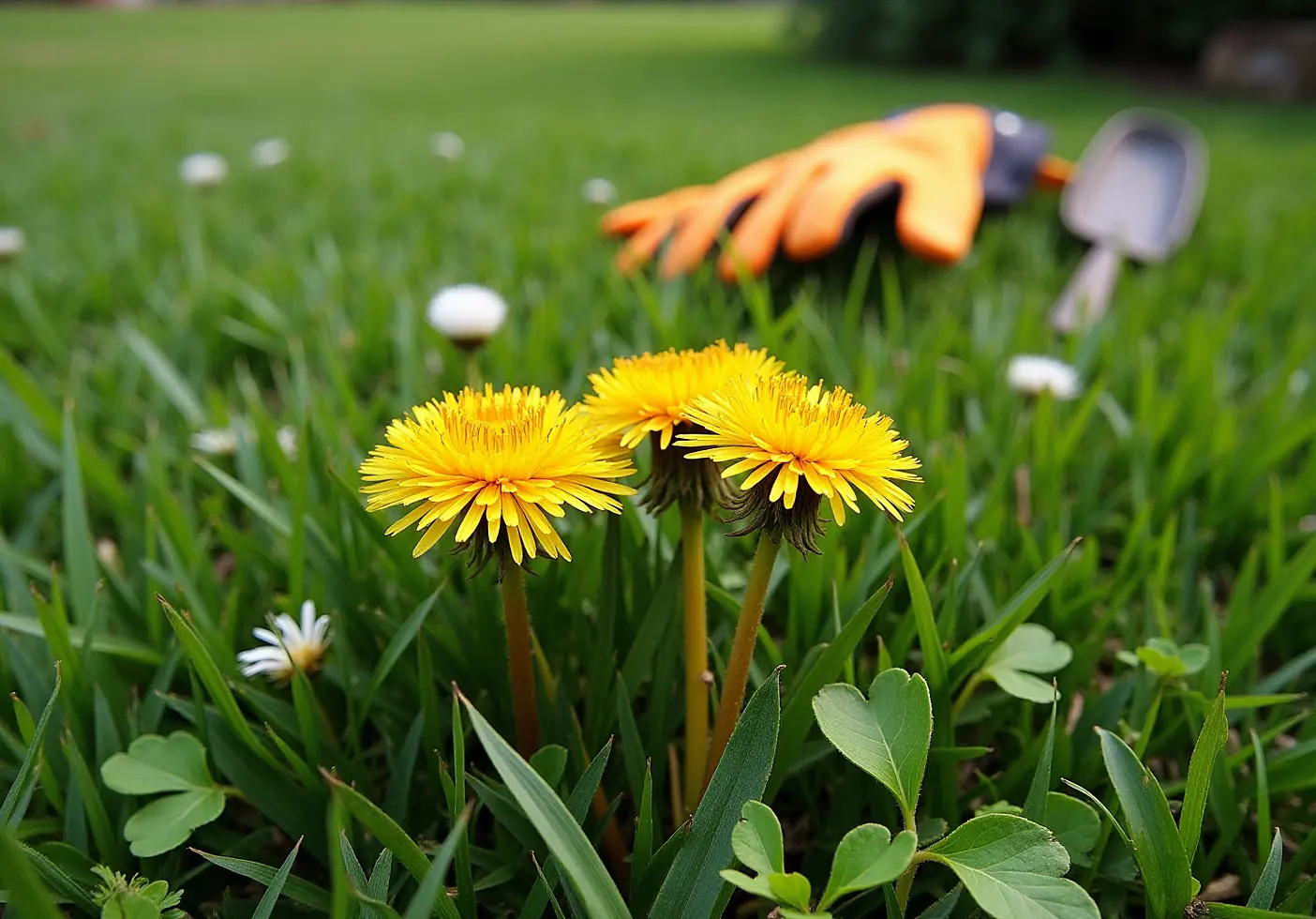
Dandelions are easily spotted with their bright yellow flowers and jagged leaves. They thrive in disturbed soils and can spread quickly, especially during their seedhead stage. If left unchecked, they can take over your lawn. That’s why timely action is crucial. Spring Touch specifically targets dandelions and broadleaf plants, empowering homeowners to manage these intruders effectively.
Crabgrass is another troublesome weed, identifiable by its wide, flat blades and tendency to form patches, particularly in thin or dry areas of grass. Preventing crabgrass requires the right approach, and Spring Touch's initial treatment includes an organic-based fertilizer with a crabgrass inhibitor. This not only helps restore nutrients but also stops crabgrass from dominating your yard this summer. Remember, watering after application can enhance its effectiveness.
Clover, often seen as beneficial, can actually take over grassy areas if not managed properly. It flourishes in nitrogen-deficient soils, making regular fertilizer applications essential for control. With Spring Touch's organic treatments, you can nourish your lawn and reduce clover dominance, ensuring a lush, green space.
Ground Ivy (Creeping Charlie) is another perennial that can quickly become a nuisance. Recognizable by its circular leaves and sprawling growth, it thrives in nitrogen-deficient soils and requires intensive treatment for successful control.
In 2026, six new species were added to the Minnesota Noxious Plant List, underscoring the evolving challenges homeowners face in managing invasive plants. But don’t worry-resources like local extension services or online identification guides can help you accurately recognize these plants. This knowledge enables timely and appropriate action, keeping your yard healthy and vibrant. As one horticulturist wisely noted, "Cultural practices for prevention are the best investment for a weed-free landscape." With the right approach, you can cultivate a beautiful lawn that brings you peace of mind.

Implement Effective Weed Prevention Strategies
Maintaining a healthy lawn can feel like a daunting task, especially when unwanted plants threaten to take over. The good news is that with the right strategies for lawn weed control near me, you can effectively prevent weeds from taking root in your yard.
Mow Regularly: Keeping your grass at a height of 3 to 4 inches is essential. This height not only shades the soil but also makes it challenging for weed seeds to germinate. Experts recommend this approach to minimize competition among plants, ensuring your lawn thrives.
Applying pre-emergent herbicides as a form of lawn weed control near me in early spring is a proactive step that creates a barrier against weed seeds. Look for reliable products containing Prodiamine or Dithiopyr, which are well-regarded for residential lawns. For an added boost, consider 'Spring Touch's first application of organic-based fertilizer with crabgrass preventer. This not only restores nutrients but also helps keep crabgrass at bay during the summer months.
Maintain Healthy Soil: Healthy soil is the foundation of a flourishing garden. Regular aeration and the addition of organic matter can significantly enhance soil health, promoting dense grass growth that outcompetes unwanted plants. 'Spring Touch's seasonal applications, including grub control, target both plants and infestations, ensuring your yard remains robust and vibrant.
Water Wisely: Deep, infrequent watering is key to encouraging strong root growth in grass, making it more resilient against weeds. Aim for about 1 inch of water per week to support optimal grass health. Just be cautious not to run sprinklers too soon after applying herbicides, as this can wash away the products before they have a chance to work.
By implementing effective lawn weed control near me, you can greatly reduce the likelihood of plant infestations and enjoy a flourishing yard. Remember, relying solely on reactive pest management can be five to ten times more costly than preventative measures, highlighting the importance of taking proactive steps. 'Spring Touch's comprehensive approach to lawn maintenance, including targeted treatments for dandelions and broadleaf plants throughout the season, further supports a healthy lawn.
Utilize Targeted Weed Treatment Methods
When unwanted plants invade your yard, it can feel overwhelming. But don’t worry - there are effective ways to manage existing flora and restore your landscape. Here are some proven approaches that can help you regain control:
Spot Treatment with Selective Herbicides: If you’re dealing with small infestations, selective herbicides can target specific weeds without harming your surrounding grass. Just remember to follow the label instructions for safe application. Recent studies show that using pre-emergence herbicides before applying glyphosate can significantly enhance control rates, reducing glyphosate's efficacy loss to just 4.4% per decade, compared to 31.6% for glyphosate alone. This means you can tackle those pesky weeds more effectively.
Hand-Pulling: For larger plants like dandelions, hand-pulling can be particularly effective, especially after rain when the soil is softer. It’s crucial to remove the entire root to prevent regrowth, as even small fragments can lead to new growth. This method not only gives you a sense of accomplishment but also helps keep your yard looking tidy.
Organic Options: If you prefer natural solutions, consider using vinegar solutions or boiling water for small areas. Vinegar, when mixed with dish soap, improves adhesion to plant foliage, allowing the active components to penetrate more effectively. Boiling water provides immediate results by killing plant tissue and roots, making it ideal for quick removal in driveways and rocky areas. These options can be both effective and environmentally friendly.
Overseeding: After treating an area, overseeding with grass and prevent undesirable plants from reestablishing. A denser turf is better prepared to combat unwanted plant growth, resulting in a healthier outdoor area. This not only enhances the beauty of your landscape but also gives you peace of mind knowing you’re taking proactive steps.
By utilizing these focused techniques, you can efficiently control and diminish unwanted plant populations in your yard, ensuring a lush and vibrant landscape that you can enjoy.

Maintain Regular Lawn Care and Monitoring
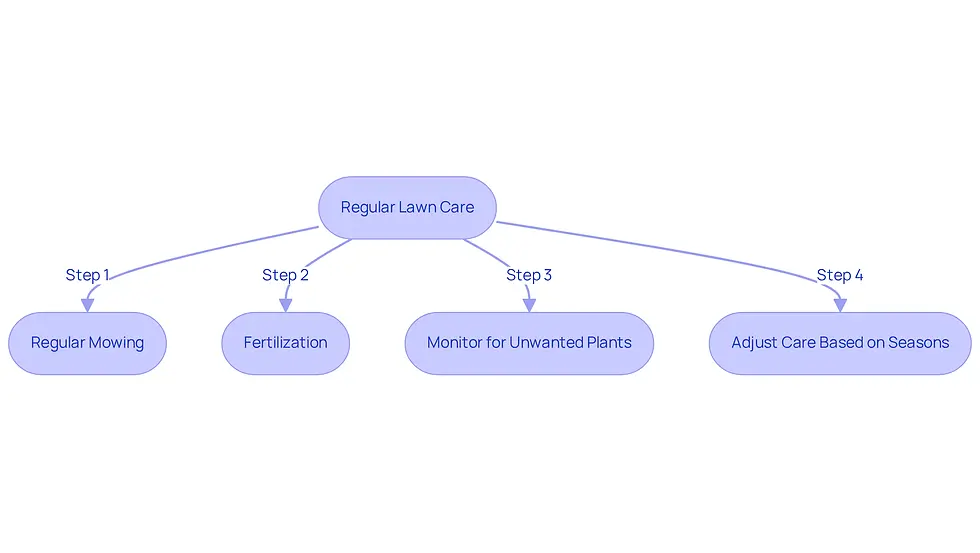
Maintaining a beautiful yard can feel overwhelming, especially when plant problems keep cropping up. But don’t worry-regular yard maintenance and careful observation can help you stop these issues from reappearing. Here are some best practices to guide you:
Regular Mowing: Keeping your lawn at the recommended height of three inches or more is essential for healthy grass growth. This height encourages thick, lush development that effectively crowds out weeds. Regular mowing not only promotes uniform growth but also helps your grass stay vibrant during dry spells, giving you peace of mind that your yard is thriving.
Fertilization: To fortify your grass health, apply Spring Touch's organic-based fertilizer in both spring and fall. This treatment restores essential nutrients while also preventing crabgrass, enhancing your turf's competitiveness against weeds. Proper fertilization is vital; it supplies the nutrients necessary for growth and resilience. Turf experts agree that early attention to grass care strengthens root systems, preparing them to endure the heat of summer and the stress of fall.
Monitor for Unwanted Plants: Regularly checking your lawn for signs of new plant growth is crucial. Early detection allows you to tackle unwanted plants swiftly, making management easier and preventing them from spreading. Remember, unwanted plants often start sprouting when soil temperatures reach around 55 degrees F for several days, so proactive monitoring is key. Spring Touch's seasonal applications focus on dandelions and broadleaf weeds, ensuring your grass remains healthy and weed-free.
Adjust Care Based on Seasons: Tailoring your grass care practices to seasonal changes can make a significant difference. For instance, increase watering during dry periods to support grass health, and adjust mowing frequency based on growth rates. This approach not only enhances your grass's resilience but also promotes environmental sustainability by reducing unnecessary water usage.
By committing to a consistent yard care routine with Spring Touch, you can implement lawn weed control near me, cultivating a robust landscape that minimizes weed growth while enhancing the overall beauty of your outdoor spaces. This proactive approach not only boosts curb appeal but also helps you avoid unexpected repair costs associated with neglected lawns.
Conclusion
Mastering lawn weed control is crucial for homeowners who want to keep their yards vibrant and healthy. Weeds like dandelions, crabgrass, clover, and ground ivy can quickly invade your lawn if not addressed. This can lead to a less appealing outdoor space, causing frustration and disappointment. But don’t worry - by understanding these common weeds and implementing effective control strategies, you can significantly enhance the beauty and health of your yard.
It’s important to take proactive measures. Regular mowing, proper fertilization, and targeted treatments can prevent weeds from taking root in your lawn. Think of it as a protective shield for your grass. Additionally, you have various tools at your disposal, such as:
Selective herbicides
Hand-pulling
Organic options
to effectively combat unwanted plant growth. These methods empower you to reclaim your lawn and keep it looking its best.
Ultimately, maintaining a consistent lawn care routine and keeping an eye out for new weed growth is vital for long-term success. By taking these steps, you not only improve your lawn's appearance but also reduce the risk of costly repairs that come with neglect. Embracing these best practices for lawn weed management ensures a lush, thriving landscape that you can enjoy for years to come.
Frequently Asked Questions
What are the common lawn weeds in Southern Minnesota?
The common lawn weeds in Southern Minnesota include dandelions, crabgrass, clover, and ground ivy (creeping Charlie).
How can I identify dandelions?
Dandelions are easily recognized by their bright yellow flowers and jagged leaves. They thrive in disturbed soils and can spread quickly, especially during their seedhead stage.
What is the best way to manage dandelions?
Timely action is crucial for managing dandelions. Spring Touch's second treatment specifically targets dandelions and broadleaf plants, helping homeowners effectively control these weeds.
What does crabgrass look like and how does it spread?
Crabgrass is identifiable by its wide, flat blades and tends to form patches, particularly in thin or dry areas of grass.
How can I prevent crabgrass in my lawn?
Preventing crabgrass requires the right approach, including the use of an organic-based fertilizer with a crabgrass inhibitor, as included in Spring Touch's initial treatment. Watering after application can enhance its effectiveness.
Is clover beneficial or harmful to lawns?
While clover can be seen as beneficial, it can take over grassy areas if not managed properly, particularly in nitrogen-deficient soils.
How can I control clover in my lawn?
Regular fertilizer applications are essential for controlling clover. Spring Touch's organic treatments can help nourish your lawn and reduce clover dominance.
What is ground ivy and how does it affect lawns?
Ground ivy, or creeping Charlie, is a perennial weed recognizable by its circular leaves and sprawling growth. It thrives in nitrogen-deficient soils and requires intensive treatment for successful control.
What recent changes have occurred regarding noxious plants in Minnesota?
In 2026, six new species were added to the Minnesota Noxious Plant List, highlighting the evolving challenges homeowners face in managing invasive plants.
Where can I find resources to help identify and manage weeds?
Resources such as local extension services or online identification guides can assist homeowners in accurately recognizing invasive plants and taking timely action to manage them.
List of Sources
Identify Common Lawn Weeds
monsonlawnandlandscape.com (https://monsonlawnandlandscape.com/blog/10-common-lawn-weeds-in-minnesota-and-how-to-manage-them)
caplawnc.com (https://caplawnc.com/weeds-in-minnesota)
minnesotaagconnection.com (https://minnesotaagconnection.com/news/new-changes-to-minnesota-weed-list)
Implement Effective Weed Prevention Strategies
extension.psu.edu (https://extension.psu.edu/the-impact-of-mowing-on-weed-pressure)
farmprogress.com (https://farmprogress.com/weeds/trim-costs-with-these-weed-control-insights-for-2026)
2026 Weed Pressure Outlook - Turf Magazine (https://turfmagazine.com/2026-weed-pressure-outlook)
greenerfieldsusa.com (https://greenerfieldsusa.com/blog-spring-weed-control-playbook-2026)
extension.sdstate.edu (https://extension.sdstate.edu/now-time-prepare-your-weed-management-plan-2026-growing-season)
Utilize Targeted Weed Treatment Methods
miamiherald.com (https://miamiherald.com/living/home-garden/article315187626.html)
aces.illinois.edu (https://aces.illinois.edu/news/silver-bullet-wasnt-glyphosates-declining-weed-control-over-25-years)
ocj.com (https://ocj.com/2026/01/introduction-of-new-herbicides)
azquotes.com (https://azquotes.com/quotes/topics/herbicides.html)
quote.org (https://quote.org/topics/weed_management)
Maintain Regular Lawn Care and Monitoring
extension.psu.edu (https://extension.psu.edu/the-impact-of-mowing-on-weed-pressure)
perfectedgelawns.com (https://perfectedgelawns.com/the-importance-of-regular-lawn-maintenance)
rogersgardens.com (https://rogersgardens.com/blogs/current-news-events/lawn-maintenance-climate-change?srsltid=AfmBOop-YoddI3-u2qIrqihdk9kNoEs78mtoXvKANd-a48P0gORdWZC8)
healthylawnnj.com (https://healthylawnnj.com/blog/benefits-of-regular-lawn-care-maintenance)
newsweek.com (https://newsweek.com/spring-lawn-care-start-now-for-a-greener-year-ahead-11745185)


