.png)

How to Fix Brown Patches on Lawn: A Step-by-Step Guide
- Spring Touch Team

- 2 hours ago
- 8 min read
Introduction
Homeowners often feel helpless when their once-thriving lawns turn into patches of disappointment. Understanding the causes and symptoms of these unsightly blemishes is essential for effective management and restoration. This guide will walk you through identifying and treating brown patches, so you can reclaim your lawn and keep it healthy. But it’s easy to feel overwhelmed when solutions seem out of reach or the underlying issues remain hidden. By understanding the intricacies of lawn care, you can not only find your way back to a healthy lawn but also learn how to prevent future issues.
Understand Brown Patches: Causes and Symptoms
Brown patches on lawn can be a real concern for homeowners. One of the main issues is brown patches on lawn caused by brown patch disease, a fungal problem that tends to flourish in warm, humid weather. When night temperatures rise above 60°F, this disease can become particularly severe, especially when the heat spikes above 90°F.
During those hot summer days when rain is hard to come by, your lawn can really suffer from drought stress. Inadequate irrigation can lead to dehydration, causing your grass to lose its vibrant color and health.
When your lawn doesn’t get enough nutrients, particularly nitrogen, it can start to lose its strength and appeal. On the flip side, over-fertilizing can worsen brown patches on lawn severity, making it essential to find that perfect balance in nutrient management.
Finding the right balance in watering is key; too much or too little can really take a toll on your lawn’s health. Overwatering can suffocate roots and encourage fungal growth, while underwatering can lead to drought stress.
Compacted soil can also be a hidden enemy, choking off roots and making it hard for your grass to thrive. Enhancing airflow and drainage through aeration can significantly improve your lawn's health and reduce discoloration.
Spotting these signs early can make all the difference in keeping your lawn healthy and vibrant. By taking proactive steps, you can enjoy a lush, green yard that stands strong against disease and stress.

Identify Brown Patches: Step-by-Step Recognition
Seeing brown patches on lawn can be disheartening, especially when you’ve put so much effort into maintaining a beautiful outdoor space. To tackle this issue, follow these steps to identify the problem and find a solution.
Visual Inspection: Take a leisurely stroll around your lawn and look for uneven areas of discolored turf. Notice the size and shape of these patches, which can range from a few inches to several feet in diameter.
Check for Symptoms: Look for signs of tan spot illness, like elongated tan-tawny lesions and circular yellow-tawny areas. These often appear in humid conditions, particularly when temperatures rise between 70 and 90°F. This disease thrives in Minnesota's hot, humid summers, so recognizing its signs early is crucial.
Assess Soil Moisture: Dig a small hole in the affected area to check the soil moisture. If it’s dry and crumbly, your lawn may be experiencing drought stress. On the other hand, if it’s soggy, overwatering could be the culprit. Managing soil moisture is vital, as too much can promote disease.
Evaluate Turf Type: Identify the type of grass in your lawn. Some varieties, like tall fescue and Kentucky bluegrass, are more susceptible to specific illnesses, including brown spots and red thread, which can appear as circular areas ranging from 12 to 18 inches in diameter.
Consider Environmental Factors: Pay attention to recent weather conditions, such as heavy rainfall or prolonged heat, which could contribute to the problem. Brown patch disease thrives in high humidity and can worsen with over-fertilization.
Consult Local Resources: If you’re feeling uncertain, don’t hesitate to reach out to local lawn care experts who can provide guidance tailored to your situation. Experts like Miri Talabac emphasize the importance of proper turfgrass maintenance to help your grass resist disease on its own.
By following these steps, you’ll not only identify the cause of those pesky brown patches on lawn but also feel more confident in your ability to treat them effectively. Regular turf care practices, such as maintaining proper soil moisture and mowing at the right height, can significantly reduce the risk of disease and promote a healthier green space. For additional help, think about enrolling in a fungus control treatment with Spring Touch Lawn & Pest Control to aid in safeguarding your grass and avert future harm.

Treat Brown Patches: Management and Treatment Options
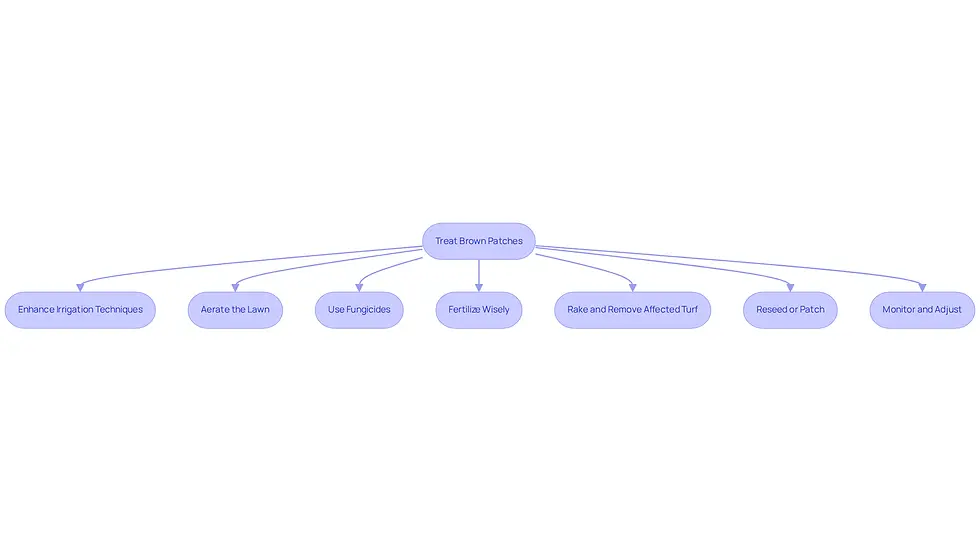
Seeing brown patches on lawn can be disheartening, leaving you worried about the health of your grass. To effectively treat these issues, consider the following management options:
Enhance Irrigation Techniques: Water your grass deeply, but not too often. Aim for about 0.33 inches twice a week or 0.25 inches three times a week. Water early in the morning to allow grass blades to dry before nightfall, which helps prevent fungal growth.
Aerate the Lawn: Aerating your lawn helps break up compacted soil, letting water and nutrients reach deeper where they’re needed most. This process creates openings that are typically 2 to 4 inches deep and spaced about 6 to 12 inches apart, enhancing air circulation and drainage, which are crucial for lawn health. Aeration can increase seed germination success from about 15% to around 30% when combined with overseeding.
Use Fungicides: If you suspect a fungal illness, apply a fungicide specifically formulated for the spot disease. Follow the manufacturer's instructions for application rates and timing to ensure effectiveness. This is especially significant in Minnesota's humid summer conditions, where certain types of fungus can flourish.
Fertilize Wisely: Use a balanced fertilizer to provide essential nutrients. A nitrogen-rich fertilizer can assist in rejuvenating stressed turf, but refrain from using it during active brown outbreaks, as it may worsen the problem.
Rake and Remove Affected Turf: For small patches, raking out dead vegetation can improve airflow and reduce fungal spores in the area, promoting quicker recovery.
Reseed or Patch: For larger areas, consider reseeding with a grass type suited to your climate. Ensure the soil is prepared properly before seeding to enhance germination success.
Monitor and Adjust: After treatment, keep an eye on the affected areas. Modify watering and care practices as necessary to avoid recurrence, ensuring that your grass stays healthy and resilient.
By following these steps, you can tackle the brown patches on lawn and bring your lawn back to life. If you suspect a more serious issue or need assistance, consider signing up for a fungus control treatment with Spring Touch Lawn & Pest Control to help protect your yard and prevent future damage.
Maintain Lawn Health: Prevention and Ongoing Care
Have you ever looked out at your lawn and felt disheartened by the brown patches on lawn? To maintain a healthy lawn and prevent brown patches on lawn from returning, consider these ongoing care practices that can truly make a difference.
Regular Mowing: Imagine stepping outside to a lush, green lawn. To achieve this, keep your grass at the recommended height for your specific type of turf. For fescue, aim for around 3 inches, while Bermudagrass should be kept at approximately 2.5 inches. Mowing too low can stress the turf, increasing its susceptibility to diseases like brown patches on lawn.
Consistent Watering: Establish a regular watering schedule that allows the grass to dry out between waterings. Lawns should ideally receive 1 to 1.5 inches of water weekly. Early morning irrigation (5-9 AM) is suggested to ensure the turf dries by midday, minimizing moisture that can encourage fungal growth.
Fertilization Schedule: Apply fertilizer to your yard at suitable intervals, focusing on spring and autumn for cool-season plants. Using a slow-release fertilizer helps provide nutrients over time, avoiding the excess nitrogen that can lead to soft growth and increased disease susceptibility.
Weed Control: Implement a weed control program to prevent competition for nutrients and water. This can include applying pre-emergent herbicides in early spring to manage weed growth effectively.
Soil Testing: Conduct soil tests every few years to monitor nutrient levels and pH. Adjust your fertilization and care practices based on the results to ensure optimal grass health.
Aeration and Overseeding: Aerate your turf annually using core aeration to alleviate soil compaction and enhance airflow, which is critical for reducing humidity at the base of the vegetation. Overseeding promotes thick, healthy grass that can better withstand stress and disease.
Monitor for pests and diseases by regularly examining your grass for signs of pests or illnesses, including brown patches on lawn, which can appear as irregular, circular areas that are brownish-yellow in hue. Early detection is crucial for taking action before issues worsen, ensuring your garden stays vibrant and healthy.
With these simple yet effective practices, you can cultivate a lawn that not only looks beautiful but thrives year-round, giving you peace of mind.

Conclusion
Brown patches on your lawn can be disheartening, leaving you wondering how to restore its beauty and health. Understanding the causes and symptoms of these issues is crucial for homeowners who want to take proactive measures to bring their lawns back to life. By recognizing the causes of these brown patches, you can take meaningful steps to restore your lawn’s vibrancy and health.
Key strategies include:
Enhancing irrigation techniques
Aerating the lawn
Using appropriate fertilizers and fungicides
Regular maintenance practices, such as:
Consistent mowing
Soil testing
Weed control
play a vital role in preventing the recurrence of brown patches. By implementing these best practices, homeowners in southern Minnesota can cultivate a resilient lawn that withstands the challenges posed by the local climate and soil conditions.
By taking these steps, you’re not just improving your lawn; you’re investing in a vibrant outdoor space that brings joy and peace of mind. For those seeking expert assistance, Spring Touch Lawn & Pest Control offers tailored solutions to ensure your lawn remains healthy and vibrant year-round. Taking action today can lead to a flourishing lawn tomorrow, making every effort worthwhile.
Frequently Asked Questions
What causes brown patches on lawns?
Brown patches on lawns are primarily caused by brown patch disease, a fungal issue that thrives in warm, humid weather, particularly when night temperatures exceed 60°F and daytime temperatures rise above 90°F. Other causes include drought stress from inadequate irrigation, nutrient deficiencies (especially nitrogen), over-fertilization, compacted soil, and improper watering practices.
How does drought stress affect my lawn?
Drought stress occurs when the lawn does not receive enough water, leading to dehydration. This can cause the grass to lose its vibrant color and overall health, resulting in brown patches.
What role does nutrient management play in lawn health?
Proper nutrient management is crucial for lawn health. A lack of nutrients, particularly nitrogen, can weaken the grass, while over-fertilizing can exacerbate brown patch severity. Finding the right balance is essential for maintaining a healthy lawn.
How can watering practices impact my lawn?
Watering practices significantly affect lawn health. Overwatering can suffocate roots and promote fungal growth, while underwatering can lead to drought stress. It's important to find the right balance in watering to keep the lawn healthy.
What is the impact of compacted soil on my lawn?
Compacted soil can choke off roots, making it difficult for grass to thrive. It can hinder airflow and drainage, which are essential for a healthy lawn. Aeration can help improve these conditions and reduce discoloration.
How can I identify brown patches early?
Spotting the signs of brown patches early is crucial for maintaining a healthy lawn. Regularly inspecting your lawn for discoloration and other symptoms can help you take proactive steps to address issues before they worsen.
List of Sources
Understand Brown Patches: Causes and Symptoms
Brown Patch in Turf | NC State Extension Publications (https://content.ces.ncsu.edu/brown-patch-in-turf)
How to Treat Brown Patch Disease In the Lawn | ScottsMiracle-Gro US (https://scottsmiraclegro.com/en-us/learn/lawn-care/how-to-identify-and-control-brown-patch.html)
What to Do About Brown Patch Fungus (https://brightview.com/resources/article/what-do-about-brown-patch-fungus)
What happened to my lawn? Brown Patches – Common causes and what to do about them. - Portland Landscaping Company (https://landscapeeast.com/blog/what-happened-to-my-lawn-brown-patches-common-causes-and-what-to-do-about-them-2020-09)
Identify Brown Patches: Step-by-Step Recognition
Common Turf Diseases (https://fertilawnmn.com/turf-diseases)
Diseases of Home Lawns (https://extension.umd.edu/resource/diseases-home-lawns)
America's $188.8 Billion Lawn - Lawnstarter (https://lawnstarter.com/blog/statistics/lawn-care-landscaping-statistics-2026)
Too much moisture can bring brown patch disease to lawns | CAES Field Report (https://fieldreport.caes.uga.edu/news/too-much-moisture-can-bring-brown-patch-disease-to-lawns)
Treat Brown Patches: Management and Treatment Options
Turfgrass expert offers tips to keep a lawn healthy during drought (https://news.vt.edu/articles/2026/06/lawn-drought-best-care-irrigation-watering-mowing-expert-brown-yellow-grass.html)
How To Treat Brown Patches In Your Yard (https://naturalawn.com/lawn-care-tips/how-treat-brown-patches-your-yard)
What Are the Benefits of Aerating Your Lawn? (https://lawnstarter.com/blog/lawn-care-2/benefits-aerating-lawn)
Lawn Watering Tips | ScottsMiracle-Gro US (https://scottsmiraclegro.com/en-us/learn/lawn-care/lawn-watering-tips---when-is-the-best-time-to-water-your-lawn.html)
What to Do About Brown Patch Fungus (https://brightview.com/resources/article/what-do-about-brown-patch-fungus)
Maintain Lawn Health: Prevention and Ongoing Care
Quick Tips for Avoiding Brown Patch - Garden Tree (https://newgarden.com/blog-posts/quick-tips-for-avoiding-brown-patch)
Tackle Summer Lawn Brown Spots with Ease (https://ryanlawn.com/solutions-for-brown-spots-in-the-lawn)
9 Benefits of Mowing Your Lawn (https://newsouthtractor.com/blog/9-benefits-of-mowing-your-lawn--21955)
How To Treat Brown Patches In Your Yard (https://naturalawn.com/lawn-care-tips/how-treat-brown-patches-your-yard)
What happened to my lawn? Brown Patches – Common causes and what to do about them. - Portland Landscaping Company (https://landscapeeast.com/blog/what-happened-to-my-lawn-brown-patches-common-causes-and-what-to-do-about-them-2020-09)


