.png)

Master Professional Weed Killer Use: Key Practices for Homeowners
- Spring Touch Team

- 4 days ago
- 8 min read
Updated: 5 hours ago
Introduction
For many homeowners, weeds can feel like an overwhelming challenge, quickly taking over gardens and lawns, leaving you feeling frustrated and helpless. Understanding the nuances of professional weed killers is essential for effective control and maintaining a healthy outdoor space. This article delves into the critical practices for selecting and applying herbicides, ensuring safety, and nurturing lawn health post-application.
So, how can you confidently choose the right herbicides and apply them safely to create the beautiful, weed-free lawn you’ve always wanted?
Identify Types of Weed Killers: Selective vs. Non-Selective
Weeds can quickly take over your yard, leaving you frustrated and overwhelmed. Understanding the types of professional weed killers available can help you regain control.
Weed killers, or herbicides, fall into two primary categories: selective and non-selective.
Selective Herbicides are designed to target specific plant types while protecting the plants you want to keep. For example, 2,4-D effectively manages broadleaf plants without harming grasses. This makes targeted weed control products especially suitable for homeowners who want to maintain a vibrant, healthy yard while efficiently managing weed populations. Experts in yard care emphasize that using these targeted professional weed killers can significantly improve turf health, as they minimize damage to the grass. In fact, recent studies show that around 70% of property owners prefer professional weed killers for yard maintenance, highlighting their effectiveness and safety in preserving lively outdoor spaces.
Spring Touch also provides organic fertilizers that nourish your lawn and help prevent crabgrass. This dual-action approach replenishes nutrients while stopping invasive plants from taking over, especially in the spring when ground temperatures rise. To maximize its effectiveness against crabgrass and other weeds, homeowners should apply this fertilizer early in the spring.
On the other hand, Non-Selective Chemicals eliminate all vegetation they touch. Glyphosate is a well-known example, often used to clear areas where plant growth is not desired, like driveways or patios. If you're using these products, just be careful around your grass areas, as they can accidentally harm your turf and other plants you value. Susan Aldrich-Markham, an agronomist with Oregon State University Extension Service, warns that many property owners unintentionally damage their grass when applying non-selective weed killers.
By understanding these differences, you can choose the right professional weed killer for your needs, ensuring effective plant control while also protecting the health of your grass. It's also crucial to follow application guidelines closely to avoid common mistakes, like applying herbicides on windy days, which can lead to drift and unintended damage to other plants. With the right approach, you can transform your lawn into a vibrant oasis, free from unwanted weeds.

Apply Weed Killers Effectively: Timing and Techniques
Many homeowners find themselves overwhelmed by the challenge of unwanted plants in their gardens. To achieve optimal results when applying weed killers, consider the following timing and techniques:
Timing: The ideal application time for weed killers varies by type. For pre-emergent chemicals, early spring is essential to stop unwanted plant seeds from sprouting. Professional weed killer should be applied post-emergently when weeds are actively growing, usually in late spring or early summer, ensuring they are less than 6 inches tall for effective control.
Weather Conditions: Herbicides should be applied on warm, sunny days with temperatures ranging from 60°F to 85°F. Avoid windy conditions to prevent drift to non-target plants. Additionally, ensure that rain is not anticipated within 24 hours of application to allow for proper absorption of the chemical.
Application Techniques: Utilize a tank sprayer for larger areas or a hand-held sprayer for spot treatments with professional weed killer. To help your plants absorb the herbicides better, consider applying them in the early morning or late afternoon when the air is cooler and the humidity is just right. Achieve even coverage by maintaining a steady walking pace and slightly overlapping spray patterns.
Embracing these practices not only safeguards your garden but also brings peace of mind as you nurture your outdoor space.

Ensure Safety: Best Practices for Handling and Applying Weed Killers
When it comes to applying a professional weed killer, the stakes are high, and safety should always come first.
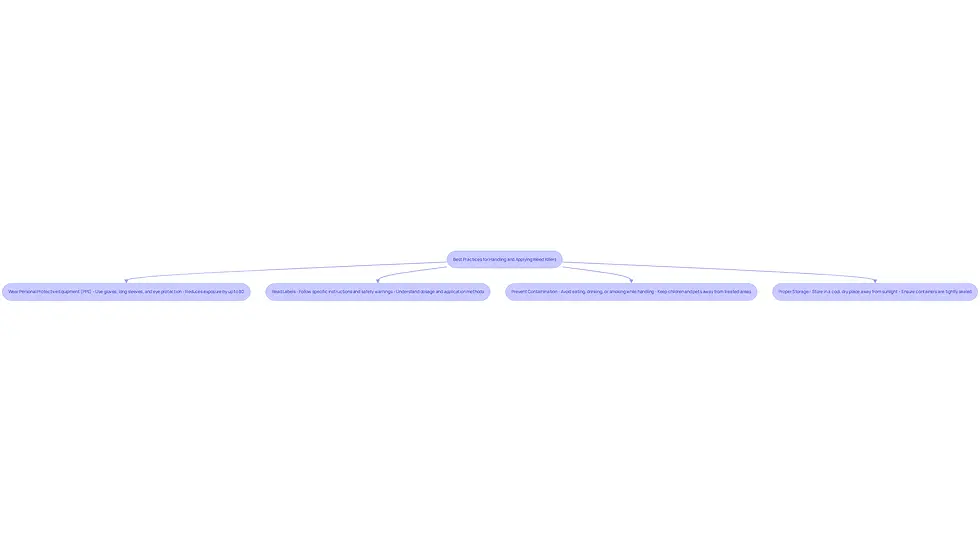
Personal Protective Equipment (PPE): It's concerning that many homeowners skip PPE, unknowingly putting themselves at risk for harmful exposure. Always wear appropriate PPE, including chemical-resistant gloves, long sleeves, and eye protection. Did you know that wearing gloves can cut your pesticide exposure by up to 80%? This highlights the significance of avoiding skin contact with chemical agents. Unfortunately, studies indicate that only around 30% of homeowners regularly utilize PPE when applying professional weed killer, highlighting the need for increased awareness and compliance with safety measures.
Read Labels: Before using any professional weed killer, take a moment to carefully read the product label for specific instructions and safety warnings. This includes understanding the correct dosage and application methods, as well as any required PPE. Environmental health professionals emphasize that neglecting to read labels on professional weed killer can lead to improper application and increased risk of exposure.
Prevent Contamination: It's crucial to avoid eating, drinking, or smoking while handling chemical agents. Ensure that children and pets are kept away from treated areas until it is safe to return, as indicated on the product label. Experts caution that appropriate measures can greatly lower the likelihood of exposure, and stories from property owners demonstrate that those who adhere to these recommendations report fewer health problems associated with chemical exposure.
Proper Storage: Keep chemical treatments in a cool, dry location, away from direct sunlight and out of reach of children and pets. Ensure that containers are tightly sealed to prevent leaks, as improper storage can lead to accidental exposure. Remember, using waterproof gloves and a respirator can provide additional protection, especially when handling concentrated products.
By taking these precautions, you not only safeguard your health but also create a safer environment for everyone around you.
Maintain Lawn Health: Post-Application Care and Monitoring
Taking care of your lawn after herbicide application is essential for its health and vitality. Here are some key steps to follow:
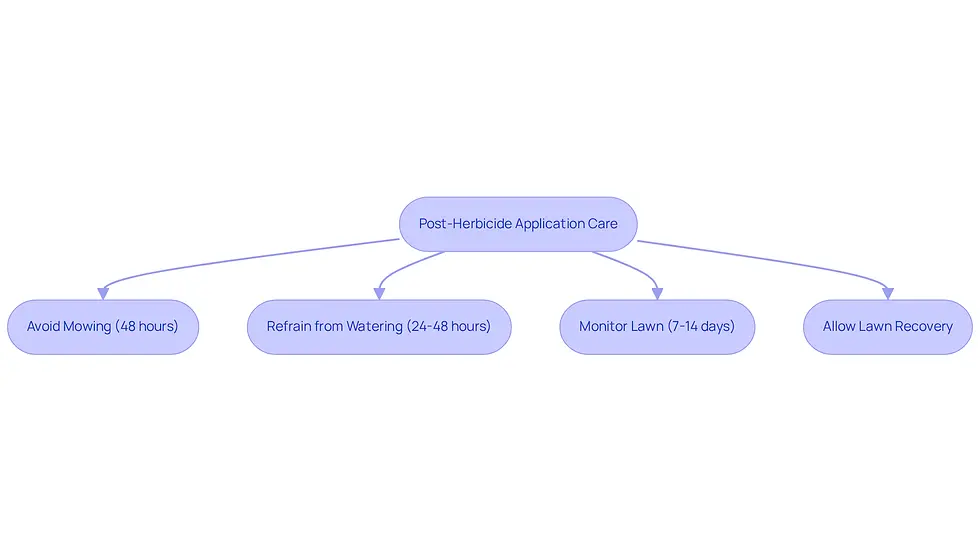
Avoid Mowing: Hold off on mowing your lawn for at least 48 hours after applying herbicides. Waiting helps the herbicide work its magic on the weeds, ensuring the best results.
Watering: Refrain from watering the grass for 24 to 48 hours post-application to keep the herbicide effective. After this initial period, you can resume regular watering to support your lawn's recovery and health.
Monitoring: Many homeowners keep a close eye on their lawns during this time, eager to see the results of their efforts. Look for signs of plant die-off, which usually happens within 7 to 14 days. If you notice some weeds sticking around, which can be frustrating, it’s worth considering a follow-up treatment.
Lawn Recovery: If your grass shows signs of stress, give it some time to bounce back before reseeding or fertilizing. Healthy grass can outgrow any lingering weeds, helping to create a strong turf.
By adhering to these post-application care steps, you can nurture a thriving lawn while effectively managing weeds.
Conclusion
Navigating the world of weed control can feel overwhelming, especially when you want to keep your lawn healthy and beautiful. By distinguishing between selective and non-selective herbicides, homeowners can make informed choices that protect their desired plants while effectively managing unwanted weeds. Timing and careful application are key; they can make all the difference in how your lawn responds to treatment, ensuring both health and environmental safety.
Key insights from this guide highlight the importance of applying herbicides at the right time and under suitable weather conditions. Using personal protective equipment is essential to minimize health risks. Additionally, post-application care, like avoiding mowing and monitoring lawn health, helps your grass recover and thrive after treatment. These best practices empower homeowners to take control of their outdoor spaces with confidence.
By taking these steps, you’re not just fighting weeds; you’re nurturing a thriving environment that brings joy and pride to your home. Embracing these professional tips and techniques allows homeowners to create a lush, green oasis that enhances their property’s beauty and value. Investing time in understanding proper weed killer use will lead to rewarding results, ensuring that your lawn remains a source of pride and enjoyment for years to come.
Frequently Asked Questions
What are the two main types of weed killers?
The two main types of weed killers are selective herbicides and non-selective herbicides.
What are selective herbicides?
Selective herbicides are designed to target specific plant types while protecting desirable plants. For example, 2,4-D effectively manages broadleaf plants without harming grasses.
Why are selective herbicides preferred by homeowners?
Selective herbicides are preferred because they efficiently manage weed populations while minimizing damage to the grass, which improves turf health.
What percentage of property owners prefer professional weed killers for yard maintenance?
Around 70% of property owners prefer professional weed killers for yard maintenance.
What is the purpose of Spring Touch organic fertilizers?
Spring Touch organic fertilizers nourish lawns and help prevent crabgrass, providing a dual-action approach to replenish nutrients while stopping invasive plants.
When should homeowners apply fertilizers to maximize effectiveness against crabgrass?
Homeowners should apply fertilizers early in the spring to maximize effectiveness against crabgrass and other weeds.
What are non-selective herbicides?
Non-selective herbicides eliminate all vegetation they touch, with glyphosate being a well-known example used to clear areas of unwanted plant growth.
What caution should be taken when using non-selective herbicides?
Caution should be taken to avoid applying non-selective herbicides near grass areas, as they can unintentionally harm turf and other valued plants.
What common mistake should be avoided when applying herbicides?
A common mistake to avoid is applying herbicides on windy days, which can lead to drift and unintended damage to other plants.
How can understanding the differences between weed killers help homeowners?
Understanding the differences allows homeowners to choose the right professional weed killer for their needs, ensuring effective plant control while protecting the health of their grass.
List of Sources
Identify Types of Weed Killers: Selective vs. Non-Selective
What You Need to Know About Roundup Herbicide in 2026 - The Coeur d'Alene Coop (https://thecoeurdalenecoop.com/what-you-need-to-know-about-roundup-herbicide-in-2026)
What's New for Agronomic Weed Control: 2026 (https://extension.psu.edu/whats-new-for-agronomic-weed-control-2026)
New herbicide products launch for 2026 season (https://farmprogress.com/weeds/plan-for-2026-new-herbicide-products-worth-watching)
Weed management updates for the 2026 growing season (https://blog-crop-news.extension.umn.edu/2026/04/weed-management-updates-for-2026.html)
In the Weeds Glyphosate News Roundup: April 21, 2026 (https://no-tillfarmer.com/articles/15238-in-the-weeds-glyphosate-news-roundup-april-21-2026)
Warm weather sends herbicides drifting into trouble | Newsroom (https://news.oregonstate.edu/news/warm-weather-sends-herbicides-drifting-trouble)
Apply Weed Killers Effectively: Timing and Techniques
Wind and Rain May Have Delayed Preemergence Herbicide Application: What Now? (https://extension.sdstate.edu/wind-and-rain-may-have-delayed-preemergence-herbicide-application-what-now)
Foamstream - The Herbicide-Free Weed Control Solution by WeedingTech (https://weedingtech.com/blog/what-is-the-best-time-of-year-to-use-weed-killer)
What's New for Agronomic Weed Control: 2026 (https://extension.psu.edu/whats-new-for-agronomic-weed-control-2026)
Weed management strategies for 2026 - Brownfield Ag News (https://brownfieldagnews.com/news/weed-management-strategies-for-2026)
Agronomist says many farmers will be applying post-emergence herbicides soon - Brownfield Ag News (https://brownfieldagnews.com/news/agronomist-says-many-farmers-will-be-applying-post-emergence-herbicides-soon)
Farmers urged to apply early-season herbicides during warm weather window - Brownfield Ag News (https://brownfieldagnews.com/news/farmers-urged-to-apply-early-season-herbicides-during-warm-weather-window)
New herbicide products launch for 2026 season (https://farmprogress.com/weeds/plan-for-2026-new-herbicide-products-worth-watching)
Ensure Safety: Best Practices for Handling and Applying Weed Killers
Pesticide Statistics (https://npic.orst.edu/ingred/stats.html)
Proper gear vital when spraying pesticides (https://farmprogress.com/crop-protection/proper-gear-vital-when-spraying-pesticides)
PPE shortage could affect pesticide applications (https://farmprogress.com/weeds/ppe-shortage-could-affect-pesticide-applications)
Personal Protective Equipment (PPE) for Pesticide Use: Selection, Use, and Legal Requirements [fact sheet] (https://extension.unh.edu/resource/personal-protective-equipment-ppe-pesticide-use-selection-use-legal-requirements-fact-sheet)
BEFORE SPRAYING - PERSONAL PROTECTIVE EQUIPMENT (PPE) - ProLawns (https://prolawnsmn.com/news/before-spraying-personal-protective-equipment-ppe)
Study Finds 2,600 Acute Pesticide Exposure Cases 2007-2011 -- Occupational Health & Safety (https://ohsonline.com/Articles/2016/10/31/Acute-Pesticide-Exposure-Cases.aspx)
EPA rules glyphosate is safe (https://farmprogress.com/farm-business/epa-rules-glyphosate-is-safe)
Applying Glyphosate? Know How to Choose the Right PPE | Pests in the Urban Landscape (https://ucanr.edu/blog/pests-urban-landscape/article/applying-glyphosate-know-how-choose-right-ppe)
Proper PPE Prevents Pesticide Exposure | CropWatch | Nebraska (https://cropwatch.unl.edu/2018/proper-ppe-prevents-pesticide-exposure)
PPE for Spraying Herbicides & Chemicals Safely | myhomeTURF (https://myhometurf.com.au/lawn-tips/safety-comes-first-when-using-lawn-chemicals)
Maintain Lawn Health: Post-Application Care and Monitoring
Is It Safe? Lawn Treatment (https://ysph.yale.edu/news-article/is-it-safe-lawn-treatment)
Roundup Weed Killer | Uses, Safety & Cancer Risk (https://consumernotice.org/environmental/pesticides/roundup)
A look at health concerns as Roundup case reaches Supreme Court (https://pbs.org/newshour/show/a-look-at-health-concerns-as-roundup-case-reaches-supreme-court)
Is Roundup worth the risk for weekend gardeners? New Duke study raises concerns. (https://northcarolinahealthnews.org/2026/03/13/duke-study-roundup-glyphosate-weekend-gardeners)
What You Need to Know About Roundup Herbicide in 2026 - The Coeur d'Alene Coop (https://thecoeurdalenecoop.com/what-you-need-to-know-about-roundup-herbicide-in-2026)


