.png)

Master Summer Lawn Weed Control: Key Practices for Homeowners
- Spring Touch Team

- Apr 11
- 6 min read
Updated: 3 hours ago
Introduction
For homeowners, understanding the nuances of summer lawn care is essential to keeping an outdoor space vibrant and healthy. As warmer weather arrives, the challenge of invasive summer weeds becomes a significant concern. This is especially true in areas like Southern Minnesota, where both broadleaf and grassy weeds flourish. The struggle to maintain a lush lawn can feel overwhelming, but you’re not alone in this battle.
Identifying common weeds is the first step in addressing this issue. Once you recognize the invaders, you can take action. Implementing proper mowing and watering techniques, along with maintaining your mower blades, plays a crucial role in promoting optimal lawn health. By following these strategies, you can effectively manage summer weeds and ensure your lawn remains lush and weed-free.
So, how can you navigate the challenges of summer weed management? Let’s explore the solutions together.
Identify Common Summer Weeds: Broadleaf vs. Grassy Types
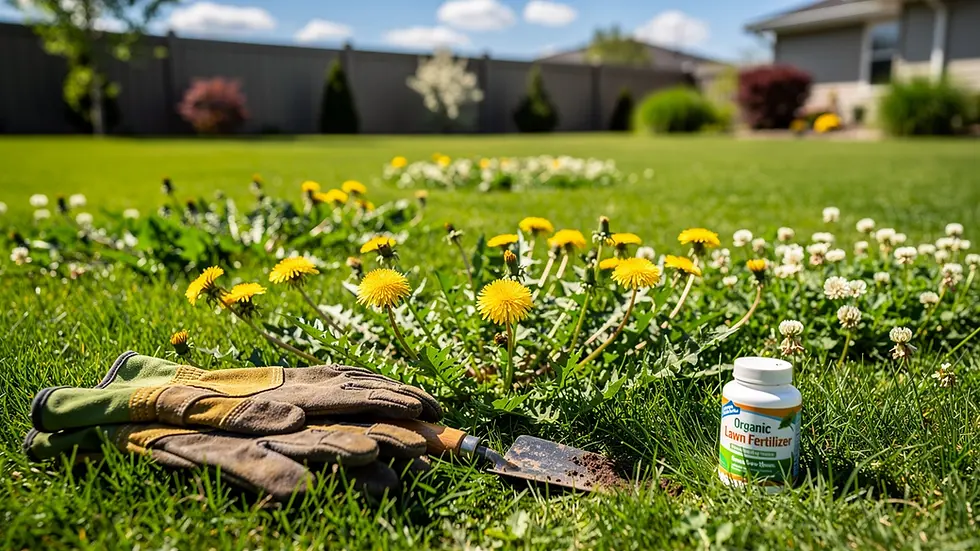
In Southern Minnesota, homeowners often encounter two main types of summer plants: broadleaf and grassy varieties. Broadleaf plants, such as dandelions and clover, stand out with their wide, flat leaves and tend to grow taller than the surrounding grass. On the other hand, grassy plants like crabgrass and foxtail closely mimic grass, showcasing narrow leaves. Understanding these differences is essential for effective plant management.
Many homeowners may feel overwhelmed by the presence of these plants, unsure of how to tackle them. The good news is that broadleaf plants can typically be managed with selective herbicides that target their unique biology. Meanwhile, grassy varieties may need a different approach, such as applying pre-emergent herbicides in early spring to prevent seed germination.
By familiarizing themselves with the common species in their area, homeowners can confidently apply the most effective control methods. This knowledge not only helps in managing their yards but also contributes to maintaining a healthy and vibrant outdoor space.

Understand Challenges of Summer Weed Control
Summer can bring unique challenges for managing your plants, especially in Southern Minnesota. The elevated temperatures and humidity can put a strain on your grass, making it more vulnerable to invasive species. You might notice that drought conditions can take a toll on your lawn's health, as the turf struggles to compete with opportunistic plants. On the flip side, overwatering can create an environment that encourages unwanted growth, leading to a frustrating cycle of stress and infestation.
For instance, if you trim your lawn too short, it reduces its ability to block out unwanted plant seeds, allowing them to thrive in the bare soil. It's important to keep a close eye on your yard and ensure you're using proper irrigation methods. Aim for about 1.5 inches of water each week, focusing on saturating the top six inches of soil. Additionally, maintaining a cutting height of at least 3 to 4 inches can help protect your grass from moisture depletion and strengthen its defenses against invasive plants.
Creating a comprehensive yard maintenance plan that includes:
can further boost your grass's health, making it more resilient against plant invasion. With the right care, you can enjoy a lush, thriving lawn all summer long.

Implement Effective Mowing and Watering Practices
Managing summer plants can feel overwhelming, but with the right strategies, homeowners can create a thriving lawn. One common issue is the growth of unwanted plants, which can quickly take over if not addressed. By mowing at a height of about 3 inches, you can help your turf shade the soil, significantly reducing the chances of undesirable plant seeds germinating. Lee Miller, a turf pathologist, points out that keeping this height blocks sunlight from reaching the soil, making it harder for unwanted plants to establish themselves. Regular mowing not only encourages thicker turf but also further prevents weeds from taking hold. Remember the 1/3 Rule: never cut more than one-third of the blade in a single session. This practice helps maintain the plant's carbohydrate reserves, promoting healthier growth.
In addition to mowing, Spring Touch's first application of organic-based fertilizer, enriched with bio-solids and crabgrass preventer, is vital for summer lawn weed control and restoring nutrients while keeping crabgrass at bay this summer. When it comes to watering, deep and infrequent sessions are key. This method fosters strong root growth, enabling your turf to withstand heat stress and resist unwanted plants. Watering early in the morning is ideal, as it minimizes evaporation and ensures your lawn gets the moisture it needs without encouraging unwanted growth. Aim for about 1 to 1.5 inches of water each week, adjusting based on rainfall and temperature. Plus, leaving plant cuttings on the lawn after mowing acts as a natural mulch, helping to retain moisture and suppress unwanted plants, which further enhances turf health. By combining these practices with Spring Touch's effective summer lawn weed control solutions, you can ensure a lush, weed-free lawn that you can be proud of.

Maintain Sharp Mower Blades for Optimal Lawn Health
Keeping sharp mower blades is essential for achieving a clean cut, which helps your lawn recover quickly and reduces the risk of disease. When blades are dull, they tear the grass instead of cutting it cleanly, leading to ragged edges that can turn brown and make your lawn more susceptible to pests and diseases. To keep your grass healthy, experts suggest sharpening mower blades at least three times during the growing season:
Before it starts
Late spring
Mid-summer
Regular maintenance not only enhances your yard's appearance but also boosts its overall health, which is crucial for summer lawn weed control.
A well-maintained mower operates more efficiently, saving you time and energy during mowing sessions. Turf expert Mike Goatley reminds us, "Your grass won’t have the shine you get with sharp blades." By ensuring your blades are sharp, you can foster a healthier yard, which is important for summer lawn weed control to effectively resist invasive plants. Additionally, using Spring Touch's organic-based fertilizer and crabgrass prevention treatments can further enhance your grass's vitality, especially in spring. These applications replenish essential nutrients and help control weeds, ensuring a robust turf that can withstand diseases common in Minnesota, like Red Thread and Dollar Spot.
By combining sharp mowing practices with effective organic treatments, you can achieve optimal grass health and enjoy a thriving lawn.

Conclusion
Mastering summer lawn weed control can feel daunting for homeowners eager to maintain a healthy and vibrant outdoor space. The struggle against invasive plants like broadleaf and grassy weeds is real, and it can be frustrating to see your efforts undermined. But don’t worry; by understanding these weeds and implementing effective management strategies, you can significantly reduce their prevalence and reclaim your lawn. With proper identification, timely interventions, and diligent maintenance, your lawn can thrive even in the toughest summer conditions.
Key practices to consider include:
The use of selective herbicides for broadleaf weeds
Pre-emergent herbicides for grassy varieties
Maintaining optimal mowing and watering techniques
Regularly mowing at the right height with sharp blades not only enhances your lawn's appearance but also strengthens its resilience against weeds. Plus, sticking to appropriate watering schedules and fertilization can further support grass health, making it more competitive against those opportunistic plants.
Ultimately, effective summer lawn weed control isn’t just about getting rid of unwanted plants; it’s about nurturing a robust ecosystem that encourages healthy growth. Embrace these best practices and stay proactive in your lawn care efforts. By doing so, you’ll enjoy a lush, weed-free lawn that enhances your outdoor living experience and adds to the beauty of your property.
Frequently Asked Questions
What are the two main types of summer weeds found in Southern Minnesota?
The two main types of summer weeds in Southern Minnesota are broadleaf and grassy varieties.
What are some examples of broadleaf plants?
Examples of broadleaf plants include dandelions and clover.
How can you identify broadleaf plants?
Broadleaf plants can be identified by their wide, flat leaves and their tendency to grow taller than the surrounding grass.
What are some examples of grassy plants?
Examples of grassy plants include crabgrass and foxtail.
How can you identify grassy plants?
Grassy plants are characterized by their narrow leaves, which closely mimic grass.
What is a recommended method for managing broadleaf plants?
Broadleaf plants can typically be managed with selective herbicides that target their unique biology.
How should grassy varieties be managed?
Grassy varieties may require a different approach, such as applying pre-emergent herbicides in early spring to prevent seed germination.
Why is it important for homeowners to familiarize themselves with common weed species?
Familiarizing themselves with common weed species allows homeowners to apply the most effective control methods, contributing to a healthy and vibrant outdoor space.
List of Sources
Identify Common Summer Weeds: Broadleaf vs. Grassy Types
mesaturfmasters.com (https://mesaturfmasters.com/blog/broadleaf-weeds-vs-grassy-weeds-whats-the-difference)
Common Broadleaf Weeds for the MN Area (https://fertilawnmn.com/broadleaf-weeds-in-mn)
minnesotaagconnection.com (https://minnesotaagconnection.com/news/new-changes-to-minnesota-weed-list)
woodlawnlawncare.com (https://woodlawnlawncare.com/our-work/weeds-grassy-vs-broadleaf-)
Understand Challenges of Summer Weed Control
thegreenstufflawn.com (https://thegreenstufflawn.com/lawn-care-tips-when-in-a-drought)
turfmagazine.com (https://turfmagazine.com/2026-weed-pressure-outlook)
growiwm.org (https://growiwm.org/wssa-survey-shows-an-urgent-need-for-new-weed-control-strategies)
New study aims to improve drought resilience in lawn grass mixtures | Turfgrass Science (https://turf.umn.edu/new-study-aims-improve-drought-resilience-lawn-grass-mixtures)
invasivespeciescorporation.com (https://invasivespeciescorporation.com/all-news/weed-science-society-of-america-survey-shows-an-urgent-need-for-new-weed-control-strategies)
Implement Effective Mowing and Watering Practices
extension.missouri.edu (https://extension.missouri.edu/news/mow-high-to-keep-weeds-under-control)
ipm.missouri.edu (https://ipm.missouri.edu/meg/2010/4/Proper-Mowing-Practices-for-Your-Lawn)
naturalawn.com (https://naturalawn.com/lawn-care-tips/summertime-weed-control)
spsonline.com (https://spsonline.com/reference/topics/mowing-practices)
carolinafreshfarms.com (https://carolinafreshfarms.com/managing-lawn-weeds-during-the-summer-months)
Maintain Sharp Mower Blades for Optimal Lawn Health
nelsonmotors.com (https://nelsonmotors.com/the-benefits-of-changing-and-checking-blades-belts)
aol.com (https://aol.com/lawn-mower-mistake-wrecking-grass-003816046.html)
icwgroup.safetynow.com (https://icwgroup.safetynow.com/blade-sharpening-landscaping-stats-and-facts?print=pdf)
news.vt.edu (https://news.vt.edu/articles/2024/04/ext-sharpen-lawnmower-blades-for-a-perfect-spring-lawn.html)