.png)

Master Yard Flea Treatment: 4 Steps to a Flea-Free Home
- Spring Touch Team

- 1 day ago
- 8 min read
Updated: 15 minutes ago
Introduction
Imagine your home, once a sanctuary, now filled with the constant irritation of flea bites. Knowing how these pests behave and thrive in southern Minnesota can empower you to take control of your home. This guide offers practical steps to effectively treat yards and maintain a flea-free environment, ensuring a safe haven for families and pets alike. But don’t worry; with the right strategies, you can reclaim your space and protect your loved ones from these persistent pests.
Understand Flea Identification and Behavior
Dealing with fleas can feel overwhelming, but understanding their behavior can empower you to take control. Fleas are tiny, wingless pests that can easily invade your home, often going unnoticed until they become a problem. Let’s explore some important aspects to help you identify and manage these pests effectively:
Identification: Look for adult fleas on pets or in areas where pets frequent. Flea dirt, which appears as tiny black specks, is another indicator of their presence. To verify insect dirt, place it on a damp paper towel; if it turns red, it indicates insect feces.
Life Cycle: Fleas undergo four life stages: egg, larva, pupa, and adult. Knowing their life cycle helps you choose the right treatments to tackle them at every stage. Adult insects can start appearing approximately 8 days after pupal development begins, with the majority emerging by day 13 in ideal conditions. Under normal conditions, adult fleas typically survive for 2-3 months.
Behavior: Fleas flourish in warm, humid conditions and prefer to conceal themselves in carpets, pet bedding, and shaded spots of your garden. They can jump onto hosts, such as pets or humans, to feed on blood, which is vital for their reproduction. To prevent infestations, yard flea treatment is crucial since flea larvae prefer cool, shady areas for their development.
While fleas can carry diseases, staying informed and proactive can help you keep your home safe. By recognizing these signs and understanding the behavior of these pests, you can take proactive steps to manage and eliminate infestations effectively. As the Companion Animal Parasite Council (CAPC) highlights, treating all pets in the household is crucial to attain effective pest control. With the right knowledge and proactive measures, you can create a safe and comfortable environment for your pets and family.

Prepare Your Yard for Flea Treatment
Getting your outdoor space ready is a crucial first step in keeping fleas at bay.
Start by mowing your lawn to a manageable height. Mowing helps treat the area and lets sunlight reach insect eggs and larvae, making it harder for them to survive.
Next, take a moment to clear away any debris like leaves and toys, as this helps reduce hiding spots for fleas. Fleas often find refuge in these areas, so clearing them out can significantly lower their numbers.
Ensure that shrubs and bushes are trimmed back to allow sunlight to penetrate. Since fleas prefer shady spots, letting in more sunlight can help keep them away.
Consider establishing a barrier of wood chips or gravel around your yard to prevent wildlife that may carry parasites from entering your space. This simple step can make a big difference in the effectiveness of your yard flea treatment.
Finally, lightly water your lawn before application. This assists the remedy to infiltrate the soil more efficiently, focusing on larvae.
Taking these steps not only makes your yard less inviting for fleas but also gives you peace of mind knowing you’re doing your part to protect your home.

Implement Effective Flea Treatment Solutions
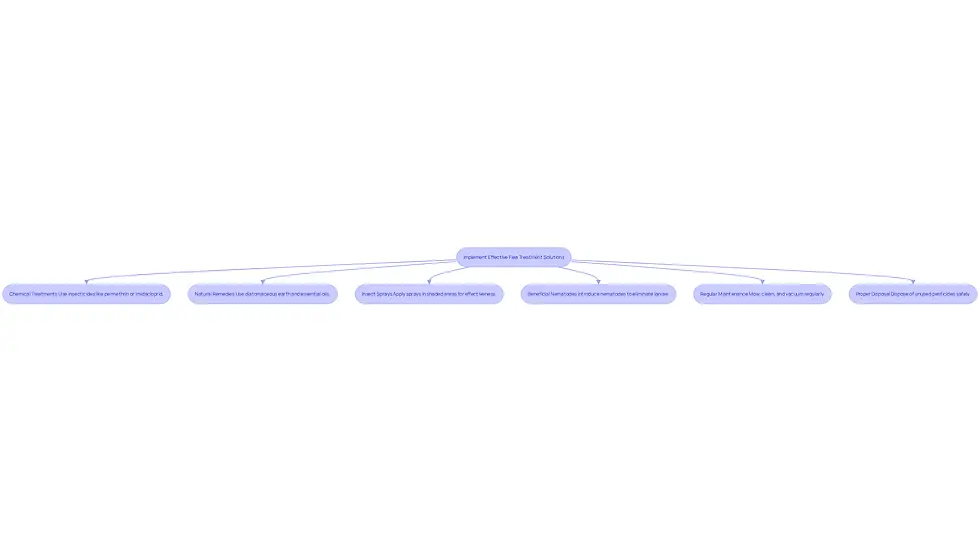
Pest infestations can quickly turn your outdoor space into a source of stress and discomfort. Once your yard is prepared, it's time to implement effective yard flea treatment solutions. Here are some options:
Chemical Treatments: You might want to consider using insecticides that are specifically designed to tackle these pests. Look for products with active ingredients like permethrin or imidacloprid, which effectively target both adult pests and larvae. Make sure to follow the manufacturer's instructions for safe application. It's also a good idea to wear long pants and a long-sleeved shirt for protection.
Natural Remedies: If you prefer a more eco-friendly approach, consider using diatomaceous earth. Sprinkle it in areas where pests are likely to hide, as it works by dehydrating them. Additionally, essential oils like lavender or cedar can deter pests when diluted and sprayed in your garden.
Insect Sprays: Using insect sprays in your garden can be effective, especially in shaded areas and spots where animals often relax. Ensure thorough coverage for maximum effectiveness.
Beneficial Nematodes: Introducing these microscopic worms into your yard can be a great option. They instinctively seek out and eliminate larvae, providing a biological control method that is safe for the environment.
Regular Maintenance: After treatment, maintaining a consistent schedule of mowing and cleaning is crucial to prevent future infestations. Vacuuming can eliminate a substantial portion of larvae and eggs, so be sure to vacuum thoroughly and dispose of the vacuum cleaner bag weekly. Reapply yard flea treatment as advised, particularly during high pest seasons. Typically, follow-up pest control applications are needed 7 to 10 days after the initial treatment to ensure thorough management.
Proper Disposal: Remember to dispose of any unused pesticides properly. Never pour insect dips or other unused pesticides down storm sewers, toilets, or sinks to prevent environmental pollution.
Taking these steps not only protects your yard but also restores your peace of mind.
Maintain a Flea-Free Environment
Keeping your home and yard flea treatment can feel overwhelming, but with the right strategies, you can create a safe haven for your pets and family.
Regular Vacuuming: Try to vacuum daily or several times a week; it can really help disrupt the pest life cycle and keep your home feeling fresh. Frequent vacuuming is crucial, especially in areas where pets spend time. This practice effectively removes eggs, larvae, and adult insects from carpets and upholstery. The vibrations from vacuuming can also encourage adult pests to emerge from their cocoons, making them more susceptible to treatments.
Wash Pet Bedding: Wash your pet's bedding in hot water (preferably at 60° or higher) at least once a week. This routine eliminates any pests or eggs that may be present, significantly lowering the risk of re-infestation. Regular washing is crucial, as pests can endure in bedding and lead to persistent infestations.
Monitor Outdoor Spaces: Keep a watchful eye on your garden for indications of pests. Consistently examine shaded regions and places where animals relax, addressing these areas as needed to prevent pests from establishing. Keeping a neat yard through grass cutting and removing debris can discourage pests, which is essential for effective yard flea treatment, as they favor unkempt areas that offer shelter and breeding sites. With the help of Spring Touch Lawn & Pest Control, you can feel confident knowing that effective solutions are in place, targeting those tricky high-risk areas for up to 21 days.
Utilize Preventive Measures: Apply year-round preventive measures for your animals. Consult your veterinarian to identify the best choices customized to your animals' specific requirements, ensuring they are safeguarded against insect infestations. Using veterinarian-approved treatments is crucial, as they are designed to be safe and effective for your pets.
Maintain Yard Health: Regularly mow your lawn and keep it free of debris. Healthy grass discourages pests, as they favor overgrown regions that offer shelter and breeding grounds. Additionally, avoid overwatering your landscape to prevent humid conditions that are favorable for insect survival. Spring Touch Lawn & Pest Control emphasizes the importance of maintaining a healthy yard through effective yard flea treatment as part of their comprehensive lawn care and pest management solutions.
By implementing these upkeep methods, you can greatly lessen the likelihood of an infestation reoccurring, guaranteeing a pleasant and pest-free space for you and your animals. Remember, follow-up treatments may be necessary within five to ten days after the initial application to eliminate fleas in all life stages, as they can reproduce rapidly and pose health risks to your pets. Trust that with consistent care and the right support, you can enjoy a peaceful, pest-free environment for years to come.

Conclusion
Flea infestations can feel daunting, leaving many homeowners unsure of how to regain control of their spaces. The challenge of managing these pests often leads to frustration and concern for the safety of loved ones. But with the right approach, you can reclaim your home and create a safe haven for your loved ones.
We’ve explored key strategies to tackle fleas, from identifying them to preparing your yard and applying effective treatments that suit your needs. Regular yard care and preventive measures can make all the difference, helping you enjoy a safe and inviting outdoor space.
Keeping your home flea-free is an ongoing journey, one that requires attention and care to truly succeed. With these best practices and the support of professionals like Spring Touch Lawn & Pest Control, you can effectively reduce the risk of flea infestations and create a healthier home.
When you take action now, you’re not just fighting fleas; you’re creating a peaceful home for your family and pets to thrive in.
Frequently Asked Questions
What are fleas and how can I identify them?
Fleas are tiny, wingless pests that can invade your home, often going unnoticed until they become a problem. You can identify adult fleas on pets or in areas where pets frequent. Additionally, flea dirt, which looks like tiny black specks, is another indicator of their presence. To verify flea dirt, place it on a damp paper towel; if it turns red, it indicates insect feces.
What is the life cycle of a flea?
Fleas undergo four life stages: egg, larva, pupa, and adult. Adult fleas can start appearing approximately 8 days after pupal development begins, with most emerging by day 13 in ideal conditions. Under normal conditions, adult fleas typically survive for 2-3 months.
What conditions do fleas prefer for thriving?
Fleas flourish in warm, humid conditions and prefer to conceal themselves in carpets, pet bedding, and shaded spots of your garden. They can jump onto hosts, such as pets or humans, to feed on blood, which is essential for their reproduction.
How can I prevent flea infestations in my home?
To prevent infestations, it is crucial to treat your yard since flea larvae prefer cool, shady areas for their development. Regularly checking and treating all pets in the household is also essential for effective pest control.
What should I do if I suspect a flea infestation?
If you suspect a flea infestation, it is important to recognize the signs and understand the behavior of these pests. Taking proactive steps, such as treating all pets and the environment, can help manage and eliminate infestations effectively.
List of Sources
Understand Flea Identification and Behavior
Flea Prevalence in Dogs and Cats (https://todaysveterinarypractice.com/infectious-disease/flea-prevalence-in-dogs-cats)
About Fleas (https://cdc.gov/fleas/about)
Experts urge fast action to protect pets and homes from fleas (https://koat.com/article/action-protect-pets-homes-fleas-consumer/71588212)
Fleas (https://capcvet.org/guidelines/fleas)
Prepare Your Yard for Flea Treatment
Keeping Fleas Out of Your Yard: Tips for a Happy, Healthy Home | Humane Society of Greater Dayton (https://hsdayton.org/2024/03/keeping-fleas-out-of-your-yard-tips-for-a-happy-healthy-home)
Experts urge fast action to protect pets and homes from fleas (https://koat.com/article/action-protect-pets-homes-fleas-consumer/71588212)
Your Guide to Preparing for Flea and Tick Season (https://aspca.org/news/your-guide-preparing-flea-and-tick-season)
Master Flea Lawn Treatment: Strategies for Effective Control (https://springtouchlawn.com/post/master-flea-lawn-treatment-strategies-for-effective-control)
Implement Effective Flea Treatment Solutions
Urgent warning to pet owners as toxic chemicals found in fake flea treatments (https://gov.uk/government/news/urgent-warning-to-pet-owners-as-toxic-chemicals-found-in-fake-flea-treatments)
How to Get Rid of Fleas | Texas A&M AgriLife Extension Service (https://agrilifeextension.tamu.edu/library/insects/controlling-fleas)
Minister considers banning over-the-counter flea treatments for pets (https://bbc.com/news/articles/clyxpnz45yzo)
Maintain a Flea-Free Environment
Toxic pet flea treatment chemicals found in Wales' rivers harming wildlife (https://bbc.com/news/articles/cze0j2dgkx4o)
Scratching Beneath The Surface: Keeping Pets Flea-Free (https://vetmed.tamu.edu/news/pet-talk/keeping-pets-flea-free)
How to Treat Fleas and Prevent Their Return - Consumer Reports (https://consumerreports.org/home-garden/pest-control/how-to-flea-proof-your-pet-home-and-lawn-a1173710086)
Why the vacuum cleaner is your best weapon against fleas (https://bpca.org.uk/news-and-blog/is-the-vacuum-cleaner-is-your-best-weapon-against-fleas--bpca)
Keep your pet flea-free this summer (https://wsoctv.com/news/local/keep-your-pet-flea-free-this-summer/YVIXQSXB6VACBN3SRTWD5GU7QM)


