.png)

What Does Lime Do for Grass? Benefits and Application Explained
- Spring Touch Team

- 1 hour ago
- 8 min read
Introduction
Many homeowners struggle to maintain a healthy lawn due to the acidity of their soil. It's important to know how lime can help your lawn. Lime, primarily composed of calcium carbonate, plays a crucial role in creating a thriving environment for grass. This article will explore the many benefits of lime for your grass, showing how it helps with nutrient absorption, improves soil structure, and leads to a lush, resilient lawn.
So, what do you do when your soil's pH is too low? Let’s look at how to apply lime effectively for the best results.
Define Lime: Composition and Role in Lawn Care
Many homeowners face the challenge of maintaining a healthy lawn due to the acidity of their soil. Over time, many homeowners struggle with the challenges of acidic soil, which can hinder their lawn's health. By applying calcium carbonate, you can create a thriving environment for your grass, making it more resilient against pests and diseases.
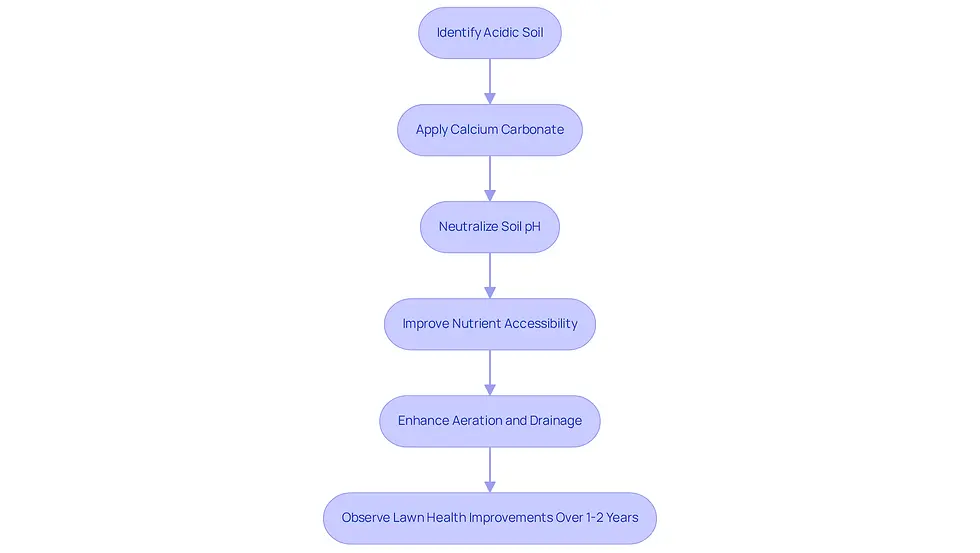
Lime, primarily composed of calcium carbonate (CaCO3), is an essential amendment derived from crushed limestone or dolomite, prompting the inquiry of what does lime do for grass. In lawn maintenance, understanding what does lime do for grass is essential, as its main role is to modify ground pH, especially in acidic terrains, making them more alkaline. This adjustment is crucial, as many types of turf thrive in a neutral to slightly acidic pH range of 6.0 to 7.0.
Calcium carbonate improves nutrient accessibility by neutralizing acidity in the ground, leading to the question of what does lime do for grass in helping turf absorb essential elements like nitrogen, phosphorus, and potassium more efficiently. Additionally, calcium enhances ground structure, encouraging improved aeration and drainage, which are essential for robust root growth.
In southern Minnesota, applying calcium carbonate can significantly influence lawn health, leading to the question of what does lime do for grass by creating an environment favorable for vigorous growth and resistance against pests and illnesses, including typical lawn ailments such as Red Thread and Dollar Spot. It generally requires one to two years for calcium carbonate to modify ground pH after application, so homeowners should be patient in noticing results.
Furthermore, using calcium carbonate before winter aids in stabilizing the ground during the off-season, getting it ready for a more robust spring. It's important to remember that keeping your soil's pH balanced is key to a healthy lawn. Consistent aeration and appropriate fertilization methods, like applying nitrogen-rich fertilizers, can further improve the efficacy of calcium carbonate and promote the overall well-being of your grass, assisting in the prevention and management of diseases effectively.
By taking these steps, you can ensure your lawn not only survives but thrives, providing a lush, green space for your family to enjoy.
Explore the Benefits of Lime for Grass Health
Are you tired of struggling with a lackluster lawn? Applying lime to your lawn can be a game changer, as it raises the question of what does lime do for grass, providing numerous advantages that greatly improve the health of your turf. One of the biggest challenges homeowners face is maintaining the right pH levels for their lawns, which is essential for nutrient absorption. Lawns flourish best when ground pH levels are between 6.3 and 7.0. When the earth becomes too acidic, nutrient availability decreases, making it tough for grass to thrive. In areas like Pennsylvania, many lawns struggle with acidity from rainfall and fertilizers, which can hinder nutrient absorption and weaken turfgrass.
Along with balancing pH, calcium carbonate enhances ground structure, encouraging improved drainage and aeration. This is vital for root health, as compacted earth can limit root growth and water infiltration. Research indicates that applying lime can significantly enhance soil aeration, leading to a better understanding of what does lime do for grass roots to flourish.
Moreover, what does lime do for grass is that it provides essential nutrients such as calcium and magnesium to the soil. These nutrients are crucial for grass health, helping to improve resilience against drought and stress conditions. For instance, Dolomitic Lime, which contains both calcium and magnesium, not only boosts plant growth but also promotes the production of chlorophyll.
Practical instances demonstrate the effectiveness of calcium carbonate in enhancing grass resilience. In the Northwest, applying calcium carbonate has improved ground health, resulting in healthier, greener grass that is more resistant to weeds and pests. By creating a setting that is less conducive to harmful organisms, calcium carbonate can also reduce the occurrence of turf diseases.
Before applying calcium carbonate, it’s wise for homeowners to conduct a soil test to determine the current pH level and assess the need for it. Overall, by nurturing your lawn with calcium, you’re not just improving its health; you’re creating a thriving outdoor space for your family to enjoy.

Understand When and How to Apply Lime for Optimal Results
Are you struggling to maintain a lush, green lawn? The best times to apply calcium carbonate are in the fall and early spring, right when your grass is actively growing. This timing allows the calcium to blend into the ground effectively before the peak growing season. Before you apply, it's a good idea to test your soil to see what the current pH level is and how much calcium carbonate you'll need. For established grass areas, testing every three to four years helps keep your lawn in optimal health.
If you notice your grass struggling to grow, moss taking over, or weeds popping up more than usual, it might be time to explore what does lime do for grass. To enhance your lawn care, think about using Spring Touch Lawn & Pest Control's organic-based fertilizer with bio-solids. This not only replenishes nutrients but also includes a crabgrass preventer to keep your grass healthy. Plus, their second application targets dandelions and broadleaf weeds while incorporating grub control, providing a comprehensive approach to weed management that complements your calcium treatment.
You can easily distribute lime using Pennington Fast Acting Lime with a standard spreader, ensuring thorough coverage. Just remember, it's best to avoid applying calcium carbonate on damp or frost-covered grass to ensure it works effectively. After application, watering your lawn is crucial to activate the calcium, which helps it absorb into the ground and improves nutrient availability for robust grass growth, highlighting what does lime do for grass. Taking these steps will not only enhance your lawn's health but also give you the peace of mind that comes with a thriving outdoor space.

Assess Soil pH: The Importance of Testing Before Lime Application
Understanding your ground's pH is crucial for nurturing a healthy lawn. Homeowners can easily check their soil's pH using DIY test kits or by sending samples to local extension services for analysis. If your pH level falls below 6.0, it often indicates that calcium carbonate is needed. This is important because acidic soil can limit nutrient availability and negatively affect your plants' health.
Regular testing not only keeps you informed about your soil's health but also empowers you to take action when needed. By knowing the specific pH needs of your grass type, you can confidently apply lime, which raises the question of what does lime do for grass to ensure your lawn thrives under your care.
Taking these steps not only enhances your lawn's health but also brings peace of mind, knowing you're providing the best care possible.

Conclusion
Applying lime to your lawn can feel overwhelming, but it’s a crucial step towards a vibrant outdoor space. Understanding how calcium carbonate modifies soil pH can help you create an environment that supports robust grass growth and resilience against pests and diseases. Lime does more than just adjust pH; it helps your grass absorb nutrients better, strengthens the soil, and makes it more resilient to drought, all essential for a thriving lawn.
Throughout this article, we’ve highlighted key insights, like the importance of testing soil pH before application and the optimal timing for lime application. Homeowners in southern Minnesota can particularly benefit from these practices, as they address the unique challenges posed by the region's climate and soil conditions. By incorporating lime into your lawn care routine, you’re giving your grass the essential nutrients it needs to flourish.
When you take steps like applying lime and testing your soil, you’re giving your lawn the best chance to thrive, creating a space you can be proud of. For those looking to enhance their lawn care efforts, partnering with Spring Touch Lawn & Pest Control can provide expert guidance and support, ensuring that every lawn in Mankato, Rochester, and the surrounding areas thrives beautifully. By taking these steps, you’re not just improving your lawn; you’re creating a sanctuary for your loved ones to gather and enjoy life together.
Frequently Asked Questions
What is lime and what is its composition?
Lime is primarily composed of calcium carbonate (CaCO3) and is derived from crushed limestone or dolomite.
What role does lime play in lawn care?
Lime modifies ground pH, especially in acidic soils, making them more alkaline. This adjustment is crucial for many types of turf that thrive in a neutral to slightly acidic pH range of 6.0 to 7.0.
How does lime benefit grass?
Lime improves nutrient accessibility by neutralizing soil acidity, allowing turf to absorb essential elements like nitrogen, phosphorus, and potassium more efficiently. It also enhances ground structure, promoting better aeration and drainage for robust root growth.
How does lime affect lawn health in southern Minnesota?
In southern Minnesota, applying calcium carbonate can significantly improve lawn health by creating a favorable environment for vigorous growth and resistance against pests and diseases, such as Red Thread and Dollar Spot.
How long does it take for lime to modify soil pH?
It generally requires one to two years for calcium carbonate to effectively modify ground pH after application.
Should lime be applied before winter?
Yes, using calcium carbonate before winter helps stabilize the ground during the off-season, preparing it for a more robust spring.
What additional practices can enhance the effectiveness of lime?
Consistent aeration and appropriate fertilization methods, such as applying nitrogen-rich fertilizers, can further improve the efficacy of calcium carbonate and promote overall lawn health.
What is the importance of maintaining balanced soil pH?
Keeping soil pH balanced is key to a healthy lawn, as it supports nutrient absorption and helps prevent and manage diseases effectively.
List of Sources
Define Lime: Composition and Role in Lawn Care
Lime Fixes Hidden Soil Acidity | Virginia Green (https://virginiagreen.com/news/hidden-threat-soil-acidity-how-it-impacts-your-lawn-and-how-lime-can-help)
Why Lime Treatments Matter for a Healthy, Green Lawn | RD’s Total Lawn (https://rdtotallawn.com/the-importance-of-lime-treatments-for-strong-healthy-grass)
Lime for Lawns: Why, When, and How to Lime a Lawn (https://lawnstarter.com/blog/lawn-care-2/why-how-to-lime-lawn)
Explore the Benefits of Lime for Grass Health
Lime Fixes Hidden Soil Acidity | Virginia Green (https://virginiagreen.com/news/hidden-threat-soil-acidity-how-it-impacts-your-lawn-and-how-lime-can-help)
Benefits of Lime for Your Lawn (https://lawnlove.com/blog/benefits-of-lime-for-lawn)
The Benefits of Adding Lime to Your Lawn and When to Apply It… | A&A Lawn Care & Landscaping (https://aalawns.com/the-benefits-of-adding-lime-to-your-lawn-and-when-to-apply-it)
Lime improves your lawn's health • In Harmony Sustainable Landscapes (https://inharmony.com/lime-improves-your-lawns-health)
Why Lime Treatments Matter for a Healthy, Green Lawn | RD’s Total Lawn (https://rdtotallawn.com/the-importance-of-lime-treatments-for-strong-healthy-grass)
Understand When and How to Apply Lime for Optimal Results
Why, When and How to Apply Lime to Your Lawn (https://pennington.com/all-products/grass-seed/resources/does-your-lawn-need-lime)
What Lime Does to Soil and When to Apply It | LawnMatters (https://lawnmatters.com/lime-treatments-for-your-lawn-what-lime-does-to-)
Why Lime Treatments Matter for a Healthy, Green Lawn | RD’s Total Lawn (https://rdtotallawn.com/the-importance-of-lime-treatments-for-strong-healthy-grass)
Lime for Lawns: How Much & When to Apply Lime? (https://spring-green.com/learn/blogs/blog-lawn-need-lime-treatment)
Assess Soil pH: The Importance of Testing Before Lime Application
Why Every Homeowner Should Get a Soil Test | Virginia Green (https://virginiagreen.com/news/benefits-homeowner-soil-test)
Soil Testing for Lawns | MU Extension (https://extension.missouri.edu/publications/g6954)
Soil pH: Importance, Testing & Sampling (https://washington.cce.cornell.edu/horticulture-gardening/soil-ph-importance-testing-sampling)
Reasons to Take Soil Tests | Lawn Care (https://info.supersod.com/lawn-care/why-is-soil-testing-important)
Soil pH: Techniques, challenges and insights from a global dataset (https://bsssjournals.onlinelibrary.wiley.com/doi/10.1111/ejss.70021)


