.png)

When Should You Put Lime on Your Lawn for Best Results?
- Spring Touch Team

- 4 days ago
- 8 min read
Updated: 3 minutes ago
Introduction
Many homeowners struggle to understand why their lawns aren't thriving despite their best efforts. One of the most crucial elements that can lead to a lush, green landscape is the pH level of the soil, which is where lime comes into play.
Let’s explore the best times and methods for applying lime to help your lawn flourish, ensuring that you can maximize its potential and combat issues like nutrient deficiencies and disease susceptibility.
Understanding the right timing for lime application can be the key to a vibrant, healthy lawn that stands resilient against challenges.
Understand the Role of Lime in Lawn Health
Have you noticed your lawn struggling to thrive? The secret might lie in the pH levels of your soil, which raises the question of when should you put lime on your lawn to restore its health. Most types of turf flourish in a slightly acidic to neutral pH range of 6.0 to 7.0. When the pH dips below 6.0, your lawn may be missing out on essential nutrients, which can lead to weak growth and increased susceptibility to diseases, such as:
Red Thread
Dollar Spot
Ascochyta Leaf Blight
Brown Patch, often seen in Minnesota.
It’s concerning to think that up to 52 percent of phosphorus applied can be lost if the pH is below 6.0. This highlights just how important it is to understand when should you put lime on your lawn to maintain those ideal ground pH levels.
When should you put lime on your lawn? Lime, primarily composed of calcium carbonate, helps neutralize acidic soil, making vital nutrients like nitrogen, phosphorus, and potassium more accessible to your grass roots.
Additionally, dolomitic calcium carbonate offers the added benefit of magnesium, which is essential for plant growth and supports chlorophyll production. Calcium also improves soil structure, boosts microbial activity, and enhances water retention, all contributing to a lush, green landscape. By maintaining a balanced pH, you’re not just helping your grass; you’re nurturing a vibrant, resilient landscape that can withstand the challenges of the seasons.
Understanding these benefits is crucial; it empowers you to take action and ensure your lawn remains healthy and beautiful, ready to face any challenges that come its way.

Test Your Soil pH Levels
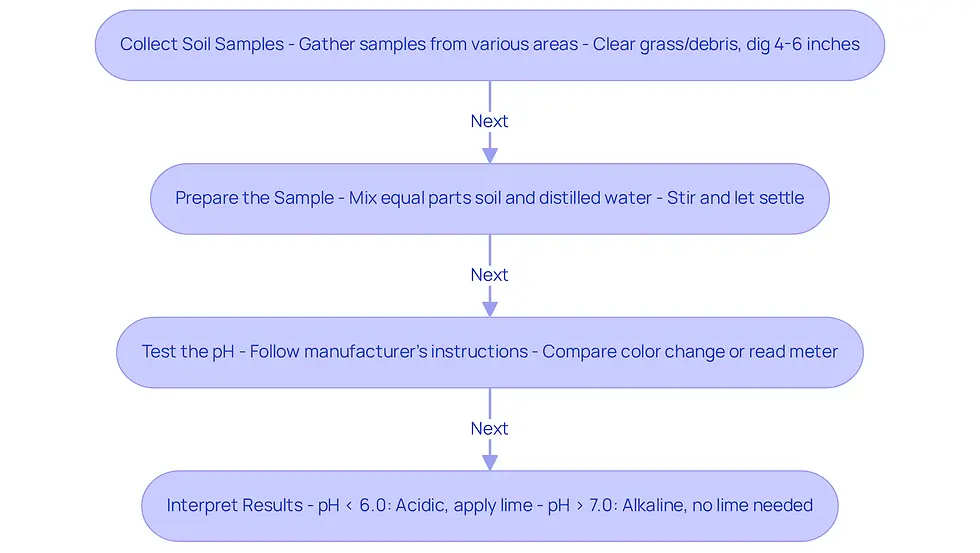
Have you ever wondered why your lawn isn’t thriving as it should? Testing your soil's pH could be the answer you need. It's essential to determine when should you put lime on your lawn before applying it. A pH testing kit, available at garden centers or online, can help you evaluate your yard's needs. Here’s how to conduct a soil pH test:
Collect Soil Samples: Gather samples from various areas of your lawn for an accurate representation. Clear away any grass or debris and dig down about 4 to 6 inches to collect the earth.
Prepare the Sample: Mix equal parts of soil and distilled water in a clean container. Stir the mixture and let it settle for a few minutes.
Test the pH: Follow the manufacturer's instructions for using the pH test strips or meter. Compare the color change on the strip or read the meter to determine your soil's pH level.
Interpret Results: A pH level below 6.0 indicates acidity, suggesting that applying calcium carbonate may be beneficial. Conversely, if the pH exceeds 7.0, your soil is alkaline, and calcium carbonate is not needed.
By testing your soil, you’re taking a vital step toward nurturing a vibrant and healthy lawn. Regular testing is recommended every three years, as it can reveal nutrient deficiencies and help maintain optimal health, especially in southern Minnesota, where average pH levels typically range from 6.0 to 6.5. As soil experts note, understanding your soil's pH is crucial for effective turf care and maintenance.
Identify the Best Time to Apply Lime
Timing is everything when it comes to caring for your lawn, especially when should you put lime on your lawn, as getting it right can make all the difference in its health and vitality. In Minnesota, the best times to apply lime, or when should you put lime on your lawn, are typically in the fall and early spring for several important reasons.
Fall Application: Spreading calcium carbonate in the autumn allows it to mix into the ground throughout the winter. The freeze-thaw cycles and moisture from rain and snow help break down the calcium, making it more effective by the time spring arrives. This is especially important because a well-balanced soil pH can help prevent lawn diseases that thrive in acidic conditions.
If you miss the fall window, you might wonder when should you put lime on your lawn, and early spring is another great time to apply calcium carbonate, as it coincides with the initial growth of your turf. This timing helps adjust soil acidity before the growing season ramps up, lowering the risk of issues like Dollar Spot and Brown Patch that can affect newly sprouting grass.
Avoid Summer: It’s best to avoid applying lime during the summer months when lawns are often stressed by heat. Applying it then can add to the stress on your grass and hinder recovery, making it more vulnerable to diseases.
Before you apply calcium carbonate, it’s a good idea to test your soil to see its current pH level and how much calcium carbonate you really need. This ensures you apply the right amount and avoid unnecessary applications. You might also consider using calcitic materials for extra calcium benefits or dolomitic substances that contain both calcium and magnesium. After applying calcium, be sure to water your turf promptly to prevent leaf burn from excess calcium on the grass blades. By following these guidelines, you can cultivate a thriving lawn that not only looks beautiful but also stands resilient against diseases.

Apply Lime Correctly for Optimal Results
Are you struggling to achieve a lush, healthy lawn? It’s a common concern for many gardeners, and the good news is that with the right approach, you can transform your yard into a vibrant oasis.
Start by understanding your soil’s needs with a simple soil test; it’s the first step toward a thriving garden. Knowing the existing pH level is crucial for determining when you should put lime on your lawn to prevent over-liming and ensure optimal results.
Consider your options carefully; choosing the right form of calcium carbonate can make all the difference in your lawn’s health. Granular calcium carbonate is easier to spread evenly, while powdered calcium carbonate may be more effective but requires careful handling to avoid uneven application.
Take a moment to prepare your yard; a little effort now will lead to a more vibrant lawn later. To improve the effectiveness of your lime application, you should consider when you should put lime on your lawn by mowing your grass shorter and clearing away debris. Aerating your lawn beforehand can provide insights into when you should put lime on your lawn, as it helps the calcium penetrate the soil better.
Using a spreader can help ensure that your lime is applied evenly, giving your lawn the best chance to thrive. Adjust the spreader settings according to the manufacturer’s guidelines for the type of fertilizer you’re using.
As you apply the lime, it is important to consider when should you put lime on your lawn, as each step contributes to a healthier lawn; consistency is key to success. Walk in straight lines, slightly overlapping each pass to ensure even coverage, and avoid concentrating too much calcium in one area to prevent nutrient imbalances.
After applying, give your lawn a gentle drink; this helps the lime work its magic in the soil. Lightly irrigating your grass after application is essential for activating the material and ensuring it begins to work effectively.
By taking these steps, you’re not just applying lime; you’re nurturing your garden’s potential for growth and vitality. Lime treatment not only raises soil pH but also promotes stronger root growth, enhances nutrient absorption, and improves overall lawn health, making it an essential part of lawn care.

Conclusion
Many homeowners feel overwhelmed by the complexities of lawn care, unsure of how to achieve that lush, green look. Applying lime to your lawn is a vital step in ensuring its health and vitality. Knowing when and how to apply lime can make a big difference in how your lawn grows and thrives. This guide highlights the importance of maintaining the right soil pH, ideally between 6.0 and 7.0, so that essential nutrients are available to your grass roots.
You’ll find that testing your soil pH before application is crucial, with recommendations to do so every three years. The best times to apply lime in Minnesota are during the fall and early spring, allowing for better nutrient absorption and reducing the risk of lawn diseases. Proper application techniques, such as using the right form of lime and ensuring even distribution, are essential for maximizing benefits.
By taking these steps, you’re not just improving your lawn; you’re investing in a vibrant outdoor space that enhances your home’s beauty and value. For those looking to elevate their lawn care, consider seeking assistance from local experts like Spring Touch Lawn & Pest Control, who can provide tailored advice and services to ensure your lawn remains healthy and vibrant throughout the seasons.
Frequently Asked Questions
Why is lime important for lawn health?
Lime helps neutralize acidic soil, making essential nutrients like nitrogen, phosphorus, and potassium more accessible to grass roots. It also improves soil structure, boosts microbial activity, and enhances water retention.
What pH range is ideal for lawn health?
Most types of turf thrive in a slightly acidic to neutral pH range of 6.0 to 7.0. When the pH dips below 6.0, lawns may struggle to access essential nutrients, leading to weak growth and increased susceptibility to diseases.
What happens if the soil pH is below 6.0?
If the soil pH is below 6.0, lawns can miss out on essential nutrients, which can result in weak growth and make them more prone to diseases such as Red Thread, Dollar Spot, Ascochyta Leaf Blight, and Brown Patch.
When should you apply lime to your lawn?
Lime should be applied when soil pH is below 6.0 to restore balance and ensure that vital nutrients are accessible to the grass.
What are the benefits of dolomitic calcium carbonate in lime?
Dolomitic calcium carbonate not only neutralizes acidic soil but also provides magnesium, which is essential for plant growth and supports chlorophyll production.
How does maintaining a balanced pH benefit a lawn?
Maintaining a balanced pH helps nurture a vibrant, resilient landscape that can withstand seasonal challenges, promoting overall lawn health and appearance.
How can I determine the pH level of my lawn?
You can determine the pH level of your lawn by using a soil testing kit, which is available at garden centers or through local extension services.
What is the impact of low pH on phosphorus application?
Up to 52 percent of phosphorus applied can be lost if the pH is below 6.0, highlighting the importance of maintaining proper soil pH for nutrient retention.
List of Sources
Understand the Role of Lime in Lawn Health
The benefits of using lime to maximise soil nutrient performance (https://daera-ni.gov.uk/news/benefits-using-lime-maximise-soil-nutrient-performance)
Transforming Your Outdoor Space with Lime Applications (https://greenoasis.co/news/transforming-your-outdoor-space-with-lime-applications)
Lime for Lawns: Why, When, and How to Lime a Lawn (https://lawnstarter.com/blog/lawn-care-2/why-how-to-lime-lawn)
Lime Fixes Hidden Soil Acidity | Virginia Green (https://virginiagreen.com/news/hidden-threat-soil-acidity-how-it-impacts-your-lawn-and-how-lime-can-help)
Test Your Soil pH Levels
Soil pH: What It Measures & How It Affects Your North MS Lawn (https://lawnandpest.net/blog/soil-ph-measures-affects-north-ms-lawn)
Lawn Care: Soil pH Adjustment for Healthy Turf (https://info.supersod.com/lawn-care/understanding-lawn-ph)
Why soil pH matters — and how to manage it in your garden (https://extension.oregonstate.edu/news/why-soil-ph-matters-how-manage-it-your-garden)
How to Test Soil pH and Unlock Your Lawn’s Full Potential (https://weedman.com/en-us/blogs/trouble-growing-thick-and-green-grass-the-problem-might-be-your-soil)
Soil testing for lawns and gardens (https://extension.umn.edu/managing-soil-and-nutrients/soil-testing-lawns-and-gardens)
Identify the Best Time to Apply Lime
Fall best time to apply lime | Farm Progress (https://farmprogress.com/management/fall-best-time-to-apply-lime)
Why, When and How to Apply Lime to Your Lawn (https://pennington.com/all-products/grass-seed/resources/does-your-lawn-need-lime)
Lime for Lawns: Why, When, and How to Lime a Lawn (https://lawnstarter.com/blog/lawn-care-2/why-how-to-lime-lawn)
How & When to Add Lime to Your Soil | ScottsMiracle-Gro US (https://scottsmiraclegro.com/en-us/learn/lawn-care/how-when-to-add-lime-to-your-soil.html)
Wrong time to apply lime? (https://thelawnforum.com/threads/wrong-time-to-apply-lime.20919)
Apply Lime Correctly for Optimal Results
extensionpubs.unl.edu (https://extensionpubs.unl.edu/publication/g1504/html/view)
Revitalize Your Lawn: The Importance of Lime Treatment (https://kappslawn.com/revitalize-your-lawn-the-importance-of-lime-treatment)
Why Lime Treatments Matter for a Healthy, Green Lawn | RD’s Total Lawn (https://rdtotallawn.com/the-importance-of-lime-treatments-for-strong-healthy-grass)
What Does Applying Lime to Your Lawn Do for Soil Health (https://thinkgreenlawnservice.com/applying-lime-to-your-lawn)
Is Your Lawn Looking Worse for Wear? It May Need Lime — Here's What to Know (https://thespruce.com/lime-for-lawns-8610195)
