.png)

10 Essential Tips for Choosing Cool Season Grass Seed Successfully
- Spring Touch Team

- Apr 26
- 13 min read
Updated: 1 day ago
Introduction
Choosing the right grass seed can feel overwhelming, especially when faced with so many options and the unique needs of your lawn. Many homeowners feel overwhelmed by the choices and fear making the wrong decision, which could lead to a lackluster lawn. Understanding the nuances of soil health, grass types, and optimal planting times can help alleviate these concerns. But how can you ensure your grass not only survives but thrives, even in challenging conditions? With the right knowledge and approach, your lawn can become the vibrant outdoor space you've always envisioned.
Conduct a Soil Test to Assess Lawn Conditions
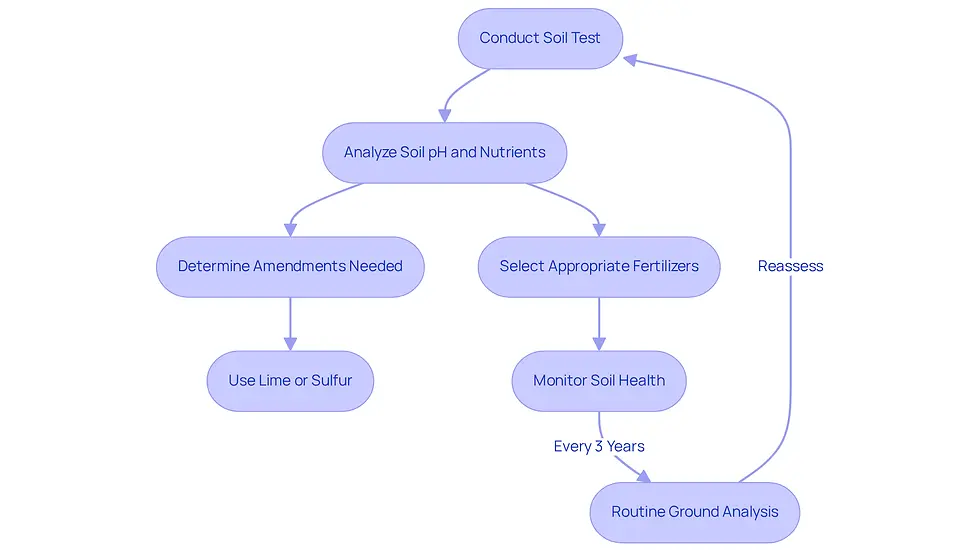
Are you unsure why your lawn isn’t thriving? Before choosing cool season grass seed, it’s crucial to understand your soil’s health. Many homeowners overlook the importance of knowing their soil's health, leading to poor growth and wasted resources. A ground test reveals vital information about your soil's pH level, nutrient content, and organic matter. Ideally, a balanced pH between 6.0 and 7.0 supports optimal plant growth. But what happens if your soil is too acidic or alkaline? You might face challenges in achieving that lush lawn you desire. Amending your soil with lime or sulfur can help restore balance, ensuring your grass has the best chance to flourish.
Understanding nutrient deficiencies through ground testing allows you to select the right fertilizers to effectively support your new grass seed. That’s where The Mill comes in, ready to help you understand your yard’s unique needs. For instance, Brandon P. significantly overseeded his yard with 3-Way Tall Fescue in September 2025 and applied The Mill's starter fertilizer a week later. His results were outstanding within a month, showing how tailored care can transform your lawn into a thriving space.
Routine ground analysis, preferably every three years, can prevent issues like yellowing grass and pesky weeds, ensuring your yard remains vibrant and healthy. Timing your soil tests in early spring or autumn can set you up for success, allowing you to plan your yard care with confidence. With precise soil information, you can create customized yard care programs that maximize growth while reducing unnecessary treatments.
Choose Grass Types Suited for Your Climate Zone
Choosing the right grass for your lawn can feel overwhelming, especially with so many options available. In Southern Minnesota, you have three top cool season grass seed options to consider:
Kentucky bluegrass
Perennial ryegrass
Tall fescue
Each with its own unique benefits.
You might love Kentucky bluegrass for its lush, dark green look and how well it handles those cold winters, thriving even in temperatures as low as -40 degrees Fahrenheit. It’s especially great for bouncing back from wear, making it perfect for residential yards and high-traffic areas.
If you’re looking for quick results, perennial ryegrass is your go-to, germinating rapidly to give you that immediate coverage you desire. But keep in mind, it doesn’t have the same winter hardiness as Kentucky bluegrass, so it might not hold up as well in those harsh winters.
Tall fescue is a fantastic choice if you’re worried about drought; its deep roots help it adapt to different soil types and withstand heat and foot traffic. This grass type is especially effective in shaded regions, making it a versatile option for various outdoor conditions.
When selecting the right cool season grass seed, consider your yard’s sun exposure and how you plan to use it. For high-traffic areas, Kentucky bluegrass or tall fescue could be your best bet, while shaded spots might thrive with fine fescue blends.
With the right knowledge, you can cultivate a lawn that not only looks beautiful but thrives in your unique environment.

Plant Seeds at the Right Time for Optimal Growth
Are you worried about the best time to plant your cool season grass seed? In Southern Minnesota, early fall, especially from late August to mid-September, is the ideal time to plant. During this time, the warm ground temperatures create a nurturing environment that boosts germination rates, giving you peace of mind as you plant.
Experts agree that planting cool season grass seed in the fall helps your grass develop deep roots, which prepares it to thrive even during the summer heat. As Virginia Green points out, aerating and seeding in the fall can truly enhance your yard's growth potential, giving you a lush lawn to enjoy.
It's also important to manage plant seeds, as they can remain dormant for up to 20 years, ensuring your garden stays healthy and vibrant. Preparing your grass for winter with our special fertilizer, along with dandelion and broadleaf control, helps eliminate late-fall plants and gives your grass a strong start for spring.
Although spring planting is possible, it’s crucial to plant cool season grass seed early enough for your grass to establish roots before the summer heat arrives, which can be tough on young seedlings. Plus, spring planting often faces competition from weeds that emerge at the same time, making fall the better choice for a thriving lawn.
It's best to avoid planting during the peak summer months, as the high temperatures can slow down growth and development, leaving you feeling frustrated. Staying updated on local weather forecasts is essential to ensure you plant under the best conditions, increasing your chances of a vibrant, healthy garden that you can be proud of.
Homeowners who planted in early fall have shared their success stories, reporting healthier grass and fewer weed issues compared to those who opted for spring planting.

Water Grass Seeds Appropriately for Successful Germination
Creating a lush, healthy lawn can feel overwhelming, especially when you’re unsure how to keep the soil just right. For the first 7 to 10 days after planting, it’s best to water lightly and often-about 2 to 3 times a day-to keep the top inch of soil moist. As your seeds begin to germinate, which can take one to three weeks depending on the type and temperature, start watering less frequently but deeper to help those roots grow strong. Avoid watering during the hottest parts of the day to reduce evaporation and ensure moisture reaches the roots effectively.
Keep an eye on the soil moisture; the top inch or so should feel damp, so check regularly to avoid any dry patches. By nurturing your lawn with consistent care, you’ll not only see it thrive but also enjoy the peace of mind that comes with a beautiful outdoor space. Additionally, consider using Spring Touch's organic-based fertilizer with bio-solids and crabgrass preventer to replenish nutrients and keep crabgrass at bay.
As gardening expert Kim Toscano states, 'Careful attention to environmental factors and plant needs will help you create a strong, beautiful yard.

Fertilize to Support Healthy Grass Development
Are you worried about your lawn's health as summer approaches? Applying a starter fertilizer at the time of seeding can provide essential nutrients that promote healthy grass growth. Spring Touch provides a nurturing fertilizer that not only enriches your soil but also helps keep pesky crabgrass at bay, ensuring your lawn stays vibrant all summer long.
Additionally, Spring Touch's second application targets dandelions and broadleaf weeds while including grub control, ensuring comprehensive weed and pest management. Choosing a fertilizer rich in nitrogen can help your grass flourish, creating that lush, green look you desire. Remember to follow the manufacturer's instructions for application rates, and consider conducting a soil test to determine specific nutrient needs.
Fertilization should continue throughout the growing season, with applications in early spring and fall to support ongoing lawn health. By taking these steps, you can ensure your lawn thrives, giving you a beautiful outdoor space to enjoy all season long.

Mow Regularly to Maintain Grass Health and Appearance
Are you feeling overwhelmed by the thought of maintaining a lush, healthy lawn? Once your cool season grass seed reaches about 3-4 inches tall, it’s time to start mowing. Mowing regularly helps your grass grow thicker and keeps weeds at bay.
To support this, consider using Spring Touch's organic-based fertilizer with bio-solids and crabgrass preventer. This not only restores nutrients but also helps stop crabgrass from taking over your garden. The best cutting height for cool season grass seed is between 2.5 and 3.5 inches, as this range encourages deeper roots and improves drought resistance.
Make sure your mower blades are sharp. Clean cuts reduce stress on your grass, lowering the risk of disease and enhancing overall lawn health. Many homeowners worry about how often to mow their grass for the best results, and research suggests cutting Tall Fescue and Kentucky Bluegrass one to two times a week, depending on growth rates.
As enthusiastic gardener Julie Martens Forney says, 'A sharp blade cuts grass cleanly, while a dull blade tears grass, creating a jagged, uneven edge.' Additionally, Spring Touch's second application targets dandelions and broadleaf weeds, providing effective weed management strategies that complement your mowing routine.
By following these simple practices, you can enjoy a vibrant lawn that brings you peace and pride. Remember to regularly check and adjust your mower height throughout the growing season to maintain optimal plant health.

Aerate Your Lawn to Improve Soil Health
Is your lawn struggling to thrive, leaving you feeling frustrated and unsure of how to restore its health? Aeration is a vital step in preserving a lively turf, particularly for varieties of cool season grass seed. This process involves perforating the ground to create openings that allow air, water, and nutrients to reach the root zone. It's best to aerate your yard in early spring or fall when the turf is actively growing, maximizing its recovery and growth potential. You might notice signs like compacted soil, water pooling, or thinning grass that leave you wondering if your lawn needs a little extra care.
For optimal results, consider using a core aerator, which removes plugs of earth rather than just puncturing the ground. This method effectively alleviates soil compaction, enhances drainage, and promotes deeper root growth. Imagine seeing your lawn flourish, becoming up to 30% denser and greener, creating a beautiful outdoor space for you and your family to enjoy. Additionally, using cool season grass seed while combining aeration with overseeding can fill in bare spots and improve overall turf resilience.
To improve your grass's health, apply Spring Touch's organic-based fertilizer during the aeration process. This fertilizer not only replenishes vital nutrients but also helps prevent crabgrass and broadleaf weeds, ensuring a flourishing yard. Effective aeration techniques involve:
Ensuring the soil is damp before aeration
Marking subterranean features
Cutting the grass shorter prior to the service
Post-aeration care is crucial; maintain consistent moisture levels for 21-28 days and limit foot traffic to allow new grass to establish. By embracing these practices, you can transform your yard into a vibrant oasis that brings joy and tranquility to your outdoor space.

Implement Pest Control to Safeguard Your Lawn
Protecting your new turf from pests like grubs, chinch bugs, and sod webworms is crucial for its health and your peace of mind. Keeping an eye on your turf is essential; watch for any signs of distress, like brown patches or thinning grass, to catch issues early. If you spot pests, don’t worry - there are effective strategies to manage them, like using a combination of natural methods and targeted treatments that suit your specific situation.
For effective mole management, it’s important to identify signs of infestation, such as raised soil and soft spots in your yard. Spring Touch offers specialized bait treatments that target moles by removing their main food source - grubs - helping to prevent further damage to your grass.
As a new client, you can take advantage of your initial application being FREE when you enroll in our complete yard care, mosquito control, or pest control programs. By opting for eco-friendly solutions, you’re not just protecting your lawn - you’re also helping to preserve the beneficial insects that contribute to a healthy ecosystem.

Overseed to Enhance Lawn Density and Resilience
Is your lawn struggling to thrive, leaving you frustrated with bare patches and weeds? Overseeding can be the solution you need. This practice breathes new life into tired grass and keeps those pesky weeds at bay. Timing is everything; early fall offers the perfect conditions for your new seeds to take root and flourish.
Begin by giving your grass a little trim, cutting it down to about 1.5 to 2 inches. This helps the new seeds settle in better. After mowing, aerate the grass using a core aerator to create 20 to 40 holes per square foot, enhancing seed penetration into the soil.
Once you’ve seeded, maintaining consistent moisture is crucial. Water the seedbed gently once or twice daily to encourage germination, gradually decreasing frequency as the new plants establish. Incorporating a starter fertilizer during this process can further enhance nutrient delivery to young roots, supporting robust growth.
Many lawn care experts agree: overseeding is a game-changer for a healthier, more vibrant lawn. For instance, overseeding with resilient grass species can lead to quicker recovery from pest attacks and diseases, reducing maintenance costs and the need for chemical treatments. A thick turf produced by overseeding can better withstand foot traffic and environmental stresses, ensuring a more durable surface.
Homeowners who overseeded their grasses reported enhanced drought resilience and decreased watering requirements, as the thick turf shades the soil, reducing evaporation. Additionally, overseeding has been shown to improve disease resistance by establishing a varied landscape that can better endure pests and environmental challenges.
By embracing overseeding, you’re not just improving your lawn; you’re investing in a resilient landscape that can withstand the test of time.
Consult a Professional Lawn Care Service for Expert Guidance
Are you worried that your yard isn’t thriving as it should? Consulting a professional care service like Spring Touch can make all the difference. With over 50 years of experience right here in Southern Minnesota, their friendly specialists are ready to assess your yard’s unique needs, suggest the best grass varieties, and create a tailored maintenance plan just for you.
Many homeowners struggle to maintain a healthy yard amidst changing weather conditions and pest challenges. Without proper care, yards can quickly become uninviting and lose their value. Spring Touch offers comprehensive services, including:
Soil testing
Fertilization
Pest control
Overseeding
All designed to tackle the specific challenges of our region's climate. When you partner with a trusted provider, you can rest easy knowing your yard will get the specialized care it needs to flourish.
A well-kept garden not only boosts your home’s curb appeal but also adds real value to your property. Studies show that for every $1,000 spent on professional garden care services, your home’s value can increase by an estimated $2,170. Plus, bringing in the pros means you can spend more time enjoying your outdoor space instead of worrying about upkeep.
If you’re in Albert Lea, don’t miss out on Spring Touch’s special offers that make getting started even easier! You can enjoy a free first application when signing up for complete lawn care, mosquito control, or pest control programs. Reach out to local professionals for a consultation today, and take the first step toward a vibrant, healthy yard. By investing in professional care, you’re not just enhancing your yard; you’re securing your home’s future value and your peace of mind.
Conclusion
Choosing the right cool season grass seed can feel overwhelming, especially with so many options available. Understanding your soil's needs and choosing the right grass type can truly enhance your outdoor space.
Soil testing is crucial. It reveals nutrient deficiencies and pH imbalances, helping your grass seed thrive.
Knowing the best times to plant and how to water effectively can also boost germination and growth.
Regular maintenance, like mowing, aerating, and fertilizing, keeps your lawn healthy, while pest control measures protect against potential threats.
Investing time and effort into selecting the right cool season grass seed and implementing effective lawn care practices can transform your yard into a beautiful retreat. If you're feeling overwhelmed, a professional lawn care service can offer personalized help, making your lawn a source of pride and joy. Embrace these strategies, and watch your outdoor oasis flourish, reflecting your dedication to lawn care.
Frequently Asked Questions
Why is it important to conduct a soil test before planting grass seed?
Conducting a soil test is crucial to understand your soil's health, including its pH level, nutrient content, and organic matter. This information helps prevent poor growth and wasted resources, ensuring your grass has the best chance to thrive.
What is the ideal pH level for soil to support optimal plant growth?
The ideal pH level for soil to support optimal plant growth is between 6.0 and 7.0. If the soil is too acidic or alkaline, it can hinder the growth of your lawn.
How can I amend my soil if it is too acidic or alkaline?
You can amend your soil by adding lime to raise the pH if it is too acidic, or sulfur to lower the pH if it is too alkaline.
How often should I conduct a soil test?
It is recommended to conduct a routine soil test every three years to prevent issues like yellowing grass and weeds.
When is the best time to conduct a soil test?
The best times to conduct a soil test are in early spring or autumn, as this timing allows for better planning of yard care.
What are the top cool season grass seed options for Southern Minnesota?
The top cool season grass seed options for Southern Minnesota are Kentucky bluegrass, perennial ryegrass, and tall fescue.
What are the benefits of Kentucky bluegrass?
Kentucky bluegrass is known for its lush, dark green appearance, winter hardiness, and ability to recover well from wear, making it ideal for residential yards and high-traffic areas.
What is the advantage of using perennial ryegrass?
Perennial ryegrass germinates quickly, providing immediate ground coverage. However, it is not as winter hardy as Kentucky bluegrass.
Why is tall fescue a good choice for certain conditions?
Tall fescue has deep roots that help it adapt to various soil types and withstand heat and foot traffic. It is particularly effective in shaded areas.
When is the best time to plant cool season grass seed in Southern Minnesota?
The best time to plant cool season grass seed in Southern Minnesota is early fall, specifically from late August to mid-September, as warm ground temperatures boost germination rates.
What should I do to prepare my grass for winter?
To prepare your grass for winter, use a special fertilizer and control late-fall plants like dandelions and broadleaf weeds to give your grass a strong start for spring.
Why is planting in the spring less ideal for cool season grass seed?
Planting in the spring can be challenging because young seedlings may struggle with summer heat and face competition from weeds that emerge at the same time. Early fall planting is generally more successful.
List of Sources
Conduct a Soil Test to Assess Lawn Conditions 9 Reasons Why Soil Testing Is Important for the Lawn (https://lawnstarter.com/blog/lawn-care-2/why-soil-testing-is-important-for-lawn) themillstores.com (https://themillstores.com/blogs/lawn-garden-blog/why-soil-testing-is-the-most-important-step-for-your-lawn-garden?srsltid=AfmBOoqRqTHWlTNg7VQSDuYcHnTIiph61NmRv4gZ1B2TlqcP0QUuTDZS) The Importance of Soil Testing Your Lawn & How to Do It (https://experigreen.com/the-importance-of-soil-testing-your-lawn) southernminn.com (https://southernminn.com/around_the_web/community/soil-testing-for-spring-planting-turns-crossed-fingers-into-confidence/article_357e2385-1b49-5dc3-8486-ffdd0df12f9d.html)
Choose Grass Types Suited for Your Climate Zone Buying turfgrass seed for Minnesota lawns (https://extension.umn.edu/lawn-care/buying-turfgrass-seed-minnesota-lawns) Best Grass for Southern Minnesota (https://lawnlove.com/blog/best-grass-seed-southern-minnesota) Selecting the Best Grass Seed for Your Minnesota Lawn (https://groundfxmn.com/blog/selecting-the-best-grass-seed-for-your-minnesota-lawn) Cool Season Grasses Fall Lawn Minnesota: Tips for Thriving Lawns (https://peterdoranlawn.com/fall-prep-for-cool-season-grasses-in-minnesota-the-grass-types-most-twin-cities-homeowners-have)
Plant Seeds at the Right Time for Optimal Growth Seeding and sodding home lawns (https://extension.umn.edu/lawn-care/seeding-and-sodding-home-lawns) dgfloors.com (https://dgfloors.com/when-to-plant-grass-seed) lawnstarter.com (https://lawnstarter.com/blog/minnesota/when-to-plant-grass-seed-mn) When is the Best Time to Plant Cool Season Grass Seed? | Virginia Green (https://virginiagreen.com/news/best-time-plant-cool-season-grass-seed) jonathangreen.com (https://jonathangreen.com/resources/when-plant-grass-seed-minnesota)
Water Grass Seeds Appropriately for Successful Germination loyaltylawncare.com (https://loyaltylawncare.com/watering-new-grass-seed) plantingtree.com (https://plantingtree.com/blogs/gardening/how-to-water-new-grass-seed) southernliving.com (https://southernliving.com/when-and-how-to-water-new-grass-seed-11893553?srsltid=AfmBOop3PO2zAlU3rzXeTIPP8Gg9qYub1aop10YQL1gtfEq_wcuHVuv3) atkinsinc.com (https://atkinsinc.com/2016/watering-new-grass-seed-tips) greenerhorizon.com (https://greenerhorizon.com/blog/tips-watering-new-lawn-seed-sod)
Fertilize to Support Healthy Grass Development lawnstarter.com (https://lawnstarter.com/blog/lawn-care-2/9-faqs-about-applying-starter-fertilizer-to-your-lawn) lawnlove.com (https://lawnlove.com/blog/when-to-apply-starter-fertilizer) elmdirt.com (https://elmdirt.com/blogs/news/starter-fertilizer-for-grass-seed?srsltid=AfmBOor4ssQgocQYGbhl119VZtWXeo5BXCRYipkHoFvFWBkiS4J3K4ZT) winfieldunited.com (https://winfieldunited.com/news-and-insights/why-you-should-plan-to-use-a-balanced-starter-fertilizer) growcycle.com (https://growcycle.com/learn/starting-strong-the-importance-of-using-starter-fertilizer-in-lawn-care?srsltid=AfmBOootQZDAf2DFdzEVGY6D2gttAuXcOVyP-qwf9gLeg9jXaRM_1FbF)
Mow Regularly to Maintain Grass Health and Appearance hgtv.com (https://hgtv.com/gardening/lawns/get-a-great-looking-lawn-with-these-mowing-tips-pictures) lawnlove.com (https://lawnlove.com/blog/guide-to-cool-season-grasses) centralsodil.com (https://centralsodil.com/cool-season-grass-maintenance)
Aerate Your Lawn to Improve Soil Health yarbo.com (https://yarbo.com/blog/benefits-of-aerating-lawn?srsltid=AfmBOopAuNQfbzRPuBuX1RAOrFr69pIgOzSgo7e4sA8WhVO4ane3kNq5) news.clemson.edu (https://news.clemson.edu/healthy-lawns-in-south-carolina-why-aeration-matters) trugreen.com (https://trugreen.com/lawn-care-101/blog/lawn-care-tips/7-benefits-lawn-aeration-why-you-should-core-aerate-your-lawn) thenorthwestern.com (https://thenorthwestern.com/press-release/story/50191/new-exmark-video-explains-the-benefits-of-lawn-aeration)
Implement Pest Control to Safeguard Your Lawn southernbotanical.com (https://southernbotanical.com/the-benchmark/your-guide-to-summer-lawn-and-landscape-pests) experigreen.com (https://experigreen.com/lawn-pest-control-guide) beavercreeklandscapingwi.com (https://beavercreeklandscapingwi.com/article/what-s-new-in-pest-control-innovative-solutions-for-a-healthier-lawn) whatgrassisthis.com (https://whatgrassisthis.com/blog/dealing-summer-lawn-pests-effective-strategies) plantitearthflorida.com (https://plantitearthflorida.com/how-to-protect-your-lawn-from-common-florida-pests)
Overseed to Enhance Lawn Density and Resilience 10 Benefits of Overseeding (https://lawnlove.com/blog/benefits-of-overseeding) Overseeding in the Fall | Turfgrass Science | Nebraska (https://turf.unl.edu/news/overseeding-fall) extension.iastate.edu (https://extension.iastate.edu/news/yard-and-garden-how-overseed-lawn) fairwaylawns.com (https://fairwaylawns.com/the-role-of-overseeding-in-post-summer-lawn-recovery) An overseeding success story | Turfgrass Science (https://turf.umn.edu/overseeding-success-story)
Consult a Professional Lawn Care Service for Expert Guidance
The Benefits of Professional Lawn Care Services (https://warnersoutdoorsolutions.com/the-benefits-of-professional-lawn-care-services)
yourgreenpal.com (https://yourgreenpal.com/blog/reasons-to-hire-lawn-care-company)
grassperson.com (https://grassperson.com/blog/should-you-hire-lawn-care-company-reasons-use-professional-lawn-services)
saratogamowing.com (https://saratogamowing.com/top-5-benefits-of-hiring-a-professional-lawn-care-service)
landscaper-pflugerville.com (https://landscaper-pflugerville.com/blog/benefits-of-hiring-a-professional-lawn-services-team)


