.png)

How to Overseed a Lawn: Step-by-Step for Homeowners
- Spring Touch Team

- 11 hours ago
- 11 min read
Updated: 25 minutes ago
Introduction
Homeowners often feel disheartened by the sight of patchy, uneven grass, longing for a solution that doesn’t require major upheaval. If you’re dreaming of a lush, green oasis, overseeding might just be the answer you’re looking for. It’s a simple technique that can breathe new life into your existing lawn without tearing everything up.
This guide delves into the step-by-step process of overseeding, revealing how to enhance lawn density, improve color, and boost disease resistance, all while tackling the unique challenges posed by Minnesota's compacted clay soils. By following these essential steps, homeowners can cultivate a thriving outdoor space that brings joy and pride to their homes.
Understand Overseeding: Definition and Benefits
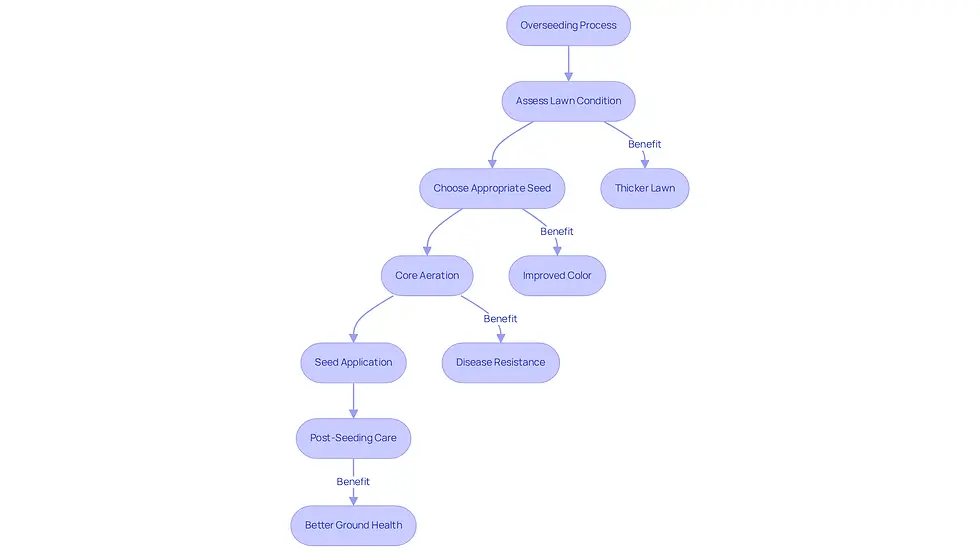
Are you tired of looking at your patchy lawn and wondering how to bring it back to life? Learning how to overseed a lawn offers a simple solution by planting new seeds directly into your existing turf, revitalizing your lawn without the hassle of disturbing the soil. This technique is particularly beneficial for those dealing with thin or patchy grass areas, especially in southern Minnesota where compacted clay soils can be a challenge.
Let’s explore how to overseed a lawn and the key benefits that can transform it into a lush, green oasis. First, learning how to overseed a lawn helps create a thicker lawn. By adding new grass seed, it fills in bare spots and enhances the overall density of your lawn. This is crucial for homeowners facing the difficulties of compacted clay soils, as grass seed needs direct contact with soil to germinate successfully. When dispersed onto hard, compacted ground, particularly in our Minnesota clay soils, it often struggles to thrive.
Another advantage is the enhanced hue of your lawn. New seed can introduce robust plant varieties that improve the area’s color and vitality, making your outdoor space more inviting. Plus, a denser grass area naturally crowds out weeds, reducing your reliance on chemical treatments and fostering a healthier environment. Just remember to avoid using weed control products before or after seeding to achieve the best results.
Learning how to overseed a lawn also boosts disease resistance. By introducing diverse grass types, you enhance your turf's resilience against common issues like Red Thread and Dollar Spot. This means less worry about pests and diseases affecting your lawn.
Additionally, overseeding improves ground health. It enhances ground structure, leading to better water retention and nutrient availability, which are crucial for sustaining a vibrant lawn. Core aeration is an important step in this process, as it reduces ground compaction and allows for better seed-to-ground contact, significantly improving germination rates.
To give your lawn the best chance to thrive, it is important to learn how to overseed a lawn between late August and mid-September, when the conditions are just right for new growth. Homeowners should also consider core aeration as part of the seed preparation to ensure successful germination. After reseeding, a subsequent fertilization 4-6 weeks later is advised to encourage healthy growth.
Grasping these advantages emphasizes the importance of replanting grass, motivating homeowners to take proactive measures in caring for their yards. By taking these steps, you’re not just improving your lawn; you’re investing in a healthier, more vibrant outdoor space for you and your family to enjoy.
Determine the Best Time to Overseed Your Lawn
Timing can make or break your lawn's health, especially for cool-season grasses in Minnesota. The optimal periods for overseeding are:
Late Summer to Early Fall: This window, typically from mid-August to mid-September, is ideal due to warm soil temperatures that encourage seed germination and cooler air temperatures that help reduce stress on new seedlings. Missing this window can lead to lower germination rates, leaving your lawn vulnerable to stress and weeds. To prepare your yard for this period, we recommend using Spring Touch Lawn & Pest Control's organic-based fertilizer with bio-solids and crabgrass preventer. This treatment not only replenishes essential nutrients but also stops crabgrass from dominating your lawn, ensuring a healthy environment for new plants to flourish.
If the fall window is missed, you can still find out how to overseed a lawn in early spring. However, this timing can be tricky, as it also invites competing weeds that threaten your new turf's establishment. Spring Touch's second application targets dandelions and broadleaf weeds, providing effective weed control solutions that help your new seedlings establish themselves without competition. This application is crucial as it not only eliminates existing weeds but also creates a more favorable environment for the new grass to grow.
By meticulously tracking soil temperatures and choosing the appropriate moment for reseeding, homeowners can greatly improve the effectiveness of their yard maintenance efforts. Research suggests that planting within the ideal temperature range can result in a seedling survival rate of 70% to 95%, making timely replanting crucial for a healthy turf. With the right timing and care, your lawn can thrive, providing a safe haven for your family and pets.

Prepare Your Lawn for Overseeding: Steps to Follow
Although preparing your lawn for how to overseed a lawn can feel overwhelming, taking the right steps will help you create a thriving green space. Start by mowing your lawn short, aiming for a height of about 1.5 to 2 inches. This shorter height helps new seeds make better contact with the ground, which is crucial for germination.
Make sure to rake up any clippings, leaves, or debris to create a clean surface for your seeds to thrive. This step is vital because turf seed must touch the ground directly to germinate successfully.
Next, use a core aerator to create holes in the ground. This process enhances seed-to-soil contact and improves water and nutrient absorption, which are critical for establishing new grass. Aeration also reduces compaction, especially important in southern Minnesota's clay terrains, allowing roots to develop more effectively. Regular aeration is essential, and knowing how to overseed a lawn can lead to a healthier lawn with fewer brown patches.
Take a moment to assess your soil’s pH and nutrient levels. Based on the results, modify the ground with compost or a fast-acting fertilizer rich in phosphorus to create a nutrient-rich environment for the new grass. Spring Touch Lawn & Pest Control offers an organic-based fertilizer with bio-solids and crabgrass preventer, which can restore nutrients and prevent crabgrass from overtaking your lawn this summer. Proper ground preparation can significantly influence how to overseed a lawn successfully. Be cautious not to overseed if a pre-emergent weed killer has been applied, as this will prevent grass seeds from germinating.
Finally, lightly water the grass to moisten the soil without soaking it. Keeping the soil moist is essential for the germination of new seeds, which typically sprout within 2-5 weeks for Kentucky Bluegrass and 7-10 days for fescue.
By diligently adhering to these preparation steps, homeowners can learn how to overseed a lawn effectively, significantly enhancing the likelihood of a successful yard renovation. By taking these steps, you’re not just improving your lawn; you’re investing in a vibrant outdoor space that you can enjoy all season long.

Execute the Overseeding Process: Step-by-Step Instructions
Are you tired of looking at a patchy lawn that doesn’t reflect the beauty of your home? Follow these steps to execute the overseeding process effectively:
Choose the Appropriate Seed: Opt for a seed that enhances your current turf type. For cool-season grasses, Kentucky bluegrass is commonly preferred due to its resilience and quick rooting, while perennial ryegrass can also be a suitable option.
Spread the Seed: Use a broadcast spreader to help spread the seed evenly across your lawn. Aim for a seeding rate of approximately 2 pounds per 1,000 square feet for Kentucky bluegrass and 3 pounds for tall fescue, ensuring optimal coverage and establishment.
Topdress with Soil: Lightly cover the seeds with a thin layer of topsoil or compost. This practice not only protects the seeds but also enhances seed-to-soil contact, which is crucial for germination.
Water the Grass: After understanding how to overseed a lawn, water the grass lightly to assist in settling the seeds into the ground. Maintain consistent moisture in the soil for the first few weeks, watering up to three times a day if necessary, to support seed germination.
Avoid Pedestrian Activity: Minimize foot traffic on the grass for at least two to three weeks. This allows the new seeds to germinate and establish without disturbance.
Monitor for Pests and Diseases: Keep an eye out for common turf pests and diseases, particularly Dollar Spot and Brown Patch, which can affect new growth during the establishment phase.
Apply Starter Fertilizer: Consider applying an organic-based starter fertilizer right after reseeding and again in 4 to 6 weeks to promote healthy growth.
Aerate Before Sowing: Aerating the grass prior to sowing assists in minimizing soil compaction and improves seed establishment, resulting in a healthier turf.
If you’re dealing with a patchy lawn, you’re not alone. Many homeowners face this challenge. Taking these steps can transform your lawn into a vibrant, healthy space that you can be proud of. Remember, the ideal time for reseeding is from September to October when conditions are optimal for seed growth.

Care for Your Lawn After Overseeding: Essential Maintenance Tips
Starting a new lawn can feel overwhelming, but with the right care, you can ensure it flourishes beautifully. After overseeding, follow these essential maintenance tips to ensure the success of your new grass:
Water Regularly: For the first two weeks, keep the ground consistently damp by watering lightly 2-4 times a day for 5 to 10 minutes. This keeps the top 1.5 inches of soil moist, which is vital for your seeds to germinate. Consistent moisture is crucial; if you don’t take care of it, your new grass might not thrive, resulting in patchy spots.
When learning how to overseed a lawn, it's important to avoid fertilizing immediately; hold off for at least 4-6 weeks after overseeding. This waiting period helps prevent burning the new seedlings, allowing them to establish strong roots first. Experts recommend waiting to help your plants grow strong. Once the time is right, consider using organic-based fertilizers from Spring Touch Lawn & Pest Control. They not only nourish your lawn but also help prevent crabgrass and other weeds while providing grub control to tackle infestations.
Mow Carefully: Wait until the new turf reaches about 3 inches in height before mowing. Set your mower to the highest setting to avoid stressing the new turf and to promote deeper root growth. Mowing too soon can hinder growth and lead to uneven patches.
Monitor for Weeds: Keep an eye out for weeds, especially dandelions and broadleaf types, which can invade your grass as temperatures rise. Remove them manually or with a hoe to prevent competition for nutrients and water, which can hinder the establishment of new vegetation. Early intervention is crucial for sustaining a healthy yard, and utilizing Spring Touch's weed control solutions can further enhance your turf's resilience.
Limit Foot Traffic: Minimize foot traffic for about 4-6 weeks after overseeding to protect the delicate new grass and allow it to establish itself fully. Neglecting these steps could mean losing the time and effort you’ve put into your lawn.
By adhering to these maintenance tips and considering Spring Touch's organic lawn care applications, homeowners can learn how to overseed a lawn, fostering a thriving and lush outdoor space. Taking these steps not only nurtures your grass but also brings peace of mind, knowing you're creating a vibrant outdoor space for your family to enjoy.

Conclusion
Many homeowners feel overwhelmed by the complexities of lawn care, especially when it comes to rejuvenating their outdoor spaces. Learning how to overseed a lawn is an essential skill that can help ease those worries. It makes your lawn look better and helps it stay healthy and strong against pests and diseases. By strategically introducing new grass seed into existing turf, you can create a thicker, greener lawn that thrives in the unique conditions of southern Minnesota.
Throughout this article, we’ve shared key insights about the benefits of overseeding, including:
Improved lawn density
Enhanced color
Better disease resistance
We emphasized the importance of timing, particularly the optimal overseeding window in late summer to early fall. Essential preparation steps such as:
Mowing
Aerating
Selecting the right seed
were also discussed. Plus, the maintenance tips provided after overseeding ensure that the new grass establishes successfully, allowing for a vibrant and healthy lawn.
In the end, overseeding isn’t just about making your lawn look good; it’s about creating a space where your family can enjoy the outdoors together. By following the outlined steps and utilizing resources such as Spring Touch Lawn & Pest Control, you can transform your lawn into a lush, green haven that stands out in your community. Take the initiative to overseed your lawn this season, and witness the remarkable difference it can make for your outdoor space.
Frequently Asked Questions
What is overseeding and why is it beneficial for my lawn?
Overseeding is the process of planting new grass seeds directly into existing turf to revitalize a lawn without disturbing the soil. It helps create a thicker lawn by filling in bare spots, enhances the color and vitality of the grass, reduces weed growth, boosts disease resistance, and improves ground health.
When is the best time to overseed a lawn in southern Minnesota?
The optimal time to overseed a lawn in southern Minnesota is from late summer to early fall, specifically between mid-August and mid-September. This period offers warm soil temperatures for seed germination and cooler air temperatures that help reduce stress on new seedlings.
What should I do if I miss the fall overseeding window?
If the fall window is missed, overseeding can still be done in early spring. However, this timing may invite competing weeds that threaten the establishment of new turf. Using targeted weed control solutions can help eliminate existing weeds and create a favorable environment for new grass growth.
How does overseeding improve lawn health?
Overseeding improves lawn health by enhancing ground structure, leading to better water retention and nutrient availability. It also introduces diverse grass types that increase resilience against common lawn diseases, reducing the likelihood of pest issues.
What role does core aeration play in the overseeding process?
Core aeration is an important step in overseeding as it reduces ground compaction and improves seed-to-ground contact, significantly enhancing germination rates for the new grass seeds.
What should I do after overseeding to ensure healthy growth?
After overseeding, it is recommended to fertilize the lawn 4-6 weeks later to encourage healthy growth and establish a strong root system for the new grass.
Why is it important to avoid using weed control products before or after overseeding?
Using weed control products before or after overseeding can hinder the germination and establishment of new grass seeds. It is crucial to allow the new seedlings to thrive without competition from weeds.
How can I contact Spring Touch Lawn & Pest Control for assistance with overseeding?
You can contact Spring Touch Lawn & Pest Control at their Southern Minnesota office by calling 507-934-5296 or their Twin Cities office at 952-898-5296 for scheduling or inquiries regarding overseeding and lawn care services.
List of Sources
Understand Overseeding: Definition and Benefits
Dig It: Thin lawns can benefit from overseeding (https://thenewsherald.com/2015/09/19/dig-it-thin-lawns-can-benefit-from-overseeding)
Overseeding Guide for Lawn Pros in Minnesota - Central Pro Supply (https://centralpros.com/over-seeding-guide-for-lawn-pros-in-minnesota)
10 Benefits of Overseeding Services for a Thriving Lawn (https://springtouchlawn.com/post/10-benefits-of-overseeding-services-for-a-thriving-lawn)
10 Benefits of Overseeding (https://lawnlove.com/blog/benefits-of-overseeding)
Why Fall in Minnesota is the Best Time for Overseeding Your Lawn (https://thegreenstufflawn.com/overseeding-your-minnesota-lawn-this-fall-season)
Determine the Best Time to Overseed Your Lawn
When to Overseed Lawn in Minnesota | Jonathan Green (https://jonathangreen.com/resources/when-overseed-lawn-minnesota)
Seeding and sodding home lawns (https://extension.umn.edu/lawn-care/seeding-and-sodding-home-lawns)
When is the Best Time to Overseed a Lawn? (https://lawnlove.com/blog/when-to-overseed-lawn)
MN Lawn Seeding & Overseeding: Timing Tips for Spring (https://kglandscape.com/seeding-overseeding-crabgrass-prevention)
Prepare Your Lawn for Overseeding: Steps to Follow
2026 Spring Homeland | Reseeding Right (https://thefencepost.com/news/2026-spring-homeland-reseeding-right)
A Complete Homeowners Guide to Lawn Aeration & Overseeding Benefits (https://naturalawn.com/lawn-care-tips/aeration-and-overseeding-benefits)
Steps for Overseeding Your Colorado Lawn - Timberline Landscaping (https://timberlinelandscaping.com/steps-for-overseeding-your-colorado-lawn)
Renew Your Lawn This Fall With Overseeding (https://extension.sdstate.edu/renew-your-lawn-fall-overseeding)
Execute the Overseeding Process: Step-by-Step Instructions
Overseeding in the Fall | Turfgrass Science | Nebraska (https://turf.unl.edu/news/overseeding-fall)
6 Steps to Overseeding a Lawn in Spring – The Right Way to Repair and Thicken Patchy Grass (https://homesandgardens.com/gardens/how-to-overseed-a-lawn-in-spring)
Overseeding Your Lawn: A Step-by-Step Guide for Homeowners (https://springtouchlawn.com/post/overseeding-your-lawn-a-step-by-step-guide-for-homeowners)
An overseeding success story | Turfgrass Science (https://turf.umn.edu/overseeding-success-story)
Tall fescue seed application rate (https://lawnsite.com/threads/tall-fescue-seed-application-rate.461289)
Care for Your Lawn After Overseeding: Essential Maintenance Tips
How to Care for New Grass Seedlings After Aeration and Overseeding - Natural Tree (https://naturaltree.com/2025/09/24/how-to-care-for-new-grass-seedlings-after-aeration-and-overseeding)
How Often to Water Grass Seed (https://lawnstarter.com/blog/lawn-care-2/how-often-water-grass-seed)
Caring for Your Lawn After Overseeding - What Should You Do? | Big Lakes Lawncare (https://biglakeslawncare.com/blog/caring-for-your-lawn-after-overseeding-what-should-you-do)
An Ideal Watering Schedule to Follow After Overseeding Your Lawn | J&C Lawn Care (https://jandclawncare.com/blog/an-ideal-watering-schedule-to-follow-after-overseeding-your-lawn)
When to Mow After Overseeding Your Lawn (https://lawnstarter.com/blog/lawn-care-2/when-to-mow-after-overseeding)