.png)
Master Insect Killer Use: Best Practices for Homeowners
- Spring Touch Team

- Apr 16
- 9 min read
Updated: 9 hours ago
Introduction
Homeowners often face the ongoing challenge of insect infestations, which can disturb the peace of their homes. It’s frustrating to deal with these unwelcome guests, and the variety of insect killers available - from granules to sprays - can be overwhelming. How can you choose the right product that not only works effectively but is also safe for your family and the environment? This article explores essential strategies for selecting and applying insect killers, helping you reclaim your living space while minimizing risks and maximizing results.
Identify Types of Insect Killers: Granules, Sprays, and More
Homeowners often find themselves facing the challenge of insect infestations, which can be alleviated by using an insect killer, a source of stress and frustration. Whether it’s pesky ants invading your garden or grubs damaging your lawn, these unwelcome guests can disrupt your peace of mind. But don’t worry; there are effective insect killer solutions available to help you regain control.
Let’s explore the different types of insect killers designed to tackle specific bug situations.
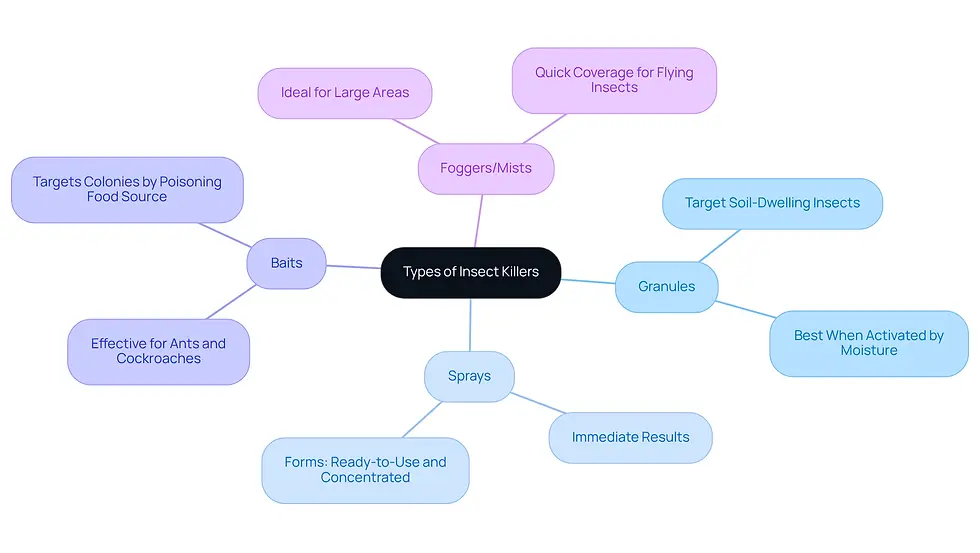
Granules are a fantastic option for lawns and gardens, targeting soil-dwelling insects like grubs and ants. They work best when activated by moisture, so watering the area after application is a good idea to ensure their effectiveness.
For immediate results, an insect killer spray is your go-to choice. These liquid insecticides can be applied directly to infested plants and surfaces, providing quick relief from visible infestations. You’ll find insect killer in two forms: ready-to-use and concentrated, with the latter needing a bit of dilution before use.
Baits are another effective method, especially for ants and cockroaches. They lure insects to a poison-laden food source, allowing the pests to carry the poison back to their colonies. This approach tackles the root of the problem, helping to eliminate the infestation at its source using an insect killer.
Lastly, consider insect killer foggers and mists for larger areas. These products quickly cover extensive spaces, making them ideal for treating outdoor environments where flying insects, like mosquitoes, can be a concern.
By understanding these categories, you can choose the most suitable product based on your specific challenges with insects and your application preferences. For instance, sprays are often recommended for quick insect management, while granules may be better suited for long-term soil care. This thoughtful approach ensures effective pest management tailored to your individual needs, allowing you to enjoy your home and garden once again.
Apply Insect Killers Effectively: Timing and Techniques
When it comes to keeping your home pest-free, timing and application techniques are key. Homeowners often face the challenge of ineffective insect killers, but with the right approach, you can ensure that your insect killer efforts are successful. Here’s how Spring Touch can help you tackle this issue with confidence.
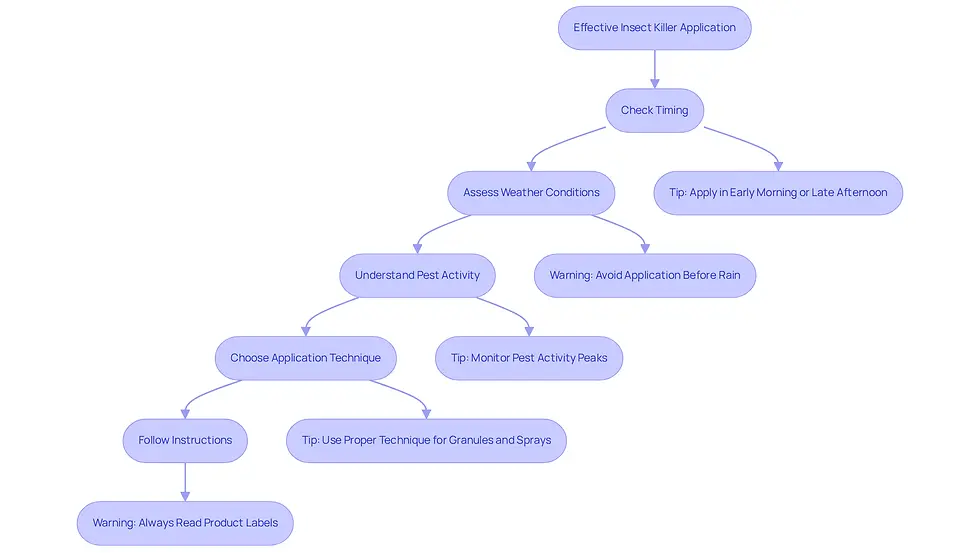
Timing matters: Applying an insect killer at the right time can make all the difference. Early morning or late afternoon is ideal, as these cooler parts of the day minimize evaporation and protect beneficial insects. Avoid the harsh midday sun, which can reduce the effectiveness of your treatments. For example, Spring Touch recommends using their Ant Control program during these times to effectively target ants before they invade your home.
Weather conditions: Weather conditions also play a crucial role. If rain is on the horizon, it’s best to wait, as precipitation can wash away your efforts before they take hold. Keeping an eye on local weather patterns is essential for effective insect management. Additionally, applying insecticides during extreme heat or drought can lead to leaf burn, so choosing the right conditions is vital. Spring Touch’s insect killer treatments are specifically designed to create a protective barrier around your home, ensuring lasting effectiveness against unwanted pests.
Understanding pest activity: Understanding pest activity is equally important. Common grass pests like grubs and chinch bugs have specific peak activity periods. Grubs, for instance, typically emerge in late spring to early summer, making this the perfect time for preventive treatments. Spring Touch’s seasonal turf care strategy includes grub control to effectively manage these infestations.
Application techniques: Application techniques for insect killers can significantly impact their success. For granules, using a broadcast spreader ensures even distribution across your lawn. After applying, lightly watering the area activates the granules, helping them penetrate the soil effectively. Spring Touch’s comprehensive perimeter insect control is strategically designed to disrupt insect habitats, enhancing your pest management efforts.
Using sprays: When using sprays, opt for a sprayer set to a fine mist. This allows for thorough coverage of plants without oversaturating them. Don’t forget to focus on the undersides of leaves, where insects often hide, to boost treatment effectiveness.
Baits: Baits are another effective tool. Place them strategically in areas where you frequently see pests, like along ant trails or near entry points. Just be sure these spots are out of reach for pets and children to keep everyone safe. Spring Touch emphasizes the importance of targeted treatments to manage ant populations and prevent indoor infestations.
Follow Instructions: Always read and follow the product label for specific guidelines on usage rates and safety precautions. This practice not only ensures effectiveness but also promotes safety for both you and the environment. By utilizing Spring Touch’s expert services, you can rest assured that you’re following best practices for pest control, giving you peace of mind in your home.
Ensure Safety and Environmental Responsibility: Best Practices for Use
When it comes to using insect killers, it is crucial for homeowners to ensure safety and minimize environmental impact. Here’s how you can navigate this challenge with confidence:
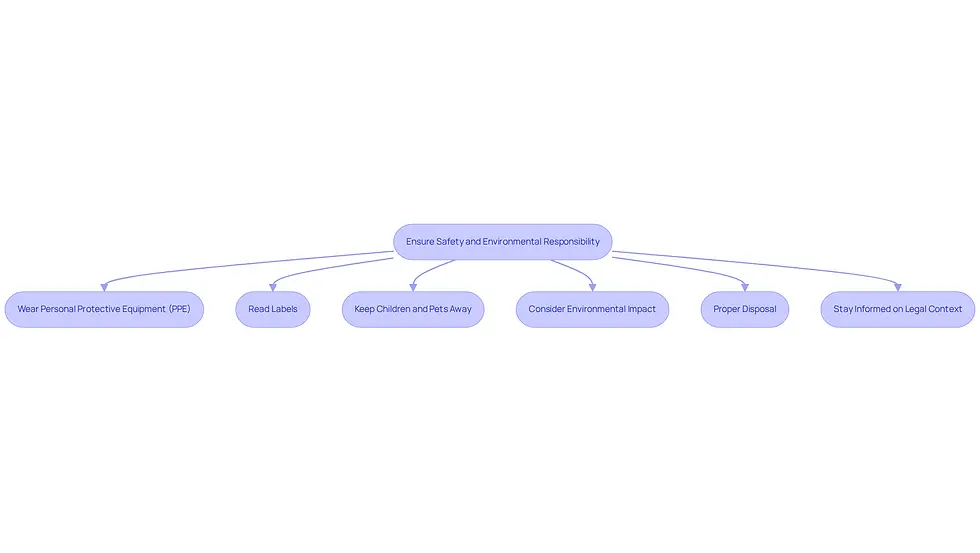
Personal Protective Equipment (PPE): It’s essential to wear gloves, long sleeves, and eye protection when handling insecticides. Studies show that 66.1% of pesticide handlers wear long sleeve shirts and 71.1% wear long sleeve trousers. This highlights the importance of PPE in preventing skin contact and inhalation, which are vital for your safety.
Read Labels: Take a moment to carefully read the product label for specific safety instructions. This includes recommended protective gear and first aid measures in case of exposure. Understanding the product's guidelines is key to using it safely.
Application Area: Keep children and pets away from treated areas until the insecticide has dried completely. This simple practice significantly reduces the risk of accidental exposure to an insect killer, ensuring a safer environment for everyone in your home.
Environmental Considerations: Be mindful to avoid applying insecticides near water bodies to prevent runoff contamination, which can harm aquatic ecosystems. By employing targeted applications of insect killer, you can minimize the impact on non-target species, aligning with best practices for environmental stewardship.
Disposal: Dispose of empty containers and leftover insecticides according to local regulations. Never pour chemicals down the drain or throw them in regular trash, as improper disposal can lead to environmental contamination.
Legal Context: Stay informed about ongoing legal challenges related to pesticide safety, such as the lawsuit against TruGreen for deceptive safety claims. This underscores the importance of transparency and safety in pesticide use, reinforcing the need for responsible practices.
By following these guidelines, you can effectively manage nuisances while protecting your health and the environment, contributing to a more sustainable approach to these issues.
Monitor and Maintain: Long-Term Strategies for Pest Control
Homeowners often face the daunting challenge of pest control, where finding an effective insect killer can feel overwhelming. The problem is clear: pests can wreak havoc on your beautiful lawn and garden, but an insect killer can help prevent this and reduce your stress and frustration. But there’s hope. By adopting effective monitoring and maintenance strategies, you can take control and protect your outdoor spaces.
Regular inspections are a crucial first step. By conducting routine checks of your lawn and garden for signs of insect activity and diseases, you can catch potential issues early. This proactive approach is essential in managing unwanted species with the help of an insect killer. As Dr. Jim Fredericks, senior vice president of public affairs at NPMA, wisely states, "The most effective management strategy for insects is a proactive one." Early detection can save you from larger infestations down the line.
Next, consider cultural practices that promote a healthy lawn. Proper watering, mowing, and fertilization create a robust grassy area that’s less vulnerable to pests and diseases like Red Thread and Dollar Spot. A strong lawn is your best defense. For example, applying a nitrogen-rich fertilizer can combat Dollar Spot, while regular aeration helps prevent issues like Necrotic Ring Spot. By nurturing your lawn, you’re fostering resilience.
Integrated Pest Management (IPM) serves as another powerful insect killer in your arsenal. This holistic approach combines cultural, biological, and chemical controls, reducing reliance on pesticides and promoting ecological balance. It’s increasingly recognized as vital for sustainable insect killer management. In fact, by 2026, over 60% of US farms are expected to adopt IPM strategies, highlighting its growing importance in pest control.
Keeping a record of your pest management efforts is also beneficial. By maintaining a log of sightings, treatments applied, and their effectiveness, you can identify patterns that inform future decisions. Approximately 80% of surveyed cultivators reported insect pressure as a major issue, underscoring the necessity of using an insect killer in these strategies. This data empowers you to enhance the effectiveness of your interventions.
Lastly, don’t hesitate to connect with community resources. Local extension services or insect management experts can provide guidance tailored to your area’s unique challenges. They offer valuable insights and assistance for ongoing pest management efforts. Stay vigilant about emerging threats like the spotted lanternfly and hybrid termites, as well as common lawn diseases that can weaken grass health.
By adopting these long-term strategies, you can create a sustainable pest control plan that not only protects your lawn but also enhances the beauty of your outdoor spaces. Remember, you’re not alone in this journey; with the right approach, you can achieve lasting peace of mind.

Conclusion
For homeowners striving to keep their spaces free from pests, understanding how to effectively use insect killers is crucial. The challenge of dealing with infestations can be daunting, but with the right knowledge and techniques, you can tackle these issues safely and responsibly. By choosing the right type of insect killer - be it granules, sprays, or baits - and applying it at the optimal time, you can significantly boost your pest management efforts.
Key insights from this guide emphasize the importance of:
Timing
Application techniques
Safety precautions
Proper application not only enhances the effectiveness of insect killers but also reduces risks to your health and the environment. Moreover, embracing long-term strategies like regular monitoring, cultural practices, and Integrated Pest Management (IPM) can help cultivate a resilient lawn and garden, ultimately decreasing the need for chemical interventions.
By adopting these best practices, you empower yourself to manage pests effectively while fostering a more sustainable approach to pest control. Staying informed and proactive allows you to enjoy your outdoor spaces without the worry of unwelcome insect intrusions, ensuring a healthier and more vibrant home environment.
Frequently Asked Questions
What are the different types of insect killers available for homeowners?
The main types of insect killers include granules, sprays, baits, and foggers/mists, each designed for specific insect situations.
How do granules work and what insects do they target?
Granules are effective for lawns and gardens, targeting soil-dwelling insects like grubs and ants. They work best when activated by moisture, so watering the area after application is recommended.
When should I use insect killer sprays?
Insect killer sprays are ideal for immediate results and can be applied directly to infested plants and surfaces. They come in two forms: ready-to-use and concentrated, with the latter requiring dilution before use.
What is the purpose of insect baits?
Baits are effective for targeting ants and cockroaches by luring them to a poison-laden food source, which they carry back to their colonies, helping to eliminate the infestation at its source.
What are insect foggers and mists used for?
Insect killer foggers and mists are designed for treating larger outdoor areas quickly, making them suitable for addressing flying insects like mosquitoes.
How can I choose the right insect killer for my needs?
Understanding the different categories of insect killers can help you select the most suitable product based on your specific insect challenges and application preferences, ensuring effective pest management tailored to your needs.
List of Sources
Identify Types of Insect Killers: Granules, Sprays, and More
Top-Rated Insecticides for Home Use: Best Products Reviewed | ProGuard Pest (https://proguardpest.com/top-rated-products-for-best-insecticide-for-house)
Spring 2026 Pest Forecast: What Homeowners Should Know (https://greenixpc.com/blog/the-pest-nerds-spring-forecast-why-2026-is-already-looking-buggy)
New Products (https://pctonline.com/article/new-products-feb-2026)
Syngenta debuts new insecticide after 12 year study (https://farmprogress.com/crop-protection/12-years-3-200-trials-syngenta-unveils-vertento-insecticide-for-2026)
Best bug sprays in 2026, tried and tested | CNN Underscored (https://cnn.com/cnn-underscored/reviews/best-bug-sprays)
Apply Insect Killers Effectively: Timing and Techniques
When to Apply Insecticide to Your Lawn for Best Results (https://epmearth.com/blog/when-to-apply-insecticide-to-lawn)
How to Safely Treat Your House with Insecticides (https://aspca.org/news/how-safely-treat-your-house-insecticides)
What Time Period Should Be Chosen For Spraying Pesticides (https://agrogreat.com/What-Time-Period-Should-Be-Chosen-For-Spraying-Pesticides.html)
Professional Pest Control: Top 7 Insecticide Strategies (https://farmonaut.com/blogs/professional-pest-control-top-7-insecticide-strategies-2026)
Think before you spray: Dan Gill explains if, when and how to best use insecticides in the garden (https://nola.com/entertainment_life/home_garden/if-when-and-how-to-best-use-insecticides-in-the-garden/article_d195fcfb-3867-4361-894e-a0a200d60e29.html)
Ensure Safety and Environmental Responsibility: Best Practices for Use
Under new regulation, common pesticide would require 'prescription' for use (https://npr.org/2026/02/25/nx-s1-5720150/under-new-regulation-common-pesticide-would-require-prescription-for-use)
Draft Farm Bill Attacks Foundational Protections from Pesticides for Farmers, Consumers, and Environment - Beyond Pesticides Daily News Blog (https://beyondpesticides.org/dailynewsblog/2026/02/draft-farm-bill-attacks-foundational-protections-from-pesticides-for-farmers-consumers-and-the-environment)
Farm Bill Draft and Executive Order Fuel Pesticides Debate (https://foodtank.com/news/2026/04/farm-bill-draft-and-executive-order-fuel-debate-over-pesticide-regulations)
Factors affecting use of personal protective equipment and pesticide safety practices: A systematic review - PubMed (https://pubmed.ncbi.nlm.nih.gov/32247154)
New pesticide recommendations raise concerns (https://wcax.com/2026/02/10/new-pesticide-recommendations-raise-concerns)
Monitor and Maintain: Long-Term Strategies for Pest Control
2026 Pest Trends & Predictions: Invasive Flies, Ants & Ticks (https://terminix.com/blog/whats-buzzing/pest-trends-predictions)
Pest and Disease Challenges Shift for Greenhouse Growers - Greenhouse Product News (https://gpnmag.com/article/2026-pest-disease-survey-report)
From Coast to Coast, Pests Are Coming Early: Experts Forecast Heightened Activity This Spring and Summer (https://pestworld.org/multimedia-center/press-releases/from-coast-to-coast-pests-are-coming-early-experts-forecast-heightened-activity-this-spring-and-summer)
The Homeowner’s Guide to Reliable Pest Prevention: Tupelo Pest Control Shares Expert Defense Strategies for Mooreville (https://cbs19news.com/online_features/press_releases/the-homeowner-s-guide-to-reliable-pest-prevention-tupelo-pest-control-shares-expert-defense-strategies/article_a8a33481-0c8f-59a4-874f-1b9cb01f769c.html)
Pest & Farm Management: Top 7 US Trends (https://farmonaut.com/usa/pest-farm-management-top-7-us-trends-for-2026)


