.png)
4 Steps for Effective Grub Treatment for Your Yard
- Spring Touch Team

- May 14
- 6 min read
Updated: 3 days ago
Introduction
Your lawn, once a source of pride, is now under threat from hidden pests. Grubs lurk beneath the surface, damaging the roots of your grass. As these pests damage your grass, you may notice brown patches and spongy areas, signaling that it's time to act and restore your yard's health. This guide delves into effective strategies for treating grubs, offering homeowners the tools to reclaim their outdoor spaces and ensure lasting vitality. Finding the right solution can transform your lawn back into a thriving oasis.
Understand Grubs: Lifecycle and Impact on Your Lawn
Imagine stepping onto your lawn only to find it wilting and brown, a clear sign that grubs are at work beneath the surface. These grubs, the larval stage of various beetles, particularly the Japanese beetle, can pose a serious threat to your lawn's health. Once they hatch, they start to consume grass roots, causing significant damage, especially during late summer and early fall when they are most active. If you notice more than ten grubs in a square foot, it’s a sign that your lawn needs immediate attention to prevent further damage.
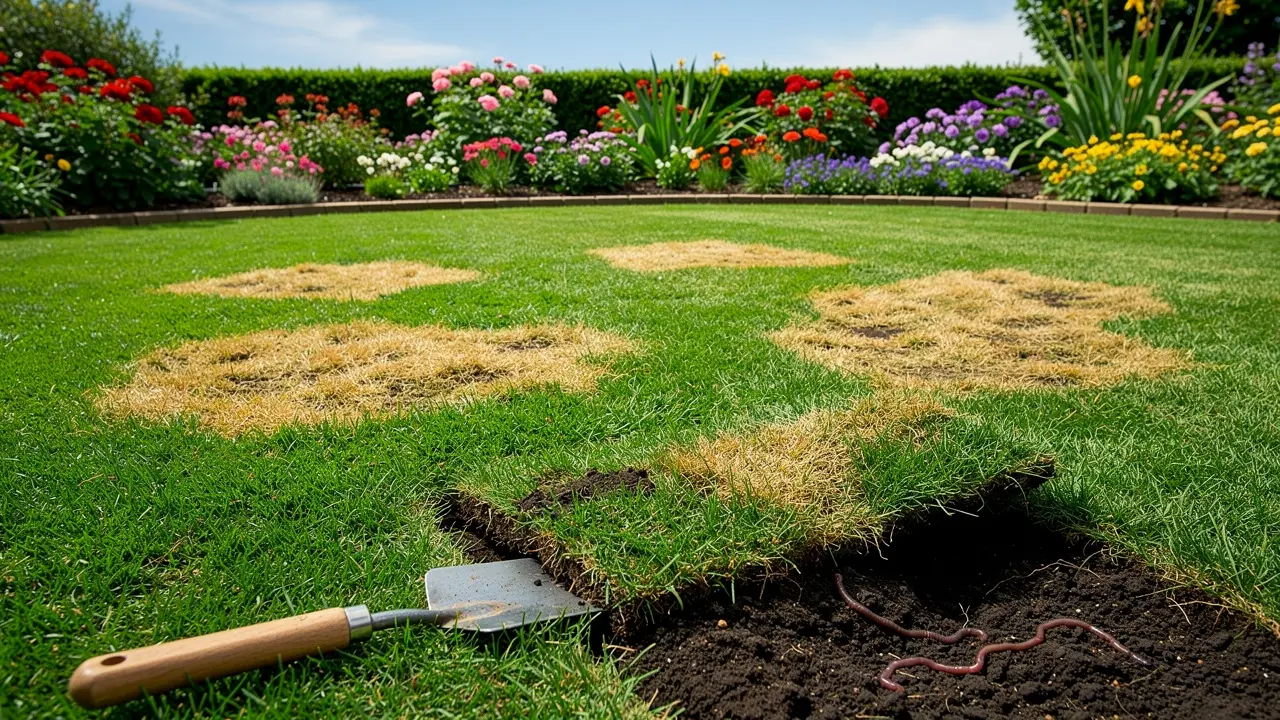
As they feed, grubs create visible signs of distress in your lawn, such as brown patches and a spongy feel to the turf. Ignoring these signs could lead to a lawn that is not just unsightly but also costly to restore. Early identification of larval damage, like irregular brown patches or wildlife activity such as birds or raccoons searching for grubs, can help you take action before the situation worsens.
To effectively manage these pests, consider preventive measures during late spring to early summer. Spring Touch offers professional yard care solutions, including organic-based fertilizers that replenish nutrients and deter crabgrass, vital for maintaining a healthy landscape. With our commitment to transforming your yard into a stunning, insect-free outdoor area, you can enjoy a vibrant green space throughout the season.

Identify Signs of Grub Infestation
Ignoring the signs of pest infestation can lead to devastating consequences for your lawn, but recognizing them early can make all the difference.
You might notice irregular patches of brown or dead grass; these can be the first signs of insect damage, and recognizing them early is crucial. If you feel a spongy texture underfoot or notice the turf lifting easily, it could mean that insects are affecting the root system, which can make your grass less stable.
If you see increased digging from birds, raccoons, or skunks, it might indicate the presence of larvae, as these animals are often attracted to them for food. Additionally, if you can easily pull up the grass, it could mean that larvae are eating the roots, which is a sign that needs your attention.
By identifying these signs early, you can significantly reduce the risk of serious lawn damage and take action to care for your grass. By staying alert to these signs, you can protect your lawn and ensure it remains healthy and vibrant.

Choose and Apply Grub Treatment Options
Dealing with a pest infestation can feel overwhelming and stressful, especially when you see the damage they cause to your yard. Once you've recognized the problem, choosing and implementing the right remedy is vital for effective management. Here’s how to proceed:
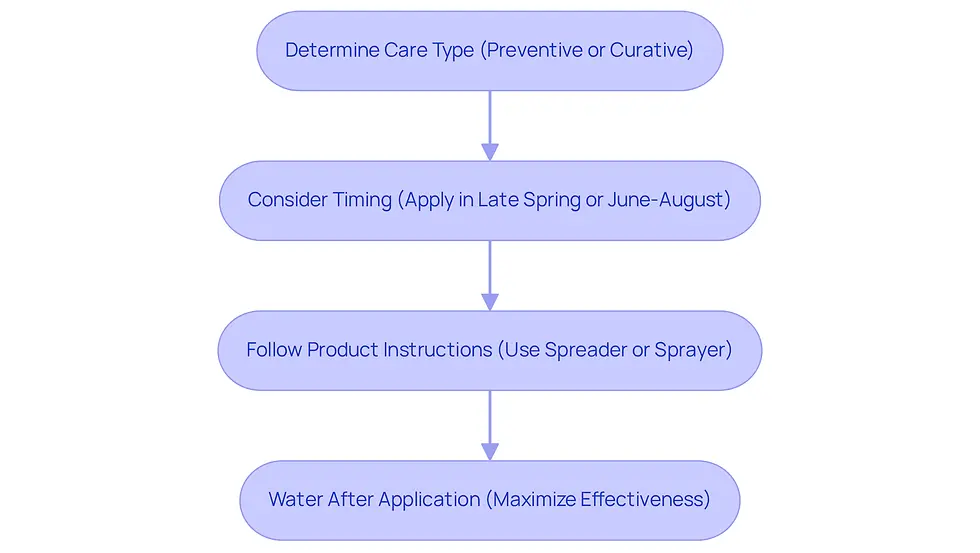
First, think about the type of care you want to take - preventive or curative.
Preventive measures, like those containing imidacloprid or chlorantraniliprole, should be applied before larvae emerge, typically in late spring.
On the other hand, curative methods, such as grub treatment for yard with carbaryl or trichlorfon, are effective when larvae are already present in your yard.
Next, let’s talk about timing, which is crucial for success.
Apply restorative procedures during peak insect activity times, which take place from June to August.
For preventive measures, late spring is the optimal time for application.
It’s important to follow the product instructions closely to ensure the best results.
Utilize a spreader for granular items or a sprayer for liquids to guarantee uniform coverage across your yard when applying grub treatment for yard.
Finally, after applying the solution, give your grass a light watering to help the product work its magic.
This step is vital for maximizing the procedure's effectiveness.
With careful attention and the right methods, you can effectively manage pests and enjoy a thriving yard once again.
Monitor and Maintain Lawn Health After Treatment
After the grub treatment for yard, you might feel uncertain about its recovery, but with the right care, it can thrive again.
Routine Evaluations: Regularly check for signs of new insect activity or damage. Noticing brown patches or spongy areas can be disheartening, signaling that your lawn may still be struggling.
Watering Schedule: Establish a consistent watering routine to support grass recovery. Lawns generally require about one inch of water per week, whether from rainfall or irrigation, to thrive.
Fertilization: A balanced fertilizer can be a game-changer, helping your grass bounce back and flourish after grub damage.
Aeration and Overseeding: For grassy areas that have undergone significant damage, aeration and overseeding are efficient restoration techniques. Aeration improves soil structure and nutrient infiltration, while overseeding adds new grass seed to cover bare areas, ensuring a lush and resilient landscape.
Regular inspections and proper care post-grub treatment for yard are essential for maintaining a healthy garden, especially after experiencing grub infestations. Taking these steps not only nurtures your lawn back to health but also empowers you to create a thriving outdoor space for years to come.

Conclusion
Many homeowners find themselves frustrated by the hidden threats grubs pose to their lawns. Understanding how grubs live and spotting the signs of their presence can help you take action before they cause serious harm. By implementing the right treatment options - whether preventive or curative - at the right times, you can ensure your lawn remains resilient against these harmful larvae.
Throughout this article, we’ve explored key strategies, including identifying signs of grub damage and selecting appropriate treatment methods. Regular monitoring, proper watering, and fertilization are crucial for supporting recovery after treatment. Practices like aeration and overseeding can also help restore any damaged areas effectively.
Putting in the effort to manage grubs not only keeps your lawn looking good but also helps it stay healthy and strong. By staying vigilant and following the recommended practices, you can create a thriving outdoor space that you can enjoy for years to come. Take action today to ensure your yard remains a beautiful and inviting environment, free from the threats posed by grubs.
Frequently Asked Questions
What are grubs and why are they a concern for lawns?
Grubs are the larval stage of various beetles, particularly the Japanese beetle, and they can seriously threaten your lawn's health by consuming grass roots.
When are grubs most active and damaging to lawns?
Grubs are most active and damaging during late summer and early fall.
How can I tell if my lawn has a grub problem?
Signs of a grub problem include wilting and brown patches in the lawn, a spongy feel to the turf, and the presence of more than ten grubs per square foot.
What should I do if I notice signs of grub damage in my lawn?
If you notice signs of grub damage, it's important to take immediate action to prevent further damage, as ignoring these signs can lead to costly restoration.
What preventive measures can I take against grubs?
Preventive measures include applying organic-based fertilizers during late spring to early summer to replenish nutrients and deter crabgrass.
How can Spring Touch help with grub management?
Spring Touch offers professional yard care solutions, including organic-based fertilizers that help maintain a healthy landscape and transform your yard into an insect-free outdoor area.
List of Sources
Understand Grubs: Lifecycle and Impact on Your Lawn
The Lifecycle of Lawn Grubs: Understanding and Controlling a Hidden Threat - SeaScape, Inc. (https://seascapeinc.com/healthy-lawns-with-dr-jim/the-lifecycle-of-lawn-grubs-understanding-and-controlling-a-hidden-threat)
buckeyeturf.osu.edu (https://buckeyeturf.osu.edu/news/buckeye-turf-newsletter-spring-2026)
9news.com (https://9news.com/article/life/home-garden/proctors-tips/stop-japanese-beetles/73-e5f61070-be55-46f2-b088-c693752458b6)
Grub Problems in Turf | Home Garden Education Office | College of Agriculture, Health and Natural Resources | University of Connecticut (https://homegarden.cahnr.uconn.edu/factsheets/grub-problems-in-turf)
Understanding Grubs: Lifecycle, Treatment, and Timing (https://lawnscience.com/understanding-grubs-lifecycle-treatment-and-timing)
Identify Signs of Grub Infestation
Grub Damage is On the Rise in 2025! - Reder Landscaping - Landscape Design & Lawn Care (https://rederlandscaping.com/lawns/grub-damage-is-on-the-rise-in-2025)
Signs of Grubs on Your Lawn: How To Spot and Stop the Damage Early (https://senske.com/blog/signs-of-grubs-on-your-lawn)
Grub Problems in Turf | Home Garden Education Office | College of Agriculture, Health and Natural Resources | University of Connecticut (https://homegarden.cahnr.uconn.edu/factsheets/grub-problems-in-turf)
When Do Grubs Come Out? Life Cycle, Lawn Damage Signs & Treatment Timing (https://spring-green.com/learn/blogs/blog-grub-control-time-treat-grubs)
Choose and Apply Grub Treatment Options
How to choose and when to apply grub control products for your lawn (https://canr.msu.edu/news/how_to_choose_and_when_to_apply_grub_control_products_for_your_lawn)
Grub Problems in Turf | Home Garden Education Office | College of Agriculture, Health and Natural Resources | University of Connecticut (https://homegarden.cahnr.uconn.edu/factsheets/grub-problems-in-turf)
Master Lawn Grub Killer Techniques for a Healthy Lawn (https://springtouchlawn.com/post/master-lawn-grub-killer-techniques-for-a-healthy-lawn)
Monitor and Maintain Lawn Health After Treatment
mesaturfmasters.com (https://mesaturfmasters.com/blog/have-grubs-destroyed-your-lawn-heres-how-to-help-it-recover)


