.png)
5 Essential Lawn Care Information Tips for Homeowners
- Spring Touch Team

- 7 days ago
- 9 min read
Updated: 1 day ago
Introduction
Many homeowners in southern Minnesota find themselves feeling lost when it comes to lawn care, especially with the region's unique climate challenges. But with the right guidance, you can confidently nurture a vibrant and healthy lawn that brings you joy. This article delves into five essential tips that will empower you to enhance your lawn care practices, from conducting soil tests to identifying grass types and implementing effective mowing techniques.
These misconceptions can lead to feelings of frustration and disappointment, leaving homeowners wondering why their efforts don’t yield the lush lawns they desire. By embracing these best practices, you can transform your lawn into a vibrant oasis that enhances both your home’s beauty and its value.
Conduct Soil Testing to Assess Lawn Health
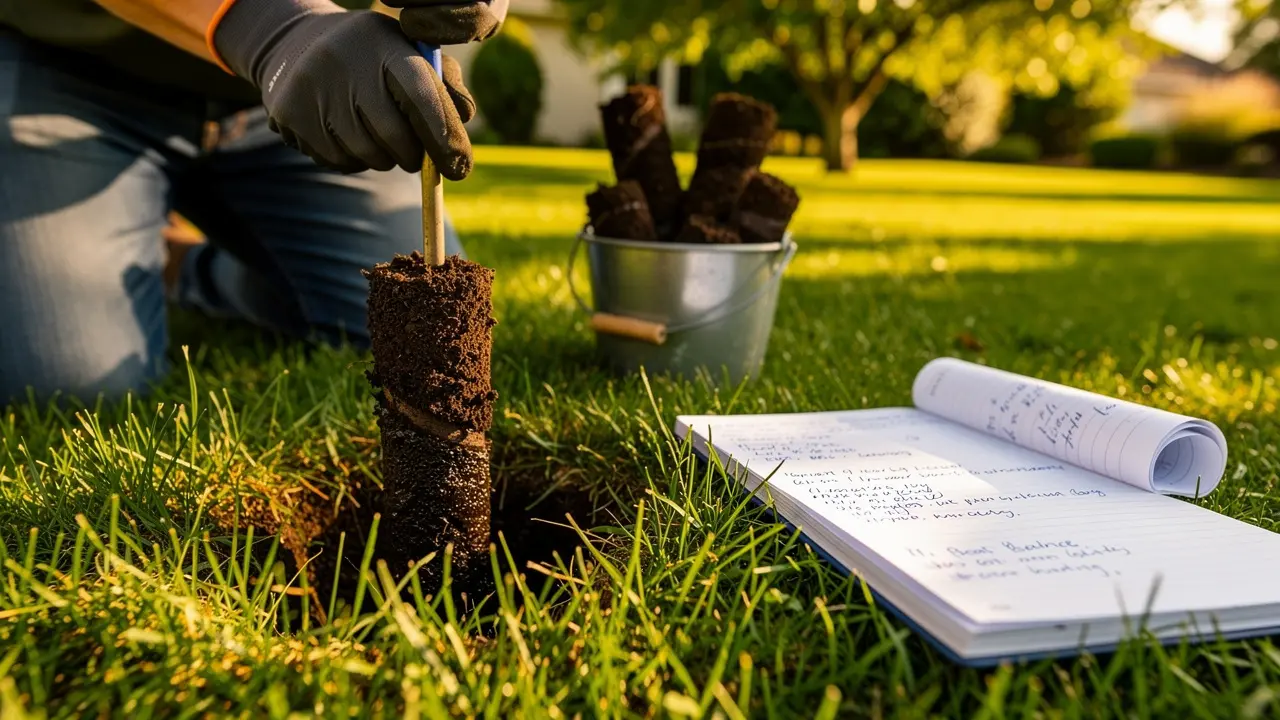
Are you unsure about the health of your lawn and looking for lawn care information to improve it? Testing your soil can provide valuable lawn care information that can be a game-changer for effective yard care. It provides vital insights into the nutrient levels and pH balance of your soil, which are essential for promoting healthy grass growth. To get started, gather soil samples from various sections of your lawn, focusing on the top 4 to 6 inches. You can use a probe or a trowel for this task. Once you've collected the samples, send them to a local extension service or a testing laboratory for analysis.
The results will highlight any nutrient deficiencies and pH imbalances, which will give you valuable lawn care information to tailor your fertilization and amendment strategies. For example, if your soil analysis reveals low nitrogen levels, consider using Spring Touch's organic-based fertilizer, which includes bio-solids and crabgrass preventer. This can help your grass thrive while keeping crabgrass at bay.
It's best to test your soil every 2 to 3 years. This way, you can ensure your grass gets the nutrients it needs when it needs them, fostering a healthier and more vibrant outdoor space. In southern Minnesota, homeowners who test their soil regularly find their yards are more resilient against pests and diseases. This leads to a more sustainable and enjoyable landscape. With the right care and treatments from Spring Touch Lawn & Pest Control, many common turf diseases can be effectively managed, ensuring your grass remains healthy throughout the seasons. With the right care, your lawn can thrive, bringing you joy and peace of mind.

Identify Your Grass Type for Customized Care
Many homeowners feel overwhelmed by the challenge of maintaining a healthy lawn in southern Minnesota. Understanding your turf type is essential for obtaining accurate lawn care information. The most prevalent cool-season plants in this area include:
Kentucky bluegrass
Tall fescue
Perennial rye
Each has distinct development patterns and maintenance needs. Kentucky bluegrass flourishes in cooler temperatures and requires regular watering and fertilization during its peak development phases in spring and fall. Start by looking at your grass's blade width, texture, and growth habits to identify your turf type. Resources like local extension services or online guides can provide valuable lawn care information to assist in this identification process.
When you know your turf type, you can create a vibrant lawn that not only looks great but also adds value to your home. You can use lawn care information to customize your yard care practices by modifying:
Mowing height
Watering frequency
This ensures your greenery stays healthy and lush. For instance, maintaining a mowing height of 2.5 to 3 inches for Kentucky bluegrass can promote deeper root growth and enhance drought resistance. Furthermore, always verify the 'sell by' or 'test date' on grass seed labels to ensure you are using viable seeds, as this directly affects turf health.
Think about how a yard care service like Spring Touch Lawn & Pest Control could significantly boost your property value. Spring Touch provides organic-based fertilizer containing bio-solids and crabgrass preventer, which not only replenishes nutrients but also stops crabgrass from dominating your yard during the summer months. By tailoring your method according to the particular requirements of your turf variety and steering clear of typical mistakes, like buying outdated seed stock, you can attain a vibrant and resilient landscape that flourishes beautifully in Minnesota's climate. With the right knowledge and care, your lawn can become a source of pride and joy, thriving beautifully in Minnesota's unique climate.

Implement Regular Mowing Techniques for Optimal Growth
Are you worried about your lawn's health in southern Minnesota? Regular mowing is key to keeping it vibrant and lush. Homeowners should aim to mow when the lawn reaches about one-third taller than the desired height, typically between 3.5 to 4 inches for cool-season plants during the summer. Mowing too short can lead to a struggling lawn, leaving homeowners frustrated and worried about their yard's health.
Using sharp mower blades not only ensures clean cuts but also gives you peace of mind, knowing your lawn is less likely to suffer from disease and can grow strong; it’s advised to sharpen blades 2-3 times annually for optimal performance. Additionally, changing the mowing pattern each time can prevent soil compaction and promote uniform growth throughout the area.
During peak growing seasons, such as spring and early fall, mowing may be necessary every 3 to 5 days to keep the lawn healthy and lush. Homeowners should also avoid mowing when the grass is wet, as this can lead to damage to the yard.
To further enhance turf health, consider Spring Touch Lawn & Pest Control's organic-based fertilizer with bio-solids and crabgrass preventer, which not only restores nutrients but also prevents crabgrass from overtaking your grass during the summer. As a new customer, don’t miss out on your first application being free when you enroll in our complete yard care programs.
By following these practices and seeking expert help, you can enjoy a thriving lawn that stands strong against challenges.

Fertilize Your Lawn at the Right Times for Maximum Health
Are you unsure about the best time to fertilize your cool-season plants in southern Minnesota? Timing is crucial for ensuring your yard's optimal health and development. As spring arrives and your grass starts to green up, typically from mid-April to early May, consider using Spring Touch Lawn & Pest Control's organic-based fertilizer with bio-solids and crabgrass preventer. This will not only replenish nutrients but also help keep crabgrass at bay, allowing your yard to flourish after winter dormancy. And if you're new to our services, we’re excited to offer you a complimentary initial yard care treatment when you enroll in a complete program, ensuring you start off on the right foot.
As fall approaches, applying a nitrogen-rich fertilizer can prepare your grass for winter and promote strong root development, ensuring it’s ready to thrive when spring returns. Consider performing a soil test to understand your yard's unique nutrient levels and pH. This will empower you to make informed decisions using lawn care information tailored to your lawn's specific needs. Using slow-release fertilizers can be a great choice, as they provide a steady supply of nutrients over time, nurturing your lawn without overwhelming it.
It’s important to follow the manufacturer's guidelines for application rates and techniques. This helps prevent over-fertilization, protecting both your grass and the environment. Remember, using too much liquid fertilizer can lead to contamination of waterways, which is why moderation is key to keeping both your lawn and the environment safe. With the right timing and care, your yard can thrive, bringing you joy and peace of mind all year round.

Aerate Your Lawn to Improve Soil Health and Growth
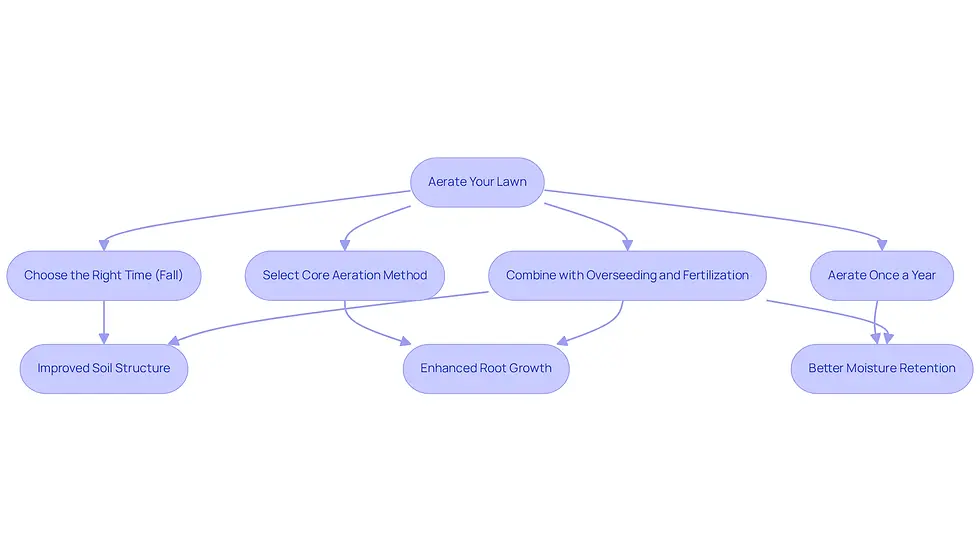
Many homeowners find their lawns struggling to thrive, often due to compacted soil that limits essential resources. Aeration involves creating small holes in the ground, allowing air, water, and nutrients to reach the grass roots more easily. For those in southern Minnesota, the best time to aerate is in the fall when the grass is actively growing, which helps it bounce back quickly. Core aeration, which pulls out small plugs of soil, is recognized as the most effective method for enhancing turf health.
Aerating your lawn once a year can really make a difference - it helps improve soil structure, encourages root growth, and keeps thatch in check. Research shows that aerated grass areas can absorb water up to three times more effectively than non-aerated ones, leading to better moisture retention and overall vitality. Homeowners who have aerated their yards often notice a remarkable transformation, with their grass shifting from dull to vibrant green in just a few weeks.
Combining aeration with overseeding and fertilization maximizes the benefits, as new grass seeds can establish strong root systems before winter sets in. Spring Touch Lawn & Pest Control offers an organic-based fertilizer with bio-solids and crabgrass preventer, perfect for spring applications. This treatment not only replenishes nutrients but also helps prevent crabgrass from taking over your yard during the summer months. Proper post-aeration care, including adequate watering and fertilization, is crucial for achieving the best results.
Additionally, homeowners should be aware of common grass diseases in Minnesota, such as Red Thread and Dollar Spot, which can affect turf health. Aeration and the right fertilization can help tackle these issues by improving soil health and promoting robust grass growth. When you tackle soil compaction and boost nutrient access, aeration helps your lawn thrive, making it essential for anyone seeking lawn care information in Minnesota. By prioritizing aeration, you’re not just caring for your lawn; you’re investing in a vibrant outdoor space that enhances your home’s beauty and value.
Conclusion
Many homeowners struggle with maintaining a vibrant lawn, often feeling overwhelmed by the various care practices needed to achieve a healthy outdoor space. Focusing on soil testing and understanding your grass type can feel daunting, but these steps are essential for nurturing a lawn that thrives. When you implement these practices, you’re not just caring for your lawn; you’re creating a vibrant outdoor space that flourishes in southern Minnesota’s climate.
Investing time in your lawn can feel overwhelming, but it’s also an opportunity to create a space you can truly enjoy and take pride in. Homeowners are encouraged to consider professional services like those offered by Spring Touch Lawn & Pest Control, which not only provide expert guidance but also utilize organic-based treatments that are safe for families and pets. By embracing these essential lawn care practices, you can cultivate not just a lawn, but a cherished outdoor retreat that enhances your home and well-being.
Frequently Asked Questions
Why is soil testing important for lawn health?
Soil testing is crucial as it provides insights into the nutrient levels and pH balance of your soil, which are essential for promoting healthy grass growth. It helps identify nutrient deficiencies and pH imbalances, allowing you to tailor your fertilization and amendment strategies effectively.
How do I conduct a soil test?
To conduct a soil test, gather soil samples from various sections of your lawn, focusing on the top 4 to 6 inches. Use a probe or a trowel to collect the samples, then send them to a local extension service or a testing laboratory for analysis.
How often should I test my soil?
It is recommended to test your soil every 2 to 3 years to ensure your grass receives the necessary nutrients at the right times, fostering a healthier lawn.
What are the common grass types in southern Minnesota?
The most prevalent cool-season grasses in southern Minnesota include Kentucky bluegrass, tall fescue, and perennial rye.
How can I identify my grass type?
You can identify your grass type by examining the blade width, texture, and growth habits. Resources like local extension services or online guides can assist in this identification process.
How does knowing my grass type help with lawn care?
Knowing your grass type allows you to customize your lawn care practices, such as adjusting mowing height, watering frequency, and fertilization schedules, ensuring your lawn remains healthy and lush.
What is the recommended mowing height for Kentucky bluegrass?
The recommended mowing height for Kentucky bluegrass is between 2.5 to 3 inches, which promotes deeper root growth and enhances drought resistance.
How can Spring Touch Lawn & Pest Control assist with lawn care?
Spring Touch Lawn & Pest Control offers organic-based fertilizers containing bio-solids and crabgrass preventer, which help replenish nutrients and prevent crabgrass, enhancing the overall health and appearance of your lawn.
What should I check on grass seed labels?
Always verify the 'sell by' or 'test date' on grass seed labels to ensure you are using viable seeds, as this directly affects turf health.
How can regular lawn care improve my property value?
Regular lawn care, tailored to your specific turf type, can significantly boost your property value by creating a vibrant and resilient landscape that enhances the overall appeal of your home.
List of Sources
Conduct Soil Testing to Assess Lawn Health
4 Best Practices for Healthy Grass Care in Minnesota (https://springtouchlawn.com/post/4-best-practices-for-healthy-grass-care-in-minnesota)
9 Reasons Why Soil Testing Is Important for the Lawn (https://lawnstarter.com/blog/lawn-care-2/why-soil-testing-is-important-for-lawn)
Why Every Homeowner Should Get a Soil Test | Virginia Green (https://virginiagreen.com/news/benefits-homeowner-soil-test)
The Importance of Soil Testing Your Lawn & How to Do It (https://experigreen.com/the-importance-of-soil-testing-your-lawn)
Soil testing for lawns and gardens (https://extension.umn.edu/managing-soil-and-nutrients/soil-testing-lawns-and-gardens)
Identify Your Grass Type for Customized Care
Choosing the Right Grass Seed: Twin Cities Lawn Care Guide | bioLawn (https://getbiolawn.com/blog/how-to-choose-the-right-grass-seed-for-your-twin-cities-lawn)
Why Choosing the Right Grass Seed Matters – Especially in Minnesota - Organic Lawns by Lunseth (https://organiclawnsbylunseth.com/why-choosing-the-right-grass-seed-matters-especially-in-minnesota)
4 Best Grass Types for Minneapolis, MN (https://lawnstarter.com/blog/minnesota/minneapolis-mn/best-grass-types-minneapolis)
When to Seed Your Lawn In Minnesota - Parkway Lawn Services | Lawn Care in Minneapolis, MN (https://parkwaylawn.com/news/seed-lawn-minnesota)
Selecting the Best Grass Seed for Your Minnesota Lawn (https://groundfxmn.com/blog/selecting-the-best-grass-seed-for-your-minnesota-lawn)
Implement Regular Mowing Techniques for Optimal Growth
The Best Minnesota Lawn Care Schedule (https://lawnstarter.com/blog/minnesota/lawn-care-schedule-mn)
Frequently Asked Questions (FAQ) | BioLawn (https://getbiolawn.com/maintenance-tips)
Mowing practices for healthy lawns (https://extension.umn.edu/lawn-care/mowing-practices-healthy-lawns)
Summer Time Mowing in MN (https://fertilawnmn.com/a-season-long-plan-for-mowing)
Fertilize Your Lawn at the Right Times for Maximum Health
The Best Minnesota Lawn Care Schedule (https://lawnstarter.com/blog/minnesota/lawn-care-schedule-mn)
Master Your Lawn Care Schedule in Minnesota: Best Practices for Homeowners (https://springtouchlawn.com/post/master-your-lawn-care-schedule-in-minnesota-best-practices-for-homeowners)
Lawn care calendar (https://extension.umn.edu/planting-and-growing-guides/lawn-care-calendar)
When to Fertilize Your Lawn in Minnesota (https://lawnlove.com/blog/when-to-fertilize-lawn-minnesota)
When to Fertilize Your Lawn (https://lawnstarter.com/blog/lawn-care-2/when-to-fertilize-lawn)
Aerate Your Lawn to Improve Soil Health and Growth
The Importance of Warm Season Lawn Aeration and its Long Term Effects | Virginia Green (https://virginiagreen.com/news/importance-warm-season-lawn-aeration-and-its-long-term-effects)
Solving Soil Compaction: The Benefits of Aeration & Overseeding (https://groundfxmn.com/blog/solving-soil-compaction-the-benefits-of-aeration-overseeding)
New Exmark Video Explains The Benefits of Lawn Aeration (https://natlawreview.com/press-releases/new-exmark-video-explains-benefits-lawn-aeration)
Why Aerate Your Lawn: Benefits for Healthier Grass - Rentalex (https://rentalex.com/why-aerate-your-lawn-benefits-for-healthier-grass)