.png)

5 Essential Lawn Care Programs for Do-It-Yourself Homeowners
- Spring Touch Team

- May 22
- 8 min read
Updated: 3 days ago
Introduction
Many homeowners dream of a lush, vibrant lawn, but the journey to achieving it can often feel daunting. With the right lawn care programs, you can cultivate a thriving outdoor space that enhances your home’s beauty and value. Let’s explore the essential steps that can guide you toward a successful lawn care journey. This article will guide you through five crucial lawn care programs, helping you take charge of your yard's health, from soil testing to deciding between DIY and professional services.
Conduct Soil Testing to Assess Lawn Health
Are you worried about the health of your lawn? Soil testing might be the key to a thriving yard. Soil testing is crucial for any effective grass care program, serving as the foundation for maintaining a healthy yard. This process involves collecting samples from various spots in your yard and sending them off for analysis, ensuring you know exactly what your lawn needs. Understanding your soil's pH and nutrient levels is key to helping your grass grow strong.
Steps for Conducting Soil Testing:
Collect Samples: Use a clean trowel to gather earth from multiple spots in your lawn, focusing on the top 4-6 inches. Combine these samples in a clean bucket to create a composite sample.
Send for Analysis: Choose a trustworthy testing laboratory for earth. Many local agricultural extensions provide this service at an affordable price.
Interpret Results: Upon receiving your results, pay attention to recommendations for substance amendments and pH adjustments. For example, if your ground is too acidic (pH below 6.0), adding lime can assist in raising the pH to a more appropriate level.
Testing your soil every three years can keep your turf healthy, ensuring it has the right nutrients and pH balance to thrive. This proactive strategy not only improves turf vitality but also decreases the chances of pest infestations and turf diseases. Ultimately, investing in regular soil testing can transform your lawn into a vibrant oasis, enhancing your outdoor experience in Minnesota's climate.

Identify Your Grass Type for Tailored Care
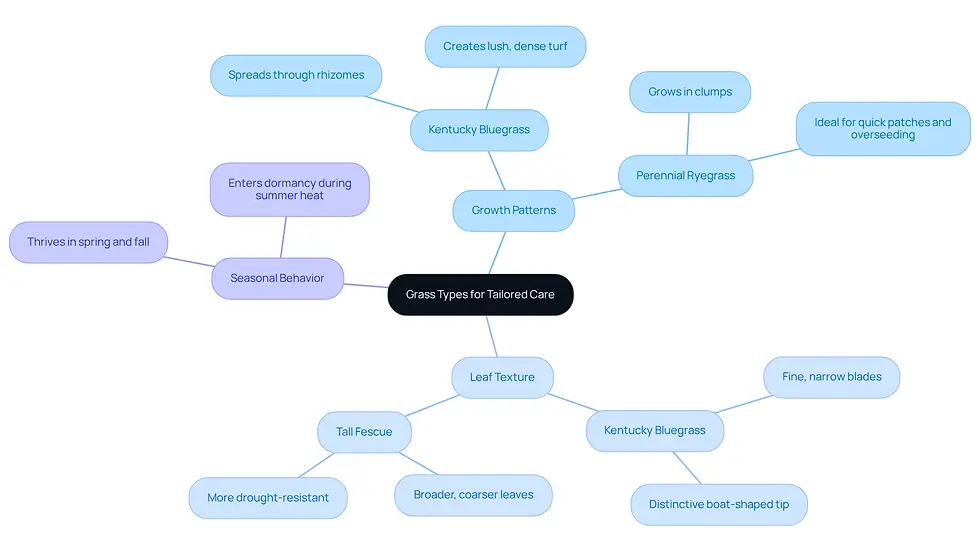
Understanding your turf type can feel overwhelming, but it’s essential for a thriving yard. In Minnesota, common cool-season plants like Kentucky bluegrass, perennial ryegrass, and tall fescue each have unique characteristics and care requirements that can make a significant difference in your yard's health.
Consider the growth patterns:
Kentucky bluegrass spreads through rhizomes, creating a lush, dense turf.
Perennial ryegrass grows in clumps, making it ideal for quick patches and overseeding.
This distinction is vital for ensuring your lawn looks its best.
Next, check the leaf texture:
Kentucky bluegrass features fine, narrow blades with a distinctive boat-shaped tip.
Tall fescue has broader, coarser leaves that are more drought-resistant.
Understanding these differences can help you choose the right grass for your specific needs.
Finally, consider seasonal behavior. Cool-season plants thrive in spring and fall, entering dormancy during the summer heat. This knowledge is crucial for scheduling watering and fertilization effectively.
Neglecting to identify your turf type could mean missing out on the lush, healthy lawn you desire. By recognizing your turf type, you can tailor your yard care methods, including cutting height and fertilization timelines, to meet the unique requirements of your area, ensuring optimal growth and wellness.
Avoid Common Lawn Care Mistakes for Better Results
Many homeowners unknowingly harm their lawns, leading to frustration and disappointment. Here are some common pitfalls to avoid:
Mowing Too Short: When you cut your lawn too short, it can stress the grass, making it more susceptible to weeds and shallow roots, which can be disheartening. For optimal health, maintain a mowing height of 3-4 inches, which is ideal for cool-season grasses like Turf-Type Tall Fescue and Kentucky Bluegrass.
Overwatering: Frequent watering can promote shallow roots and fungal diseases. Instead, try watering deeply but less frequently, letting the soil dry out in between. This encourages your grass to grow stronger roots, which is so rewarding to see!
Disregarding Ground Quality: Overlooking ground testing and amendments can lead to deficiencies in essential nutrients. Regular soil testing ensures your grass receives the nutrients it needs to thrive, giving you peace of mind about its health.
Applying Fertilizer at the Wrong Time: Timing is critical for effective fertilization. Applying fertilizers at the right time during the growing season helps your grass absorb nutrients effectively, leading to a healthier lawn that you can be proud of.
By identifying these frequent errors and applying remedial actions, you can cultivate a vibrant lawn that brings joy and satisfaction to your outdoor space.

Implement Regular Maintenance Practices for Lawn Health
Are you feeling overwhelmed by the thought of maintaining a healthy lawn? It’s a common concern for many homeowners, and it can feel daunting. But don’t worry; with the right practices, you can achieve a lush, vibrant yard that brings you peace of mind.
One of the biggest challenges is knowing how to keep your lawn in top shape. Regular mowing is crucial, as it helps maintain the ideal height for healthy growth and keeps weeds at bay. Aim to mow at about 3 inches to protect your lawn from heat stress during the summer months. This simple step can make a significant difference in your lawn's health.
Another concern is ensuring your lawn gets the nutrients it needs. Applying Spring Touch's organic-based fertilizer in the spring can help replenish essential elements while preventing crabgrass from taking over. A balanced fertilizer, tailored to your lawn's specific needs, typically involves a spring application followed by a fall feeding, especially for cool-season grasses. This approach boosts resilience and promotes growth, giving you a lawn to be proud of.
Compaction can also be a problem, particularly in yards that see a lot of foot traffic. Yearly aeration is essential for alleviating this issue and enhancing resource uptake. It allows air, water, and nutrients to penetrate the soil more effectively, which is vital for seed germination and overall soil health.
Weed control is another area where homeowners often feel overwhelmed. Establishing a proactive weed management program is key to preventing invasive species from taking over your yard. Spring Touch offers seasonal treatments targeting dandelions and broadleaf weeds, which are crucial for maintaining a weed-free environment. Early intervention, such as applying pre-emergent herbicides in spring, can significantly reduce weed growth and save you time and effort later.
Lastly, watering your lawn correctly is essential. Aim to irrigate thoroughly but less frequently, targeting about 1 to 1.5 inches weekly. Early morning is the best time to water, as it minimizes evaporation and allows your grass to absorb moisture effectively.
By embracing these practices, you can transform your lawn into a thriving oasis that brings joy and peace of mind to your home.

Evaluate DIY vs. Professional Lawn Care Services
Deciding whether to care for your garden yourself or hire professionals can feel daunting, especially when weighing the pros and cons of each approach.
DIY Lawn Care:
Pros:
Cost Savings: For those with smaller lawns, DIY can be a budget-friendly option, with annual costs typically ranging from $700 to $1,200, allowing homeowners to save money while enjoying their outdoor space.
Flexibility: Homeowners have the freedom to choose when and how to utilize lawn care programs for do it yourself, tailoring care to their schedules.
Personal Satisfaction: Many find joy in the hands-on approach offered by lawn care programs for do it yourself, taking pride in their ability to cultivate a healthy yard.
Cons:
Time-Consuming: Many homeowners find themselves overwhelmed by the time and effort required to maintain their lawns effectively, often needing to dedicate 50-80 hours annually for optimal results.
Learning Curve: Inexperienced homeowners may encounter challenges with lawn care programs for do it yourself, such as over-fertilizing or improper irrigation, leading to subpar outcomes. They may also struggle with identifying problems like mole infestations, which can cause significant harm to grass areas by creating tunnels and soft spots.
Professional Lawn Care Services:
Pros:
Expertise: Professionals possess the knowledge and experience to effectively address various lawn issues, including common diseases like Red Thread, Dollar Spot, and Brown Patch. They ensure tailored treatments based on specific grass types and local conditions, and can recognize signs of mole activity, assisting in safeguarding your yard from additional harm.
Consistency: Regularly scheduled services ensure that yard care tasks are carried out punctually, improving overall greenery health.
Comprehensive Care: Professionals offer a full suite of services, including pest control and specialized treatments, which can save homeowners 8-12 hours per month.
Cons:
Higher Cost: Professional services typically range from $1,500 to $2,500 annually, which can be a significant investment compared to DIY.
Less Control: Homeowners may have limited input on specific treatments and schedules, relying on professionals to manage the process.
Ultimately, your choice between professional services and lawn care programs for do it yourself should reflect your personal preferences and budget, ensuring that your lawn thrives in a way that feels right for you. By opting for professional care, homeowners can reclaim their time and enjoy a healthier lawn without the hassle of DIY challenges. The right choice can lead to a thriving outdoor space that brings joy and peace of mind, tailored to your lifestyle and preferences.

Conclusion
Many homeowners feel overwhelmed by the complexities of lawn care, unsure of where to start or what steps to take. Understanding the essential lawn care programs can help ease these concerns and significantly enhance the health and aesthetics of your outdoor space. By taking proactive steps like soil testing and choosing the right grass type, homeowners can avoid common pitfalls and create a lawn that brings them joy.
Regular maintenance practices, such as aeration and targeted fertilization, are crucial for sustaining a healthy lawn. It's important to recognize the specific needs of different grass types and to implement these strategies consistently. Moreover, the decision between DIY care and professional services should align with your personal preferences and budget considerations, ensuring you feel comfortable and confident in your lawn care journey.
When homeowners embrace these strategies, they not only beautify their property but also create a sanctuary for relaxation and enjoyment. Taking these steps can transform your lawn into a vibrant retreat, offering joy and satisfaction for years to come.
Frequently Asked Questions
Why is soil testing important for lawn health?
Soil testing is crucial for maintaining a healthy yard as it helps understand the soil's pH and nutrient levels, which are essential for grass growth.
What are the steps involved in conducting soil testing?
The steps include: 1. Collecting samples from various spots in the lawn using a clean trowel, focusing on the top 4-6 inches and combining them in a clean bucket to create a composite sample. 2. Sending the composite sample to a trustworthy testing laboratory for analysis. 3. Interpreting the results, paying attention to recommendations for substance amendments and pH adjustments.
How often should I test my soil?
It is recommended to test your soil every three years to ensure your lawn has the right nutrients and pH balance for optimal health.
What benefits does regular soil testing provide?
Regular soil testing improves turf vitality, decreases the chances of pest infestations and turf diseases, and helps transform your lawn into a vibrant oasis.
What types of grass are common in Minnesota, and why is it important to identify them?
Common cool-season grasses in Minnesota include Kentucky bluegrass, perennial ryegrass, and tall fescue. Identifying your grass type is important for tailoring care methods to ensure optimal growth and health.
What are the characteristics of Kentucky bluegrass?
Kentucky bluegrass spreads through rhizomes, creating a lush, dense turf with fine, narrow blades and a distinctive boat-shaped tip.
How does perennial ryegrass differ from other grass types?
Perennial ryegrass grows in clumps, making it ideal for quick patches and overseeding.
What is the significance of understanding the seasonal behavior of cool-season grasses?
Cool-season grasses thrive in spring and fall and enter dormancy during the summer heat, which is crucial for scheduling watering and fertilization effectively.
How can neglecting to identify my turf type affect my lawn?
Neglecting to identify your turf type could result in missing out on a lush, healthy lawn, as it may lead to improper care methods that do not meet the specific needs of your grass type.
List of Sources
Conduct Soil Testing to Assess Lawn Health
Lawn Care 2026: The Top Techniques to Enhance Your Outdoor Space (https://baumannlawn.com/article/lawn-care-2026-the-top-techniques-to-enhance-your-outdoor-space)
9 Reasons Why Soil Testing Is Important for the Lawn (https://lawnstarter.com/blog/lawn-care-2/why-soil-testing-is-important-for-lawn)
The Importance of Soil Testing Your Lawn & How to Do It (https://experigreen.com/the-importance-of-soil-testing-your-lawn)
blog-crop-news.extension.umn.edu (https://blog-crop-news.extension.umn.edu/2024/03/soil-test-ph-and-liming-common.html)
nrcs.usda.gov (https://nrcs.usda.gov/conservation-basics/soil/soil-quotations)
Identify Your Grass Type for Tailored Care
springtouchlawn.com (https://springtouchlawn.com/post/master-grass-identification-a-step-by-step-guide-for-homeowners)
doehlinglandscape.com (https://doehlinglandscape.com/blog/choosing-the-right-grass-type-for-your-lawn)
scottsmiraclegro.com (https://scottsmiraclegro.com/en-us/learn/lawn-care/different-types-of-grass-identify-your-grass.html)
Avoid Common Lawn Care Mistakes for Better Results
Proper Mowing Height and How it Affects the Health of Your Lawn (https://shadesofgreenlawncare.com/blog/proper-mowing-height-how-affects-health-of-lawn)
Implement Regular Maintenance Practices for Lawn Health
Lawn care calendar (https://extension.umn.edu/planting-and-growing-guides/lawn-care-calendar)
Master Your Lawn Care Schedule in Minnesota: Best Practices for Homeowners (https://springtouchlawn.com/post/master-your-lawn-care-schedule-in-minnesota-best-practices-for-homeowners)
What to Look For in Lawn Care Quotes | Bethel Farms (https://bethelfarms.com/blogs/bethel-blog/lawn-care-quotes-what-to-look-for-before-you-hire)
Homeowners’ Top Concerns and Current Practices in Lawn Care › (https://technologydesigner.com/homeowners-top-concerns-and-current-practices-in-lawn-care)
Evaluate DIY vs. Professional Lawn Care Services
lawnstarter.com (https://lawnstarter.com/blog/statistics/lawn-care-and-landscaping-industry-statistics)
trimlinelandscape.com (https://trimlinelandscape.com/blog/is-do-it-yourself-lawn-care-better-than-professional-lawn-care-services)
Why Homeowners Choose Professional Lawn Care Services for Their Yards (https://springtouchlawn.com/post/why-homeowners-choose-professional-lawn-care-services-for-their-yards)
DIY vs Professional Lawn Care: Pros and Cons (https://cboutdoorservices.com/resources/diy-vs-professional-lawn-care)
Lawn Care Cost [2026 Data] | Angi (https://angi.com/articles/lawn-care-cost.htm)


