.png)

Best Treatments for Grubs in Lawn: Compare Options and Timing
- Spring Touch Team

- 16 hours ago
- 6 min read
Introduction
Grubs can quietly damage lawns, leaving behind patches that can be concerning for homeowners. This transformation can leave homeowners feeling helpless and frustrated. When you understand how these pests live and the treatment options out there, you can feel more in control of your lawn's health.
With so many preventive and curative methods available, you might wonder what the best strategy is for your lawn. Looking into the best treatments for grubs can help you understand when and how to apply them, while also considering both quick fixes and lasting lawn health.
With the right knowledge and approach, homeowners can protect their lawns and enjoy a vibrant outdoor space once again.
Understand Grubs: Lifecycle and Types
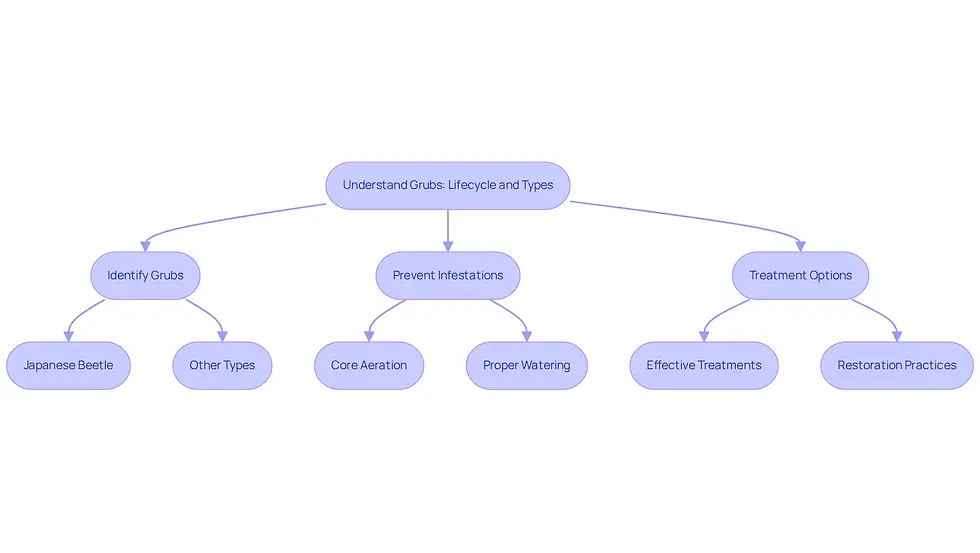
If you’ve noticed brown patches in your lawn, you might be facing a hidden threat: grubs, the larvae of certain insects, including the notorious Japanese beetle. These grubs can wreak havoc on your lawn, munching on grass roots and leaving behind unsightly brown patches that can be disheartening to see. Understanding the types of grubs in your area, particularly the Japanese beetle, can empower you to take effective action at the right time.
Taking preventative measures early in the summer can save you from the stress of dealing with infestations later on, while the best treatment for grubs in lawn can effectively help restore your lawn if grubs have already taken hold. By nurturing your lawn with practices like core aeration and proper watering, you can build resilience against pests, ensuring your lawn remains vibrant and healthy.
By taking proactive steps now, you can protect your lawn and ensure it remains a source of pride and enjoyment for years to come.
Compare Treatment Options: Preventive vs. Curative
Taking proactive steps to protect your yard from pests can feel overwhelming, but it doesn’t have to be. Preventive measures, especially those containing imidacloprid or chlorantraniliprole, are best applied before larvae emerge, typically during late spring to early summer. By using these preventive measures, you can rest assured that you’re taking a proactive step to protect your yard from harmful pests before they even have a chance to emerge.
However, if you find yourself facing an existing infestation, treatments like trichlorfon or carbaryl can provide immediate relief, helping you regain control of your yard during late summer or early fall. While these curative methods can address current issues, remember that preventive treatments are generally more effective and cost-efficient over time.
For instance, products like BioAdvanced Season-Long Pest Control, which contains imidacloprid, not only assist in pest management but also enhance turf health when used appropriately. Taking the time to assess your yard and seek expert guidance can bring you peace of mind, ensuring that your approach to pest management is both effective and tailored to your needs.

Evaluate Application Timing and Methods
Many homeowners feel overwhelmed when they notice their lawns deteriorating, unsure of how to tackle the hidden threats beneath the surface. At Spring Touch, we understand how stressful it can be when your lawn shows signs of trouble, and timing is everything when it comes to effective pest control. To keep your lawn healthy, it’s best to start preventive measures in late May to early June, just when those pesky beetles are laying their eggs. By acting early, you can ensure that your lawn is protected before those larvae hatch, helping to prevent any potential damage.
The best time for treatment is late summer to early autumn, when larvae are close to the surface and easier to target. Different application methods work best in different conditions:
Granular products need watering to activate
Liquid solutions should be applied on calm days for best results
Keep in mind that heavy rain right after treatment can wash away effectiveness, and dry soil can hinder absorption, so timing is key. Look out for signs of insect activity in your yard, like brown patches or spongy soil, as these can help you determine when to treat your lawn.
As Jim Segers wisely notes, 'If your yard looks great one month and stressed the next, pests could be the hidden issue.' With over 50 years of experience, we’re here to help you keep your yard healthy and avoid the stress and costs that come with pest damage. And for new customers, we offer a free first application when you sign up for our comprehensive lawn care programs, making it easier to get started.

Assess Pros and Cons of Grub Treatments
Many homeowners feel overwhelmed when faced with the threat of grubs damaging their lawns and often look for the best treatment for grubs in lawn. When it comes to pest control, it’s important for homeowners to think about what each method offers and what it might cost them.
Preventive measures, including Scotts Grub-Ex and BioAdvanced Season-Long Grub Control, are often regarded as the best treatment for grubs in lawn, as they help minimize long-term damage and are less harmful to beneficial insects. It’s best to act quickly, ideally in April or May, especially for products with chlorantraniliprole. But if your lawn is already dealing with larvae, these methods might not be as effective.
On the other hand, the best treatment for grubs in lawn can provide immediate results but often comes with higher toxicity levels, posing risks to non-target organisms. For instance, products like BioAdvanced 24 hr Grub Killer Plus, which contains trichlorfon, can be effective but may also have detrimental effects on beneficial insects if not applied carefully.
But keep in mind, using curative methods too often can lead to grubs becoming resistant, which can leave homeowners feeling frustrated and helpless in their battle against pests, highlighting the importance of finding the best treatment for grubs in lawn.
To enhance these solutions, homeowners can also consider Spring Touch's initial application of organic-based fertilizer with bio-solids and crabgrass preventer. This solution not only replenishes essential nutrients to the grass but also improves soil vitality and fosters a balanced ecosystem, making it a safer alternative to synthetic options.
Don’t forget to water your grass with at least half an inch after applying insecticides; it helps them work better and keeps your lawn healthy.
When determining the most suitable treatment strategy, homeowners should assess their yard's overall health, the presence of beneficial insects, and their willingness to engage in ongoing care. By choosing preventive measures, homeowners can not only protect their lawns but also enjoy peace of mind knowing they are nurturing a healthier ecosystem.

Conclusion
Imagine stepping outside to find your once-lush lawn turning brown and patchy, all because of unseen pests lurking beneath the surface. Grubs can pose a serious threat to your outdoor space, and recognizing this danger is the first step toward protecting your lawn. But what if you could take action before they wreak havoc?
By applying preventive treatments during late spring to early summer, you can save yourself from the headaches of dealing with infestations later. While curative methods may offer immediate relief, they often come with higher risks and potential long-term consequences for the ecosystem. Understanding the lifecycle of grubs and their behavior allows you to time your treatments effectively, ensuring that your efforts yield the best results.
Taking a proactive approach to pest management is essential for maintaining a healthy lawn. By embracing preventive strategies and being mindful of the products you use, you can cultivate a thriving lawn that not only looks beautiful but also supports a balanced environment. By taking proactive steps today, you can ensure your lawn remains a source of pride and enjoyment for years to come, rather than a constant worry.
Frequently Asked Questions
What are grubs and why are they a concern for lawns?
Grubs are the larvae of certain insects, such as the Japanese beetle, and they can damage lawns by eating grass roots, leading to brown patches.
How can I identify if my lawn has a grub problem?
Look for brown patches in your lawn, which may indicate the presence of grubs munching on the grass roots.
What preventative measures can I take against grubs?
Taking preventative measures early in the summer, such as core aeration and proper watering, can help protect your lawn from grub infestations.
What should I do if I already have a grub infestation?
The best treatment for grubs can effectively help restore your lawn if grubs have already taken hold.
How can I build resilience in my lawn against pests like grubs?
Nurturing your lawn with practices such as core aeration and proper watering can help build resilience against pests, ensuring it remains healthy.
Why is it important to understand the types of grubs in my area?
Understanding the types of grubs, particularly the Japanese beetle, can empower you to take effective action at the right time to protect your lawn.
List of Sources
Understand Grubs: Lifecycle and Types
Neighborhood Proposal to the Japanese Beetle Infestation - Neighborhood Gazette (https://ngazette.com/neighborhood-proposal-to-the-japanese-beetle-infestation)
New Methods Improve Monitoring of Biocontrol for Invasive Beetle (https://entomologytoday.org/2026/01/07/new-methods-improve-monitoring-of-biocontrol-invasive-japanese-beetle)
Understanding Grubs: Lifecycle, Treatment, and Timing (https://lawnscience.com/understanding-grubs-lifecycle-treatment-and-timing)
Compare Treatment Options: Preventive vs. Curative
The Root of the Problem: Your Guide to Grub Control Plans - Advanced Turf Solutions (https://advancedturf.com/resources/the-root-of-the-problem-your-guide-to-grub-control-plans-for-2024)
How to choose and when to apply grub control products for your lawn (https://canr.msu.edu/news/how_to_choose_and_when_to_apply_grub_control_products_for_your_lawn)
Evaluate Application Timing and Methods
Timing Matters: A Grub Control Application Guide (https://andersonspro.com/blog/timing-matters-a-grub-control-application-guide)
When To Apply Grub Control: Best Months To Treat Grubs (https://blog.lushlawn.com/when-to-apply-grub-control-treat-grubs)
How to choose and when to apply grub control products for your lawn (https://canr.msu.edu/news/how_to_choose_and_when_to_apply_grub_control_products_for_your_lawn)
Knowing When to Apply Grub Control and Why Timing Matters (https://thinkgreenlawnservice.com/when-to-apply-grub-control)
The Best Time to Treat for Grubs in Your Lawn | KG Landscape (https://kglandscape.com/best-time-treat-grubs-lawn)
Assess Pros and Cons of Grub Treatments
The Root of the Problem: Your Guide to Grub Control Plans - Advanced Turf Solutions (https://advancedturf.com/resources/the-root-of-the-problem-your-guide-to-grub-control-plans-for-2024)
How to choose and when to apply grub control products for your lawn (https://canr.msu.edu/news/how_to_choose_and_when_to_apply_grub_control_products_for_your_lawn)


