.png)

Compare the Best Yard Flea Treatments for Your Home
- Spring Touch Team

- 11 hours ago
- 9 min read
Introduction
Homeowners often feel overwhelmed by the persistent presence of fleas in their yards, especially when they seem to multiply overnight. In southern Minnesota, the unique climate and soil conditions can make this challenge even more daunting. It's important to know which treatments are safe and effective, so you can create a comfortable outdoor space for your family.
How can you choose the right treatment that not only tackles the flea problem but also keeps your loved ones safe?
Explore Different Types of Yard Flea Treatments
Dealing with yard pests can feel overwhelming, especially when they threaten the comfort of your outdoor space. It's a common concern for homeowners who want to enjoy their yards without the worry of unwanted visitors.
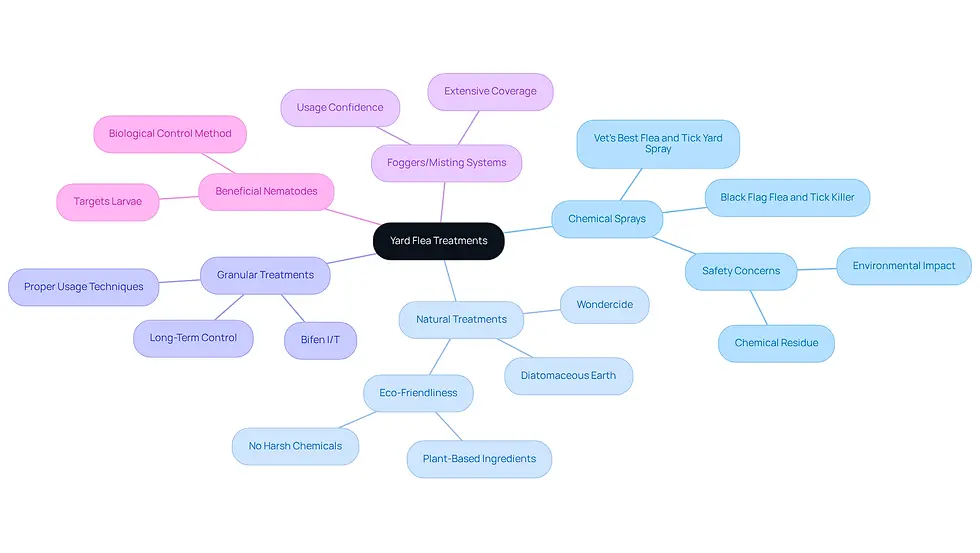
Chemical sprays, like Black Flag Flea and Tick Killer and Vet's Best Flea and Tick Yard Spray, can be effective but may raise concerns about safety and environmental impact. These products contain insecticides that eliminate pests on contact, and they often include insect growth regulators (IGRs) to disrupt the pest life cycle. While they can provide immediate relief, the thought of chemicals lingering in your yard can be unsettling.
On the other hand, natural treatments such as Wondercide and diatomaceous earth offer a more eco-friendly approach. These options utilize plant-based ingredients or natural substances to repel or eliminate pests, making them a preferred choice for environmentally conscious homeowners. They can provide peace of mind, knowing that you're protecting your yard without harsh chemicals.
Granular treatments, like Bifen I/T, dissolve in moisture and target pests in the soil and grass. They are effective for long-term control, but proper usage techniques are essential to ensure safety and effectiveness. Understanding how to apply these treatments can alleviate concerns about their impact on your yard.
Foggers and misting systems are another option, providing extensive coverage for larger yards. They release a fine mist of insecticide that can penetrate dense vegetation, but the idea of using such systems can be daunting. Knowing how to use them correctly can help you feel more confident in your pest control efforts.
Lastly, beneficial nematodes are a biological control method that targets larvae of certain pests in the soil. This natural solution offers a way to manage pests without chemicals, providing reassurance for those looking for environmentally friendly options.
Choosing the best yard flea treatment can provide peace of mind, ensuring your yard remains a safe haven for your family and pets.
Evaluate Effectiveness of Flea Treatments
Dealing with pests can feel overwhelming, especially when the right treatment seems elusive. Effectiveness varies significantly among the best yard flea treatment options, influenced by factors such as method of use, active ingredients, and environmental conditions.
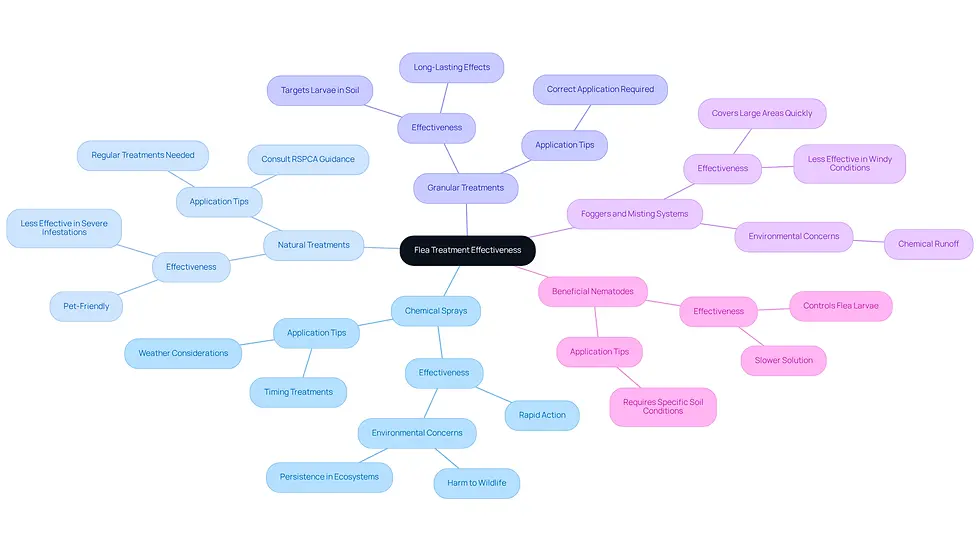
Chemical Sprays: Products like Black Flag and Vet's Best are known for their rapid action, often killing fleas within hours. But keep in mind, heavy rain or extreme heat can reduce their effectiveness. Timing your treatments carefully is essential. It's important to note that chemicals like fipronil and imidacloprid, while effective, have raised environmental concerns due to their persistence in ecosystems and potential harm to wildlife.
Natural Treatments: While products like Wondercide are praised for being pet-friendly, their effectiveness may not match that of chemical options, particularly in severe infestations. They frequently need more regular treatments, and it's wise to heed the RSPCA's guidance against standard monthly therapies unless essential. This highlights the significance of personalized risk evaluations for pets.
Granular Treatments: Granular products can provide long-lasting effects, especially when applied before flea season. They work by targeting larvae in the soil, but make sure you apply it correctly to get the best results.
Foggers and Misting Systems: These can cover large areas quickly and are effective in dense vegetation. However, they may require reapplication after rain and can be less effective in windy conditions, which can disperse the treatment. Environmental considerations should also be taken into account, as these methods can contribute to chemical runoff.
Beneficial Nematodes: These are effective in controlling flea larvae but require specific soil conditions to thrive. They are a slower solution, often taking weeks to show results, making them suitable for long-term management rather than immediate relief.
Ultimately, choosing the best yard flea treatment can restore your peace of mind and protect your home from unwanted invaders. While chemical sprays generally offer the quickest results, natural and biological options may require more time and consistent application for effective control. Homeowners should consider their specific situations, preferences, and the potential environmental impacts when selecting a treatment method.
Assess Pros and Cons of Each Treatment
Choosing the best yard flea treatment can feel overwhelming, especially with so many options available. Here’s a breakdown of the pros and cons of the various yard flea treatments:
Chemical Sprays:
Pros: Fast-acting and highly effective against adult fleas, these sprays often include Insect Growth Regulators (IGRs) for long-term control. However, it's important to be aware that over 2,000 cats and dogs have tragically lost their lives after exposure to flea and tick medication since 2008, which raises important safety considerations for pet owners.
Cons: They can be potentially harmful to pets and beneficial insects, necessitating precautions during use to ensure safety. The Pesticide Action Network warns that chemicals like fipronil and permethrin are linked to serious health risks, including cancer and endocrine disruption.
Natural Treatments:
Pros: Generally safer for pets and the environment, natural treatments are often made from plant-based ingredients, appealing to eco-conscious homeowners.
Cons: This means that while they are safer, they might not always be the best choice in urgent situations, as their effectiveness may decrease in severe infestations, and they often require more frequent treatments to maintain control. Local pest challenges in southern Minnesota may also affect their efficacy.
Granular Treatments:
Pros: You’ll find that these treatments can offer lasting protection and are effective against larvae, making them easy to apply in various settings.
Cons: They require moisture to activate, which can limit their effectiveness in dry conditions common in certain areas of southern Minnesota.
Foggers and Misting Systems:
Pros: Ideal for covering large areas quickly, these systems are particularly effective in dense vegetation, providing comprehensive coverage.
Cons: They can be expensive and may require multiple applications, with their effectiveness potentially reduced by adverse weather conditions.
Beneficial Nematodes:
Pros: These eco-friendly organisms specifically target larvae and are safe for both pets and humans, making them a sustainable choice for pest control.
Cons: They act slowly and require specific soil conditions to thrive, which may limit their effectiveness in all climates.
This evaluation assists homeowners in comprehending the trade-offs associated with each solution, enabling them to select the best yard flea treatment based on their priorities and the particular difficulties presented by pests in their outdoor areas. By understanding these options, you can make a choice that aligns with your values and effectively addresses your pest challenges.

Consider Factors Influencing Treatment Choice
Dealing with a flea infestation can feel overwhelming, especially when you’re searching for the best yard flea treatment to protect your home and your pets. When it comes to yard size, it’s important to remember that larger spaces can feel daunting when trying to tackle flea problems. You might need more extensive measures to ensure every corner is covered. On the other hand, smaller areas can often be managed with targeted sprays that effectively control pest populations without excessive chemical use.
If you have pets, your heart is likely set on finding the best yard flea treatment to keep them safe while tackling those pesky fleas. Natural options are often considered the best yard flea treatment, as they minimize risks to your furry friends while still addressing the flea issue. Just remember to keep pets away during and after any treatment to ensure their safety.
For those who care deeply about the environment, choosing natural or biological solutions can ease the mind while effectively managing flea issues. These options help protect beneficial insects and align with a growing awareness of environmental sustainability, allowing you to feel good about your choices.
Understanding the severity of your flea problem is crucial; it can be stressful to decide how urgently you need to act. Severe infestations may require the best yard flea treatment with immediate chemical solutions, while milder cases can often be managed using natural methods. Knowing where you stand can help you take the right steps.
Weather can be a tricky factor to consider; it’s frustrating when rain or humidity interferes with your flea treatment efforts. Be sure to keep an eye on local weather patterns, as you may need to reapply treatments after heavy rainfall to maintain effectiveness.
Everyone has their own comfort level when it comes to treatment methods, and it’s important to choose one that feels right for you. Whether you lean towards DIY solutions or prefer professional services, weighing the pros and cons can guide your decision, ensuring it aligns with your expectations.
By thoughtfully considering these factors, you can choose a treatment that not only addresses the problem but also brings peace of mind to your home.

Conclusion
Finding the right flea treatment for your yard can feel overwhelming, especially with so many options available that promise quick fixes or eco-friendly solutions. It's crucial to maintain a safe and enjoyable outdoor space, and understanding the various treatments can help ease your concerns.
Throughout this article, we've explored the effectiveness, pros and cons, and factors influencing the choice of flea treatments. You might be wondering about the safety of chemical sprays, which offer quick results but come with their own set of worries. On the other hand, natural treatments provide eco-friendly alternatives, though they may require more frequent applications. Granular treatments and foggers can effectively cover larger areas, but their success often depends on environmental conditions. And then there are beneficial nematodes, a sustainable option that, while slower to act, can be a great choice for long-term pest control.
Ultimately, by making a thoughtful choice, you can create a safe haven for your family and pets, free from the worry of fleas and pests. Taking the time to evaluate your options will lead to a more satisfying and effective pest control experience, allowing you and your loved ones to enjoy your yard without the concern of unwanted pests.
Frequently Asked Questions
What are the common types of yard flea treatments available?
Common types of yard flea treatments include chemical sprays, natural treatments, granular treatments, foggers and misting systems, and beneficial nematodes.
How do chemical sprays work for flea control?
Chemical sprays, such as Black Flag Flea and Tick Killer and Vet's Best Flea and Tick Yard Spray, contain insecticides that eliminate pests on contact and often include insect growth regulators (IGRs) to disrupt the pest life cycle.
What are the concerns associated with using chemical sprays?
While chemical sprays can provide immediate relief from pests, there are concerns about safety and environmental impact due to the lingering chemicals in the yard.
What are some examples of natural treatments for fleas?
Natural treatments include products like Wondercide and diatomaceous earth, which utilize plant-based ingredients or natural substances to repel or eliminate pests.
What are the benefits of using natural treatments for flea control?
Natural treatments are preferred by environmentally conscious homeowners as they provide peace of mind by protecting the yard without harsh chemicals.
How do granular treatments work?
Granular treatments, such as Bifen I/T, dissolve in moisture and target pests in the soil and grass, offering long-term control.
What should homeowners know about applying granular treatments?
Proper usage techniques are essential for granular treatments to ensure safety and effectiveness in pest control.
What are foggers and misting systems used for?
Foggers and misting systems provide extensive coverage for larger yards by releasing a fine mist of insecticide that can penetrate dense vegetation.
What is the role of beneficial nematodes in pest control?
Beneficial nematodes are a biological control method that targets larvae of certain pests in the soil, offering a chemical-free solution for pest management.
How can choosing the right yard flea treatment benefit homeowners?
Selecting the best yard flea treatment can provide peace of mind, ensuring that the yard remains a safe haven for families and pets.
List of Sources
Explore Different Types of Yard Flea Treatments
Flea And Tick Control Medication Market | Global Market Analysis Report - 2035 (https://futuremarketinsights.com/reports/flea-and-tick-control-medication-market)
Flea and Tick Product Market Size, Share | Global Report 2036 (https://transparencymarketresearch.com/flea-tick-products-market.html)
Researchers find insecticides widespread in Minnesota lakes and rivers (https://mprnews.org/story/2020/12/21/researchers-find-insecticides-widespread-in-minnesota-lakes-and-rivers)
Flea treatment is toxic to wildlife: Here are the facts (https://kentwildlifetrust.org.uk/blog/flea-treatment-toxic-to-wildlife)
Evaluate Effectiveness of Flea Treatments
Minister considers banning over-the-counter flea treatments for pets (https://bbc.com/news/articles/clyxpnz45yzo)
The Flea-Infested Pet: Overview of Current Products (https://todaysveterinarypractice.com/parasitology/practical-parasitologythe-flea-infested-pet-overview-current-products)
Broads national park warns of impact of flea treatments for pets (https://bbc.com/news/articles/c78m5yx58k5o)
Assess Pros and Cons of Each Treatment
Flea treatment is toxic to wildlife: Here are the facts (https://kentwildlifetrust.org.uk/blog/flea-treatment-toxic-to-wildlife)
Cat and dog flea treatments can be toxic to pets, humans | CBC News (https://cbc.ca/news/health/cat-and-dog-flea-treatments-can-be-toxic-to-pets-humans-1.2860665)
Vets advise ban on over the counter flea treatment for pets (https://bbc.com/news/articles/cp9pd4d3m5ko)
Toxic pet flea and tick treatments are polluting UK freshwaters | Imperial News | Imperial College London (https://imperial.ac.uk/news/243875/toxic-flea-tick-treatments-polluting-uk)
Urgent warning to pet owners as toxic chemicals found in fake flea treatments (https://gov.uk/government/news/urgent-warning-to-pet-owners-as-toxic-chemicals-found-in-fake-flea-treatments)
Consider Factors Influencing Treatment Choice
Vets advise ban on over the counter flea treatment for pets (https://bbc.com/news/articles/cp9pd4d3m5ko)
FDA approves long-acting flea and tick treatment for dogs, marking veterinary breakthrough (https://abcnews.com/Health/fda-approves-long-acting-flea-tick-treatment-dogs/story?id=123656253)
Broads national park warns of impact of flea treatments for pets (https://bbc.com/news/articles/c78m5yx58k5o)
Vets and Pet-Owners See Gaps in Flea and Tick Prevention, Highlighting Need for Year-Round Care, New Merck Animal Health Global Survey Finds (https://merck-animal-health.com/news-and-insights/news-releases/flea-and-tick-survey)
Survey of dog owners’ and veterinarians’ attitudes regarding the selection of flea and tick prevention products in Thailand - PMC (https://pmc.ncbi.nlm.nih.gov/articles/PMC11422654)


