.png)

Create Your Lawn Care DIY Plan: 6 Steps to a Thriving Lawn
- Spring Touch Team

- 13 hours ago
- 12 min read
Introduction
Creating a thriving lawn can feel overwhelming, especially when faced with so much conflicting advice. It’s not just a weekend chore; it’s an art that requires knowledge, strategy, and the right tools. For those ready to embrace the challenge of DIY lawn care, understanding the essential components - from soil health to seasonal strategies - can truly transform a patchy yard into a lush landscape.
With countless tips and trends, it’s easy to feel lost in the world of lawn care. But don’t worry; this guide will break down the six key steps to developing a personalized lawn care plan that not only meets the unique needs of your turf but also empowers you to avoid common pitfalls along the way. By following these steps, you’ll not only cultivate a beautiful lawn but also gain the confidence to nurture it for years to come.
Understand DIY Lawn Care Basics
Before you dive into your DIY lawn care journey, it’s important to understand the key elements that will help your lawn flourish:
Regular Maintenance: Consistent care is essential for a healthy lawn. This includes regular mowing, watering, and fertilizing to promote robust growth and resilience against environmental stressors. Garrett Calloway, a landscaping expert, reminds us that a flourishing yard comes from consistent effort and informed choices. At Spring Touch, we provide tailored seasonal solutions to help you care for your yard, including effective treatments for common challenges like crabgrass and weeds, ensuring your greenery remains beautiful and pest-free.
Ground Vitality: Nourished ground acts as the foundation of a thriving yard. Carrying out tests on the ground can unveil crucial details regarding nutrient levels and pH balance, allowing you to customize your fertilization approach efficiently. Understanding the makeup of your soil is essential for optimal turf maintenance. Spring Touch's organic-based fertilizer, enhanced with bio-solids, aims to replenish nutrients and foster healthy soil, encouraging a flourishing green space.
Climate Considerations: The distinct climate of southern Minnesota greatly affects grass growth patterns, pest behavior, and seasonal maintenance needs. Familiarizing yourself with local weather trends will assist you in optimizing your grass care schedule, ensuring that your efforts match the specific requirements of your turf. Spring Touch provides tailored seasonal solutions to help you navigate these needs, ensuring your yard is well-prepared for each season.
Common Turf Issues: Awareness of prevalent problems such as weeds, pests, and diseases is crucial for maintaining grass health. Quick identification and intervention can prevent minor issues from escalating into major challenges. For instance, broadleaf and grassy weeds require different control methods, and recognizing these distinctions can enhance your management strategies. With over 50 years of experience, Spring Touch can assist you in addressing these challenges efficiently, providing focused solutions to keep your grass in good condition.
In 2026, around 44.4% of homeowners are anticipated to favor professional care services over DIY methods, indicating a rising trend towards seeking expert help for yard maintenance. This shift underscores the importance of understanding the balance between DIY efforts and professional support in achieving a vibrant outdoor space. Understanding these elements can empower you to create a vibrant outdoor space using a lawn care DIY plan, whether you choose to go it alone or seek professional support.

Conduct a Soil Test for Optimal Growth
Have you ever looked at your lawn and felt a sense of worry about its health and vitality? To ensure your grass flourishes, start with a ground assessment. Follow these steps:
Collect Ground Samples: Use a probe or shovel to gather samples from different areas in your yard, digging about 4-6 inches deep. Aim for 10-15 samples to create a composite sample that accurately represents your lawn's condition.
Send for Testing: Choose a nearby lab or use a DIY earth test kit. Follow the provided instructions to ensure accurate results.
Analyze Results: Once you receive your results, take a close look at the nutrient levels - especially nitrogen, phosphorus, and potassium - as well as the pH balance. Most grasses thrive at a pH between 6.0 and 7.0, with many Minnesota soils measuring around 6.5. If you skip soil testing, you might miss critical issues like nutrient shortages or harmful pollutants that can harm your grass.
Plan Amendments: Based on your analysis, identify necessary soil amendments. For instance, if nitrogen levels are low, consider using Spring Touch's organic-based fertilizer, which boosts growth and helps prevent crabgrass, preparing your lawn for spring. Also, plan for seasonal applications like dandelion and broadleaf weed control to tackle emerging weeds.
Implement Changes: Apply the recommended amendments to your yard, ensuring they are evenly distributed for maximum effectiveness. After that, think about Spring Touch's seasonal applications to nourish your grass and manage weeds effectively.
Monitor Progress: Keep an eye on your grass's health, and think about retesting every few years to keep your care plan on track. Implementing this lawn care DIY plan can prevent issues like yellowing grass and weed infestations, ensuring your lawn remains vibrant and healthy. As Charles E. Kellogg remarked, 'Essentially, all life depends upon the earth ...' There can be no life without soil and no soil without life; they have evolved together. Additionally, be vigilant for signs of grass diseases common in Minnesota, such as Red Thread or Dollar Spot, and take appropriate action to manage them effectively. Taking these steps not only nurtures your grass but also transforms your yard into a thriving oasis that you can be proud of.

Gather Essential Lawn Care Tools
Without the right tools, maintaining a beautiful garden can feel overwhelming and frustrating. Equipping yourself with the right tools is essential for effective garden care. Here’s a list of essential tools that can significantly enhance your lawn maintenance efforts:
Lawn Mower: Select a mower that matches your lawn size and grass type. For larger yards or rapidly growing vegetation, gas mowers are advised because of their durability and performance. In contrast, battery-powered mowers are quieter and lower maintenance, making them suitable for urban environments.
String Trimmer: This tool is perfect for edging and trimming around obstacles, ensuring a neat finish in areas that mowers can't reach.
Spreader: A broadcast or drop spreader is essential for applying fertilizers evenly, promoting healthy grass growth. Spring Touch provides an organic-based fertilizer that not only replenishes nutrients but also contains crabgrass preventer, making it an excellent option for homeowners aiming to improve their yard's health.
Rake: Useful for gathering leaves and debris, a rake aids in keeping the area tidy and readies it for seasonal changes.
Ground Probe: This tool enables you to perform earth tests and assess moisture levels, aiding you in understanding your yard's specific requirements. Comprehending ground health is essential for efficient turf management, particularly in Southern Minnesota where earth conditions can be difficult for seed germination.
Aerator: Aeration relieves soil compaction and improves air circulation, which is vital for healthy root development. Regular aeration is advised by turf care specialists to improve grass growth, especially prior to applying Spring Touch's organic treatments.
Watering Equipment: You’ll want a hose or sprinkler system to keep your grass hydrated, especially when the weather gets dry. Homeowners are increasingly investing in smart irrigation systems that optimize water usage.
Weed Control Tools: Hand tools for spot weeding and herbicide application are essential for managing unwanted growth and maintaining a pristine yard. Spring Touch's second application targets dandelions and broadleaf weeds, providing effective solutions for homeowners. Experts recommend using eco-friendly herbicides to align with the increasing consumer preference for sustainable turf management practices.
By investing in the right tools, you can transform your yard into a vibrant space that enhances your outdoor experience. With the appropriate tools and Spring Touch's organic turf applications, including targeted treatments for weeds, you can achieve a flourishing yard that reflects your commitment to outdoor upkeep.

Identify Your Grass Type and Its Requirements
Many homeowners find themselves overwhelmed when it comes to lawn maintenance, especially when they don't know their turf type. Understanding your turf type is essential for an effective lawn care DIY plan. Here’s how to identify it:
Examine Grass Characteristics: Take a close look at the blade width, color, and growth pattern. In Minnesota, you might find Kentucky Bluegrass, known for its rich green color and great texture. Perennial Ryegrass is another option, germinating quickly and standing up well to wear. If you have shaded areas, Fine Fescue is a fantastic choice because it requires less maintenance.
Consider Growth Seasons: Determine whether your lawn is cool-season or warm-season. Cool-season varieties, like Kentucky Blue and Fine Fescue, thrive in spring and fall, while warm-season types, such as Bermuda, excel in the summer heat.
As part of your lawn care DIY plan, once you know your turf type, take a moment to explore its unique watering, mowing, and fertilization needs. This knowledge will help your lawn thrive and look its best. For instance, cool-season plants benefit from a fertilization schedule aligned with their peak growth periods in spring and fall. Interestingly, about 60% of property owners are unaware of their lawn variety, which can lead to ineffective maintenance.
Consult Local Resources: Don’t hesitate to reach out to local extension services or gardening centers for expert assistance in identifying your turf type and understanding its care requirements. These resources can provide tailored advice based on Minnesota's unique climate and soil conditions. Experts agree that understanding what your turf needs is key to keeping your yard vibrant and healthy. Furthermore, you can discover successful instances of lawn type identification in local gardening workshops, where homeowners share their experiences and results.
By knowing your lawn's needs, you can create a beautiful space that brings you peace of mind, knowing you're doing right by your outdoor environment.

Implement Fertilization and Weed Control Strategies
Are you tired of battling weeds and struggling to keep your lawn lush and green? Maintaining a thriving lawn can feel overwhelming, but with the right lawn care DIY plan that incorporates fertilization and weed control strategies, you can achieve the vibrant outdoor space you desire.
First, consider your fertilization schedule. Tailor it to your turf type and soil test results. Starting with an organic-based fertilizer that includes bio-solids and crabgrass preventer can help replenish nutrients and prepare your grass for the growing season. For cool-season plants, treatments in early spring and autumn align perfectly with their growth cycles, ensuring they flourish.
Next, choosing the right fertilizer is crucial. A balanced fertilizer that meets your lawn's specific nutrient needs will make a significant difference. Slow-release fertilizers are particularly effective, providing a steady supply of nutrients over time. This promotes healthy growth without overwhelming your lawn, giving it the care it deserves.
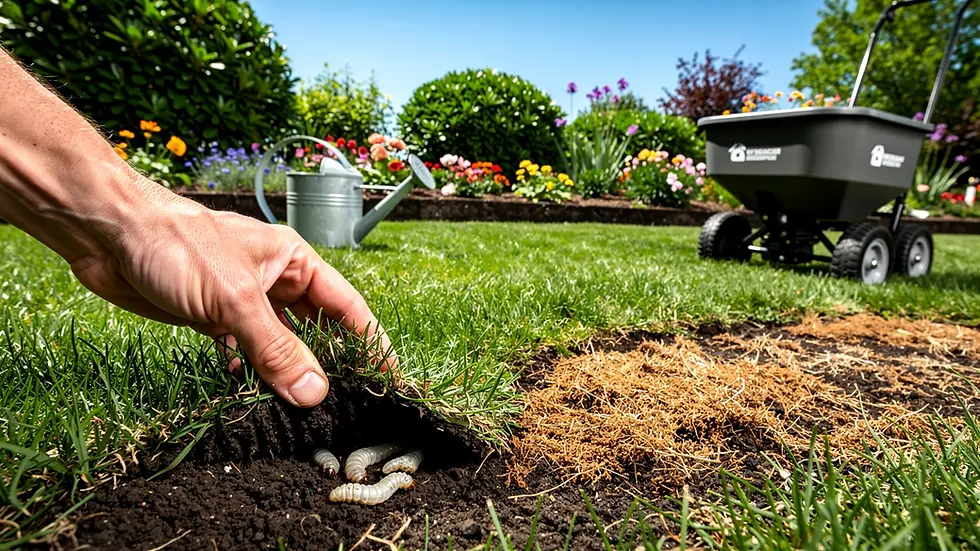
Weed control is another essential aspect. To stop weed seeds from germinating, apply pre-emergent herbicides in early spring. A second application can target stubborn dandelions and broadleaf weeds, ensuring effective control. Including grub control in your strategy will also help tackle any infestations. For existing weeds, consider using targeted post-emergent herbicides or simply remove them by hand with a weeding tool.
Finally, mowing practices play a vital role in lawn health. Mowing at the right height for your turf type helps prevent weeds from taking hold. Aim to cut no more than one-third of the grass height at a time. This practice maintains a dense canopy that competes effectively for resources. Additionally, core aeration can enhance seed germination and improve soil health, allowing for better nutrient absorption and root development.
By adhering to the steps outlined in your lawn care DIY plan, you can transform your lawn into a vibrant oasis that brings joy and pride to your home.

Avoid Common DIY Lawn Care Mistakes
Are you tired of battling a lackluster lawn that just won’t thrive? Mowing too short can weaken your grass, allowing weeds to take over. Have you ever noticed how a lawn can struggle when it’s cut too short? Following the one-third rule is crucial; never cut more than one-third of the grass height at once. Keeping your grass at the right height helps it grow denser and more resilient against environmental stress, ensuring a healthy yard.
It’s easy to think more water is better, but too much can actually harm your lawn. Excessive watering can lead to shallow roots and fungal diseases. Instead, aim for about 1 inch of water per week, watering deeply but infrequently. This approach not only promotes a healthier lawn but also helps you save on water bills.
If you haven’t checked your soil lately, you might be missing out on vital nutrients for your grass. Neglecting ground quality can lead to nutrient shortfalls. Regular soil testing is essential for maintaining optimal conditions. By applying nutrients at the right time, you can ensure they’re stored in the roots over winter, setting the stage for robust growth in spring.
Have you considered how the changing seasons affect your lawn care routine? Ignoring seasonal variations can hinder your yard’s health. For instance, fertilization needs differ between spring and fall, so it’s important to adapt your schedule accordingly. Spring Touch's organic-based fertilizer with bio-solids and crabgrass preventer is ideal for early spring applications. As the season progresses, applying focused treatments for dandelions and broadleaf weeds will help sustain a healthy yard. Seasonal modifications in yard maintenance routines are essential to tackle specific challenges and opportunities, ensuring your greenery flourishes throughout the year.
For example, homeowner Jane Smith faced persistent weed issues due to improper mowing height. After learning about the one-third rule and adjusting her mowing practices, she saw a significant improvement in her lawn's health and density, successfully overcoming her lawn care challenges. By following this lawn care DIY plan, you can turn your lawn into a flourishing oasis, free from the common pitfalls of lawn care.

Conclusion
Creating a thriving lawn through a DIY plan can feel overwhelming, but it doesn’t have to be. By understanding the fundamentals of lawn care - like regular maintenance, soil testing, and tool selection - you can cultivate a vibrant outdoor space that not only enhances your property but also contributes to your well-being.
Key insights discussed include:
The importance of consistent lawn care practices
The necessity of conducting soil tests to tailor nutrient applications
Using the right tools for effective maintenance
Recognizing grass types and their specific needs
Implementing proper fertilization and weed control strategies
Avoiding common mistakes to significantly improve results and prevent frustration
By taking these steps, you’re not just improving your lawn; you’re nurturing a space that brings you joy and peace of mind. The journey to a flourishing lawn reflects your commitment to environmental stewardship and personal satisfaction. Embracing these DIY lawn care steps empowers you to take control of your outdoor space, ensuring it remains beautiful and resilient against nature's challenges. Taking action today can lead to a thriving lawn tomorrow, creating a serene oasis that enhances your enjoyment of outdoor living.
Frequently Asked Questions
What are the key elements to understand for DIY lawn care?
The key elements include regular maintenance (mowing, watering, and fertilizing), ground vitality (testing soil for nutrients and pH balance), climate considerations (understanding local weather effects), and awareness of common turf issues (weeds, pests, and diseases).
Why is regular maintenance important for a lawn?
Regular maintenance is essential for a healthy lawn as it promotes robust growth and resilience against environmental stressors, ensuring the yard remains beautiful and pest-free.
How can soil testing benefit lawn care?
Soil testing helps identify nutrient levels and pH balance, allowing for customized fertilization approaches that support optimal turf maintenance and prevent issues like nutrient shortages.
What steps are involved in conducting a soil test?
Steps include collecting ground samples from different areas of the yard, sending them for testing, analyzing the results for nutrient levels and pH, planning necessary amendments, implementing changes, and monitoring progress.
What is the ideal pH range for grass growth?
Most grasses thrive at a pH between 6.0 and 7.0, with many Minnesota soils measuring around 6.5.
What common turf issues should homeowners be aware of?
Homeowners should be aware of prevalent problems such as weeds, pests, and diseases, and the importance of quick identification and intervention to prevent minor issues from escalating.
How can Spring Touch assist in lawn care?
Spring Touch provides tailored seasonal solutions including effective treatments for common challenges like crabgrass and weeds, as well as organic-based fertilizers to replenish nutrients and foster healthy soil.
What is the anticipated trend in lawn care preferences by 2026?
By 2026, around 44.4% of homeowners are expected to prefer professional care services over DIY methods, indicating a rising trend towards seeking expert help for yard maintenance.
How can homeowners monitor the health of their grass?
Homeowners should keep an eye on their grass's health and consider retesting the soil every few years to stay on track with their care plan, as well as be vigilant for signs of common grass diseases.
List of Sources
Understand DIY Lawn Care Basics Landscape Industry Statistics | NALP (https://landscapeprofessionals.org/LP/LP/Media/landscape-industry-statistics.aspx) Soil Quotations | Natural Resources Conservation Service (https://nrcs.usda.gov/conservation-basics/soil/soil-quotations) Achieving Perfect Lawn Care: A Case Study by SQ Roots Property Maintenance | SQ. ROOTS (https://sqroots.net/blog/achieving-perfect-lawn-care-a-case-study-by-sq-roots-property-maintenance) United States Lawn Care Market - Companies, Industry Size & Analysis (https://mordorintelligence.com/industry-reports/united-states-lawn-care-market) DIY Lawn Care: Essential Tips for Beginners | TruGreen (https://trugreen.com/lawn-care-101/blog/lawn-care-tips/diy-lawn-care-essential-tips-beginners)
Conduct a Soil Test for Optimal Growth The Importance of Soil Testing Your Lawn & How to Do It (https://experigreen.com/the-importance-of-soil-testing-your-lawn) 9 Reasons Why Soil Testing Is Important for the Lawn (https://lawnstarter.com/blog/lawn-care-2/why-soil-testing-is-important-for-lawn) Soil Quotations | Natural Resources Conservation Service (https://nrcs.usda.gov/conservation-basics/soil/soil-quotations)
Gather Essential Lawn Care Tools Lawn Care and Landscaping Industry Statistics (https://lawnstarter.com/blog/statistics/lawn-care-and-landscaping-industry-statistics) Essential Lawn Care Tools for Every Homeowner (https://lawnlove.com/blog/essential-lawn-care-tools) Lawn and Garden Equipment Market Size 2026 - 2035 Report (https://gminsights.com/industry-analysis/lawn-and-garden-equipment-market) US Lawn Care Consumer Insights Report - The Freedonia Group (https://freedoniagroup.com/industry-study/lawn-care-consumer-insights) Case Study: Lawn Care Equipment Case Study – Senior Stewards Acting for the Environment (https://ssafe.org/case-studies/lawn-care-equipment-case-study)
Identify Your Grass Type and Its Requirements Choosing the Right Grass Type for Your Lawn (https://doehlinglandscape.com/blog/choosing-the-right-grass-type-for-your-lawn) Different Types Of Grass: Identifying Your Lawn's Grass Type | ScottsMiracle-Gro US (https://scottsmiraclegro.com/en-us/learn/lawn-care/different-types-of-grass-identify-your-grass.html) 37 Inspirational Gardening Quotes (https://treehugger.com/inspirational-gardening-quotes-4868813) Cool Season Grasses Fall Lawn Minnesota: Tips for Thriving Lawns (https://peterdoranlawn.com/fall-prep-for-cool-season-grasses-in-minnesota-the-grass-types-most-twin-cities-homeowners-have)
Implement Fertilization and Weed Control Strategies How To Control Weeds in Your Lawn (https://usga.org/content/usga/home-page/course-care/green-section-record/63/issue-04/how-to-control-weeds-in-your-lawn-.html) When to Fertilize Lawn in Texas | TruGreen (https://trugreen.com/lawn-care-101/blog/lawn-care/when-fertilize-lawn-texas) Lawn care calendar (https://extension.umn.edu/planting-and-growing-guides/lawn-care-calendar)
Avoid Common DIY Lawn Care Mistakes Case Studies: Landscape & Recreation - Synthetic Turf Council (https://syntheticturfcouncil.org/page/Case_Studies_2) Achieving Perfect Lawn Care: A Case Study by SQ Roots Property Maintenance | SQ. ROOTS (https://sqroots.net/blog/achieving-perfect-lawn-care-a-case-study-by-sq-roots-property-maintenance)