.png)

Discover the Best Lawn Weed Killer: Compare Features and Effectiveness
- Spring Touch Team

- Apr 30
- 7 min read
Updated: 4 days ago
Introduction
Weeds can quickly take over, leaving homeowners feeling overwhelmed and frustrated. Maintaining a pristine lawn can feel like an uphill battle, especially when faced with the relentless encroachment of these pesky invaders. With so many lawn weed killers available, it’s easy to feel lost in the options. But with the right guidance, you can confidently choose the best solution for your lawn. Let’s explore the best lawn weed killers together, so you can reclaim your outdoor space with confidence.
Understand Lawn Weed Killers: Types and Mechanisms
Are you struggling to keep your lawn healthy and looking for the best lawn weed killer to keep it weed-free? Lawn plant killers can be generally divided into two primary categories: selective and non-selective chemicals. Selective plant killers target specific unwanted plants, allowing your favorite grasses to thrive. This makes them ideal for maintaining a healthy lawn. Typical examples include products with 2,4-D or dicamba, which effectively manage broadleaf plants without harming turfgrass. On the other hand, non-selective plant killers, like glyphosate, destroy all vegetation they touch. While they can be useful for clearing areas before replanting, they can pose risks to established lawns.
Additionally, herbicides can be categorized based on when they are applied: pre-emergent and post-emergent. Pre-emergent treatments create a barrier in the soil to prevent unwanted plant seeds from germinating, while post-emergent treatments target actively growing plants to eliminate them. Recent studies indicate that around 40% of property owners use pre-emergent chemicals to care for their grass, with many experts recommending their application in early spring to prevent weed growth. As Ryan Miller, a UMN Extension Crops Educator, notes, 'Using herbicides in late winter and early spring can be beneficial.'
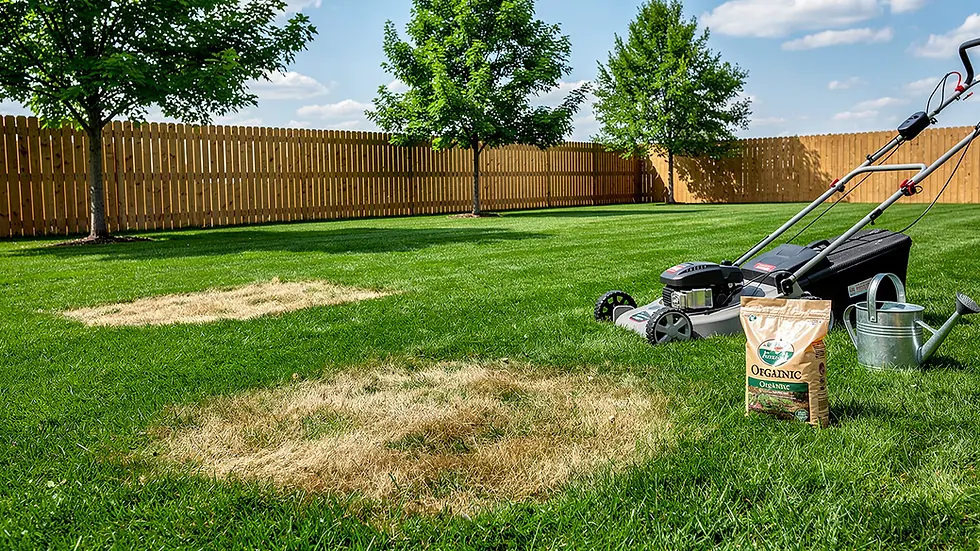
For homeowners looking to enhance their garden care, Spring Touch offers an organic-based fertilizer that includes bio-solids and a crabgrass preventer as part of their spring treatment. This solution not only replenishes nutrients but also helps stop crabgrass from taking over your yard during the summer months. Their second application focuses on dandelions and broadleaf weeds while also providing grub control, ensuring a thorough approach to weed management. By understanding these options and choosing Spring Touch's organic solutions, you can take control of your garden care and enjoy a vibrant outdoor space. The latest study for 2026 emphasizes the importance of integrating both selective and non-selective weed killers in a comprehensive garden care strategy to achieve the best lawn weed killer results.

Compare Top Lawn Weed Killers: Features and Effectiveness
Homeowners often feel overwhelmed by the relentless growth of weeds that threaten their lawns, leaving them unsure of how to reclaim their outdoor spaces.
Spectracide Weed Stop for Lawns Plus Crabgrass Killer: Many homeowners appreciate this selective herbicide for its quick action against over 250 types of plants, including crabgrass. Safe for established grass areas, it provides noticeable results within hours, making it a favored option for those seeking rapid solutions.
Syngenta Tenacity Herbicide: Tenacity is well-known for its adaptability, effectively tackling both broadleaf and grassy plants. It serves as both a pre-emergent and post-emergent treatment, accommodating various lawn care strategies. Its unique mode of action disrupts photosynthesis in unwanted plants, leading to their effective removal. Notably, Tenacity is safe for children and pets once dried, enhancing its appeal for family-oriented households.
Bonide BurnOut Weed and Grass Killer: Many people prefer this organic weed killer because it’s environmentally friendly. It acts quickly upon contact, making it ideal for spot treatments. However, persistent weeds may require multiple treatments, which homeowners should consider when planning their weed management strategies.
Ortho GroundClear Weed & Grass Killer: GroundClear is a non-selective herbicide that effectively clears entire areas of unwanted vegetation. It is best utilized in preparation for new plantings but requires careful application to avoid damaging desirable plants.
Green Gobbler Natural Total Control Weed & Grass Killer: This OMRI-listed product is made from natural ingredients, making it safe for pets and children. While efficient against a broad variety of plants, it may require more time to demonstrate outcomes compared to artificial options, which is a significant factor for homeowners emphasizing safety and environmental effects.
By choosing the best lawn weed killer, you can take control of your lawn care and enjoy a beautiful, weed-free yard that your family can safely enjoy.

Evaluate Application Methods and Safety Considerations
Using the best lawn weed killer on your lawn can seem daunting, particularly when weighing the balance between effectiveness and safety. At Spring Touch, we understand your concerns, which is why we offer organic-based fertilizer containing bio-solids and crabgrass preventer as part of our spring lawn care services. This not only replenishes nutrients but also helps prevent crabgrass from taking over your lawn this summer.
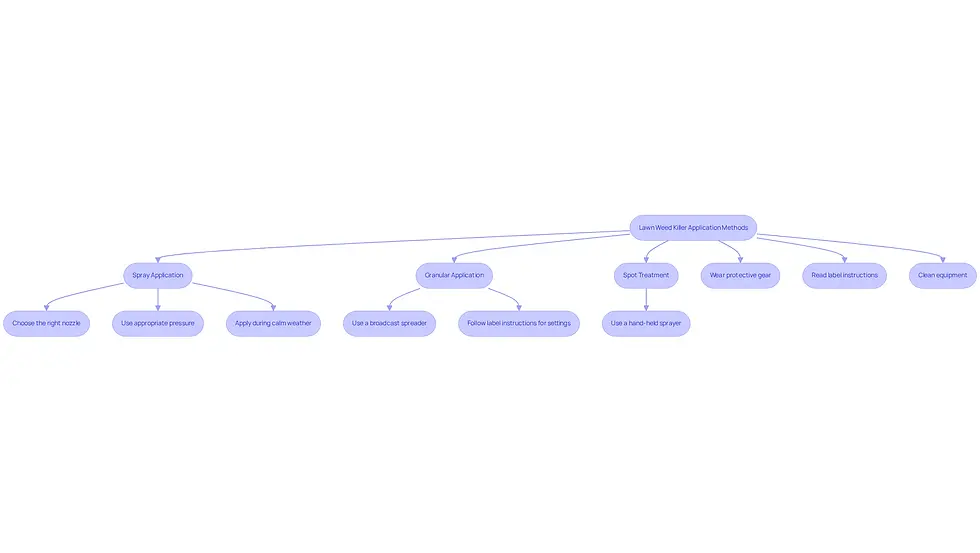
When it comes to applying weed killers, there are a few methods to consider:
Spray Application: Liquid weed killers, like those targeting dandelions and broadleaf plants, are typically applied using a sprayer for even coverage. To protect your desirable plants, choose the right nozzle and pressure. Applying during calm weather can help minimize drift, and using timing tools based on your local conditions can enhance effectiveness.
Granular Application: Granular weed killers, including those from Spring Touch that incorporate grub control, are best distributed with a broadcast spreader. This method is ideal for pre-emergent applications that need to be worked into the soil. Following label instructions for the correct spreader settings ensures uniform distribution. For tougher weeds, consider using higher labeled rates for better control.
Spot Treatment: If you have localized weed issues, spot treatments with a hand-held sprayer can be very effective. This method conserves chemicals and reduces the risk of harming surrounding plants.
It's wise to wear protective gear, like gloves and long sleeves, to keep yourself safe while treating your lawn. Taking a moment to read and follow the label instructions can make a big difference in protecting your lawn and the environment. Timing your application for cooler parts of the day can also help reduce evaporation and improve the effectiveness of the best lawn weed killer. Remember, proper sanitation practices, such as cleaning your equipment before moving to different areas, are essential to avoid cross-contamination. By taking these precautions, you can ensure a healthy lawn while protecting the environment and your peace of mind.
Pros and Cons of Each Lawn Weed Killer: A Side-by-Side Comparison
Dealing with stubborn weeds can be a frustrating experience for homeowners, leaving them feeling overwhelmed and unsure of how to reclaim their lawns. Fortunately, the best lawn weed killer can help restore the beauty of your lawn and provide peace of mind.
Take, for instance, Spectracide Weed Stop for Lawns Plus Crabgrass Killer. Imagine a product that acts quickly, tackling over 250 types of weeds while keeping your established lawn safe and sound. However, for those particularly stubborn weeds, you might find yourself needing to apply it a few times to see the best results.
Then there's Syngenta Tenacity Herbicide, which stands out for its versatility. It works both as a pre-emergent and post-emergent solution, effectively combating broadleaf and grassy weeds. While it may come at a higher cost compared to some competitors, the peace of mind it offers in protecting your lawn is invaluable.
If you're looking for an organic option, Bonide BurnOut Weed and Grass Killer is a fantastic choice. It’s environmentally friendly and delivers quick results on contact. Just keep in mind that you may need to reapply it for those persistent weeds that just won’t budge.
Ortho GroundClear Weed & Grass Killer is another powerful solution. It’s non-selective and highly effective for clearing areas, but you’ll want to be cautious, as it can harm desirable plants if not applied carefully.
For those who prioritize safety, Green Gobbler Natural Total Control Weed & Grass Killer is a great fit. It’s made from natural ingredients and is safe for pets and children, though you might notice slower results compared to synthetic options.
Lastly, Spring Touch Organic Fertilizer with Crabgrass Preventer not only restores nutrients but also prevents crabgrass and targets dandelions and broadleaf weeds. Just remember, for optimal results, you may need to apply it a few times, and its effectiveness can vary based on environmental conditions.
By using the best lawn weed killer, you can confidently tackle those pesky weeds and enjoy a lush, healthy lawn once again.

Conclusion
Weeds can quickly overtake your lawn, leaving you feeling overwhelmed and unsure of how to restore its beauty. Choosing the right lawn weed killer is a crucial step in maintaining a healthy and vibrant outdoor space. By understanding the different types of herbicides, you can choose the right tools to fight back against weeds and protect your lawn.
It’s important to consider both selective and non-selective options, as each serves a unique purpose in your lawn care strategy. With the right approach, you can effectively tackle those pesky weeds while preserving the grass you love. Remember, applying these products safely is essential, ensuring your family and the environment remain protected while you reclaim your lawn.
When you choose wisely, you not only enhance your property but also create a serene space for your family to enjoy together. Embracing informed choices will lead to a thriving garden that not only boosts your property value but also provides a safe haven for family enjoyment.
Frequently Asked Questions
What are the two primary categories of lawn weed killers?
Lawn weed killers are generally divided into selective and non-selective chemicals. Selective killers target specific unwanted plants, while non-selective killers destroy all vegetation they touch.
What are examples of selective lawn weed killers?
Typical examples of selective lawn weed killers include products with 2,4-D or dicamba, which effectively manage broadleaf plants without harming turfgrass.
What are non-selective lawn weed killers used for?
Non-selective lawn weed killers, like glyphosate, are used to destroy all vegetation they touch and can be useful for clearing areas before replanting.
How are herbicides categorized based on application timing?
Herbicides can be categorized as pre-emergent and post-emergent. Pre-emergent treatments prevent unwanted plant seeds from germinating, while post-emergent treatments target actively growing plants.
When is the best time to apply pre-emergent herbicides?
Many experts recommend applying pre-emergent herbicides in early spring to prevent weed growth.
What is the benefit of using organic-based fertilizers like those offered by Spring Touch?
Spring Touch offers an organic-based fertilizer that replenishes nutrients and includes a crabgrass preventer, helping to stop crabgrass from taking over during the summer months.
What additional weed management does Spring Touch provide?
Their second application focuses on controlling dandelions and broadleaf weeds while also providing grub control for a thorough approach to weed management.
What does recent research suggest about using both selective and non-selective weed killers?
The latest study for 2026 emphasizes the importance of integrating both selective and non-selective weed killers in a comprehensive garden care strategy for optimal results.
List of Sources
Understand Lawn Weed Killers: Types and Mechanisms
News - Selective and non-selective herbicides (https://bigpesticides.com/news/selective-and-non-selective-herbicides)
Weed management updates for the 2026 growing season (https://blog-crop-news.extension.umn.edu/2026/04/weed-management-updates-for-2026.html)
no-tillfarmer.com (https://no-tillfarmer.com/articles/15238-in-the-weeds-glyphosate-news-roundup-april-21-2026)
What's New for Agronomic Weed Control: 2026 (https://extension.psu.edu/whats-new-for-agronomic-weed-control-2026)
farmprogress.com (https://farmprogress.com/weeds/plan-for-2026-new-herbicide-products-worth-watching)
Compare Top Lawn Weed Killers: Features and Effectiveness
peachcountrytractor.com (https://peachcountrytractor.com/blogs/products/frequently-asked-questions-about-tenacity-herbicide?srsltid=AfmBOoqf1clO31zH809Pejc6Y21lvSigfyoOkkrh6fDQEXUs9u7iXgwU)
cognitivemarketresearch.com (https://cognitivemarketresearch.com/weed-killer-for-lawns-market-report)
researchnester.com (https://researchnester.com/reports/weed-control-market/6174)
aol.com (https://aol.com/articles/powerful-herbicide-could-stop-pesky-020000560.html)
insurancejournal.com (https://insurancejournal.com/news/southcentral/2026/03/13/861795.htm)
Evaluate Application Methods and Safety Considerations
holganix.com (https://holganix.com/holganix-case-studies)
corteva.com (https://corteva.com/us/products-and-solutions/turf-and-ornamental/lawn-and-landscape/lawn-and-landscape-library/spring-herbicide-applications.html)
acrt.com (https://acrt.com/articles/incorporating-safety-into-herbicide-application)
courthousenews.com (https://courthousenews.com/epa-releases-new-regulations-for-use-of-controversial-herbicide)
Pros and Cons of Each Lawn Weed Killer: A Side-by-Side Comparison
lawnlove.com (https://lawnlove.com/blog/best-weed-killers)
thespruce.com (https://thespruce.com/best-weed-killers-4173508)
Best Lawn Feed, Weed, and Moss Killers: A Homeowner's Comparison (https://springtouchlawn.com/post/best-lawn-feed-weed-and-moss-killers-a-homeowners-comparison)