.png)

Master Acid Soil: Steps to Improve Your Lawn's Health
- Spring Touch Team

- Apr 21
- 7 min read
Updated: 2 days ago
Introduction
Understanding soil acidity is essential for any homeowner aiming for a lush, green lawn. When you grasp the right knowledge and techniques, transforming acidic soil into a thriving foundation for grass becomes entirely achievable. This article explores practical steps to enhance your lawn's health, from accurately testing soil pH to selecting the best amendments.
But what if the soil’s acidity is overlooked? This can lead to wasted nutrients and a patchy yard, leaving you frustrated.
Let’s discover how to address this hidden challenge and fully realize the potential of your outdoor space.
Understand Soil Acidity and Its Impact on Lawn Health
Soil acidity can be a hidden challenge for your lawn, measured on a pH scale from 0 to 14, where 7 is neutral. For your grass to thrive, it’s best to keep the pH between 6.0 and 7.0. When it dips below 6.0, the soil becomes acid soil, which can really hinder grass growth by limiting access to essential nutrients like:
nitrogen
phosphorus
potassium
This acid soil not only stunts growth but also raises the risk of pest infestations and diseases, resulting in a patchy, unhealthy yard. In fact, if the pH levels are off, you could be wasting up to 75% of the nutrients from your fertilizers, making growth issues even worse. By understanding these factors, you can take steps to enhance your grass's health, ensuring it flourishes beautifully in the unique climate of Southern Minnesota.

Test Your Soil pH Accurately
Understanding your ground's pH is crucial for a healthy lawn, but many homeowners overlook this important step. Without knowing your soil's acidity or alkalinity, you might struggle to grow vibrant grass or plants. It can be frustrating to see your yard not thriving, especially when you’re putting in the effort. But don’t worry; testing your soil is easier than you might think.
To get started, you can either use a home testing kit or send a sample to a local extension service. If you choose the home test, here’s how to do it:
Collect Ground Samples: Grab a clean trowel and gather earth from several spots in your lawn, digging about 4-6 inches deep. Mix these samples in a clean container to get a representative sample of your soil.
Prepare the Test Kit: Follow the instructions that come with your earth test kit. Generally, you’ll mix a small amount of soil with distilled water in a test vial.
Conduct the Test: Add the testing solution as directed, then shake or stir the mixture. After waiting for the specified time, compare the color change to the pH scale provided.
Interpret Results: A pH below 6.0 indicates the presence of acid soil conditions, while a pH above 7.0 shows alkaline conditions. Knowing your soil's pH is essential for identifying necessary amendments, particularly if you are dealing with acid soil to improve its health.
Experts recommend testing your ground every 2 to 3 years to ensure your grass stays healthy and vibrant. Interestingly, recent data shows that about 30% of property owners are now using testing kits, reflecting a growing awareness of how soil health impacts yard maintenance. As horticulturist Dr. Jane Smith wisely notes, "Regular ground testing is essential for understanding nutrient availability and ensuring a thriving garden." So take that step today; your lawn will thank you!

Amend Acidic Soil for Optimal Lawn Growth
If you're struggling with acid soil and want to see your lawn thrive, you're not alone. Many homeowners face this challenge, but the good news is that you can take steps to amend your soil and promote optimal growth. Here’s how to do it with confidence.
First, it’s important to select the right amendment. Lime is your go-to option for raising the pH of your soil. You can choose between garden calcium carbonate or dolomitic calcium carbonate, which also adds magnesium to the mix, enhancing the overall health of your soil.
Before you dive in, perform a ground assessment. This step is crucial. By checking the current pH level, you’ll understand your lawn's specific needs. This knowledge will guide your amendment strategy, ensuring you achieve the best results possible.
Next, calculate how much calcium carbonate you’ll need. Your soil test results will be your best friend here. A common guideline is to apply about 50 pounds of calcium carbonate per 1,000 square feet, which can raise the pH by roughly 0.5. Keep in mind that different grass types have their own pH preferences; for instance, Tall Fescue flourishes in a pH range of 6.5 to 7.5.
Now, it’s time to implement the amendment. Use a broadcast spreader to evenly distribute the calcium carbonate across your lawn. Uniform coverage is key to avoiding over-application in certain areas, which can lead to uneven pH levels.
After applying the amendment, give your lawn a light watering. This helps the calcium absorb into the soil, making it more effective.
Finally, monitor the changes. After a few months, re-test your soil pH to see how your amendments have worked. This will help you decide if further adjustments are needed to reach your desired pH level.
Understanding the role of calcium in enhancing your soil is vital. Soil scientists highlight that calcium carbonate not only raises pH but also boosts nutrient availability in acid soil, which is essential for healthy grass growth. Quick-acting mineral products can lead to noticeable improvements in pH levels within weeks, making them a great choice for homeowners eager to enhance their gardens. Regular soil testing and careful lime application can lead to significant benefits, like healthier, more vibrant grass and reduced fertilizer waste. Remember, improper pH management can waste 20-70% of your fertilizer, so taking these steps is well worth it.

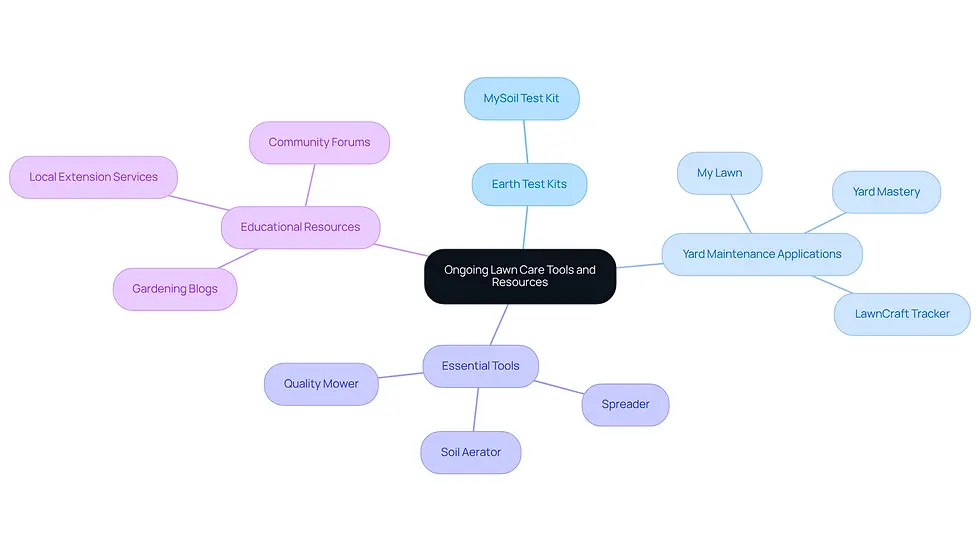
Utilize Tools and Resources for Ongoing Lawn Care
Maintaining a healthy lawn can feel overwhelming, but it doesn’t have to be. One of the first steps is understanding the characteristics of your acid soil. Earth Test Kits are essential for monitoring pH and nutrient levels. Investing in a reliable earth testing kit, like the MySoil test kit, can provide professional-quality analysis. This knowledge helps you understand your ground's health, particularly if it is acid soil, and make informed decisions about amendments. As landscaping experts say, comprehending the makeup of acid soil is the initial step to a flourishing yard.
Next, let’s talk about keeping track of your yard maintenance. Yard Maintenance Applications like Yard Mastery, My Lawn, and LawnCraft Tracker can simplify this process. These apps help you monitor your fertilization and watering needs tailored to your local climate. They also send alerts based on weather conditions, ensuring you stay on top of your lawn care. For those who prefer a hands-on approach, the LawnCraft Tracker is particularly useful for tracking your progress over time.
Now, let’s consider the tools you’ll need. Essential Tools include:
a spreader for even application of amendments
a soil aerator to improve drainage
a quality mower to keep your grass at the right height
While the typical cost for basic yard maintenance equipment is around $1,750, this investment pays off. Homeowners can save about $270 each year by mowing their own lawns, making DIY yard maintenance a smart financial choice.
Finally, don’t underestimate the power of Educational Resources. Following trustworthy gardening blogs and local extension services can provide tailored advice for Southern Minnesota's climate. Engaging in community forums allows you to gain insights and shared experiences from fellow homeowners, enriching your gardening knowledge. Be vigilant for signs of turf diseases like Red Thread, Dollar Spot, and Brown Patch, which can appear as unusual patches or discoloration in your grass. Recognizing and managing these issues promptly is crucial. Consider enrolling in a fungus control treatment with Spring Touch to protect your yard and prevent future damage. Remember, applying treatments at the wrong time can waste product and harm your lawn, so staying informed is essential.
Conclusion
Understanding and improving soil acidity is crucial for nurturing a healthy lawn. When homeowners recognize the significance of pH levels, they can take informed steps to help their grass thrive. The journey to a lush, vibrant yard starts with acknowledging the challenges posed by acidic soil and the importance of regular soil testing. This awareness paves the way for effective amendments and care.
Key insights from this guide highlight the necessity of testing soil pH and understanding its effects on nutrient availability. By utilizing amendments like calcium carbonate, homeowners can effectively raise pH levels. Additionally, tools such as soil testing kits and yard maintenance apps offer essential support for ongoing lawn care. Implementing these strategies can significantly enhance a lawn's health, reducing nutrient wastage and fostering a thriving outdoor space.
Ultimately, proactive lawn management not only beautifies a property but also contributes to environmental health. Embracing these practices fosters a deeper connection to the land and promotes sustainable gardening. By taking the time to test, amend, and monitor soil conditions, homeowners will reap lasting benefits for both their lawn and themselves, transforming their yard into a flourishing oasis.
Frequently Asked Questions
What is soil acidity and how is it measured?
Soil acidity is a measure of how acidic or alkaline the soil is, assessed on a pH scale from 0 to 14, where 7 is considered neutral.
What is the ideal pH range for lawn health?
The ideal pH range for lawn health is between 6.0 and 7.0.
What happens when soil pH drops below 6.0?
When soil pH drops below 6.0, it becomes acid soil, which can hinder grass growth by limiting access to essential nutrients such as nitrogen, phosphorus, and potassium.
How does acid soil affect grass growth?
Acid soil stunts grass growth and increases the risk of pest infestations and diseases, leading to a patchy and unhealthy lawn.
What impact does incorrect pH levels have on fertilizer use?
If pH levels are not optimal, you could be wasting up to 75% of the nutrients from your fertilizers, exacerbating growth issues in your lawn.
How can understanding soil acidity benefit lawn care?
By understanding soil acidity and its impact, you can take steps to enhance your grass's health, ensuring it thrives in the specific climate of Southern Minnesota.
List of Sources
Understand Soil Acidity and Its Impact on Lawn Health
shopping.yahoo.com (https://shopping.yahoo.com/home-garden/gardening/articles/don-t-let-bad-soil-032349375.html)
Soil Health Data - MN Soil Health Coalition (https://mnsoilhealth.org/soilhealthdata)
otolawn.com (https://otolawn.com/blogs/lawn-care-101/the-impact-of-ph-levels-on-your-lawns-health?srsltid=AfmBOorK-2GQuzNmDvCGoX5Qw42PRwMOz3vzjGZtHmb7HeR9mumFWAwU)
mnsoybean.org (https://mnsoybean.org/nutrient-availability-soil-ph)
Test Your Soil pH Accurately
columbiamissourian.com (https://columbiamissourian.com/news/local/new-soil-testing-method-at-mu-offers-faster-results-at-half-the-cost/article_2a18077a-d911-4f65-9058-9ff7e8bc0f0e.html)
sciencesocieties.org (https://sciencesocieties.org/publications/crops-soils/2022/september-october/soil-testing-how-precise-is-my-lab-data)
agroliquid.com (https://agroliquid.com/resources/blog/get-a-head-start-on-2026-make-a-game-plan-for-fall-soil-testing)
agweb.com (https://agweb.com/news/crops/crop-production/soil-test-results-offer-news-you-can-use-beyond-ph)
nbcrightnow.com (https://nbcrightnow.com/national/soil-testing-for-spring-planting-turns-crossed-fingers-into-confidence/article_f666bf29-4d0c-5842-a7af-743573f5310e.html)
Amend Acidic Soil for Optimal Lawn Growth
usda.gov (https://usda.gov/about-usda/news/radio/daily-newsline/2026-03-18/actuality-soil-considerations-lawn-care)
goodhousekeeping.com (https://goodhousekeeping.com/home/renovation/a70868867/why-you-need-a-soil-test-for-your-lawn)
info.supersod.com (https://info.supersod.com/lawn-care/understanding-lawn-ph)
mackeysgrows.com (https://mackeysgrows.com/blogs/news/its-time-to-lime?srsltid=AfmBOooK-v8Rlou8e7UikiGkXH-FFN8SCwYaoCYk4Y8rBfOkxslnb7xh)
pmg-ky1.com (https://pmg-ky1.com/the_anderson_news/amending-soil-for-2026-garden-preparation/article_bf0e6770-d09f-5b27-b120-4b71f5c8bd1c.html)
Utilize Tools and Resources for Ongoing Lawn Care
mordorintelligence.com (https://mordorintelligence.com/industry-reports/lawn-care-software-market)
lawncraftsupply.com (https://lawncraftsupply.com/best-lawn-care-app-homeowners)
bobvila.com (https://bobvila.com/diy/lawn-and-landscape-awards-2026)
aol.com (https://aol.com/articles/9-landscaping-apps-help-homeowners-160047324.html)
yourgreenpal.com (https://yourgreenpal.com/blog/survey-diy-apps)


