.png)

Master Dormant Seeding: A Step-by-Step Guide for Homeowners
- Spring Touch Team

- Jun 22
- 8 min read
Updated: 14 hours ago
Introduction
As winter sets in, many homeowners worry about their lawns turning brown and lifeless. Dormant seeding offers a way to ensure your lawn is ready to flourish when spring arrives. In this guide, we’ll walk you through the simple steps of dormant seeding, showing you how to prepare your lawn for a vibrant transformation.
Let’s explore the key considerations for success in this unique climate and how you can nurture your lawn after seeding for the best results.
Understand Dormant Seeding and Its Benefits
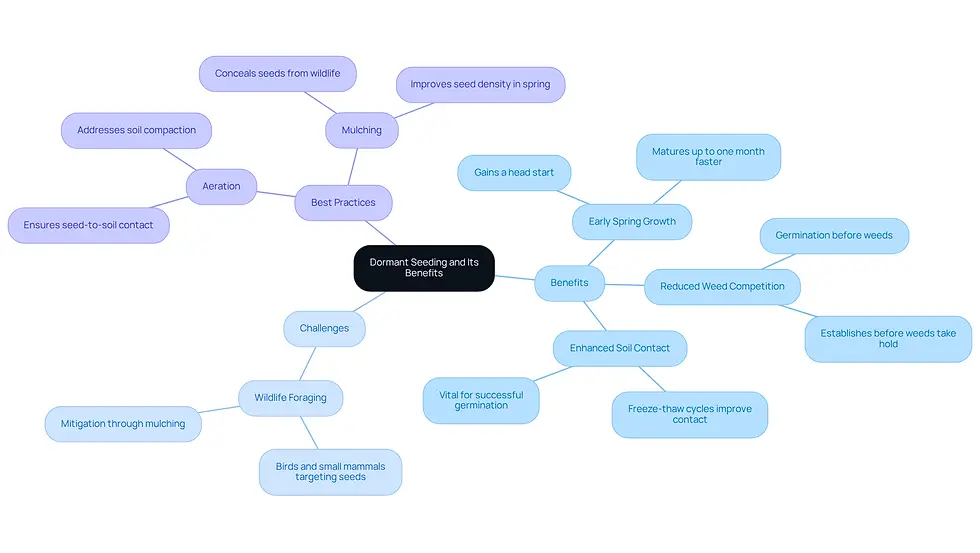
As winter approaches, many homeowners worry about how to keep their lawns healthy and vibrant. Dormant seeding is a technique that enables seeds to stay in the soil throughout winter, prepared to sprout as temperatures increase in spring. This method offers several benefits:
Early Spring Growth: By seeding in late fall, your lawn gains a head start, as the seeds are already in place when temperatures rise. This can lead to grass maturing up to one month faster than lawns seeded in spring, as noted by LawnStarter.
Reduced Weed Competition: Dormant seeding enables grass to germinate earlier than many weeds, which helps it establish itself before weeds can take hold, thereby reducing competition for resources.
Enhanced Soil Contact: The natural freeze-thaw cycles of winter help embed seeds into the soil, improving grain-to-soil contact, which is vital for successful germination.
However, it's important to be aware of potential challenges specific to Minnesota's climate. Wildlife, including birds and small mammals, may focus on exposed seeds during winter, which can decrease seed density in the spring. To mitigate this, applying a light mulch layer over the seeds can help conceal them and reduce foraging pressure.
At Spring Touch Lawn & Pest Control, we believe aeration is key to this process. Aeration ensures that grass seed has direct contact with the soil, which is essential for germination, especially in the hard, compacted clay soils of Minnesota. Case studies from Minnesota show that dormant seeding effectively restores bare patches in grass, particularly in November. This method utilizes dormant seeding to prepare the grass for spring growth while also decreasing weed pressure, as desirable turf appears first. As one specialist observed, "Dormant planting jump-starts spring," enabling homeowners to utilize these advantages to improve their grass care strategies, ensuring a lush and vibrant yard come spring. Additionally, Spring Touch offers a 100% satisfaction guarantee on complete lawn care programs, including free retreatment if issues are reported within 15 days after application, ensuring that your lawn receives the best care possible. With the right approach, you can ensure your lawn not only survives winter but thrives come spring.
Determine the Optimal Timing for Dormant Seeding
Timing your dormant seeding can feel daunting, but with the right approach, you can ensure a thriving lawn come spring. To set yourself up for success, keep an eye on the ground temperature; aiming for consistent readings below 40°F will help ensure your seeds are in a state of dormant seeding until spring, setting the stage for a strong start.
Pay attention to the weather; extended cold spells will help maintain the right conditions for your dormant seeding, providing you peace of mind as you prepare your lawn. Try to plant before significant snowfall; while snow can help, too much can create a barrier that hinders seed-to-soil contact, which is crucial for success.
Don’t worry if the ground is slightly frozen; you can still plant, which gives you a bit more flexibility in your timing. When buying grass grain, consider getting a little extra - about 10-20% more - to ensure you have enough for overseeding in late spring, giving you confidence in your coverage.
Keep in mind that birds may be a concern, especially in bare or thin spots; being aware of this can help you take steps to protect your seeds. Selecting the right grass species is key; all cool-season turfgrass varieties in Minnesota, including Kentucky bluegrass and fine fescues, are great options for dormant seeding.
By taking these steps, you’re not just planting seeds; you’re investing in a vibrant lawn that will flourish with your care.

Prepare Your Lawn for Dormant Seeding
Preparing your yard properly is the key to ensuring your dormant seeding flourishes when spring arrives. Follow these steps to get your lawn ready:
Clear Debris: Remove leaves, sticks, and any other waste from the lawn. This step really helps your seeds make good contact with the soil, which is key for germination and better establishment.
Mow Existing Grass: Cut existing grass to a height of about 1-2 inches. This reduces competition for the new plants and improves plant-to-soil contact, which is crucial for successful germination.
Aerate the Ground: If possible, aerate your lawn to enhance ground structure and improve planting penetration. Core aeration is especially beneficial in the clay soils of southern Minnesota, as it allows plants to embed into the ground more efficiently, encouraging better germination.
Spread Grain: Use a broadcast spreader to evenly distribute the dormant grass grain across the prepared area. Aim for a seeding rate of about 2-3 pounds per 1,000 square feet for optimal results with cool-season grasses. Increasing the rate by 10-15% can help mitigate risks associated with dormant planting.
Gently Rake: After distributing the grains, gently rake the area to ensure good grain-to-soil contact without burying them too deeply. This step is essential as it helps secure the grains in place, promoting better germination rates.
By adhering to these preparation steps, homeowners can create an ideal environment for their dormant seeding to thrive come spring. To boost your lawn's chances of thriving, keep an eye on soil temperatures-make sure they rise above 50°F for germination. Also, try to limit foot traffic on newly seeded areas. If your grass appears sparse, be ready for the chance of overseeding in spring, as this is a typical result of dormant seeding. As Bob Mugaas observes, 'The level of success from your dormant seeding efforts will depend on the overwintering conditions provided to the newly planted areas.' Additionally, consider Spring Touch's organic-based fertilizer application, which not only restores nutrients but also prevents crabgrass and broadleaf weeds, ensuring a robust lawn as the seasons change. Taking these steps now can make all the difference in how your lawn looks when the warmer weather returns.

Manage Your Lawn After Dormant Seeding
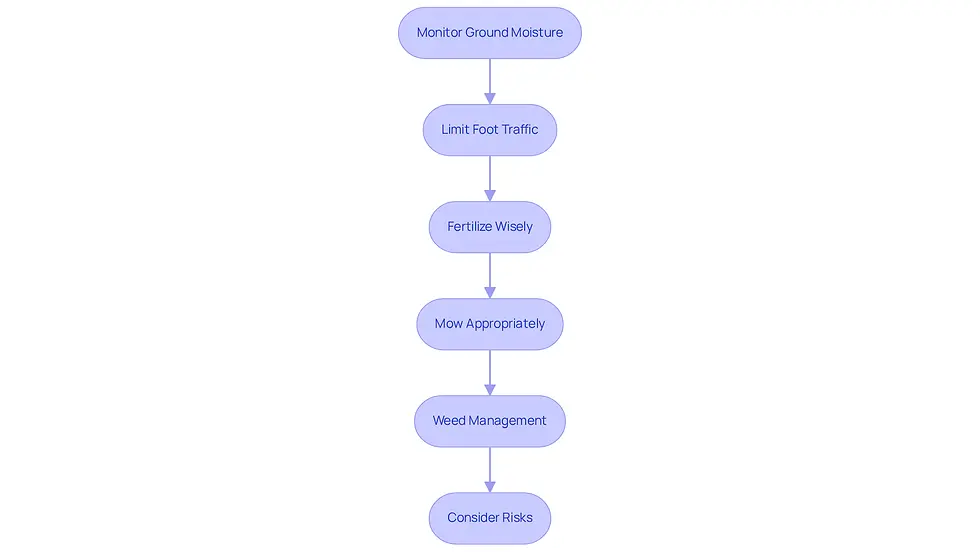
Have you ever wondered why your grass struggles to thrive after the process of dormant seeding? Effective management is crucial for ensuring the successful germination and establishment of your new grass after dormant seeding. Follow these essential steps:
Keep an eye on the ground moisture: As spring temperatures rise, regularly check the ground moisture. If it seems dry, lightly water the area to encourage germination. Research shows that maintaining optimal ground moisture is vital; seedlings that germinate before winter may be at risk if not adequately monitored.
Limit foot traffic: Minimize foot traffic on newly seeded areas to prevent soil compaction and protect emerging seedlings. This is especially important during the early stages of growth when the grass is most vulnerable.
Fertilize wisely: Once the new grass has established, typically 6-8 weeks after germination, consider applying Spring Touch Lawn & Pest Control's organic-based fertilizer with bio-solids. This treatment replenishes nutrients and includes crabgrass preventer, ensuring your yard is fortified against invasive species. Avoid pre-emergent herbicides, as they can inhibit grass seed germination and adversely affect your yard's growth.
Mow appropriately: When the new grass reaches a height of about 3-4 inches, mow it to stimulate lateral growth and develop a thicker turf. Proper mowing practices can enhance the overall health of your grass.
Weed management: Vigilantly monitor for weeds, particularly dandelions and broadleaf weeds, and manage them promptly to prevent competition with your new grass. Early intervention is essential for preserving a healthy yard. Spring Touch's second application targets these weeds while also including grub control, providing a comprehensive solution for your lawn care needs.
Consider risks: Be aware of the risks associated with dormant planting, such as potential seed loss due to erosion, predation, and decay. Monitoring ground moisture levels is essential to mitigate these risks and ensure successful establishment.
By taking these steps, you can transform your yard into a vibrant oasis, even after a dormant season. As noted by expert Dr. Bryan Hopkin, maintaining soil water potential is crucial for optimal grass performance, ensuring that your lawn thrives after implementing dormant seeding.
Conclusion
Many homeowners worry about how to keep their lawns healthy during the cold months. Dormant seeding offers a reassuring solution for those looking to enhance their lawns during winter. By planting grass seeds in late fall, you can prepare your lawn for early spring growth. This approach reduces weed competition and improves soil contact, ensuring your lawn is ready for a vibrant comeback. Plus, it takes advantage of Minnesota's unique climate to help your grass thrive.
Throughout this guide, we've outlined essential steps to make dormant seeding a success. From understanding the right timing to preparing your lawn effectively, each step is crucial. Remember, aeration, proper lawn preparation, and vigilant care after seeding are key to ensuring optimal germination and growth. By following these steps, you can significantly improve your lawn's health and appearance, setting the stage for a lush landscape come spring.
In the end, dormant seeding isn’t just about planting; it’s about investing in your lawn’s future. Embracing this method can lead to a thriving yard that enhances curb appeal and provides a safe, enjoyable outdoor space for your family. For those in southern Minnesota, partnering with Spring Touch Lawn & Pest Control can ensure your lawn receives expert care, including organic-based treatments and a satisfaction guarantee. Take action now to prepare your lawn for success, and watch it flourish as the seasons change.
Frequently Asked Questions
What is dormant seeding?
Dormant seeding is a technique where grass seeds are placed in the soil during late fall, allowing them to remain dormant throughout winter and sprout as temperatures rise in spring.
What are the benefits of dormant seeding?
The benefits of dormant seeding include early spring growth, reduced weed competition, and enhanced soil contact due to winter's freeze-thaw cycles, which help embed seeds into the soil for successful germination.
How does dormant seeding help with weed competition?
Dormant seeding allows grass to germinate earlier than many weeds, helping it establish itself before weeds can take hold, thus reducing competition for resources.
What challenges does dormant seeding face in Minnesota?
In Minnesota, wildlife such as birds and small mammals may forage on exposed seeds during winter, which can decrease seed density in spring.
How can homeowners mitigate wildlife foraging on dormant seeds?
Homeowners can apply a light mulch layer over the seeds to help conceal them and reduce foraging pressure from wildlife.
Why is aeration important for dormant seeding?
Aeration is crucial because it ensures that grass seed has direct contact with the soil, which is essential for germination, especially in Minnesota's hard, compacted clay soils.
What results have been observed from dormant seeding in Minnesota?
Case studies show that dormant seeding effectively restores bare patches in grass, particularly in November, and helps decrease weed pressure by allowing desirable turf to appear first.
What guarantee does Spring Touch Lawn & Pest Control offer for their lawn care programs?
Spring Touch Lawn & Pest Control offers a 100% satisfaction guarantee on complete lawn care programs, including free retreatment if issues are reported within 15 days after application.
List of Sources
Understand Dormant Seeding and Its Benefits
There’s Still Time to Dormant Seed Your Lawn | Turfgrass Science (https://turf.umn.edu/news/there’s-still-time-dormant-seed-your-lawn)
Benefits of Dormant Seeding Your Lawn (https://lawnstarter.com/blog/lawn-care-2/benefits-of-dormant-seeding-lawn)
Now is the perfect time to dormant seed lawns in Minnesota | Turfgrass Science (https://turf.umn.edu/now-perfect-time-dormant-seed-lawns-minnesota)
Dormant Seeding for Early Spring Growth (https://siteone.com/en/articles/turf-care/dormant-seeding-us)
Determine the Optimal Timing for Dormant Seeding
Your Guide to Dormant Seeding in 2025 - Advanced Turf Solutions (https://advancedturf.com/resources/your-guide-to-dormant-seeding)
Why Dormant Seeding Is a Great Strategy for Minnesota Lawns - Organic Lawns by Lunseth (https://organiclawnsbylunseth.com/why-dormant-seeding-is-a-great-strategy-for-minnesota-lawns)
Dormant seeding to establish or improve your lawn (https://extension.umn.edu/lawn-care/dormant-seeding)
Prepare Your Lawn for Dormant Seeding
Master Dormant Grass Seeding: A Step-by-Step Guide for Homeowners (https://springtouchlawn.com/post/master-dormant-grass-seeding-a-step-by-step-guide-for-homeowners)
Dormant Seeding - ProLawns (https://prolawnsmn.com/news/dormant-seeding)
Consider dormant seeding your lawn this fall | Turfgrass Science (https://turf.umn.edu/news/consider-dormant-seeding-your-lawn-fall)
There’s Still Time to Dormant Seed Your Lawn | Turfgrass Science (https://turf.umn.edu/news/there’s-still-time-dormant-seed-your-lawn)
Manage Your Lawn After Dormant Seeding
Soil Moisture Monitoring - Ogallala Water (https://ogallalawater.org/soil-moisture-monitoring)
There’s Still Time to Dormant Seed Your Lawn | Turfgrass Science (https://turf.umn.edu/news/there’s-still-time-dormant-seed-your-lawn)
Drought and Soil Moisture Data (https://drought.gov/topics/soil-moisture)
The complete guide to irrigation management using soil moisture - METER Group (https://metergroup.com/education-guides/the-complete-guide-to-irrigation-management-using-soil-moisture?srsltid=AfmBOoqTsLZIDE2E8mT-abcqDOpoQZtY8fI8mCCPM8IAyI5939Q8TQRL)