.png)

Master Flea Control in Your Yard: 4 Steps for Homeowners
- Spring Touch Team

- 4 hours ago
- 9 min read
Introduction
Imagine stepping outside only to be swarmed by biting fleas, ruining your peaceful moments. Fleas can quickly turn a serene yard into a source of frustration for homeowners, especially in southern Minnesota's warm and humid climate, where these pests thrive. Understanding flea behavior and their life cycle is essential for effective control, offering homeowners the opportunity to reclaim their outdoor spaces. But how can one effectively disrupt this relentless cycle of infestation while ensuring a safe environment for family and pets?
Let’s explore four simple steps to help you take back control of your yard from these pesky invaders, empowering you to enjoy a flea-free sanctuary:
Identify the problem areas in your yard.
Treat your pets with veterinarian-approved flea control products.
Maintain your yard by regularly mowing and removing debris.
Consider professional pest control services if the infestation persists.
Understand Flea Behavior and Life Cycle
Dealing with fleas can feel overwhelming, especially when you realize how quickly they can multiply in your home. Fleas undergo a four-stage life cycle: egg, larva, pupa, and adult. Understanding how fleas thrive in Minnesota's unique climate can help you feel more in control of your home environment, especially with the expert flea control in yard services provided by Spring Touch Lawn & Pest Control.
Eggs: Female insects can lay up to 50 eggs daily, which drop off the host into the environment. These eggs typically hatch in about 2 to 14 days, influenced by temperature and humidity. The rapid reproduction can lead to a frustrating situation for homeowners.
Larvae: The larvae flourish in dark, humid regions, feeding on organic debris and insect droppings. They can take 5 to 20 days to develop into pupae, making it essential to monitor these areas closely. Ignoring these spots can lead to a larger infestation.
Pupae: This stage can last several weeks to months, depending on environmental conditions. Pupae can enter a dormant phase referred to as diapause, lasting several months to a year, and are resistant to many methods. Taking action to disrupt this stage is crucial for flea control in yard to prevent future infestations, and that's where Spring Touch Lawn & Pest Control can help you feel secure in your home.
Adults: Mature insects appear when they detect a host nearby, prepared to feed. They can live for several months and even survive without a host for one to two weeks, making it crucial to treat both the environment and pets simultaneously to break the cycle.
Flea control in yard is crucial because fleas thrive in warm, humid conditions, which can empower you to take the right steps to protect your home and family. Disrupting the life cycle of these pests can require anywhere from three weeks to several months, so prompt interventions are crucial. By comprehending these phases, homeowners can better schedule their approaches and concentrate on regions where pests are likely to flourish, ultimately resulting in a more efficient pest control plan. With Spring Touch Lawn & Pest Control's focused treatments, which endure for as long as 21 days, and professional guidance, you can reclaim your space and enjoy your time outdoors without the worry of pests lingering nearby.

Prepare Your Yard for Flea Control
Pests can quickly turn a beautiful garden into a source of stress and worry. Preparation is essential for effective flea control in yard. Follow these steps to ready your yard:
Mow the Lawn: Try to keep your grass trimmed to about 2-3 inches for the best results. This decreases shaded regions where pests flourish, making it less appealing for infestations.
Clear Debris: Remove leaves, grass clippings, and other organic matter that can harbor larvae. Regular cleaning helps eliminate potential breeding grounds.
Watering: Lightly water your lawn a day before treatment to help insect sprays adhere better to the grass and soil. Avoid overwatering, as these pests prefer dry conditions, which can hinder their development.
Identify Hotspots: Focus on areas where pets spend time, such as under decks or shaded spots. These locations are prime for insect infestations and should be treated thoroughly. Spring Touch Lawn & Pest Control's certified technicians can assist in identifying these hotspots and applying targeted treatments for maximum effectiveness.
Consider Natural Barriers: Planting insect-repelling plants such as lavender or marigolds can help deter pests naturally, adding an extra layer of protection to your garden.
When you prepare your garden well and care for it regularly, you create an environment that pests find less inviting, which supports your flea control in yard efforts. Keep in mind, administering solutions for your pets at the same time as outdoor applications is crucial for effective pest control. With the right preparation and expert help, you can reclaim your garden and enjoy it without the worry of pests.

Apply Effective Flea Control Treatments
Pests can turn your outdoor haven into a source of frustration and worry. Once your yard is ready, it's time to implement flea control in yard treatments. Here’s how:
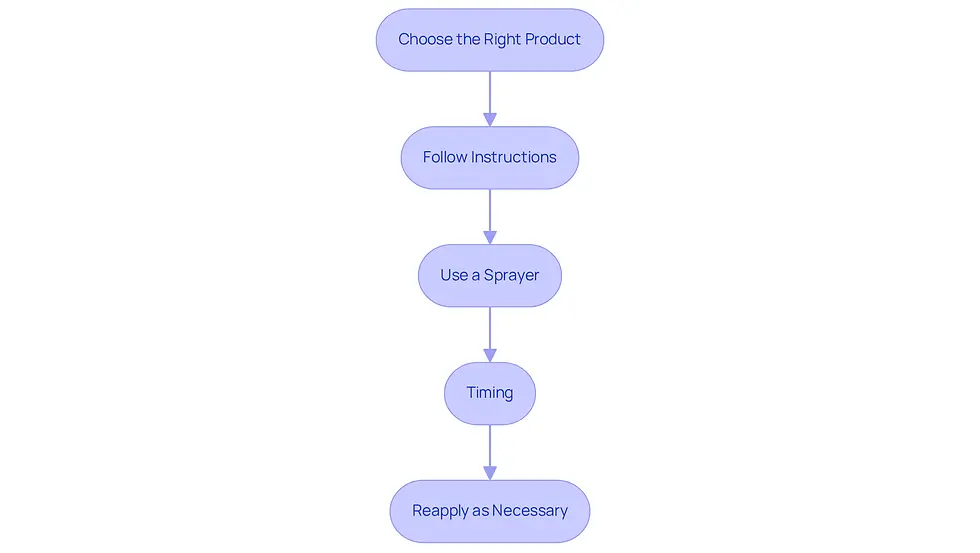
Choose the Right Product: Select a pest control product suitable for outdoor use. Look for organic-based insecticides that include insect growth regulators (IGRs), which disrupt the life cycle of pests and prevent future infestations. This keeps your family and pets safe and is gentle on the environment.
Follow Instructions: Carefully read and adhere to the manufacturer's instructions for application, including safety precautions and recommended dosages. This ensures both effectiveness and safety for your family and pets. Remember, improper application can lead to reduced efficacy and potential harm to the environment.
Use a Sprayer: For liquid applications, utilize a garden sprayer or hose-end sprayer to achieve even coverage. Pay special attention to hotspots identified during your yard preparation for effective flea control in yard, as these areas are more likely to harbor fleas. Regular monitoring of these areas can assist in evaluating the effectiveness of your care.
Timing: Apply treatments during early morning or late afternoon to avoid high heat, which can diminish the effectiveness of the product. This timing also helps protect beneficial insects that may be active during the day. Environmental considerations are crucial, as some treatments can impact local wildlife.
Reapply as Necessary: Depending on the product, reapplication may be required every few weeks, especially during peak pest season. Consistent oversight and modifications to your pest management approach can greatly decrease the insect population in your yard. Statistics indicate that effective flea control in yard necessitates a comprehensive approach, which includes environmental methods and regular evaluations.
When you apply treatments the right way and stick to a routine, you’ll make your outdoor space safer and more enjoyable for everyone. Don’t hesitate to reach out to the experts at Spring Touch Lawn & Pest Control for personalized advice that fits your yard’s needs. Their expert mosquito and flea & tick control services focus on high-risk areas, ensuring effective control that lasts up to 21 days. Plus, new customers can enjoy their first treatment free when signing up for a complete program, allowing you to enjoy your outdoor sanctuary without the annoyance of pests.
Maintain a Flea-Free Environment
Fleas can quickly turn your peaceful yard into a source of stress and discomfort. To keep your yard flea-free, implement these ongoing maintenance practices:
Regular Mowing: Mow your lawn consistently to prevent overgrowth and minimize shaded areas where pests flourish. Since fleas love shady spots, letting sunlight in can really help keep their numbers down.
Clean Up Debris: Keeping your yard clean can really help keep those pesky infestations at bay. Routinely remove leaves, grass clippings, and other organic matter that can serve as breeding grounds for pests.
Monitor Pets: Ensure pets are treated with veterinarian-recommended parasite prevention methods. Routine inspections for parasites are crucial, as dogs and cats are very vulnerable to these pests. If parasites are discovered, prompt action is essential to avert further infestation.
Utilize Insect Traps: Establish insect traps in your yard to observe insect activity and catch any adults that may appear. This proactive approach can help you stay ahead of potential infestations.
Seasonal Care: During high pest seasons, especially from September to October, think about using preventive measures to sustain management. However, it is crucial to remember that year-round treatment is necessary to effectively eradicate these pests and prevent new hatching, as they can survive all year if there is a host.
If you're a homeowner in southern Minnesota, teaming up with Spring Touch Lawn & Pest Control can make a real difference in your battle against pests. With over 50 years of experience and a commitment to eco-friendly practices, Spring Touch offers expert lawn care and pest management solutions. New customers can take advantage of a free initial application when signing up for complete programs, ensuring a beautiful, pest-free outdoor space. For effective flea control in yard, regular monitoring and preventive measures are key, as approximately 90 percent of fleas live in the environment, making it easier to keep them out than to eliminate them once they infest. Taking proactive steps now can save you from the headache of a flea infestation later.

Conclusion
Imagine enjoying your yard without the worry of fleas disrupting your peace. Mastering flea control in your yard is essential for creating a comfortable and enjoyable outdoor space for you and your family. Understanding how fleas live and taking the right steps can help you prevent infestations and keep your yard flea-free. This approach not only protects your home but also enhances the overall enjoyment of your garden.
Key insights from this guide include:
The importance of preparing your yard through regular maintenance, such as mowing and clearing debris, to make it less inviting to fleas.
Applying the right treatments at the right time, combined with ongoing monitoring and preventative measures, will significantly reduce the risk of flea infestations.
Utilizing expert services like those offered by Spring Touch Lawn & Pest Control can further ensure that your efforts yield the best results, with their knowledgeable technicians providing tailored solutions for your specific yard conditions.
Taking these steps now means you can relish your outdoor space without the nagging concern of pests. Consider reaching out to Spring Touch Lawn & Pest Control for professional assistance and to take advantage of their free initial treatment for new customers. Empower yourself with the knowledge and resources necessary to keep your yard pest-free and enjoy the beauty of your outdoor sanctuary year-round.
Frequently Asked Questions
What are the stages of the flea life cycle?
Fleas undergo a four-stage life cycle: egg, larva, pupa, and adult.
How many eggs can a female flea lay daily?
A female flea can lay up to 50 eggs daily.
How long does it take for flea eggs to hatch?
Flea eggs typically hatch in about 2 to 14 days, depending on temperature and humidity.
Where do flea larvae thrive, and what do they feed on?
Flea larvae thrive in dark, humid areas and feed on organic debris and insect droppings.
How long does it take for flea larvae to develop into pupae?
Flea larvae can take 5 to 20 days to develop into pupae.
What is the pupae stage, and how long can it last?
The pupae stage can last several weeks to months and can enter a dormant phase called diapause, which can last several months to a year.
How long can adult fleas survive without a host?
Adult fleas can live for several months and survive without a host for one to two weeks.
Why is flea control in the yard important?
Fleas thrive in warm, humid conditions, making yard control crucial to prevent infestations in the home.
How long can flea control measures take to disrupt the life cycle?
Disrupting the flea life cycle can take anywhere from three weeks to several months, making prompt intervention essential.
What services does Spring Touch Lawn & Pest Control provide for flea control?
Spring Touch Lawn & Pest Control offers expert flea control services that can help homeowners manage and prevent flea infestations effectively. Their treatments can last up to 21 days.
List of Sources
Understand Flea Behavior and Life Cycle
Master Yard Flea Control: Steps for a Flea-Free Home (https://springtouchlawn.com/post/master-yard-flea-control-steps-for-a-flea-free-home)
The Flea Life Cycle & Stages: How Long Do Fleas Live? (https://terminix.com/other/fleas/life-cycle)
Flea Lifecycles (https://cdc.gov/fleas/about/flea-lifecycles.html)
The life cycle of a flea | Pet Peeves (https://nwfdailynews.com/story/lifestyle/pets/2023/09/17/the-life-cycle-of-a-flea-pet-peeves/70823433007)
Biology and Control of Fleas | NC State Extension Publications (https://content.ces.ncsu.edu/biology-and-control-of-fleas)
Prepare Your Yard for Flea Control
Your Guide to Preparing for Flea and Tick Season (https://aspca.org/news/your-guide-preparing-flea-and-tick-season)
Fight the fleas that may increase around your home, landscape this summer | CAES Field Report (https://fieldreport.caes.uga.edu/fight-the-fleas-that-may-increase-around-your-home-landscape-this-summer)
Flea Control and Prevention | Entomology (https://entomology.mgcafe.uky.edu/ef602)
Master Yard Flea Control: Steps for a Flea-Free Home (https://springtouchlawn.com/post/master-yard-flea-control-steps-for-a-flea-free-home)
Flea Control - Oklahoma State University | Oklahoma State University (https://extension.okstate.edu/fact-sheets/flea-control)
Apply Effective Flea Control Treatments
FDA approves long-acting drug to protect dogs against fleas, ticks (https://goodmorningamerica.com/video/123662486)
Minister considers banning over-the-counter flea treatments for pets (https://bbc.com/news/articles/clyxpnz45yzo)
The Flea-Infested Pet: Overview of Current Products (https://todaysveterinarypractice.com/parasitology/practical-parasitologythe-flea-infested-pet-overview-current-products)
Flea Control in Cats: New concepts and the current armoury - PMC (https://pmc.ncbi.nlm.nih.gov/articles/PMC10816492)
Maintain a Flea-Free Environment
Prevention is easier than battling fleas (https://parkrapidsenterprise.com/news/prevention-is-easier-than-battling-fleas)
Preventing Fleas (https://cdc.gov/fleas/prevention)
Your Guide to Preparing for Flea and Tick Season (https://aspca.org/news/your-guide-preparing-flea-and-tick-season)
Vets and Pet-Owners See Gaps in Flea and Tick Prevention, Highlighting Need for Year-Round Care, New Merck Animal Health Global Survey Finds (https://merck-animal-health.com/news-and-insights/news-releases/flea-and-tick-survey)
Minister considers banning over-the-counter flea treatments for pets (https://bbc.com/news/articles/clyxpnz45yzo)


