.png)
Master Herbicide Services: Best Practices for Homeowners
- Spring Touch Team

- 7 days ago
- 7 min read
Updated: 13 hours ago
Introduction
Navigating the world of herbicides can feel overwhelming, especially when the wrong choice can jeopardize your lawn's health. Choosing the wrong herbicide can lead to ineffective results and wasted effort, leaving you frustrated and unsure of how to proceed.
But don’t worry; this guide will walk you through the best practices for herbicide use, including:
Optimal timing
Safety measures
Evaluation techniques
These practices can empower you to achieve a healthy lawn. With the right knowledge and approach, you can navigate these complexities confidently, ensuring both effectiveness and safety for your lawn and the environment.
Understand Herbicides: Types and Functions
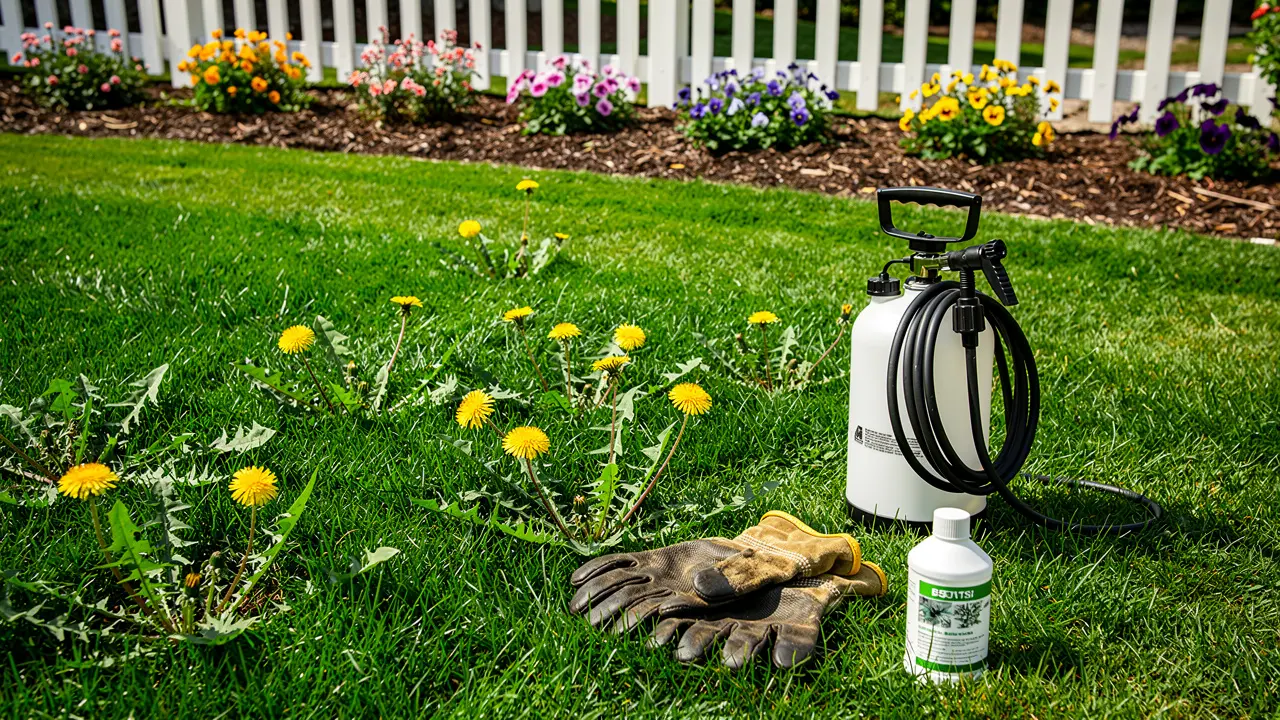
Choosing the right herbicide can feel overwhelming, especially when you want to ensure your lawn remains healthy and vibrant. Herbicides come in two main types: selective and non-selective, each serving a unique purpose in turf management.
Selective herbicides can be a game-changer for homeowners, allowing you to target pesky weeds while keeping your beloved grass safe and sound. They effectively remove unwanted species like dandelions or clover without harming your lawn, making them ideal for those who want to maintain a beautiful yard.
On the other hand, non-selective chemicals can be powerful allies when you need to clear an area completely, but they require careful handling to avoid harming your existing plants. These chemicals eliminate all plant material they touch, making them suitable for clearing spaces before planting or managing invasive species. Glyphosate is a well-known example, recognized for its effectiveness in tackling various types of vegetation.
Additionally, herbicides can be categorized based on when they are applied:
Pre-emergent herbicides create a barrier that prevents weed seedlings from growing, making them most effective when used in early spring.
Post-emergent herbicides are applied after unwanted plants have emerged, and for the best results, they should be used during warm, sunny conditions to enhance absorption.
By understanding these herbicide types, you can confidently make choices that will nurture your lawn and enhance its beauty.

Determine Optimal Timing and Conditions for Application
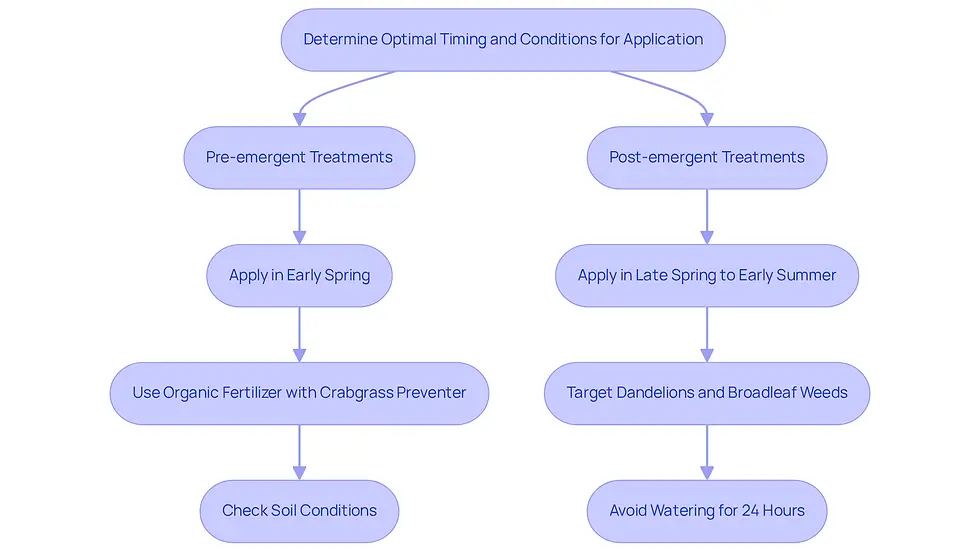
Are you struggling to keep your lawn healthy while managing pesky weeds? Timing is crucial when it comes to using weed killers, especially with Spring Touch Lawn & Pest Control's organic-based spring turf care treatments. Early spring is the perfect time for pre-emergent herbicides, as it aligns with the germination of many weeds. Spring Touch's first product includes an organic-based fertilizer with crabgrass preventer, which helps restore nutrients and stop crabgrass from taking over your lawn this summer. For post-emergent treatments, late spring to early summer is ideal, as weeds like dandelions and broadleaf varieties are actively growing.
Keep an eye on the weather, as conditions like wind and temperature can impact your treatment's success. Apply chemicals on calm, dry days to minimize drift and ensure the product stays where it’s needed. The best temperature range for application is between 65°F and 85°F. Avoid applying before heavy rain, as this can wash away the chemical before it has a chance to work.
Make sure your soil is just right - not too dry and not too soggy - for the best results. A light watering can activate pre-emergent herbicide services, while after post-emergent treatments, it's best to avoid watering for at least 24 hours to ensure effective absorption. Spring Touch's second treatment targets dandelions and broadleaf weeds while also including grub control, making it essential to follow these guidelines for optimal results.
By following these guidelines, you can enjoy a lush, weed-free lawn that brings peace of mind and pride to your home.
Implement Safety and Environmental Best Practices
Many homeowners underestimate the risks associated with chemical weed killers, leading to potential health hazards. Safety should always be a priority when applying these products.
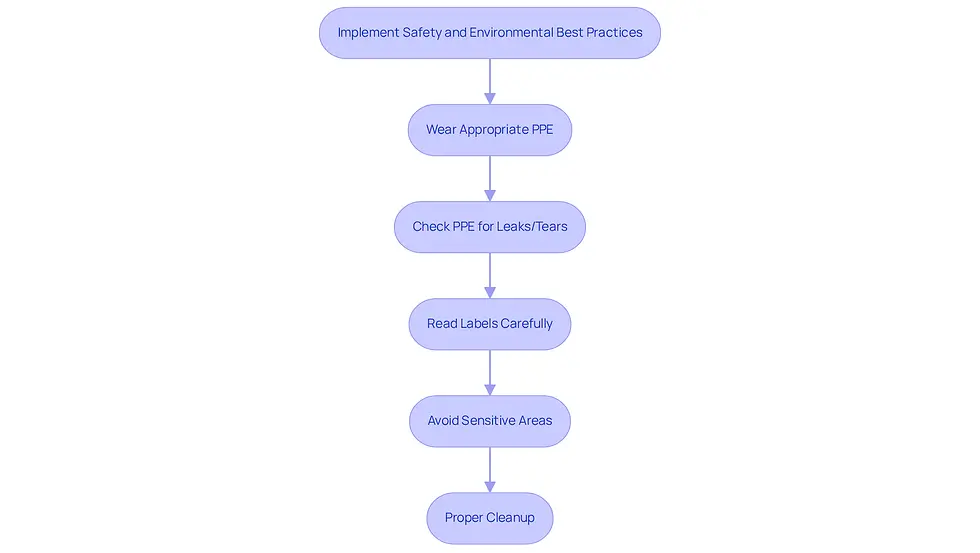
To protect yourself, always wear appropriate personal protective equipment (PPE), including:
Gloves
Long sleeves
Goggles
A mask
Before you head out, take a moment to check your PPE for any leaks or tears. It’s a simple step that can make a big difference in keeping you safe. Studies show that proper PPE significantly reduces the risk of pesticide-related injuries and illnesses.
Next, make sure to read labels carefully. Adhering to the manufacturer's guidelines on usage rates, timing, and safety measures is crucial. Following these instructions not only ensures efficient use but also minimizes risks associated with pesticide application.
It’s also important to avoid sensitive areas. Keep chemical treatments away from:
Water sources
Gardens
Places where children or pets play
This practice helps prevent unintended exposure and environmental contamination, which is vital for maintaining local ecosystems.
After application, proper cleanup is essential. Clean all equipment thoroughly to prevent cross-contamination, and dispose of any remaining chemicals according to local regulations. Neglecting these practices can result in serious health risks and environmental damage.
By prioritizing safety, you not only protect your health but also contribute to a healthier environment for everyone. Furthermore, Paraquat users are required to engage in product training every three years to guarantee safe handling and use.
Evaluate Effectiveness and Monitor Results
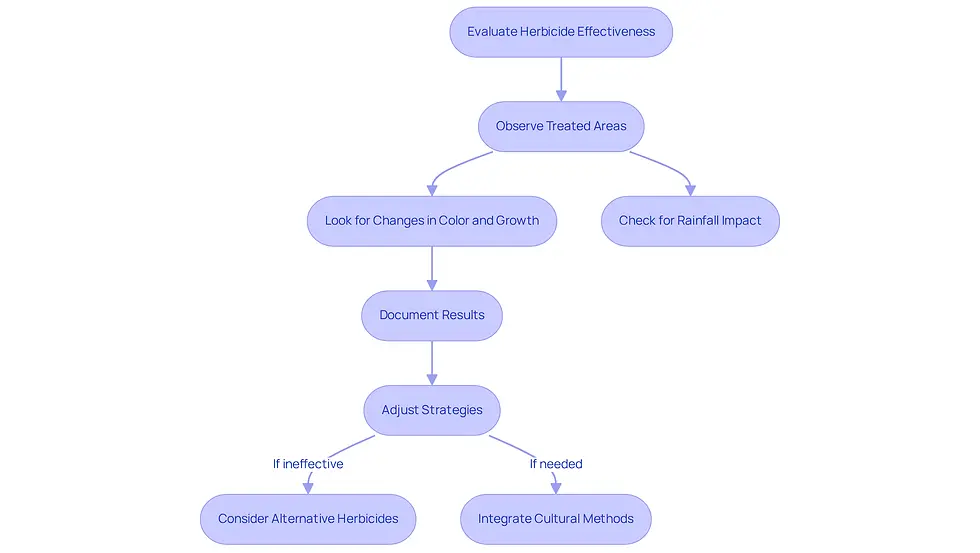
Are you struggling to keep your lawn healthy amidst persistent weeds? Assessing the effectiveness of weed killer applications is key to achieving a vibrant outdoor space. After applying herbicides, take a moment to observe treated areas for signs of weed die-off. This process can take several days to weeks, depending on the specific chemical and the types of weeds targeted. Look for changes in color and growth patterns, as well as overall lawn health, to gauge the impact of your treatment. Remember, heavy rainfall can affect the effectiveness of weed killers, leading to leaching and diminished results. In southern Minnesota, many homeowners face the challenge of persistent weeds like dandelions, which can linger for years, making vigilance crucial.
Keeping a detailed log of herbicide services usage is another important practice. Note the dates, weather conditions, and observed results. This documentation helps you spot trends and adjust your lawn care approach, making it easier to tackle those pesky weeds. For instance, resistance to imazethapyr increased from 90% in 2013 to 99% in 2019, underscoring the need for monitoring and adapting strategies. Spring Touch Lawn & Pest Control emphasizes the importance of timely herbicide services, particularly during the growing season when unwanted plants are most prevalent. Don’t forget to include:
The third use of dandelion and broadleaf pest management with liquid fertilizer
The fourth use to keep unwanted plants in check
The fifth use aimed at late-summer pests
If specific unwanted plants continue to thrive despite treatment, it may be time to rethink your approach. Consider switching to an alternative herbicide, adjusting the timing of treatments, or integrating cultural methods like overseeding or fertilization to boost grass health. Case studies show that monitoring fields after herbicide services is crucial; if plant control is inadequate, post-herbicide treatments may be necessary. Spring Touch Lawn & Pest Control's seasonal applications, including targeted treatments for dandelions and broadleaf weeds, are designed to keep your grass healthy and vibrant, especially as you prepare for winter with the sixth application of fertilizer and weed control.
By regularly evaluating your herbicide effectiveness, you can cultivate a lawn that not only looks good but thrives year-round.
Conclusion
Many homeowners feel overwhelmed by the challenge of keeping their lawns healthy and weed-free. Understanding and effectively utilizing herbicides is essential for achieving that goal. Choosing the right herbicide and applying it at the right time can help homeowners manage weeds and keep their grass healthy. The insights provided in this article highlight the importance of informed decision-making in herbicide application, ensuring that lawns thrive in the unique climate of southern Minnesota.
Key points discussed include:
The distinction between selective and non-selective herbicides
The significance of timing and weather conditions for application
The critical safety practices necessary for handling these chemicals
Evaluating the effectiveness of herbicide treatments
Monitoring results as vital steps in achieving long-term success in lawn care
When you follow these best practices, you’re not just making your lawn look good; you’re also helping the environment.
Getting to that lush, weed-free lawn takes some effort and know-how. Homeowners are encouraged to embrace these best practices and consider partnering with Spring Touch Lawn & Pest Control for expert guidance and support. With a commitment to organic-based, pet- and family-safe treatments, and a 100% satisfaction guarantee, Spring Touch Lawn & Pest Control stands ready to help homeowners in southern Minnesota achieve their lawn care goals. With the right support and knowledge, achieving a vibrant lawn is not just a dream, but a reality.
Frequently Asked Questions
What are the main types of herbicides?
The main types of herbicides are selective and non-selective. Selective herbicides target specific weeds while keeping the grass safe, whereas non-selective herbicides eliminate all plant material they touch.
How do selective herbicides work?
Selective herbicides effectively remove unwanted species like dandelions or clover without harming the grass, making them ideal for homeowners who want to maintain a beautiful lawn.
When should non-selective herbicides be used?
Non-selective herbicides should be used when you need to clear an area completely, as they eliminate all plant material. They require careful handling to avoid harming existing plants.
Can you give an example of a non-selective herbicide?
Glyphosate is a well-known example of a non-selective herbicide, recognized for its effectiveness in tackling various types of vegetation.
What are pre-emergent herbicides and when should they be applied?
Pre-emergent herbicides create a barrier that prevents weed seedlings from growing. They are most effective when applied in early spring.
What are post-emergent herbicides and how should they be used?
Post-emergent herbicides are applied after unwanted plants have emerged. For the best results, they should be used during warm, sunny conditions to enhance absorption.
How can understanding herbicide types benefit homeowners?
By understanding the different types of herbicides, homeowners can make informed choices that nurture their lawns and enhance their beauty.
List of Sources
Understand Herbicides: Types and Functions
News - Selective and non-selective herbicides (https://bigpesticides.com/news/selective-and-non-selective-herbicides)
News - Getting Rid Of Weeds (https://growiwm.org/blog)
Selective vs Non-Selective Herbicides - POMAIS Agriculture (https://pomais.com/selective-vs-non-selective-herbicides)
Options for controlling weeds in your lawn this summer | Turfgrass Science (https://turf.umn.edu/news/options-controlling-weeds-your-lawn-summer)
Selective vs. Non-Selective Herbicide - Advanced Turf Solutions (https://advancedturf.com/resources/selective-vs-non-selective-herbicide)
Determine Optimal Timing and Conditions for Application
Herbicides: Time of day you spray can make a difference (https://farmprogress.com/cotton/herbicides-time-of-day-you-spray-can-make-a-difference)
Herbicides and Hot Weather (https://ndsu.edu/agriculture/ag-hub/ag-topics/crop-production/diseases-insects-and-weeds/weeds/herbicides-and-hot-weather)
Weed management updates for the 2026 growing season (https://blog-crop-news.extension.umn.edu/2026/04/weed-management-updates-for-2026.html)
Minnesota grower targets July 4 finish for nitrogen and herbicide applications - Brownfield Ag News (https://brownfieldagnews.com/news/minnesota-grower-targets-july-4-finish-for-nitrogen-and-herbicide-applications)
What's New for Agronomic Weed Control: 2026 (https://extension.psu.edu/whats-new-for-agronomic-weed-control-2026)
Implement Safety and Environmental Best Practices
Pesticide News (https://extension.illinois.edu/blogs/pesticide-news)
Protect Yourself from Pesticides (https://crops.extension.iastate.edu/post/protect-yourself-pesticides)
Pesticide use and personal protective equipment (https://health.vic.gov.au/environmental-health/pesticide-use-and-personal-protective-equipment)
Pesticide News Stories | US EPA (https://epa.gov/pesticides/pesticide-news-stories)
Evaluate Effectiveness and Monitor Results
Time to check herbicide effectiveness (https://farmprogress.com/wheat/time-to-check-herbicide-effectiveness)
Pesticide Statistics (https://npic.orst.edu/ingred/stats.html)
Monitoring the temporal changes in herbicide‐resistant Amaranthus tuberculatus: a landscape‐scale probability‐based estimation in Iowa (https://scijournals.onlinelibrary.wiley.com/doi/10.1002/ps.7682)
UPL | UK (https://uplcorp.com/uk/news-details/grassweed-monitoring-reveals-a-spread-of-resistance-to-herbicides)
USDA - National Agricultural Statistics Service - Surveys - Agricultural Chemical Use Program (https://nass.usda.gov/Surveys/Guide_to_NASS_Surveys/Chemical_Use)