.png)
Best Practices for Managing Slime Mold on Grass for Homeowners
- Spring Touch Team

- 2 days ago
- 6 min read
Updated: 4 hours ago
Introduction
Discovering strange growths on your lawn can stir up worry, especially when they appear as slimy or crusty patches. Slime mold, often mistaken for a harmful fungus, actually thrives in damp conditions and feeds on decaying organic matter rather than living grass. If you're a homeowner in southern Minnesota, knowing how to recognize and manage slime mold can really help keep your lawn healthy and vibrant. But how can you effectively identify and control this peculiar organism while maintaining the overall health of your grass?
Understand Slime Mold: Identification and Characteristics
Finding unusual growths on your lawn can be unsettling, especially when they appear slimy or crusty. Slime fungus, with its intriguing colors like white, gray, yellow, or even black, often flourishes in damp environments, feeding on decomposing organic material rather than living plants. If you’re wondering how to spot slime mold, here are some key characteristics to look for:
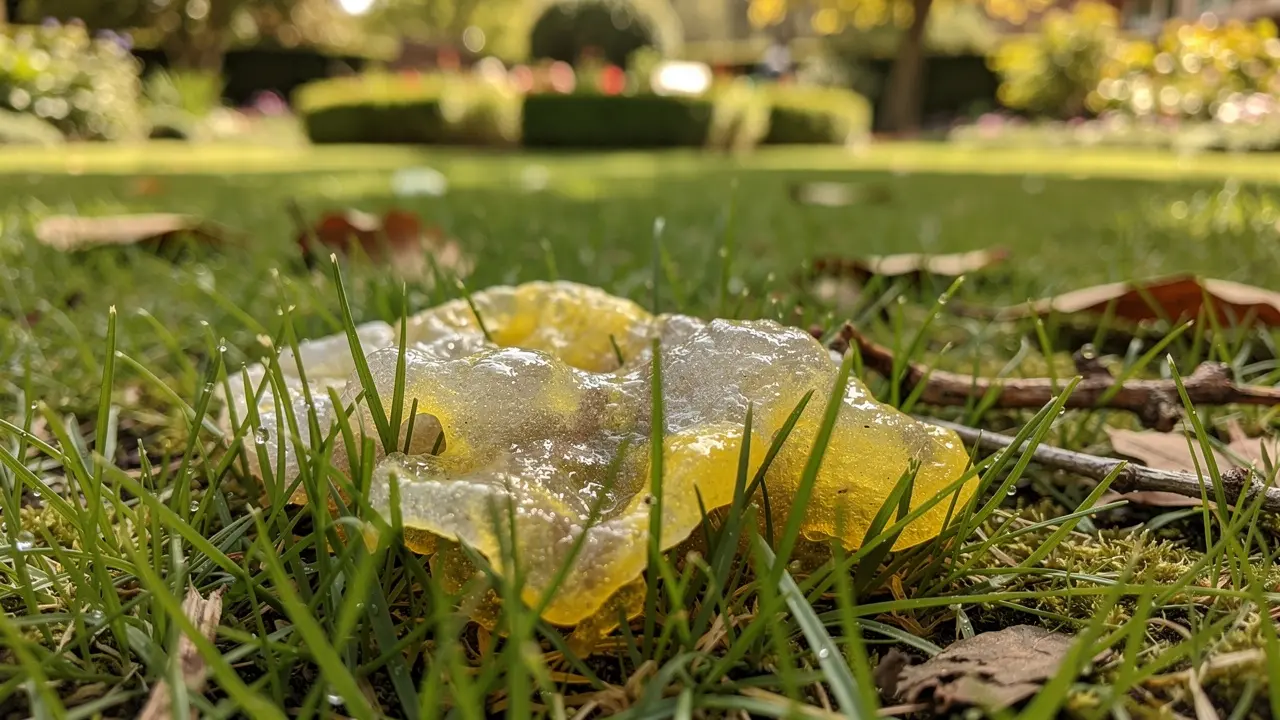
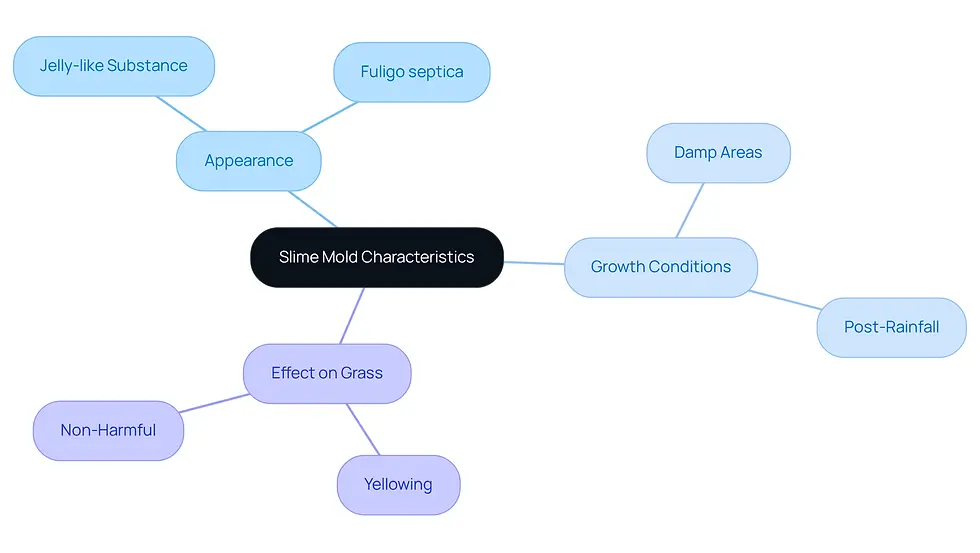
Appearance: Slime mold often resembles a jelly-like substance or a powdery coating on grass blades. A notable type is Fuligo septica, commonly referred to as 'dog vomit' fungus, recognized for its distinctive color and texture.
Growth Conditions: This organism thrives in damp, shaded areas, particularly after heavy rainfall or extended periods of humidity.
Effect on Grass: While you might notice some yellowing of your grass due to shading, rest assured that this fungus won’t harm your lawn and will typically fade away as things dry out.
Understanding these traits allows you to confidently recognize slime mold on grass and distinguish it from other yard issues, like fungal infections or pest infestations. With over 900 species of slime mold recorded worldwide, including those in southern Minnesota, knowing these characteristics is essential for effective turf management.
If you’re seeing unusual spots or have concerns about your grass, don’t hesitate to reach out to Spring Touch Lawn & Pest Control for expert help. Their licensed technicians, trained in accordance with Minnesota state regulations, can assist in safeguarding your yard and preventing future damage. Plus, new customers can take advantage of their first application being free when signing up for a complete program, ensuring a vibrant, bug-free yard for you to enjoy. With the right knowledge and support, you can maintain a healthy lawn and enjoy your outdoor space without worry.
Implement Preventive Measures: Cultural Practices for Lawn Health
Many homeowners struggle with the frustration of dealing with slime mold on grass that ruins their beautiful lawns. Here are some effective practices to help you combat this issue:
Proper Watering: Water your lawn early in the morning to allow grass blades to dry throughout the day. Aim for about 1 to 1.5 inches of water weekly, as excessive moisture creates ideal conditions for slime mold on grass.
Mowing Practices: Maintain your lawn at a height of 2.5 to 3.5 inches. Taller grass can better withstand stress and decreases the likelihood of fungal growth by promoting air circulation.
Debris Management: Regularly rake up leaves and organic debris, especially in the fall, to minimize the organic matter that contributes to slime mold on grass. Keeping your yard clean helps reduce moisture retention.
Aeration: Aerate your grass area to enhance drainage and encourage healthy root development. This practice aids in minimizing compaction and promotes improved airflow, which can prevent the growth of fungal development.
Taking these steps not only protects your lawn but also brings peace of mind, knowing you’re nurturing a healthy outdoor space for your family to enjoy.

Manage Slime Mold: Effective Treatment Strategies
Seeing slime mold on grass in your lawn can be concerning, especially when you want your yard to look its best. Here are some effective strategies to help you manage it:
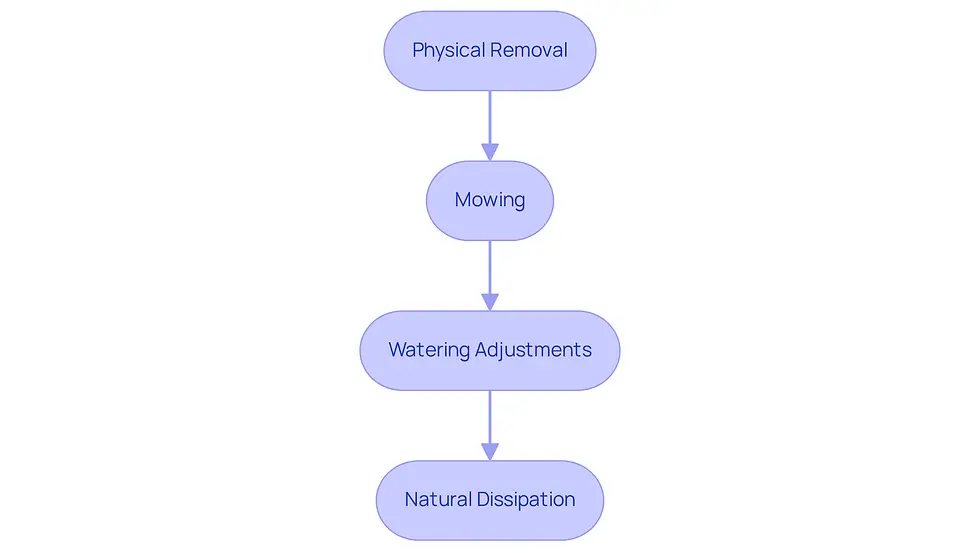
Physical Removal: Gently remove slime mold from grass blades using a broom, rake, or hose. This method is often enough to clear the fungus without harming your grass.
Mowing: Lightly mow the affected areas to disrupt the fungus's structure. This can help reduce its visibility and prevent it from spreading further.
Watering Adjustments: Temporarily decrease your watering frequency to allow the grass to dry out. This creates less favorable conditions for the fungus to thrive.
Natural Dissipation: In many cases, the organism will naturally disperse as conditions become drier. If the infestation is light, you can monitor the affected areas and let nature take its course.
By taking these steps, you can restore your lawn's beauty and ensure it remains healthy for years to come.
Maintain Lawn Health: Long-Term Care and Monitoring
Imagine stepping outside to a lush, vibrant lawn, free from the worries of slime mold on grass and other threats. Here’s how you can achieve that peace of mind.
Keep an eye on your lawn; noticing the first signs of slime mold on grass can save you from a lot of headaches later on. Early detection is crucial, as it allows for prompt action that minimizes potential damage.
Using a balanced fertilizer can make all the difference, helping your grass thrive and resist stress more effectively. A well-nourished lawn is less prone to developing issues such as slime mold on grass.
Tailoring your lawn care to the seasons not only keeps your grass healthy but also gives you peace of mind knowing you’re doing everything right. Aerate in the spring and autumn, and overseed as needed to maintain a dense, healthy turf that can better endure environmental challenges.
Regular soil tests can be your best friend, ensuring your lawn gets exactly what it needs to flourish. This information is vital for guiding your fertilization and amendment strategies, ensuring optimal growing conditions.
With these simple yet effective practices, you can enjoy a thriving lawn that not only looks beautiful but also stands strong against the challenges of nature.

Conclusion
Many homeowners feel frustrated and helpless when they discover slime mold invading their lawns, unsure of how to combat this unwelcome intruder. But understanding what slime mold is and how to prevent it can empower you to take control of your lawn's health. Caring for your lawn with the right practices can make all the difference in keeping slime mold at bay.
You can tackle slime mold head-on with simple strategies like:
Physical removal
Adjusting your watering habits
These steps not only help you deal with the problem now but also nurture your lawn for the future. Keeping an eye on your lawn and giving it the care it needs can make a world of difference.
Remember, taking care of your lawn is an ongoing journey that brings joy and satisfaction. With the right practices and support from local experts, you can create a lawn that thrives. With the right approach, you can transform your lawn into a thriving sanctuary for your family, free from the worries of slime mold.
Frequently Asked Questions
What is slime mold and how can it be identified?
Slime mold is a type of fungus that often appears as a jelly-like substance or a powdery coating on grass blades. A common type is Fuligo septica, known as 'dog vomit' fungus, which is recognized for its distinctive color and texture.
What conditions promote the growth of slime mold?
Slime mold thrives in damp, shaded areas, particularly after heavy rainfall or extended periods of humidity.
Does slime mold harm grass?
No, slime mold typically does not harm grass. While it may cause some yellowing due to shading, it usually fades away as the area dries out.
How can I distinguish slime mold from other lawn issues?
Understanding the appearance and growth conditions of slime mold can help you distinguish it from other issues like fungal infections or pest infestations. Slime mold has a unique jelly-like texture and often appears in damp areas.
What should I do if I find slime mold on my lawn?
If you notice unusual spots or have concerns about your grass, you can reach out to Spring Touch Lawn & Pest Control for expert assistance. Their licensed technicians can help safeguard your yard and prevent future damage.
Are there any promotions for new customers at Spring Touch Lawn & Pest Control?
Yes, new customers can take advantage of a free first application when signing up for a complete program with Spring Touch Lawn & Pest Control.
List of Sources
Understand Slime Mold: Identification and Characteristics
Slime Molds: No Brains, No Feet, No Problem (https://pbs.org/newshour/science/the-sublime-slime-mold)
The Story Behind Slime Mold (https://wta.org/news/signpost/the-story-behind-slime-mold)
Backyard Nature: Slime mold brings people together | (https://foresthillsconnection.com/news/backyard-nature-slime-mold-brings-people-together)
Implement Preventive Measures: Cultural Practices for Lawn Health
What is Slime Mold, and Does it Hurt Grass? (https://lawnstarter.com/blog/lawn-care-2/slime-mold)
Slime Molds on Home Lawns - Alabama Cooperative Extension System (https://aces.edu/blog/topics/lawn-garden/slime-molds-on-home-lawns)
Turfgrass Diseases: Slime Molds (https://extension.psu.edu/turfgrass-diseases-slime-molds)
Slime molds popping up on irrigated lawns | CAES Field Report (https://fieldreport.caes.uga.edu/news/slime-molds-popping-up-on-irrigated-lawns)
Slime Mold · Green Image Lawn Care (https://greenimagelawncare.com/library/lawn-diseases/slime-mold)
Manage Slime Mold: Effective Treatment Strategies
Slime Mold Outbreak (Hint: Don't Panic!) - Turf Pathology | NC State Extension (https://turfpathology.ces.ncsu.edu/news/slime-mold-outbreak-hint-dont-panic)
Slime Mold Solutions for Your Garden – Mother Earth Gardener (https://motherearthgardener.com/organic-gardening/slime-mold-solutions-for-garden-zm0z18fzsphe)
Slime Molds (https://lsuagcenter.com/topics/lawn_garden/commercial_horticulture/turfgrass/turfgrass-diseases/slime-molds)
What is Slime Mold, and Does it Hurt Grass? (https://lawnstarter.com/blog/lawn-care-2/slime-mold)
Maintain Lawn Health: Long-Term Care and Monitoring
Slime molds popping up on irrigated lawns | CAES Field Report (https://fieldreport.caes.uga.edu/news/slime-molds-popping-up-on-irrigated-lawns)
Lawn Diseases: Prevention and Management / Home and Landscape / UC Statewide IPM Program (UC IPM) (https://ipm.ucanr.edu/home-and-landscape/lawn-diseases-prevention-and-management)
Lawn Diseases: Treatment Options & Prevention Tips (https://luvalawn.com/decoding-lawn-diseases-treatment-options-prevention-tips)
Slime mold looks ugly in the garden but does no harm | Newsroom (https://news.oregonstate.edu/news/slime-mold-looks-ugly-garden-does-no-harm)
Slime Mold Outbreak (Hint: Don't Panic!) - Turf Pathology | NC State Extension (https://turfpathology.ces.ncsu.edu/news/slime-mold-outbreak-hint-dont-panic)