.png)

Choose the Right Fertilizer for Lawns: A Step-by-Step Guide
- Spring Touch Team

- Apr 10
- 8 min read
Updated: 13 hours ago
Introduction
Choosing the right fertilizer for your lawn can feel overwhelming. With so many options and the specific needs of different grass types, it’s easy to get lost in the details. This guide aims to ease your worries by outlining the essential steps:
Soil testing
Understanding nutrient ratios
So you can make informed decisions that promote healthy growth. But with countless choices and potential pitfalls, how can you confidently select a fertilizer that not only nourishes your grass but also meets local regulations and environmental standards? Rest assured, we’re here to help you navigate this journey.
Test Your Soil for Nutrient Needs
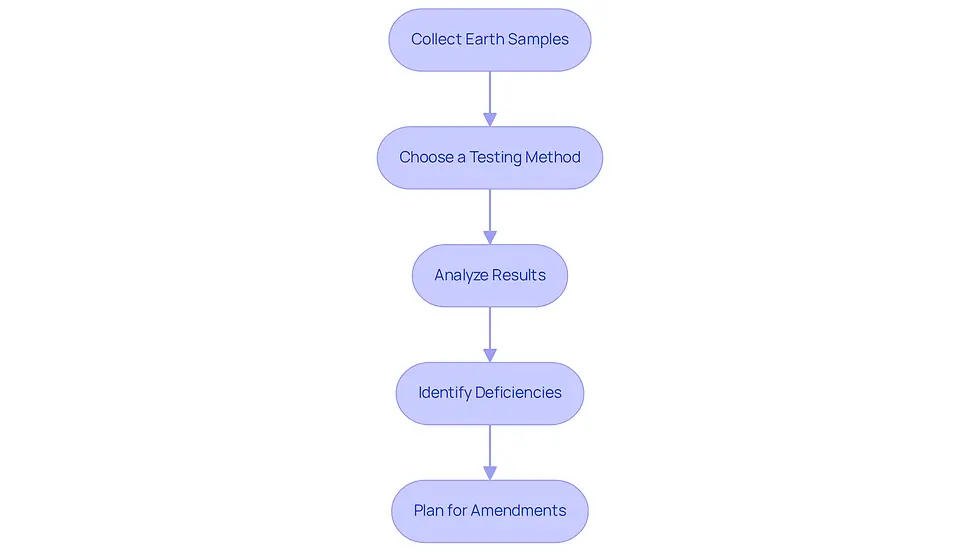
Collect Earth Samples: Start by using a clean trowel to gather soil from various spots in your yard, digging about 4-6 inches deep. Combine these samples in a clean bucket to create a composite sample. This way, you’ll ensure a thorough analysis of your yard's health, giving you peace of mind about what’s going on beneath the surface.
Choose a Testing Method: You have options here. You can send your composite sample to a local extension service for a detailed analysis, or you might prefer a DIY soil test kit from your local garden center. These kits can provide immediate insights into your soil's condition, helping you feel more in control of your yard's health.
Analyze Results: Once you have your results, focus on key indicators like pH level, nitrogen (N), phosphorus (P), and potassium (K) content. Most grasses thrive in a pH range of 6.0 to 7.0, which is crucial for ensuring that your grass has access to the nutrients it needs.
Identify Deficiencies: With the results in hand, take a moment to assess which nutrients might be lacking. For instance, if nitrogen levels are low, consider using a nutrient-rich option high in nitrogen. This can help promote lush growth and vibrant color in your grass, giving you the beautiful lawn.
Plan for Amendments: If your soil analysis reveals deficiencies, it’s time to plan for amendments. Think about enhancing your soil with organic material or specific nutrients to address these issues before applying any plant food. Regular testing, ideally every 3-5 years, can help you avoid uncertainty and ensure your grass receives the nourishment it needs for robust growth.
Understand Nutrient Ratios for Fertilizers
Understanding the N-P-K Ratio: When it comes to fertilizers, those three numbers on the label (like 10-10-10) tell you a lot. They represent the percentage of nitrogen (N), phosphorus (P), and potassium (K). Each plays a vital role: nitrogen encourages lush leaf growth, phosphorus nurtures strong roots, and potassium boosts overall plant health. With 'Spring Touch's organic-based soil enhancer, enriched with bio-solids, you’re not just restoring nutrients; you’re also using fertilizer for lawns to take a proactive step in preventing crabgrass from invading during the hot summer months.
Aligning Ratios with Grass Needs: It’s essential to choose a nutrient blend that addresses your grass's specific deficiencies, especially after a soil test. If nitrogen is lacking, for instance, look for a fertilizer with a higher first number to stimulate growth. Just a heads-up: in Minnesota, using phosphorus on grass is illegal in many situations, so be sure to follow local regulations.
Recognizing Grass Types: Different grass varieties have their own unique needs. For example, cool-season grasses often require more nitrogen in the spring, while warm-season grasses flourish with higher potassium levels in the summer. Understanding these differences can guide you in selecting the right fertilizer for lawns to nourish your lawn.
Evaluating Release Rates: Fertilizers come in two forms: quick-release and slow-release. Quick-release nutrients provide immediate benefits, which can sometimes lead to rapid growth and potential burn. On the other hand, slow-release options offer a steady supply of nutrients over time, promoting healthier growth. Typically, you might apply around 4.5 pounds per 1,000 square feet, depending on the product. Plus, Spring Touch's second application targets dandelions and broadleaf weeds while incorporating grub control to effectively manage infestations.
Carefully Reading Labels: Always take a moment to examine the product label for application rates and specific instructions. To help you remember the functions of these essential elements, consider the mnemonic 'Up, down, all around' - where nitrogen supports foliage growth (UP), phosphorus aids root development (DOWN), and potassium enhances overall plant health (ALL AROUND). This can be a helpful reminder as you work towards a thriving lawn.

Choose the Right Fertilizer for Your Lawn
Identifying types of nutrients, such as fertilizer for lawns, can feel overwhelming. You might wonder whether to go organic or synthetic. Organic options, like compost or manure, gradually enhance soil health, while synthetic additives offer quick results. Spring Touch presents an organic-based soil enhancer that combines bio-solids with a crabgrass inhibitor. This not only replenishes essential elements but also prevents crabgrass from taking over your lawn during the summer. On the other hand, synthetic compounds deliver instant nutrients, making them a go-to for those seeking rapid outcomes.
Choose According to Test Results: Your soil test results are your best guide in selecting the right nutrients. If you find that nitrogen levels are low, opt for a fertilizer for lawns that has a higher nitrogen content, such as a 24-0-6 formulation. It’s crucial that the N-P-K ratio on the packaging aligns with your soil test recommendations. This helps avoid excess phosphorus, which is often restricted in Minnesota unless a soil test shows a deficiency.
Consider application timing, as the timing of your fertilizer for lawns is key to achieving the best results. For cool-season grasses, early spring (March-April) and fall are ideal for nutrient application to support growth and recovery. Spring Touch’s first application is designed for this timing, focusing on organic-based nutrients as a fertilizer for lawns to prepare your grass for the season ahead. Warm-season grasses thrive with applications from late spring through early fall. Most soil nutrients are absorbed within two days, so timely applications are essential for optimal results. The second application from Spring Touch targets dandelions and broadleaf weeds while also including grub control, ensuring your lawn receives comprehensive care.
Follow Application Instructions: It’s important to stick to the recommended application rates on the nutrient label. Over-fertilizing can lead to nutrient burn, causing your grass to turn yellow or brown, and it can harm the environment. To maintain turf health, it is recommended to use fertilizer for lawns with proper spacing of applications, typically 4 to 7 times a year, spaced about 6-8 weeks apart. Additionally, irrigating your grass thoroughly a day or two before applying nutrients can enhance absorption.
Monitor Grass Health: After fertilization, keep a close eye on how your grass responds. If you notice uneven growth or discoloration, it may be time to reassess your fertilizer choice or application method. Regularly monitoring growth rates and overall plant health will provide you with valuable insights for ongoing garden care.

Access Expert Help and Resources
Consult Local Extension Services: If you're feeling uncertain about your soil's health, reaching out to your local agricultural extension office can be a great first step. They offer soil testing services and personalized advice tailored to your region's unique conditions, helping you feel more confident in your yard care decisions.
Utilize Online Resources: The internet can be a treasure trove of information. Websites like the University of Minnesota Extension provide valuable insights into yard care, including best practices and guidelines for fertilizer for lawns. This knowledge can empower you to make informed choices for your garden.
Join Local Yard Care Groups: Sometimes, the best support comes from those who share your interests. Engaging with community forums or social media groups focused on yard care can connect you with others who have faced similar challenges. These platforms offer peer support, tips, and shared experiences that can reassure you on your journey.
Employ a Grass Maintenance Expert: If you're feeling overwhelmed by the thought of selecting or applying nutrients correctly, consider hiring a local grass care service like Spring Touch. Their expertise ensures your garden receives the best care, especially when tackling issues like turf diseases and grub infestations. With customized organic spring turf care applications, including fertilizer for lawns and effective weed control solutions, you can rest easy knowing your lawn is in good hands.
Attend Workshops or Seminars: Look for local workshops or seminars on lawn care. These events often provide hands-on learning experiences and the chance to ask questions from experts. Engaging in these opportunities can deepen your understanding and boost your confidence in managing your yard.
Conclusion
Choosing the right fertilizer for your lawn can feel overwhelming, especially when you want to achieve that lush, vibrant yard that thrives through every season. It’s easy to worry about whether you’re doing enough for your grass. But by understanding your soil’s nutrient needs and selecting the right fertilizer, you can create an environment where your lawn can truly flourish.
So, what’s the first step? Testing your soil is crucial. It helps you identify any nutrient deficiencies that might be holding your grass back. Once you know what your soil needs, you can look at the N-P-K ratio in fertilizers, which tells you the balance of nitrogen, phosphorus, and potassium. You’ll also want to consider whether organic or synthetic options are best for your situation. Timing your applications and following guidelines can make all the difference in maximizing the benefits of fertilization.
Don’t hesitate to reach out to local extension services or explore online resources. They can provide valuable insights that enhance your lawn care knowledge and practices. Remember, nurturing a healthy lawn is a journey that requires a proactive approach and informed choices.
Whether you decide to seek expert help or take on DIY methods, the effort you invest in understanding soil health and nutrient management will pay off. You’ll be rewarded with a beautiful, thriving lawn that reflects your dedication and care. Embrace this journey of lawn care, and take those necessary steps today to cultivate a landscape that brings you joy and satisfaction.
Frequently Asked Questions
How do I collect soil samples for testing?
Use a clean trowel to gather soil from various spots in your yard, digging about 4-6 inches deep. Combine these samples in a clean bucket to create a composite sample for thorough analysis.
What are the options for testing my soil?
You can either send your composite sample to a local extension service for a detailed analysis or use a DIY soil test kit from a local garden center for immediate insights into your soil's condition.
What key indicators should I focus on when analyzing soil test results?
Focus on key indicators such as pH level, nitrogen (N), phosphorus (P), and potassium (K) content. Most grasses thrive in a pH range of 6.0 to 7.0 for optimal nutrient access.
How can I identify nutrient deficiencies in my soil?
Assess your test results to determine which nutrients might be lacking. For example, if nitrogen levels are low, consider using a nutrient-rich option high in nitrogen to promote lush growth and vibrant color in your grass.
What should I do if my soil analysis reveals deficiencies?
Plan for amendments by enhancing your soil with organic material or specific nutrients to address the deficiencies before applying any plant food. Regular testing every 3-5 years is recommended to ensure your grass receives the necessary nourishment for robust growth.
List of Sources
Test Your Soil for Nutrient Needs
soiltest.tfi.org (https://soiltest.tfi.org/about/Key_Findings_2020)
Soil Test Results Offer ‘News You Can Use’ Beyond pH (https://agweb.com/news/crops/crop-production/soil-test-results-offer-news-you-can-use-beyond-ph)
nrcs.usda.gov (https://nrcs.usda.gov/conservation-basics/natural-resource-concerns/soil/soil-quotations)
extension.purdue.edu (https://extension.purdue.edu/news/county/whitley/2022/09/soil-tests-take-guesswork-out-of-fertilization.html)
soiltest.cfans.umn.edu (https://soiltest.cfans.umn.edu/soil-test-results-lawn-garden)
Understand Nutrient Ratios for Fertilizers
terafon.com (https://terafon.com/what-are-some-common-npk-ratios)
What is the right fertilizer for your lawn and garden? (https://extension.umn.edu/managing-soil-and-nutrients/what-right-fertilizer-your-lawn-and-garden)
gardenbetty.com (https://gardenbetty.com/npk-fertilizer)
laneforest.com (https://laneforest.com/understanding-npk-ratio)
blogs.ifas.ufl.edu (https://blogs.ifas.ufl.edu/levyco/2023/02/14/a-case-study-in-reducing-nutrient-inputs-without-reducing-grain-corn-yield)
Choose the Right Fertilizer for Your Lawn
What is the right fertilizer for your lawn and garden? (https://extension.umn.edu/managing-soil-and-nutrients/what-right-fertilizer-your-lawn-and-garden)
What is the Best Lawn Fertilization Schedule: Timing & Tips Guide (https://lionscapelawn.com/what-is-the-best-lawn-fertilization-schedule)
Minnesota Homeowner’s Guide to Lawn Fertilization | Rainbow Lawncare (https://rainbowlawncare.com/fertilization-homeowners-guide)
vance.ces.ncsu.edu (https://vance.ces.ncsu.edu/lawn-garden-resources/fertilizer-guide-for-lawns-gardens-and-landscapes)
Access Expert Help and Resources
whatlawnmowershouldibuy.com (https://whatlawnmowershouldibuy.com/lawn-care-spending-statistics)
order.siterecon.ai (https://order.siterecon.ai/blog/lawn-care-industry-statistics-and-trends-for-2025)
lawnstarter.com (https://lawnstarter.com/blog/statistics/lawn-care-and-landscaping-industry-statistics)
landscapeprofessionals.org (https://landscapeprofessionals.org/LP/lp/media/2017-press-releases/harris-survey.aspx)
investor.spectrumbrands.com (https://investor.spectrumbrands.com/news-releases/news-release-details/new-lawn-care-survey-shows-americans-arent-entirely-sure-how)