.png)

Master Lawn Mold: Proven Strategies for Homeowners to Prevent and Treat
- Spring Touch Team

- 4 hours ago
- 8 min read
Introduction
Homeowners in southern Minnesota often feel overwhelmed by the challenges of maintaining their lawns, especially when mold appears during transitional seasons. This article delves into proven strategies for preventing and treating lawn mold, offering valuable insights that can help maintain a vibrant and healthy lawn.
But there are effective ways to combat this issue and restore your lawn's health. Understanding the types of mold, effective prevention techniques, and treatment options is crucial for homeowners looking to reclaim their outdoor space and enjoy a healthy lawn once again.
Identify Common Types of Lawn Mold
Homeowners in southern Minnesota often face the challenge of lawn mold, especially during transitional seasons, which leaves them concerned about the health of their grass. The most common types include:
Snow Mold: This mold typically emerges in late winter or early spring, characterized by circular patches of matted grass. It can be either gray (Typhula spp.) or pink (Microdochium nivale), thriving under snow cover, especially in areas where the grass is long and dense. To keep your lawn healthy, try regular raking and make sure to maintain the right height before winter. Lightly fluffing the area with a stiff broom can also improve airflow. Core aeration is another great option, as it alleviates soil compaction, allowing for better air circulation and moisture retention, which helps prevent the conditions that lead to lawn mold.
Dollar Spot: This fungal disease manifests as small, circular patches of bleached grass, often resembling the size of a silver dollar. It’s more common during warm, humid conditions, especially in grass areas that haven’t been sufficiently fertilized. To combat dollar spot, ensure proper fertilization, avoid underfeeding, and consider bagging clippings during outbreaks to prevent further spread. Core aeration enhances soil health, promoting deeper root growth and improving the turf's resilience against such diseases.
Brown Patch: Another prevalent grass disease, brown patch appears as irregular areas of brown grass, often worsened by high humidity and excessive nitrogen fertilization. Preventative measures include allowing the grass to dry out between watering sessions and maintaining good air circulation through timely mowing. Implementing core aeration techniques supports turf health by creating a natural seedbed and improving moisture retention, ultimately reducing the likelihood of brown patch.
When you spot these fungi early and incorporate core aeration into your yard care routine, you can effectively reduce the impact of lawn mold on grass health. With the right approach, you can reclaim your lawn's beauty and enjoy a thriving outdoor space that brings you peace of mind.

Implement Effective Prevention Strategies
Dealing with lawn mold can be disheartening, but there are effective ways to protect your yard and restore its beauty from lawn mold.
Proper Mowing: Keep your grass at an optimal height of around 3 inches. This encourages healthy growth and minimizes the risk of lawn mold development. Avoid cutting your grass too short before winter; longer grass can trap moisture, creating a favorable environment for fungi.
Aeration: Regularly aerating your lawn is essential for improving soil drainage and reducing compaction. This practice enhances air circulation, which is crucial in preventing conditions that promote fungal growth.
Watering Practices: Water your lawn deeply but infrequently, aiming for about 1 inch per week. Early morning is the perfect time for watering, allowing the grass to dry during the day and reducing humidity levels that can lead to fungus.
Fertilization: Opt for a balanced fertilizer and avoid high nitrogen applications in late fall, as this can encourage snow fungus. Instead, use slow-release fertilizers that provide nutrients without promoting excessive growth.
Debris Management: Make it a habit to gently clear away fallen leaves and organic waste, as this simple act can help keep your lawn healthy and mold-free.
With these strategies in place, you can enjoy a thriving lawn that brings joy and peace of mind, free from the worry of lawn mold.

Apply Proven Treatment Methods
When grass fungus strikes, it can quickly turn your vibrant lawn into a patchy mess, leaving you feeling frustrated and helpless. Swift intervention is crucial to restore your lawn's health.
For severe cases of lawn mold, applying a fungicide specifically designed for lawn diseases can be effective. Products like Scotts® DiseaseEX™ and Syngenta Heritage G Fungicide are recommended for their broad-spectrum effectiveness against common molds, including lawn mold, snow mold, and dollar spot. Be sure to follow the manufacturer's instructions closely. This way, you can expect to see results in just 7 to 14 days. If the infection is severe, multiple treatments may be necessary, spaced 14-21 days apart, to ensure complete control. Remember to wait 10-14 days after applying fungicide before fertilizing your grass to avoid interfering with the treatment.
Homeowners may also consider natural treatments, such as a baking soda solution - mixing 1 tablespoon of baking soda with 1 gallon of water - to spray on affected areas. Neem oil is another organic option that can effectively combat fungal infections, especially in smaller outbreaks.
Gently raking the affected areas helps remove matted vegetation and improve air circulation, which is vital for recovery. Aerating the yard afterward can further enhance recovery by allowing moisture to evaporate and encouraging healthy plant growth, decreasing the chances of future fungus problems.
After treatment, it's important to adjust your watering schedule to ensure the lawn dries out adequately. Watering thoroughly but rarely, preferably in the morning, helps keep grass blades dry and reduces the risk of fungal growth. Steering clear of overwatering is essential, as excess moisture can worsen issues with lawn mold. Additionally, cleaning gardening tools with a mixture of water and bleach can help prevent the spread of fungal spores.
If you ignore grass fungus, your lawn could quickly turn into a patchy mess, impacting your home's curb appeal and your enjoyment of outdoor spaces. By taking these steps, you can not only combat grass fungus but also nurture a thriving lawn that enhances your outdoor experience.

Maintain Long-Term Lawn Health
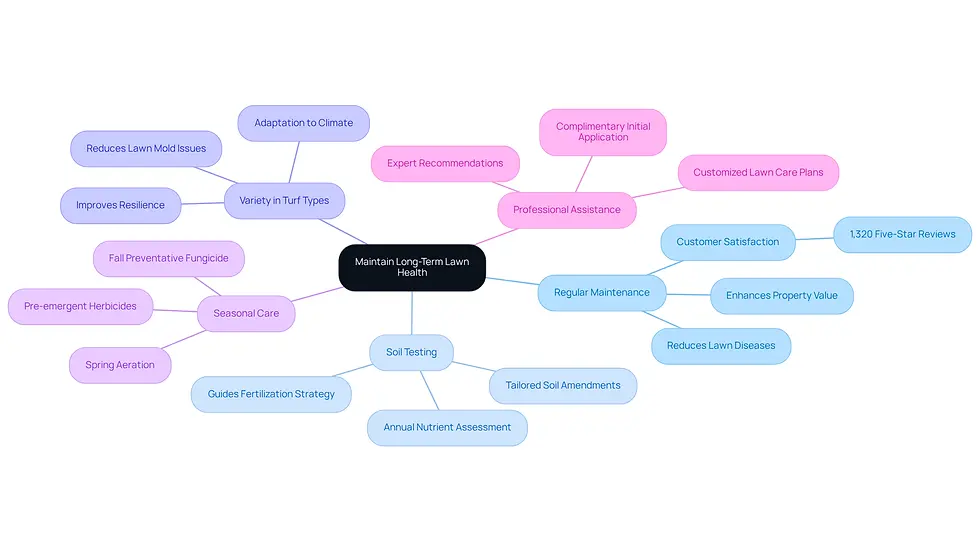
Many homeowners struggle to maintain a lush, healthy lawn amidst various challenges. To ensure the long-term health and resilience of your lawn, consider implementing the following practices:
Regular Maintenance: Regular maintenance is key to a healthy lawn. It helps keep your grass vibrant and reduces the risk of lawn mold as well as diseases. A well-kept yard can greatly enhance property worth, with research showing that homeowners can recover their expenditure in garden care within 1 to 2 years. We’re proud to have earned over 1,320 five-star reviews from satisfied customers at Spring Touch Lawn & Pest Control, showcasing our commitment to delivering beautiful lawns effortlessly.
Soil Testing: Conduct soil tests annually to assess nutrient levels and pH balance. This information is vital for guiding your fertilization strategy and making informed decisions about necessary soil amendments. Regular testing helps ensure the health and vitality of your lawn, allowing for tailored care that meets specific needs. Our licensed technicians at Spring Touch can provide expert recommendations based on your soil's unique conditions.
Variety in Turf Types: Consider planting a mix of species that thrive in southern Minnesota's climate. Median statewide soil phosphorus levels for yards and gardens from 1988 to 2021 were 68 ppm (Bray), emphasizing the significance of comprehending soil conditions when choosing types of turf. Varied grass varieties can improve turf resilience and decrease the chances of extensive lawn mold issues.
Seasonal Care: Modify your grass care practices according to the seasons. For instance, applying a fall preventative fungicide can protect against snow mold, while proper aeration in the spring promotes recovery from winter stress and helps prevent lawn mold. Implementing seasonal strategies, such as applying pre-emergent herbicides at specific times, is essential for maintaining a vibrant yard year-round. Spring Touch provides seasonal treatments scheduled ideally for spring, summer, and autumn outcomes, ensuring your grass stays healthy all year long.
Professional Assistance: For homeowners seeking expert guidance, consulting with Spring Touch Lawn & Pest Control can be beneficial. As Eric Soles, Founder and Owner, states, "Soil health is the foundation of a flourishing yard." Their licensed technicians offer customized suggestions and services aimed at preserving your yard's health throughout the year. Additionally, new clients can enjoy their first application at no cost when registering for comprehensive yard care services.
By embracing these strategies and expert guidance, you can transform your lawn into a thriving oasis that stands resilient against the elements.
Conclusion
Caring for your lawn in southern Minnesota can feel overwhelming, especially when mold threatens its beauty. Understanding the signs of lawn mold, like snow mold or dollar spot, can help you feel more in control of your lawn's health. Simple steps like mowing at the right height and watering wisely can make a world of difference in keeping your lawn healthy and mold-free.
Remember, a little love and attention can go a long way in nurturing your lawn's health throughout the seasons. Taking the time to test your soil and choose the right grass can empower you to make the best choices for your lawn's unique needs. Whether you prefer natural remedies or traditional treatments, there are options that can help you tackle mold while keeping your lawn thriving.
Your journey to a vibrant lawn is about learning, caring, and finding joy in the process. By nurturing your lawn today, you’re not just protecting your investment; you’re creating a space that brings you joy and peace for years to come.
Frequently Asked Questions
What are the common types of lawn mold homeowners in southern Minnesota face?
The common types of lawn mold include Snow Mold, Dollar Spot, and Brown Patch.
What is Snow Mold and when does it typically appear?
Snow Mold emerges in late winter or early spring, characterized by circular patches of matted grass. It can be gray or pink and thrives under snow cover.
How can homeowners prevent Snow Mold?
Homeowners can prevent Snow Mold by regularly raking, maintaining the right grass height before winter, lightly fluffing the area with a stiff broom for better airflow, and using core aeration to alleviate soil compaction.
What does Dollar Spot look like and what conditions favor its growth?
Dollar Spot appears as small, circular patches of bleached grass, resembling the size of a silver dollar. It is more common during warm, humid conditions, especially in under-fertilized grass areas.
How can Dollar Spot be managed?
To manage Dollar Spot, ensure proper fertilization, avoid underfeeding, and consider bagging clippings during outbreaks. Core aeration can also enhance soil health and promote deeper root growth.
What are the characteristics of Brown Patch?
Brown Patch appears as irregular areas of brown grass and is worsened by high humidity and excessive nitrogen fertilization.
What preventative measures can be taken against Brown Patch?
Preventative measures include allowing the grass to dry out between watering sessions and maintaining good air circulation through timely mowing. Core aeration can also support turf health.
How can core aeration benefit lawn health?
Core aeration improves air circulation, moisture retention, and creates a natural seedbed, which helps reduce the likelihood of lawn mold and supports overall turf health.
List of Sources
Identify Common Types of Lawn Mold
Lawn Issue Types: Snow Mold, Brown Patch, Dollar Spot | Olympus Landscaping (https://olympuslandscaping.com/lawn-issue-types-snow-mold-brown-patch-dollar-spot)
Common Turf Diseases (https://fertilawnmn.com/turf-diseases)
What's wrong with my plant? : Garden : University of Minnesota Extension (https://apps.extension.umn.edu/garden/diagnose/plant/turf/circular.html)
Common Lawn Diseases in Western Wisconsin and Eastern Minnesota: How to Identify and Prevent Them (https://greenoasis.co/news/how-to-prevent-common-lawn-diseases-in-western-wi-and-eastern-mn)
Common Lawn Diseases in Minnesota: A ProLawns Guide - ProLawns (https://prolawnsmn.com/news/common-lawn-diseases-in-minnesota-a-prolawns-guide)
Implement Effective Prevention Strategies
Mowing practices for healthy lawns (https://extension.umn.edu/lawns-and-landscapes-minnesota/mowing-practices-healthy-lawns)
Snow Mold Minnesota Lawn: Prevent Winter Diseases Effectively (https://peterdoranlawn.com/how-to-prevent-snow-mold-and-other-winter-lawn-diseases-in-minnesota)
How to Prevent & Treat Snow Mold in Your Lawn (https://groundfxmn.com/blog/how-to-prevent-treat-snow-mold-in-your-lawn)
How to Manage Winter Lawn Diseases in Minnesota: Tips and Solutions (https://benslawnandlandscape.com/blog/how-to-manage-winter-lawn-diseases-in-minnesota-tips-and-solutions)
Common Lawn Diseases in Western Wisconsin and Eastern Minnesota: How to Identify and Prevent Them (https://greenoasis.co/news/how-to-prevent-common-lawn-diseases-in-western-wi-and-eastern-mn)
Apply Proven Treatment Methods
Fungus Control Guide for Lawns | TruGreen (https://trugreen.com/lawn-care-101/lawn-care-guides/complete-lawn-fungus-guide)
Common Lawn Fungus Diseases and How to Treat Them (https://kappslawn.com/common-lawn-fungus-diseases-and-how-to-treat-them)
After Researching Dozens of Popular Lawn Fungicides, We Found the Best (https://bobvila.com/articles/best-lawn-fungicides)
How to Prevent and Treat Lawn Diseases | ScottsMiracle-Gro US (https://scottsmiraclegro.com/en-us/learn/lawn-care/how-to-prevent-lawn-grass-diseases.html)
The Best Fungicides to Use on Your Lawn (https://golfcourselawn.store/blogs/diy-lawn-care/most-effective-fungicides-to-use-on-your-lawn?srsltid=AfmBOoo8GHMjMxloIbaTS9dwcVsRXg7fVNn3orgkenM0iWhIWUjIDR7F)
Maintain Long-Term Lawn Health
How often should I test my soil? (https://soilkit.zendesk.com/hc/en-us/articles/28496534281485-How-often-should-I-test-my-soil)
Create Your Ultimate Lawn Care Plan: Tips for Every Season (https://us.mammotion.com/blogs/news/lawn-care-plan?srsltid=AfmBOoo_P3tOKA6pnQ0-A17zviYzXYH6cgdT0WwdXVns3yTnXyYISncM)
Soil testing for lawns and gardens (https://extension.umn.edu/managing-soil-and-nutrients/soil-testing-lawns-and-gardens)
How To Maintain a Lawn: Seasonal Lawn Care Guide (https://itmlandscape.com/blog/guide-to-year-round-lawn-maintenance-best-practices-for-a-healthy-lawn)
Why Homeowners Choose Professional Lawn Care Services for Their Yards (https://springtouchlawn.com/post/why-homeowners-choose-professional-lawn-care-services-for-their-yards)


