.png)
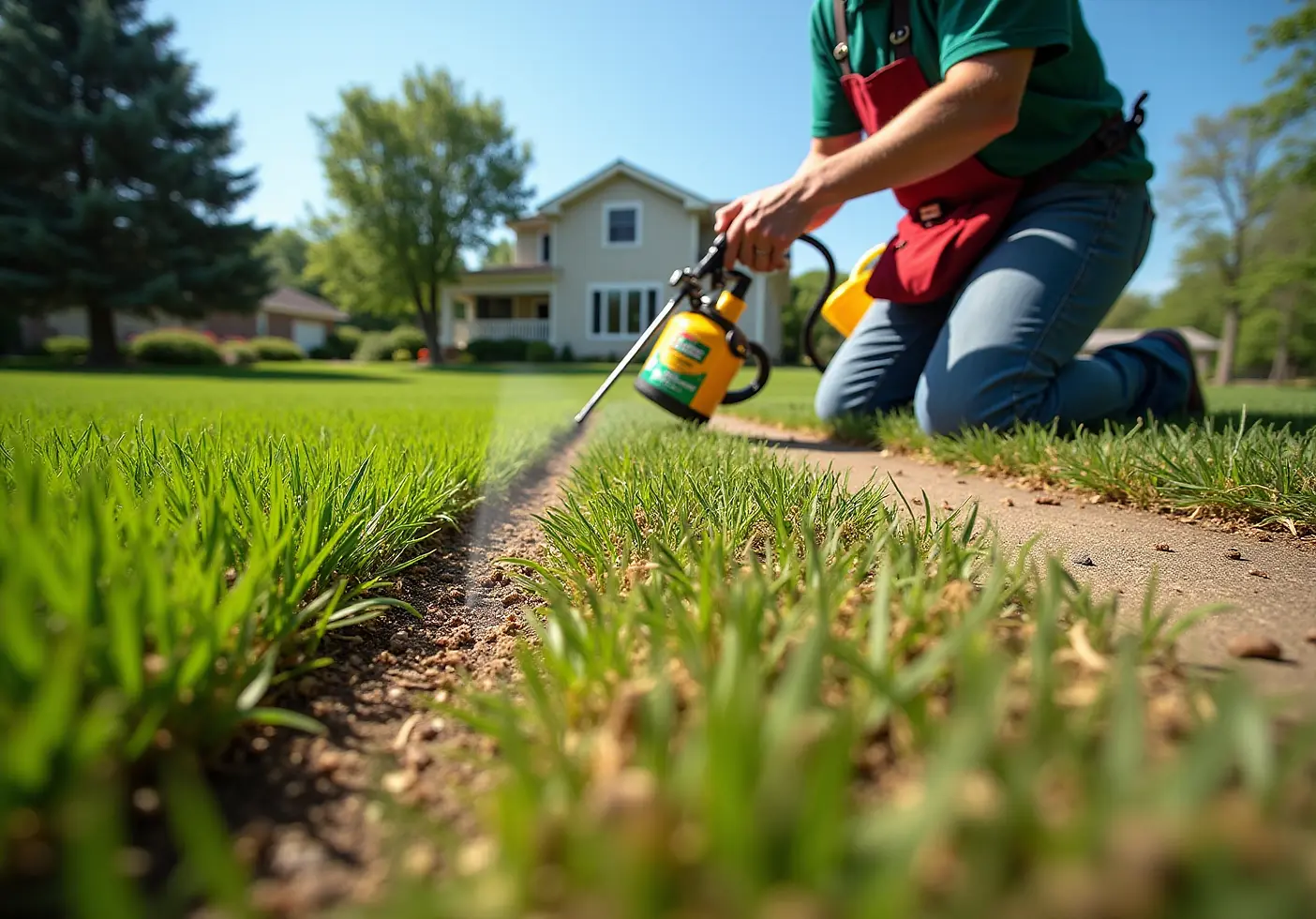
Master Liquid Grub Killer: Essential Tips for Lawn Care Success
- Spring Touch Team

- Apr 30
- 7 min read
Updated: 2 days ago
Introduction
Homeowners in Southern Minnesota often find themselves facing the frustrating challenge of grubs, which can turn their lush lawns into unsightly patches of brown and dead grass. These pests can wreak havoc, leaving behind a landscape that feels more like a burden than a joy.
But understanding how to effectively combat these pests is essential for restoring lawn health and beauty. By recognizing the signs of infestation and knowing when to act, you can take control of your outdoor space.
So, how can you protect your lawn from these hidden threats and keep it thriving? This article will guide you through effective strategies for utilizing liquid grub killers, offering best practices that promise not only to combat infestations but also to enhance overall lawn health.
Understand the Importance of Grub Control for Lawn Health
Grubs can silently destroy your lawn, leaving behind unsightly brown patches and dead zones that can be frustrating to deal with. In Southern Minnesota, the challenging climate can make it even harder to maintain a healthy lawn, especially when grubs are lurking beneath the surface. Many homeowners in Minnesota find themselves battling the damage caused by these pesky larvae, highlighting the need for effective management strategies that can restore their lawns.
By learning about the life cycle of grubs, which lasts about three years, you can better prepare for their peak feeding times from early summer to fall, giving you a head start in protecting your lawn. Keeping an eye out for signs of larval damage, like brown or yellow patches and spongy turf, can help you catch problems early and take action before they worsen.
Taking timely action with the right treatments can stop infestations in their tracks, allowing you to enjoy a lush and vibrant lawn all season long. With the right pest control strategies tailored to the unique conditions of Southern Minnesota, you can protect the health and beauty of your outdoor space, ensuring it remains a source of pride and enjoyment.

Apply Liquid Grub Killer Effectively: Best Practices
Have you noticed patches of your lawn turning brown or dying? Grubs might be the hidden culprit. To achieve optimal results when applying liquid grub killers, follow these best practices:
Timing: Apply pest killers in late spring to early summer, ideally between mid-April and early June. This is when larvae are actively feeding. Grubs typically hatch in late spring and start feeding on your lawn's roots from June to August.
Preparation: Mow your grass to a height of about 2-3 inches before application. This height allows the product to penetrate the soil more effectively, ensuring better absorption by the grass roots.
Irrigation: Moisture your grass gently the day before application to prompt pests to migrate nearer to the surface. After applying the liquid grub killer, water the grass again to help activate the product and enhance its effectiveness.
Equipment: Make sure to use a calibrated sprayer for even coverage across your lawn. Avoid applying on windy days to prevent drift, which can result in uneven application and reduced effectiveness.
Follow Instructions: Always adhere to the manufacturer's instructions regarding dosage and application methods. This ensures safety and maximizes the effectiveness of the procedure.
Additionally, consider integrating Spring Touch's organic-based fertilizer with bio-solids and crabgrass preventer as part of your yard care strategy. This method not only replenishes nutrients but also stops crabgrass. The second application focuses on dandelions and broadleaf weeds, including larval control. Specialists suggest observing your yard for signs of insect activity, such as thinning grass or spongy patches, to assess the necessity for treatment. By taking these proactive steps, you can protect your lawn from damage and avoid costly repairs later.

Explore the Benefits of Liquid Grub Killers Over Alternatives
Homeowners often struggle with maintaining healthy lawns due to hidden pests. Liquid pest controllers offer clear benefits compared to granular options, especially in their ability to penetrate the soil effectively, reaching larvae that are deeper down. Products like Acelepryn and Chlorantraniliprole are excellent examples of liquid formulations that you can use. This deep penetration is vital, particularly in Southern Minnesota, where grubs often hide below the surface. You’ll likely see your grass looking healthier just a few days after you apply it, making liquid formulations a popular choice for those seeking quick results.
Plus, these products can be easily combined with other treatments, such as Spring Touch's organic-based fertilizer and crabgrass prevention solutions, creating a comprehensive yard care strategy. As Steve Daly from Perma-Green highlights, "the intense heat, lack of rainfall and pests... can leave your grass depleted of the nutrients it needs to be strong and healthy."
Considering the importance of timely intervention and proactive monitoring during peak insect activity, homeowners should recognize the advantages of using liquid grub killer, along with Spring Touch's integrated pest management strategy, as a key factor to protect their outdoor spaces. This approach not only protects your lawn but also saves you from future headaches and expenses.

Maintain Lawn Health After Application: Care Tips
After using a liquid grub killer, many homeowners are concerned about their lawn's recovery and potential future pest issues. Proper grass care is essential for recovery and to prevent future infestations. Here are key strategies to maintain lawn health:
Watering: Ensure consistent watering, especially during dry spells, to promote healthy turf growth and recovery. After applying the liquid grub killer, it's important to water thoroughly. This helps activate the insecticide and pushes it into the soil where grubs feed. However, avoid excessive watering for at least 24 hours post-application.
Fertilization: A balanced fertilizer should be applied a few weeks after treatment to support grass recovery and strengthen root systems. 'Spring Touch's organic-based fertilizer, which contains bio-solids and crabgrass preventer, is a superb option for enriching your grass and stopping crabgrass from overwhelming it.
Aeration: Aerating your lawn regularly can really help with nutrient uptake and water absorption. Aerate your grass in the fall to enhance soil health and promote deeper root growth, making your turf more resilient against pests.
Monitoring: Vigilantly observe for signs of grub activity or turf stress, such as brown spots or spongy grass, and be ready to act if necessary. Ignoring early signs of grub activity can lead to extensive damage, making recovery much harder.
Regular Maintenance: Adhere to a consistent mowing schedule, avoiding cutting grass too short. Maintaining a height of 3.5 to 4 inches promotes deeper root development and helps the grass endure pest pressures and drought conditions.
By following these practices, you can nurture a thriving yard that stays strong against future pest invasions. Remember, the best time to apply grub killers in Southern Minnesota is between mid-June and early July. Additionally, consider the seasonal applications from Spring Touch, such as organic-based fertilizer in early spring and targeted weed control treatments throughout the growing season, to ensure a comprehensive lawn care strategy.
Conclusion
Imagine stepping outside to find your once-vibrant lawn now marred by unsightly patches, a result of relentless grub infestations. Grub control is essential, especially in regions like Southern Minnesota, where these pests can quickly turn a lush lawn into a patchy mess, leaving homeowners frustrated and overwhelmed. Knowing when grubs are most active can make all the difference, turning the tide in your battle against these lawn invaders. By implementing the right treatments at the right time, you can reclaim your lawn’s beauty and keep those pesky grubs at bay for good.
The article highlights essential best practices for applying liquid grub killers, including:
Optimal timing
Preparation
Post-application care
Liquid formulations are particularly effective because they penetrate the soil, reaching grubs that lurk beneath the surface. Additionally, integrating these products with organic fertilizers and other treatments creates a comprehensive approach to lawn care that fosters resilience against pests and promotes overall turf health.
Ultimately, a proactive strategy for grub management not only enhances the immediate appearance of your lawn but also contributes to its long-term vitality. By staying vigilant and adhering to best practices, homeowners can ensure their outdoor spaces remain lush and inviting. By taking these steps, you’re not just protecting your lawn; you’re investing in a beautiful outdoor space that brings joy and satisfaction for years to come.
Frequently Asked Questions
What are grubs and why are they a concern for lawns?
Grubs are larvae that can damage lawns by creating unsightly brown patches and dead zones, which can be particularly frustrating for homeowners.
How does the climate in Southern Minnesota affect lawn health regarding grubs?
The challenging climate in Southern Minnesota can make it harder to maintain a healthy lawn, especially when grubs are present beneath the surface.
What is the life cycle of grubs?
The life cycle of grubs lasts about three years, during which they can cause significant damage to lawns.
When are grubs most active and likely to cause damage?
Grubs are most active and likely to cause damage during their peak feeding times, which occur from early summer to fall.
What are the signs of larval damage caused by grubs?
Signs of larval damage include brown or yellow patches in the lawn and spongy turf.
How can homeowners take action against grub infestations?
Homeowners can take timely action with the right treatments to stop infestations, helping to maintain a lush and vibrant lawn.
What pest control strategies are effective for managing grubs in Southern Minnesota?
Effective pest control strategies should be tailored to the unique conditions of Southern Minnesota to protect the health and beauty of lawns.
List of Sources
Understand the Importance of Grub Control for Lawn Health
growritelawns.com (https://growritelawns.com/grub-control)
Understanding Grubs: Lifecycle, Treatment, and Timing (https://lawnscience.com/understanding-grubs-lifecycle-treatment-and-timing)
bioadvanced.com (https://bioadvanced.com/lawn-grubs-threat-your-grass)
Apply Liquid Grub Killer Effectively: Best Practices
thelawncarenut.com (https://thelawncarenut.com/blogs/news/may-30th-newsletter?srsltid=AfmBOorcihQEt67G8rrqnRcTSTenhlgBHao8IOZtdTWFVmtBW7TESjcF)
Master Lawn Grub Killer Techniques for a Healthy Lawn (https://springtouchlawn.com/post/master-lawn-grub-killer-techniques-for-a-healthy-lawn)
umass.edu (https://umass.edu/agriculture-food-environment/turf/fact-sheets/current-insecticide-approaches-for-white-grub-control)
lawndoctor.com (https://lawndoctor.com/blog/when-to-treat-for-grubs)
Explore the Benefits of Liquid Grub Killers Over Alternatives
Master Lawn Grub Killer Techniques for a Healthy Lawn (https://springtouchlawn.com/post/master-lawn-grub-killer-techniques-for-a-healthy-lawn)
advancedturf.com (https://advancedturf.com/resources/the-root-of-the-problem-your-guide-to-grub-control-plans-for-2024)
Grubs & Pest Control --How to Prevent last years invasion! | Perma-Green (https://perma-green.com/grubs-pest-control-dont-hire-a-lawn-service-without-reading-this)
Maintain Lawn Health After Application: Care Tips
Master Lawn Grub Killer Techniques for a Healthy Lawn (https://springtouchlawn.com/post/master-lawn-grub-killer-techniques-for-a-healthy-lawn)
mesaturfmasters.com (https://mesaturfmasters.com/blog/have-grubs-destroyed-your-lawn-heres-how-to-help-it-recover)
Grub Problems in Turf | Home Garden Education Office | College of Agriculture, Health and Natural Resources | University of Connecticut (https://homegarden.cahnr.uconn.edu/factsheets/grub-problems-in-turf)
arborlawn.com (https://arborlawn.com/blog/avoiding-5-common-mistakes-in-grub-control-application)


