.png)

Understanding Ant Killers for Your Yard: Types, Safety, and Effectiveness
- Spring Touch Team

- 3 hours ago
- 6 min read
Introduction
Ant infestations can create stress and worry for homeowners in southern Minnesota, leaving them searching for effective solutions. Understanding the various types of ant killers - ranging from chemical sprays to natural alternatives - can empower residents to tackle these unwelcome guests while ensuring the safety of their families and pets. However, with so many options available, how can you find the safest and most effective way to eliminate ants?
Defining Ant Killers: What They Are and Their Purpose
Imagine coming home to find your kitchen overrun with ants, a sight that can turn any meal into a nightmare. Dealing with an ant infestation can feel overwhelming, especially when they invade your home and disrupt your daily life. These pests can threaten your home and food, making it crucial to address them quickly. Ignoring these pests can lead to costly repairs and health risks, making it essential to act swiftly.
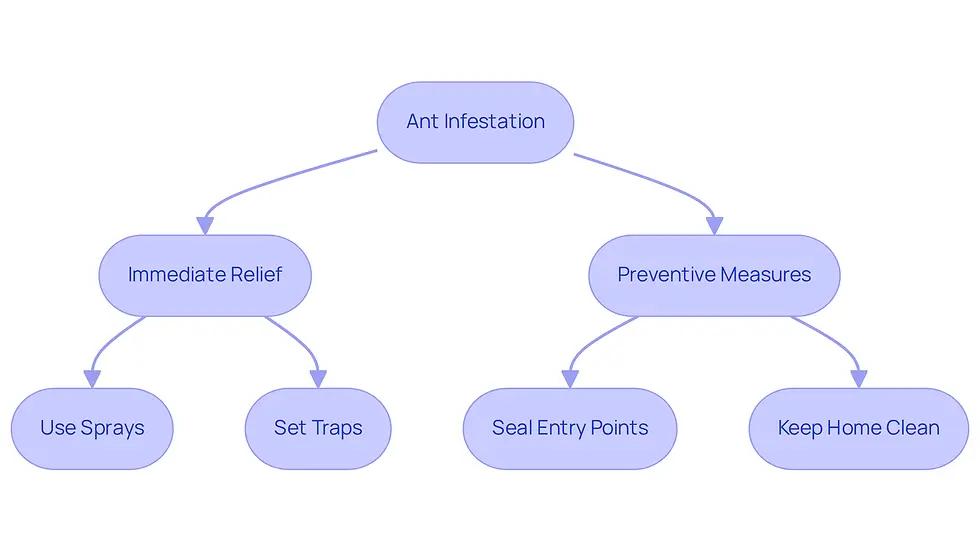
There are various options available, like lures and sprays, each tailored to tackle different types of ants and their habits. New solutions, like the Outcast Ant Bite station, provide a clean and effective way to tackle these pesky invaders. Experts agree that a mix of strategies is key to effectively managing ants in your home. Prompt relief can be achieved with sprays that eliminate insects on contact, while traps offer a more sustainable solution.
To prevent future infestations, homeowners are encouraged to:
Seal entry points
Keep their homes clean
By taking proactive steps today, you can save yourself from the stress and expense of a larger infestation tomorrow.
Types of Ant Killers: Chemical, Natural, and Bait Options
Choosing the right ant killer can feel overwhelming, especially when considering the potential risks to your family and pets. Chemical insecticides can seem like a quick fix, but they often come with hidden dangers for your family and pets. These treatments can pose serious health risks, especially for children and pets, and can harm the environment too. On the other hand, natural ant killers use safe ingredients like diatomaceous earth and essential oils, giving you peace of mind while tackling the problem. While these options may take a bit longer to work, they can be part of a long-term strategy for pest management that keeps your home safe.
Bait options cleverly attract ants with food, letting them take the poison back to their nests, which is key for long-term control. Products like Advion Ant Bait Gel and TERRO Liquid Ant Baits are recognized for their effectiveness, allowing for systematic eradication of ant colonies over time. Proper placement and monitoring of lures are essential for maximizing their effectiveness.
As we look ahead, more homeowners are turning to bait options that are not only effective but also safer for their families and the environment. Implementing preventative measures such as maintaining cleanliness, sealing entry points, and conducting regular inspections can significantly reduce the chances of ant infestations. Ultimately, making an informed choice can protect your loved ones while effectively managing those pesky ants.

Evaluating Effectiveness: How to Choose the Right Ant Killer for Your Yard
Dealing with an ant problem can feel daunting, but knowing how to choose the right solution can make all the difference. First, it’s important to figure out which type of ant is causing the trouble, as different species respond better to certain solutions. For instance, fire ants need specific treatments, while sugar ants can be effectively managed with regular traps. Looking at what’s in the products and how they work is key; for example, lures might take a bit longer to show results, but they can help eliminate entire colonies by allowing forager ants to bring the toxin back home. Products with active ingredients like indoxacarb have been shown to effectively reduce ant activity in most cases within just nine days, which is quite impressive!
Next, think about how you’ll apply the product, whether it’s a spray, granule, or bait, and how it will work best as an ant killer for yard. Granular substances can be useful when applied directly on ant hills, while liquid lures offer moisture and take advantage of ants' natural feeding behaviors, improving their efficiency. Outdoor ant bait systems are particularly recommended as an effective ant killer for yard use, as they target entire colonies and reach deep underground chambers.
Expert recommendations suggest that using a combination of baiting strategies can improve overall management of ant infestations. Reading evaluations and seeking suggestions from pest control experts can offer valuable perspectives on the efficiency of different items. For example, Terro Liquid Ant Baits, priced at $10 for a pack of 12 on Amazon and $13 at Walmart, are widely recommended for their ease of use and effectiveness against a range of indoor ant species.
Just be mindful of where you place the bait stations to keep everything tidy and effective. As Stewart Clark, Director of Research for Terro, emphasizes, "You don’t want to kill these ants; you want to put them to work for you." With the right approach, you can tackle the ant issue effectively while keeping your home safe for everyone.

Safety Considerations: Using Ant Killers Around Families and Pets
When it comes to keeping your home safe from ants, the choices you make can feel overwhelming, especially if you have children and pets around. Many chemical ant killers can pose risks if ingested or improperly applied, which is a genuine concern for families. It's important to read labels carefully to ensure you're using products safely, following instructions for application.
Natural alternatives, like diatomaceous earth, boric acid, and vinegar as a homemade ant spray, often provide safer options. However, caution is still necessary. It’s wise to keep treated areas restricted until substances have dried or settled, as insecticides can be most dangerous to pets while wet, but the risk reduces once they’ve dried.
Consider using bait stations designed to minimize exposure to non-target species. Keeping receipts and product information handy in case of accidental ingestion by pets is also crucial. By taking these precautions, you can confidently tackle ant infestations while ensuring the safety of your family and pets.

Conclusion
Dealing with an ant infestation can feel overwhelming, especially when you want to keep your family and pets safe. Choosing the right ant control method can make all the difference, whether you opt for chemical solutions, natural remedies, or bait systems tailored to specific ant behaviors. With the right knowledge, you can confidently tackle ant problems in a way that’s both effective and safe for your home.
Key insights discussed include:
The effectiveness of different ant killers
The safety considerations when using these products around children and pets
The importance of preventative measures
Chemical insecticides may offer quick relief but come with potential health risks, while natural alternatives provide safer options that may take longer to work. Bait systems are particularly effective for long-term control, allowing forager ants to carry poison back to their colonies.
By understanding ant killers, you’re not just managing pests; you’re creating a safe haven for your loved ones and a thriving outdoor space. Homeowners are encouraged to take proactive steps, such as sealing entry points and maintaining cleanliness, to prevent future infestations. By prioritizing safety and effectiveness, you can create a pest-free environment that protects your loved ones and enhances your outdoor spaces.
Frequently Asked Questions
What are ant killers and what is their purpose?
Ant killers are products designed to eliminate ant infestations in homes. They serve to protect your home and food from these pests, which can disrupt daily life and pose health risks.
What types of ant killers are available?
There are various options for ant killers, including lures and sprays. Each type is tailored to address different species of ants and their behaviors. New solutions, such as the Outcast Ant Bite station, offer effective ways to manage ant problems.
How do ant sprays and traps differ in their effectiveness?
Ant sprays provide prompt relief by killing ants on contact, while traps offer a more sustainable solution by attracting and eliminating ants over time. A combination of both strategies is recommended for effective management.
What preventive measures can homeowners take to avoid ant infestations?
Homeowners can prevent future infestations by sealing entry points and maintaining cleanliness in their homes. These proactive steps can help avoid the stress and expense of larger infestations.
Why is it important to address ant infestations quickly?
Ignoring ant infestations can lead to costly repairs and health risks. Prompt action is essential to mitigate these issues and protect your home and family.
List of Sources
Defining Ant Killers: What They Are and Their Purpose
Syngenta's Chris Keefer Discusses Ant Control Strategies in 2026 Ant Market Report (https://pctonline.com/media/syngentas-chris-keefer-discusses-ant-control-in-ant-market-report)
Ant Control Market Size, Industry Share, Forecast to 2034 (https://fortunebusinessinsights.com/ant-control-market-103067)
Best Ant Killer: Top Solutions That Work Fast 2026 (https://greenpestmanagementct.com/best-ant-killer-top-solutions-work-fast)
Prevent infestation with the best ant killers (https://chicagotribune.com/2026/05/19/prevent-infestation-with-the-best-ant-killers)
Types of Ant Killers: Chemical, Natural, and Bait Options
Prevent infestation with the best ant killers (https://chicagotribune.com/2026/05/19/prevent-infestation-with-the-best-ant-killers)
The 10 Best Ant Killers of 2024 - DIY Pest Control (https://diypestcontrol.com/blog/best-ant-killer.html?srsltid=AfmBOooyPVOziQNZjsUdHvxmdR5JPqHxHFEnGKxYCQDhlA1fvlEG3QBc)
Best Ant Treatment: Compare Chemical, Natural, and Preventive Methods (https://springtouchlawn.com/post/best-ant-treatment-compare-chemical-natural-and-preventive-methods)
The Best Ant Killer (https://nytimes.com/wirecutter/reviews/best-ant-killer)
Best Ant Bait | Win the War on Ants with Best Ant Bait Choices (https://theantvault.com/blogs/news/best-ant-bait)
Evaluating Effectiveness: How to Choose the Right Ant Killer for Your Yard
Prevent infestation with the best ant killers (https://chicagotribune.com/2026/05/19/prevent-infestation-with-the-best-ant-killers)
The Best Ant Killer (https://nytimes.com/wirecutter/reviews/best-ant-killer)
Outdoor Ant Killer: Best Solutions That Work Fast 2026 (https://greenpestmanagementct.com/outdoor-ant-killer-best-solutions-work)
Fire Ant Week: Water-resistant Ant Bait Under Evaluation (https://columbuscountynews.com/2024/06/fire-ant-week-water-resistant-ant-bait-under-evaluation)
EPA Releases Revised Pesticide Test Guidelines for Fire Ants and Invertebrate Pests of Pets | US EPA (https://epa.gov/pesticides/epa-releases-revised-pesticide-test-guidelines-fire-ants-and-invertebrate-pests-pets)
Safety Considerations: Using Ant Killers Around Families and Pets
Ant Killer Safe for Pets | Pet-Friendly Ant Killer Solutions for Homes (https://theantvault.com/blogs/news/ant-killer-safe-for-pets)
Is ant bait safe around children? | Poison Control (https://poison.org/articles/is-ant-bait-safe-around-children-193)
How to Safely Treat Your House with Insecticides (https://aspca.org/news/how-safely-treat-your-house-insecticides)
Pest Control and Pesticide Safety for Consumers | US EPA (https://epa.gov/safepestcontrol)
Ant Control And Pets (https://ruralveterinaryoutreach.org/2025/06/20/ant-control-and-pets)


