.png)

Your Spring Lawn Care Guide: Steps for a Thriving Lawn
- Spring Touch Team

- Jul 9
- 8 min read
Updated: 3 hours ago
Introduction
As winter fades and spring approaches, many homeowners in southern Minnesota feel a mix of excitement and uncertainty about reviving their lawns after months of dormancy. A well-executed spring lawn care routine not only enhances the aesthetic appeal of a property but also sets the stage for a thriving outdoor space throughout the growing season.
Many homeowners feel uncertain about where to start, leading to anxiety about their lawn's health. Without a clear plan, lawns may struggle to flourish, leaving homeowners disappointed.
This guide offers essential tips and best practices for preparing, maintaining, and nurturing a vibrant lawn, tailored specifically for the unique climate and soil conditions of Minnesota. With the right approach, you can transform your lawn into a vibrant outdoor space that brings joy and satisfaction throughout the growing season.
Prepare Your Lawn for Spring: Essential Initial Steps
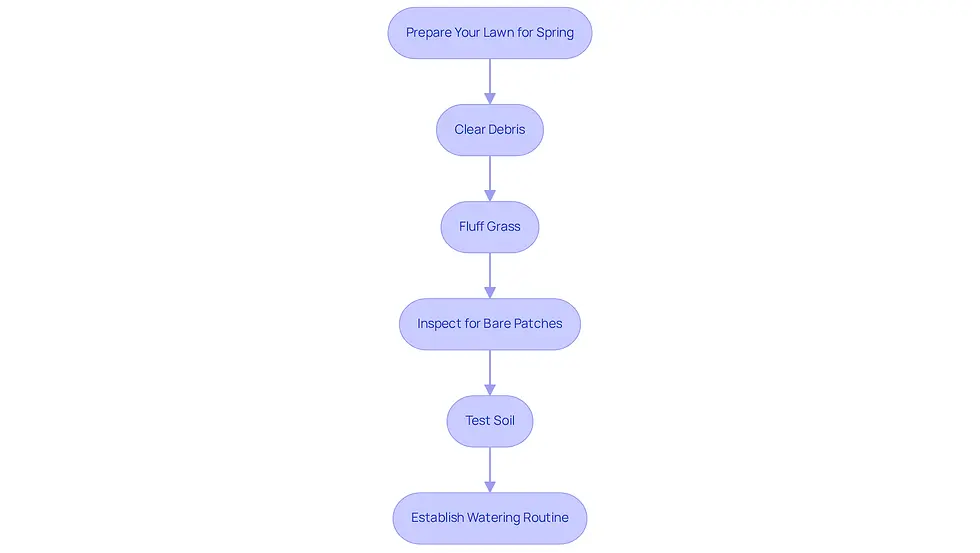
As winter gives way to spring, many homeowners consult a spring lawn care guide to ease their anxiety about the state of their yards and discover how to bring them back to life. Start by gently clearing away any leaves, branches, and debris that have settled over the winter, allowing sunlight to nourish your grass and prevent mold from taking hold.
Next, gently fluff the grass with a flexible leaf rake, removing dead grass and thatch while aerating the ground to help it absorb water and nutrients more effectively. Take a moment to carefully inspect your lawn for any bare patches or areas affected by winter's harsh conditions, as early detection allows for timely reseeding and a lush lawn.
Consider testing your soil's pH level and nutrient content, as understanding your earth's condition will guide your fertilization choices and create the best environment for growth. If your lawn has seen heavy foot traffic or shows signs of compacted soil, planning for aeration can significantly improve root growth and nutrient uptake, especially in Minnesota's unique climate.
As temperatures rise, establishing a watering routine is essential; early spring may require less frequent watering, but being adaptable will ensure your grass thrives as the season progresses. In Minnesota, timing is crucial; by following the spring lawn care guide, you can ensure your yard is well-prepared for the growing season ahead. Embrace these steps, and watch your yard transform into a lush retreat, ready to welcome the beauty of spring.
Implement Core Treatments: Aerate and Fertilize Effectively
Maintaining a lush, green lawn can feel overwhelming, especially when you refer to a spring lawn care guide to manage the threat of crabgrass.
To start, use a core aerator to pull out small plugs of soil from your lawn when the ground is moist but not too wet. This process creates about 15-20 holes per square foot, allowing air and nutrients to reach the roots more effectively.
Next, choose Spring Touch Lawn & Pest Control's organic fertilizer, designed to boost growth and replenish vital nutrients while keeping crabgrass at bay. This treatment is tailored for the unique soil conditions in southern Minnesota, ensuring your grass gets what it needs to thrive.
Once you've selected your fertilizer, spread it evenly across your lawn with a broadcast spreader, following the instructions on the package for the best results.
After fertilizing, give your grass a light watering to help those nutrients soak into the soil. Aim for about one inch of water within a week to maximize the effectiveness of the organic treatment.
Finally, watch how your grass develops in the coming weeks. If you notice any uneven growth, consider adjusting your watering or fertilization schedule to keep your lawn healthy and vibrant. By following the spring lawn care guide, you can ensure your lawn not only survives but flourishes, giving you a beautiful outdoor space to enjoy.

Maintain Your Lawn: Monitor and Adjust Care Regularly
According to the spring lawn care guide, regular mowing is essential for a healthy lawn, but many homeowners struggle with knowing when and how to mow effectively. Begin mowing when the grass reaches about 3 inches in height, ensuring you mow before it exceeds 4.5 inches. Set your mower to a height of 3 to 3.5 inches to promote healthy growth and discourage weeds. Maintaining this height helps retain moisture and supports a robust root system, which is crucial for drought resistance during the summer months. Taller grass not only survives water stress better but also provides shade to the soil, helping retain moisture.
Check for Weeds: Take a moment to look over your yard for any weeds that may be trying to take hold. If you spot any, consider using a gentle herbicide or removing them by hand to help your grass thrive. The spring lawn care guide from Spring Touch Lawn & Pest Control provides effective organic solutions that assist in managing weeds while replenishing nutrients to your grass.
Adjust Watering: As temperatures increase, modify your watering schedule to ensure the grass receives about 1 inch of water weekly. Water thoroughly and less often to promote deep root development, which is crucial for sustaining a healthy lawn. Dr. Jim Wilkinson advises that if your town allows any watering, even on a restricted schedule, take advantage of it.
Fertilization Follow-Up: Depending on the growth response, you may need to apply a second round of fertilizer in late spring. Spring Touch Lawn & Pest Control suggests their organic-based fertilizer with bio-solids and crabgrass preventer, which is highlighted in their spring lawn care guide for optimal resource restoration. Observe the grass's color and density; if it seems less vibrant, extra nutrients might be needed to maintain its health.
Pest Monitoring: Keep an eye out for signs of pests, such as brown patches or unusual growth patterns. Early detection is key to preventing larger infestations, allowing for timely intervention and treatment. Remember, sharp mower blades are essential for clean cuts, as dull blades can damage grass and make it more susceptible to diseases. For thorough pest management solutions, consider Spring Touch Lawn & Pest Control, which has been assisting homeowners in Jordan and nearby regions in attaining beautiful, pest-free yards for over 50 years. Taking these steps will not only enhance your lawn's health but also give you peace of mind knowing you're nurturing a vibrant outdoor space.

Utilize Resources and Tools for Successful Lawn Care
Maintaining a lush, green lawn can feel overwhelming, especially when you consult a spring lawn care guide to know where to start. To ease your worries, consider investing in essential tools like:
A quality grass cutter
A leaf rake
A broadcast spreader
A core aerator
Imagine the satisfaction of seeing your lawn thrive with these tools at your side, making it easier to maintain a healthy and vibrant lawn throughout the growing season.
Regularly checking your soil’s pH levels and nutrient content can feel daunting, but it’s a crucial step outlined in a spring lawn care guide for nurturing a vibrant lawn. Using an earth testing kit helps you make informed decisions about fertilization and amendments, ensuring optimal soil health and grass growth.
Imagine having a personal assistant for your yard care, reminding you when to water and fertilize, tailored just for your local climate. Utilizing yard care apps can streamline your maintenance routine, enhancing overall efficiency and giving you peace of mind.
Connecting with local agricultural extension services can provide you with tailored advice, making your lawn care journey smoother and more effective. They offer valuable insights on pest management and grass care practices that work best in Minnesota's unique climate.
Explore online guides and videos that visually demonstrate garden care techniques, empowering you to take charge of your lawn’s health with confidence. Resources from the University of Minnesota Extension and similar platforms provide essential information from the spring lawn care guide, making it easier for you to implement best practices and enjoy the beauty of your lawn.

Conclusion
As spring approaches, many homeowners feel the pressure to prepare their lawns for the season ahead. A well-prepared lawn is not just about aesthetics; it’s about creating a welcoming space for family and friends. However, the task can seem daunting, especially when considering all the necessary steps.
Understanding the importance of soil testing and the benefits of organic fertilizers can feel overwhelming, but these steps are crucial for a thriving lawn. Regular monitoring for pests and weeds adds another layer of complexity, leaving many to wonder if they can truly manage it all. Yet, these practices not only promote a lush lawn but also align with environmentally friendly approaches that prioritize family and pet safety.
By utilizing the right tools and resources, such as yard care apps and local agricultural services, homeowners can take charge of their lawn care journey with confidence. Each action, from clearing debris to implementing effective watering routines, contributes to a vibrant outdoor space that enhances the beauty of southern Minnesota homes.
Ultimately, investing time and effort into spring lawn care yields long-term rewards, transforming yards into vibrant retreats. By taking these steps, you’re not just caring for your lawn; you’re creating a sanctuary for your family and pets to enjoy for years to come. Consider reaching out to Spring Touch Lawn & Pest Control for expert guidance and support. You can trust that with the right support, achieving a beautiful lawn is not just a dream, but a reality for every homeowner in Mankato, Rochester, and the surrounding communities.
Frequently Asked Questions
What are the initial steps to prepare my lawn for spring?
Start by gently clearing away leaves, branches, and debris from the winter. Then, fluff the grass with a flexible leaf rake to remove dead grass and thatch while aerating the ground.
Why is it important to inspect my lawn for bare patches?
Inspecting for bare patches allows for early detection, enabling timely reseeding and promoting a lush lawn as spring progresses.
How can I test my soil's condition?
You can test your soil's pH level and nutrient content to guide your fertilization choices and create the best environment for growth.
What should I do if my lawn shows signs of compacted soil?
If your lawn has experienced heavy foot traffic or shows signs of compaction, planning for aeration can significantly improve root growth and nutrient uptake.
How often should I water my lawn in early spring?
Early spring may require less frequent watering, but it's essential to establish a watering routine and be adaptable as temperatures rise to ensure your grass thrives.
Why is timing important for lawn care in Minnesota?
Timing is crucial in Minnesota's unique climate to ensure your yard is well-prepared for the growing season ahead, allowing for optimal growth and health of your lawn.
List of Sources
Prepare Your Lawn for Spring: Essential Initial Steps
Spring Lawn Care Tips for Homeowners in Minneapolis, MN (https://lawnstarter.com/blog/minnesota/minneapolis-mn/spring-lawn-care-tips-for-homeowners-in-minneapolis-mn)
Landscape Industry Statistics | NALP (https://landscapeprofessionals.org/LP/LP/Media/landscape-industry-statistics.aspx)
Complete Spring Lawn Care Guide for Minnesota | Green Horizons (https://green-horizons.com/blog/complete-guide-spring-lawn-care-minnesota)
US Lawn Care Consumer Insights Report - The Freedonia Group (https://freedoniagroup.com/industry-study/lawn-care-consumer-insights)
Spring Yard and Garden Preparation (https://extension.umn.edu/news/spring-yard-and-garden-preparation)
Implement Core Treatments: Aerate and Fertilize Effectively
The Best Minnesota Lawn Care Schedule (https://lawnstarter.com/blog/minnesota/lawn-care-schedule-mn)
Aeration and Overseeding Minnesota: Expert Tips for a Thicker Lawn (https://peterdoranlawn.com/aeration-and-overseeding-in-minnesota-the-secret-to-a-thicker-lawn)
Should I Use A Slow-Release Fertilizer For My Lawn This Spring? (https://southernliving.com/should-i-use-a-slow-release-fertilizer-lawn-spring-11917061?srsltid=AfmBOoop7hLLUbfaW2DfRqFBT7nNMl7uMnSeXGbAv2dKl0MDSul0FpLi)
Sustainable Lawn Care - Brown's Creek Watershed District (https://bcwd.org/sustainable-lawn-care)
Lawn Aeration Explained | Green Stuff LawnWhen Should You Aerate Your Lawn in Minnesota? | Green Stuff Lawn (https://thegreenstufflawn.com/lawn-aeration-explained)
Maintain Your Lawn: Monitor and Adjust Care Regularly
Healthy Lawns for Healthy Water - MWMO (https://mwmo.org/news/healthy-lawns-for-healthy-water)
Mowing practices for healthy lawns (https://extension.umn.edu/lawns-and-landscapes-minnesota/mowing-practices-healthy-lawns)
Navigating Summer Watering Restrictions: Tips for a Healthy Lawn - SeaScape, Inc. (https://seascapeinc.com/healthy-lawns-with-dr-jim/navigating-summer-watering-restrictions-tips-for-a-healthy-lawn)
Spring Lawn Care Tips for Homeowners in Minneapolis, MN (https://lawnstarter.com/blog/minnesota/minneapolis-mn/spring-lawn-care-tips-for-homeowners-in-minneapolis-mn)
Lawn Care (https://rpbcwd.org/lawn-care)
Utilize Resources and Tools for Successful Lawn Care
Soil Testing for Horticultural Needs (https://cfaes.osu.edu/fact-sheet/soil-testing-horticultural-needs)
Lawn care calendar (https://extension.umn.edu/planting-and-growing-guides/lawn-care-calendar)
Soil Testing for Lawns: Why It’s Essential for Healthy Grass (https://andersonslawn.com/blogs/learn/soil-testing-and-why-its-essential?srsltid=AfmBOoqW3otZQHy-tVS30Sy3hFqRJ7i_LI96DncBUsBpd2pKL9Xlt0wG)
US Lawn Care Consumer Insights Report - The Freedonia Group (https://freedoniagroup.com/industry-study/lawn-care-consumer-insights)


