.png)
4 Best Practices for Effective Grass Fungus Treatment
- Spring Touch Team

- 12 hours ago
- 7 min read
Introduction
Homeowners in southern Minnesota often find themselves struggling to identify the signs of grass fungus, a challenge that can feel overwhelming amidst the unique climate and soil conditions.
But what if you could learn to recognize these signs and take action to not only treat the fungus but also prevent it from coming back?
In this article, we’ll explore essential strategies that can help you effectively treat grass fungus and keep your lawn healthy and resilient against future outbreaks.
Identify Common Grass Fungus Symptoms
Noticing your lawn's discolored patches and wilting grass can be disheartening, but understanding the signs can lead you to effective grass fungus treatment. Common symptoms of turf fungus in southern Minnesota include:
Discolored patches
Wilting vegetation
For instance, brown patches, which signify brown patch disease, manifest as rough, circular areas of dead turf, particularly impacting Tall Fescue, Perennial Ryegrass, and Creeping Bent. Dollar spot, another common problem, appears as small, round, bleached patches resembling silver dollars, often found in undernourished grass. Homeowners should also be vigilant for fuzzy or powdery growth on grass blades, signaling the presence of fungi such as powdery mildew, which thrives in shaded areas with poor air circulation.
Recognizing these signs early can make all the difference in restoring your lawn's health and beauty, as it allows for prompt grass fungus treatment before the fungus spreads further. Keeping an eye on the weather can help you anticipate when these issues might arise, as hot and humid summers in Minnesota create ideal circumstances for various grass diseases.
Case studies have demonstrated that prompt diagnosis and management can significantly lessen the impact of these infections, ensuring a healthier lawn. For expert assistance, consider reaching out to Spring Touch Lawn & Pest Control, where licensed technicians are trained to handle these issues effectively. By staying vigilant and seeking expert help, you can ensure your lawn remains healthy and vibrant, even in challenging conditions.

Implement Preventive Lawn Care Practices
Are you worried about lawn fungus ruining your beautiful yard? Here are some tailored practices for homeowners in southern Minnesota.
Proper irrigation is essential. Watering early in the morning allows the grass blades to dry throughout the day, as too much moisture creates a perfect environment for fungal growth. Aim to water your grass thoroughly but not too often-about 1 inch each week is ideal.
Mowing your grass to the right height-about 3 to 4 inches for most varieties-helps keep it healthy and reduces stress on the turf. For Bermudagrass, aim for 1.5 to 2 inches, and for Zoysiagrass, 2 to 3 inches is best.
Aerating your soil each year can really help with drainage and encourage strong root growth, especially in those clay soils.
Using Spring Touch Lawn & Pest Control's organic-based fertilizer with bio-solids not only replenishes nutrients but also helps prevent crabgrass, ensuring a healthier yard. Just be careful not to over-fertilize, as that can harm your grass health.
Dethatching your grass is another important step. It removes excess organic material that holds moisture and can harbor spores, further reducing the chances of infection.
By following these preventive measures, including grass fungus treatment with organic options, you can significantly boost your lawn's resilience against fungal issues. Taking these proactive steps can transform your lawn into a thriving oasis, free from the worries of fungal infections.

Explore Effective Treatment Options for Grass Fungus
Noticing patches of grass turning brown can be disheartening for any homeowner, but there are effective ways to tackle this issue. In southern Minnesota, you have several treatment options tailored to the unique climate and soil conditions.
Chemical fungicides, especially those with propiconazole or azoxystrobin, are highly effective against common plant diseases like Dollar Spot and Brown Patch. To get the best results, just follow the manufacturer's instructions on how much to use and when to apply it.
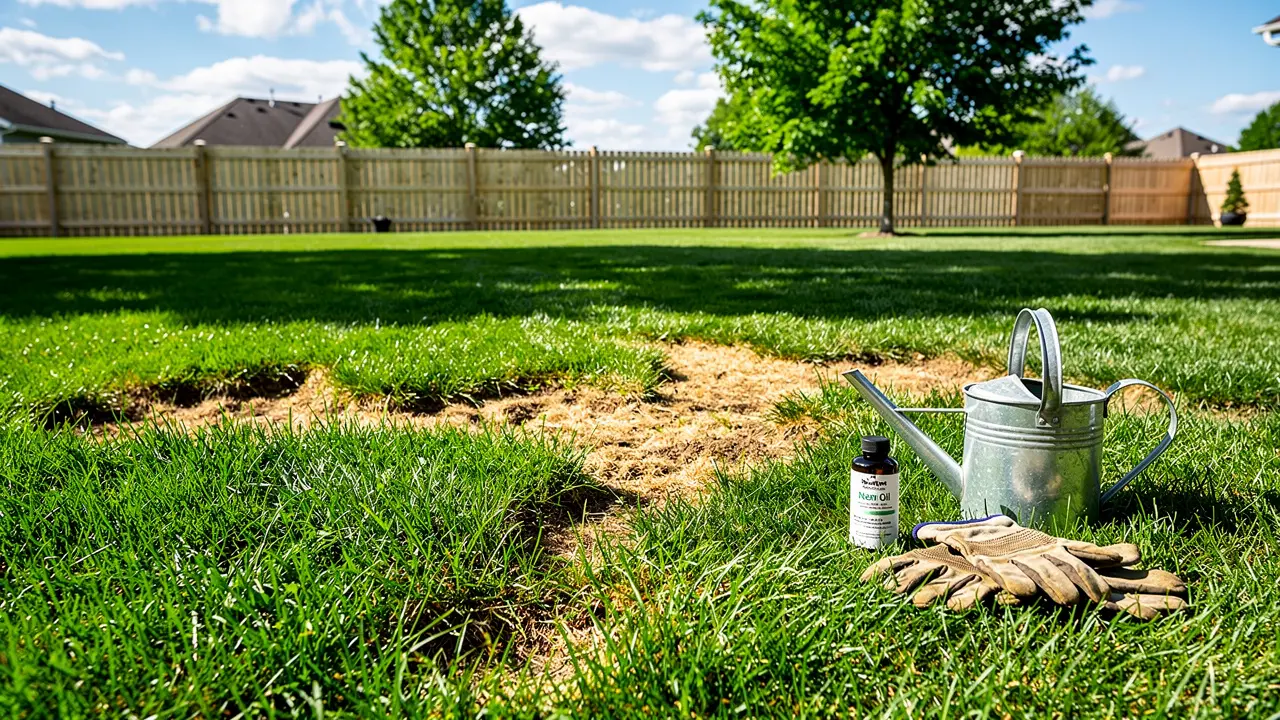
If you prefer natural solutions, neem oil or a simple mix of baking soda and water can work wonders against some fungal issues. Just remember to apply these treatments during dry conditions for maximum effectiveness.
And don’t forget, reseeding any bare areas after treatment can really help restore your lawn's health and appearance while keeping nitrogen levels balanced and improving soil drainage.
It's easy to feel overwhelmed when you see those unsightly patches on your lawn, wondering how to bring it back to life. Case studies show that acting quickly is key; for instance, applying propiconazole can have powerful curative effects when you spot signs of grass ailments like Ascochyta Leaf Blight.
On the other hand, using preventative fungicides like Heritage G can help maintain a healthy lawn by providing lasting protection against diseases.
Experts agree that combining both chemical and natural treatments often yields the best results, especially for recurring issues like Necrotic Ring Spot and Summer Patch.
By recognizing the signs of turf diseases early and implementing the right treatments, you can effectively manage and reduce the impact of fungus.
But with the right steps, you can restore your lawn and enjoy a vibrant, healthy space once more.

Maintain Lawn Health Post-Treatment
Without proper care, the threat of grass fungus treatment looms, ready to disrupt your lawn's beauty once again. Homeowners need to stay vigilant, regularly checking for signs of returning fungus like Red Thread or Dollar Spot. It’s important to adjust your care practices accordingly to keep your lawn healthy.
Think of aeration as a breath of fresh air for your lawn, helping it thrive by improving soil health and drainage. Spring Touch Lawn & Pest Control's advanced liquid aeration service penetrates deep into the soil, covering every inch of your grass area without leaving behind any plugs. This ensures optimal coverage for recovery, giving your lawn the best chance to bounce back.
Consistent mowing practices tailored to your grass type are also vital. Fertilizing with a nitrogen-rich product can stimulate vigorous growth, aiding recovery from any damage. Aim to apply a total of 4 to 6 pounds of actual nitrogen per 1,000 square feet of grass area each year, ensuring no more than 1 pound of actual nitrogen is used per application.
Following appropriate watering routines and avoiding excessive nitrogen use in the autumn will aid in grass fungus treatment and help preserve a healthy and robust turf against fungal issues. With consistent care, you’ll notice your lawn flourishing, showing signs of health and resilience against disease in just a season or two. By committing to these practices, you can cultivate a lawn that not only survives but thrives, standing resilient against future threats with effective grass fungus treatment.

Conclusion
Dealing with grass fungus can feel overwhelming, especially when you see your lawn's beauty fading away. Understanding the symptoms and taking action can help you restore your lawn to its former glory. Taking proactive steps like adjusting your watering schedule and using organic fertilizers can make a world of difference in keeping your lawn healthy and vibrant.
Recognizing the signs of grass fungus early can save you from the heartache of watching your lawn decline. From spotting discolored patches to exploring both chemical and natural treatment options, you now have the knowledge to tackle these challenges effectively. Plus, maintaining your lawn's health after treatment through consistent care practices, like aeration and tailored fertilization, is essential for building resilience against future fungal threats.
With dedication and the right knowledge, you can transform your lawn into a thriving oasis that you can be proud of. By following these best practices and seeking expert assistance from Spring Touch Lawn & Pest Control, you’re not just protecting your lawn; you’re investing in a vibrant outdoor space that brings joy to your home and community. Taking these steps ensures that your lawn remains healthy and resilient, ready to withstand the challenges posed by grass fungus and other environmental factors.
Frequently Asked Questions
What are the common symptoms of grass fungus in southern Minnesota?
Common symptoms of grass fungus include discolored patches, irregular spots, and wilting vegetation. Specific examples are brown patches indicating brown patch disease and small, round, bleached patches known as dollar spots.
What does brown patch disease look like?
Brown patch disease manifests as rough, circular areas of dead turf, particularly affecting Tall Fescue, Perennial Ryegrass, and Creeping Bent.
How can I identify dollar spot in my lawn?
Dollar spot appears as small, round, bleached patches that resemble silver dollars, often found in undernourished grass.
What other signs of grass fungus should I look for?
Homeowners should be vigilant for fuzzy or powdery growth on grass blades, which indicates the presence of fungi such as powdery mildew, particularly in shaded areas with poor air circulation.
Why is it important to recognize grass fungus symptoms early?
Recognizing grass fungus symptoms early allows for prompt treatment, which can prevent the fungus from spreading further and help restore the lawn's health and beauty.
How does the weather affect grass fungus issues in Minnesota?
Hot and humid summers in Minnesota create ideal conditions for various grass diseases, making it important to monitor the weather for potential fungus outbreaks.
What should I do if I suspect my lawn has a fungus?
For expert assistance, consider reaching out to Spring Touch Lawn & Pest Control, where licensed technicians are trained to effectively handle grass fungus issues.
How can I ensure my lawn remains healthy despite fungus challenges?
Staying vigilant for symptoms and seeking expert help when needed can help maintain a healthy and vibrant lawn, even in challenging conditions.
List of Sources
Identify Common Grass Fungus Symptoms
Common Lawn Diseases in Minnesota: A ProLawns Guide - ProLawns (https://prolawnsmn.com/news/common-lawn-diseases-in-minnesota-a-prolawns-guide)
Lawn Disease Control | Spring Touch Lawn & Pest Control (https://springtouchlawn.com/lawndisease)
Lawn Diseases | Centra Sota Coop (https://centrasota.com/lawn-care/lawn-diseases)
Weed Man - EN-US (https://weedman.com/en-us/blogs/your-guide-to-identifying-15-common-lawn-diseases)
Diseases of Home Lawns (https://extension.umd.edu/resource/diseases-home-lawns)
Implement Preventive Lawn Care Practices
How to Prevent and Treat Lawn Diseases | ScottsMiracle-Gro US (https://scottsmiraclegro.com/en-us/learn/lawn-care/how-to-prevent-lawn-grass-diseases.html)
Lawn Disease Prevention Tips for a Healthier Lawn All Year | TLC (https://tlcthelawncompany.com/blog/lawn-disease-prevention-tips)
Common Lawn Diseases in Minnesota: A ProLawns Guide - ProLawns (https://prolawnsmn.com/news/common-lawn-diseases-in-minnesota-a-prolawns-guide)
Lawn Diseases: Prevention and Management / Home and Landscape / UC Statewide IPM Program (UC IPM) (https://ipm.ucanr.edu/home-and-landscape/lawn-diseases-prevention-and-management)
Explore Effective Treatment Options for Grass Fungus
The Best Disease Control for Lawns (https://sodsolutions.com/lawn-care/the-best-disease-control-solutions-for-home-lawns?srsltid=AfmBOornfXCMzD3kouk7N3B6gAbdh4Uihi0z_ksI2iYBY_7I6DiTrNxr)
Common Lawn Diseases in Minnesota: A ProLawns Guide - ProLawns (https://prolawnsmn.com/news/common-lawn-diseases-in-minnesota-a-prolawns-guide)
Master Lawn Fungicide: Key Practices for a Healthy Lawn (https://springtouchlawn.com/post/master-lawn-fungicide-key-practices-for-a-healthy-lawn)
Spring Lawn Care | Preventing and Treating Lawn Fungus (https://lawnpride.com/spring-lawn-care-diseases)
Lawn Fungus Treatments: Costs, Types, and Do They Work? (https://lawnstarter.com/blog/lawn-care-2/lawn-fungus-treatments)
Maintain Lawn Health Post-Treatment
Lawn Diseases: Prevention and Management / Home and Landscape / UC Statewide IPM Program (UC IPM) (https://ipm.ucanr.edu/home-and-landscape/lawn-diseases-prevention-and-management)
Why Lawn Aeration is the Secret to Thick, Healthy Grass in Wisconsin and Minnesota | L.C.S. Lawn & Tree Service, Inc. (https://lcslawn.com/blog/why-lawn-aeration-is-the-secret-to-thick-healthy-grass-in-wisconsin-and-minnesota)
Spring Lawn Care | Preventing and Treating Lawn Fungus (https://lawnpride.com/spring-lawn-care-diseases)
How to Prevent & Treat Snow Mold in Your Lawn (https://groundfxmn.com/blog/how-to-prevent-treat-snow-mold-in-your-lawn)


