.png)
4 Steps to Make Grass Greener for a Lush Lawn
- Spring Touch Team

- 4 days ago
- 8 min read
Updated: 11 hours ago
Introduction
Many homeowners dream of a lush, green lawn, yet the journey to achieving it can often feel overwhelming. When you know the essential steps to boost your lawn's health, it can transform your outdoor space and fill you with pride and joy. Imagine if the secret to a thriving lawn is just a few simple practices away, practices that anyone can easily adopt. In this guide, you'll discover effective strategies for:
Assessing your soil health
Choosing the right fertilizers
Mastering watering and mowing techniques
All designed for the unique conditions of southern Minnesota.
Assess Soil Health and Nutrient Needs
Is your lawn struggling to thrive? It might be time to dig deeper into your soil health.
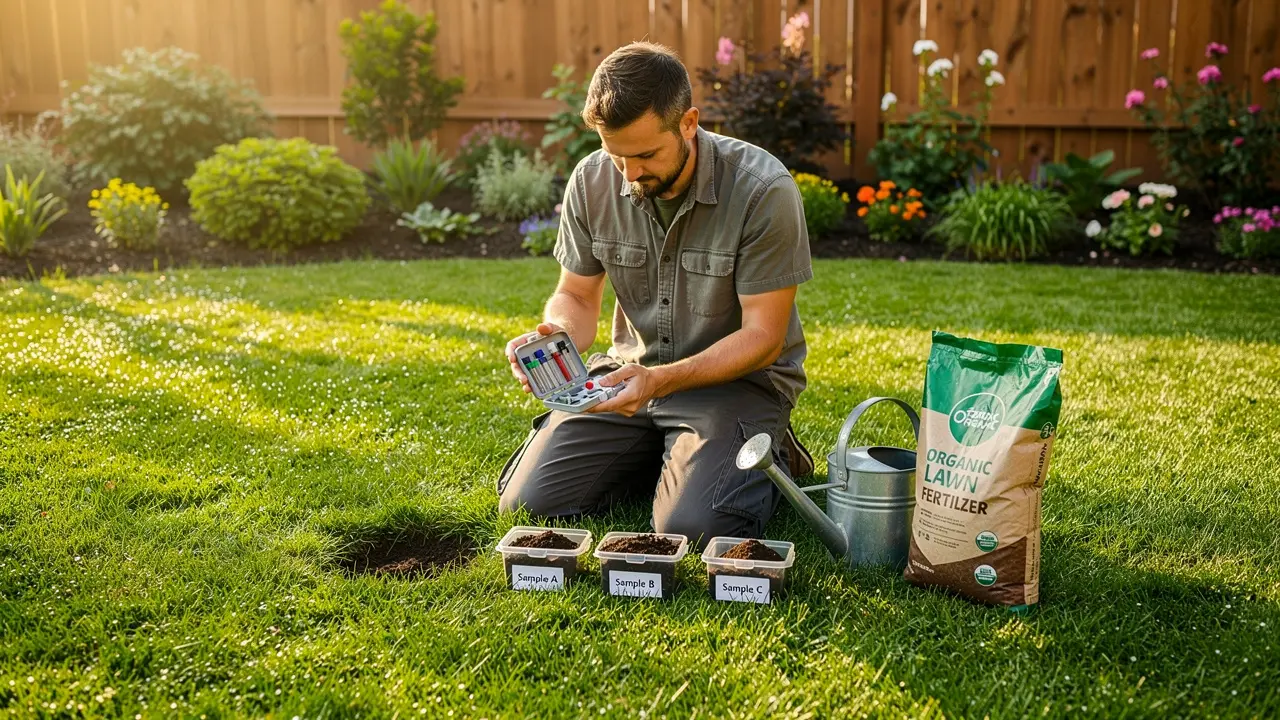
Start by conducting a ground test. Gather samples from various sections of your yard and use a testing kit or send them to a local extension service. This will give you valuable insights into pH levels and nutrient content, both of which are essential for a healthy lawn.
Once you have your results, take a close look at them. Identify any nutrient deficiencies by checking for key indicators like nitrogen (N), phosphorus (P), potassium (K), and pH levels. Ideally, you want your pH to be between 6.0 and 7.0 for optimal grass growth. Recent data shows that 50% of ground samples in southern Minnesota had ideal pH values between 6.0 and 6.8, underscoring the importance of maintaining proper pH levels for a thriving lawn.
Next, it’s crucial to identify your ground type - whether it’s sandy, clay, or loamy. This knowledge affects drainage and nutrient retention, which in turn influences your lawn care strategy. Understanding your ground type will help you customize your fertilization and irrigation plans effectively.
Based on your test results, plan the necessary amendments. If nitrogen is low, consider adding a nitrogen-rich fertilizer or organic matter like compost to boost soil health. For instance, Spring Touch Lawn & Pest Control is a family-owned business that has been around for three generations. They offer an organic fertilizer that replenishes nutrients and prevents crabgrass from taking over your yard. Their second application focuses on dandelions and broadleaf weeds while incorporating grub control, effectively addressing common turf issues in southern Minnesota. A case study from Phil & Robin Smith’s Farm shows that regenerative management practices have led to significant improvements in ground biology and organic matter, with organic matter increasing from 3.81% to 4.73% over five years. This shows that when you manage your ground well, your grass can really thrive. Recent trends in southern Minnesota indicate that effective land management practices can greatly enhance yard vitality, with many homeowners noticing visible improvements after applying customized amendments. Plus, new customers can enjoy a free first treatment when signing up for a complete program.
Taking these steps not only revitalizes your lawn but also shows you how to make grass greener, bringing peace of mind as you nurture a vibrant outdoor space for your family to enjoy.

Select and Apply the Right Fertilizer
Are you tired of struggling to find out how to make grass greener and keep your lawn healthy and vibrant?
Select the Appropriate Fertilizer: Start by performing a soil analysis to identify your grass's specific dietary needs. Based on the results, choose a balanced fertilizer with a higher nitrogen content, like a 20-5-10 NPK ratio, which encourages lush green growth in Minnesota's cool-season grasses. Spring Touch Lawn & Pest Control offers an organic fertilizer that replenishes nutrients and includes a crabgrass preventer, ensuring your grass is ready for summer. Just a heads up: phosphorus-containing fertilizers are generally prohibited unless for new lawns or indicated by a soil test.
Timing is Key: Apply fertilizer during the optimal growing seasons - early spring and fall - when your lawn is actively growing. Specifically, fertilization should happen from mid-August through mid-September and again from mid-October to mid-November. Spring Touch's first application in spring targets crabgrass prevention, while the second focuses on dandelions and broadleaf weeds, now including grub control to tackle both weeds and grub infestations. It's best to hold off on fertilizing when the heat is on or during a drought, as this can stress your grass and hinder its recovery. Also, be cautious not to fertilize too early in spring, as this can lead to feeding weeds instead of the turf.
Application Method: For even distribution, use a broadcast spreader. Start by spreading fertilizer around the borders of your yard and then fill in the center. Follow the manufacturer's guidelines for the proper application rate to avoid over-fertilization, which can damage your grass. Additionally, mowing your lawn to a minimum height of 3 inches helps it tolerate heat better.
Water After Application: Lightly water the grass after fertilizing to help the nutrients penetrate the soil and reach the roots effectively. This step is crucial for maximizing the benefits of the fertilizer and ensuring your garden flourishes. Proper irrigation during summer is also essential to help the grass survive heat and dryness. By following these steps, you will discover how to make grass greener and transform your lawn into a vibrant oasis that thrives all summer long.

Implement Effective Watering and Mowing Practices
Maintaining a lush, green lawn can feel overwhelming, especially when faced with the challenges of proper care. Imagine the satisfaction of a vibrant lawn; watering it just once a week with 1 to 1.5 inches of water can help you achieve that. This practice encourages deep root growth, which is essential for a resilient lawn. Watering in the early morning minimizes evaporation, ensuring that moisture reaches the roots effectively.
Keeping an eye on moisture levels can be a game-changer for your lawn's health. You can use a moisture meter or simply check the soil with your hands to see if it’s time to water. This method helps you avoid overwatering while promoting healthy growth.
Mowing at the right height can make all the difference. Aim for 3 to 4 inches to help your grass retain moisture and grow strong. Remember the 1/3 Rule: avoid removing more than one-third of the height of the turf at any one time to reduce stress on your lawn.
A clean cut is essential for a healthy lawn, so make it a habit to sharpen your mower blades regularly. Dull blades can tear the grass, leading to increased stress and susceptibility to diseases. Aim to sharpen your blades at least twice during the mowing season for optimal performance.
By following these simple yet effective practices on how to make grass greener, you can cultivate a lawn that not only thrives but also brings joy and tranquility to your home.

Incorporate Advanced Lawn Care Techniques
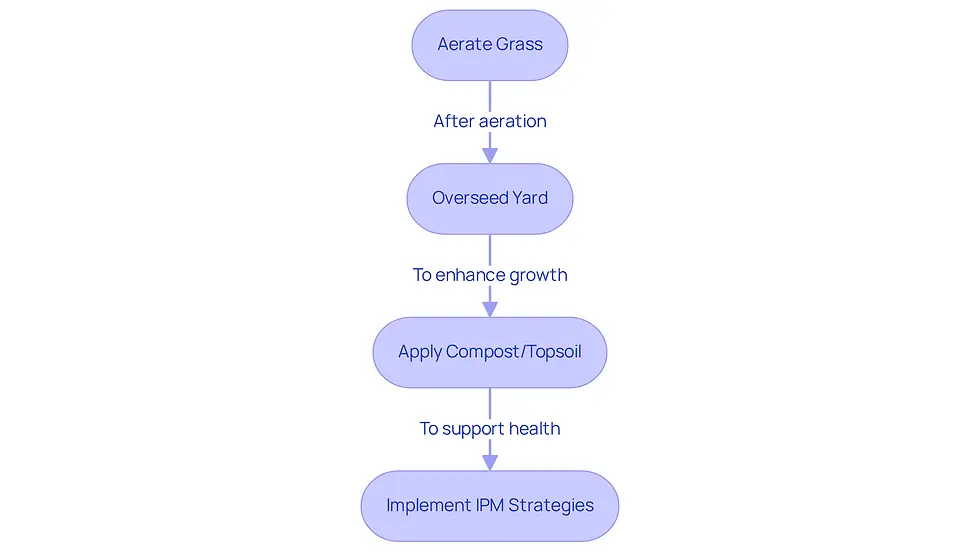
Make sure to aerate your grass at least once a year; it’s essential for relieving compaction and allowing air and water to reach the roots. In southern Minnesota, where clay soils can be tough, seeds often have a hard time sprouting on compacted ground. Proper aeration not only boosts seed germination but also helps prevent grass diseases that thrive in poorly aerated conditions.
After aeration, overseed your yard to introduce new grass varieties that can thrive in your specific conditions. This helps fill in bare spots and makes your grass thicker, which is important for fighting off common diseases like Dollar Spot and Brown Patch during the humid Minnesota summers.
Next, apply a thin layer of compost or topsoil after aeration to provide nutrients and improve soil structure. This can enhance the effectiveness of overseeding and promote healthy grass growth, reducing the risk of turf diseases.
Finally, consider implementing Integrated Pest Management (IPM) strategies to manage pests sustainably. This includes monitoring pest populations, using beneficial insects, and applying organic treatments when necessary. With regular aeration and care, you’ll not only reduce lawn diseases but also discover how to make grass greener and enjoy a vibrant, green yard all season long.
Conclusion
Transforming your lawn into a lush, green oasis may feel overwhelming, but it’s entirely achievable with the right guidance. By focusing on soil health, selecting the appropriate fertilizers, and implementing effective watering and mowing practices, you can create a vibrant outdoor space that thrives. Understanding your lawn’s unique needs is crucial; it’s the first step toward ensuring that your yard flourishes. Regular aeration and overseeding can further enhance lawn health, making your grass resilient against pests and diseases.
Ultimately, investing time and effort into lawn care pays off in the form of a lush, green oasis. By taking these steps, you’re not just improving your lawn; you’re creating a welcoming space for your loved ones to enjoy together. Consider reaching out to Spring Touch Lawn & Pest Control for expert guidance and support. With their family-owned heritage and dedication to helping you succeed, you can feel confident that a stunning lawn is within reach.
Frequently Asked Questions
How can I assess the health of my lawn's soil?
To assess your lawn's soil health, start by conducting a ground test. Gather samples from different sections of your yard and use a testing kit or send them to a local extension service to analyze pH levels and nutrient content.
What should I look for in my soil test results?
In your soil test results, check for key indicators such as nitrogen (N), phosphorus (P), potassium (K), and pH levels. Ideally, the pH should be between 6.0 and 7.0 for optimal grass growth.
What is the ideal pH range for soil in southern Minnesota?
The ideal pH range for soil in southern Minnesota is between 6.0 and 6.8, as recent data shows that 50% of ground samples in the area fall within this range.
Why is it important to know my ground type?
Knowing your ground type-whether sandy, clay, or loamy-is important because it affects drainage and nutrient retention, which influences your lawn care strategy and helps you customize your fertilization and irrigation plans.
What should I do if my soil test indicates nutrient deficiencies?
If your soil test indicates nutrient deficiencies, plan the necessary amendments. For low nitrogen levels, consider adding a nitrogen-rich fertilizer or organic matter like compost to improve soil health.
How does Spring Touch Lawn & Pest Control help with soil health?
Spring Touch Lawn & Pest Control offers an organic fertilizer that replenishes nutrients and prevents crabgrass. Their services include a second application targeting dandelions and broadleaf weeds while incorporating grub control, addressing common turf issues in southern Minnesota.
Can effective land management practices improve my lawn?
Yes, effective land management practices can significantly enhance yard vitality. Many homeowners in southern Minnesota have noticed visible improvements after applying customized amendments based on soil health assessments.
Is there any incentive for new customers of Spring Touch Lawn & Pest Control?
Yes, new customers can enjoy a free first treatment when signing up for a complete program with Spring Touch Lawn & Pest Control.
How can I ensure my lawn thrives over time?
To ensure your lawn thrives, regularly assess soil health, address nutrient deficiencies, and apply appropriate amendments. This proactive approach will help maintain a vibrant outdoor space for your family to enjoy.
List of Sources
Assess Soil Health and Nutrient Needs
Program asks farmers to test soil health for research (https://farmprogress.com/soil-health/program-asks-farmers-to-test-soil-health-for-research)
Soil Health Data - MN Soil Health Coalition (https://mnsoilhealth.org/soilhealthdata)
The state of Minnesota's soil health: How many farmers are doing no-till, cover crops, and more (https://blog-crop-news.extension.umn.edu/2025/03/the-state-of-minnesotas-soil-health-how.html)
Soil Monitoring, Could it Become a Thing? - MN Soil Health Coalition (https://mnsoilhealth.org/news/soil-monitoring-could-it-become-a-thing)
A sold-out conference on soil health? Absolutely, say farmers (https://mprnews.org/story/2018/12/19/farmers-curious-about-soil-health-sell-out-a-conference)
Select and Apply the Right Fertilizer
The Best Minnesota Lawn Care Schedule (https://lawnstarter.com/blog/minnesota/lawn-care-schedule-mn)
Best Fertilizer Schedule for MN Lawns (https://thegroundsmasters.com/blog/best-fertilizer-schedule-lawns-southern-minnesota)
When to Fertilize Your Lawn in Minnesota (https://lawnlove.com/blog/when-to-fertilize-lawn-minnesota)
Minnesota Homeowner’s Guide to Lawn Fertilization | Rainbow Lawncare (https://rainbowlawncare.com/fertilization-homeowners-guide)
Implement Effective Watering and Mowing Practices
Five Lawn-Watering Tips for Summer in Minnesota (https://delanomn.us/blog/2026/04/02/five-lawn-watering-tips-for-summer-in-minnesota)
Master Your Lawn Care Schedule in Minnesota: Best Practices for Homeowners (https://springtouchlawn.com/post/master-your-lawn-care-schedule-in-minnesota-best-practices-for-homeowners)
Summer Time Mowing in MN (https://fertilawnmn.com/a-season-long-plan-for-mowing)
Lawn Care (https://rpbcwd.org/lawn-care)
Tips for Watering Your Lawn in Minnesota | Rainbow Lawncare (https://rainbowlawncare.com/lawn-watering-tips)
Incorporate Advanced Lawn Care Techniques
Complete Spring Lawn Care Guide for Minnesota | Green Horizons (https://green-horizons.com/blog/complete-guide-spring-lawn-care-minnesota)
What Are the Benefits of Aerating Your Lawn? (https://lawnstarter.com/blog/lawn-care-2/benefits-aerating-lawn)
Spring lawn care (https://extension.umn.edu/news/spring-lawn-care)
Benefits of Aeration For your Lawn Lawn Care (https://turfmasterslawncare.com/2021/03/24/benefits-of-aeration)
ProLawns News | Advanced Lawn Care Programs in the Minneapolis, MN Metro Area (https://prolawnsmn.com/blog/news)


