.png)

Best Practices for Growing Coarse Grass in Minnesota's Climate
- Spring Touch Team

- 3 days ago
- 7 min read
Updated: 21 hours ago
Introduction
Homeowners in Minnesota face a unique challenge: the unpredictable climate and diverse soil conditions can make growing coarse grass feel daunting. With fluctuating temperatures and varying moisture levels, many find themselves struggling with the unpredictable nature of Minnesota's weather, which can hinder grass growth. But with the right guidance, homeowners can confidently tackle these hurdles and help their coarse grass thrive through every season.
Understand Minnesota's Climate and Soil Conditions for Coarse Grass
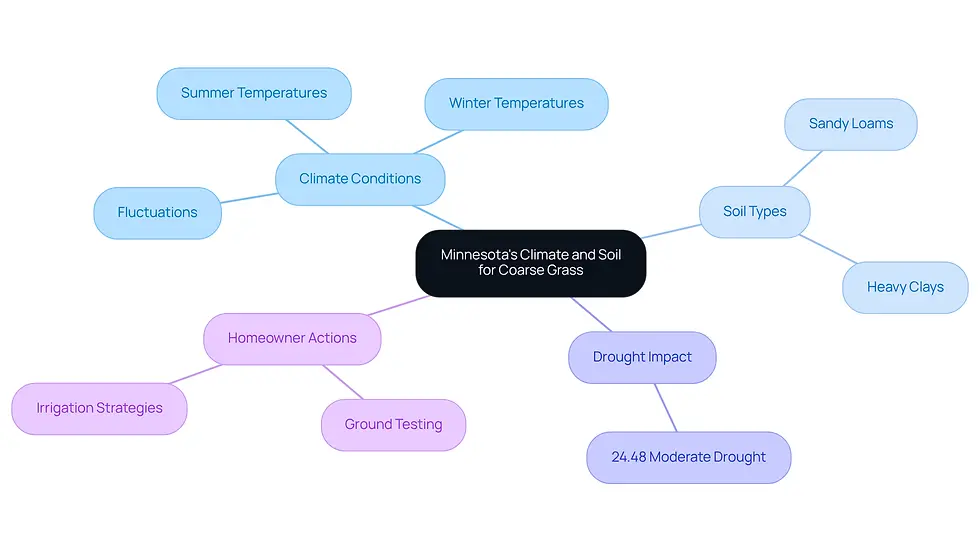
Minnesota's climate presents significant challenges for those looking to cultivate coarse grass. In winter, temperatures can drop below zero, and in summer, they often exceed 80°F. These fluctuations can be tough on plants. The state's varied earth types, ranging from sandy loams to heavy clays, further complicate lawn care by affecting drainage and nutrient availability.
These conditions are crucial for plants like tall fescue, which are considered coarse grass. Tall fescue flourishes in well-drained ground and shows drought resistance, making it a superb option for regions with fluctuating moisture levels. Right now, about 24.48% of the state is facing Moderate Drought (D1). This highlights why choosing drought-resistant grass is so important.
It's a good idea for homeowners to perform a ground test to check pH and nutrient levels, which can guide the choice of suitable amendments. As Jeff Vetsch, a soil scientist at the University, points out, understanding soil moisture is essential for enhancing growth conditions. This proactive strategy not only improves the durability of grass areas against the state's climatic extremes but also equips homeowners for the challenges presented by current drought conditions.
Furthermore, the forthcoming Irrigation and Nutrient Management Field Day on July 9, 2026, at the Sand Plain Research Farm will offer valuable insights into effective irrigation strategies, further assisting homeowners in their yard care efforts. By understanding these factors, homeowners can take proactive steps to ensure their lawns not only survive but thrive.
Choose Appropriate Coarse Grass Varieties for Local Conditions
Selecting the right types of coarse grass can feel overwhelming, especially when considering Minnesota's unpredictable climate. Tall fescue stands out for its drought resistance and adaptability, making it a reliable choice even in challenging conditions. Kentucky bluegrass and perennial ryegrass also shine, offering a thick, vibrant look that enhances the beauty of your grassy areas.
As you choose your grass seed, think about factors like sun exposure, soil type, and the intended purpose of the area, particularly in high-traffic zones. For instance, a blend of tall fescue and Kentucky bluegrass - typically 90-95% tall fescue and 5-10% Kentucky bluegrass - can create a strong turf that withstands foot traffic and environmental stressors. This combination not only boosts durability but also helps the grass compete with weeds and resist pests.
Research shows that overseeding is vital for maintaining lawn durability, especially given the state's fluctuating weather. The winter of 2016-2017 saw significant tall fescue die-off due to prolonged ice cover, highlighting the importance of selecting resilient plant varieties. Sourcing seeds from reputable local suppliers ensures that the varieties are well-suited for Minnesota's climate, which features hot summers and freezing winters. Moreover, aim to plant during the ideal season in early autumn, as this timing promotes successful seed germination and turf establishment. Ultimately, the right choices can transform your lawn into a thriving oasis, providing beauty and resilience year-round.

Implement Effective Maintenance Strategies for Healthy Coarse Grass
Maintaining a vibrant lawn in Minnesota can feel overwhelming, especially with the unique challenges posed by our climate. But with the right approach, you can create a thriving outdoor space that brings you peace of mind.
Mowing: Keeping your turf at a height of 2.5 to 3 inches not only promotes deep root growth but also helps fend off pesky weeds. It’s a simple step that can make a big difference in your lawn’s health. Remember to follow the one-third rule by avoiding cutting more than one-third of the blade at a time, which helps maintain strong plant health.
Watering: To keep your coarse grass thriving, aim for about 1 to 1.5 inches of water each week. Deep, infrequent watering encourages strong root systems, and early morning is the best time to do this, minimizing evaporation.
Fertilization: Start your lawn’s journey to health with Spring Touch's organic-based fertilizer in early spring. This not only restores essential nutrients but also helps prevent crabgrass from taking over your yard. A second application in late spring targets dandelions and broadleaf weeds while including grub control to tackle both weeds and grub infestations. Performing a ground analysis can assist in determining particular nutrient requirements, ensuring that your grass gets the right balance for ideal growth.
Aeration: Annual aeration is key to relieving soil compaction and enhancing water and nutrient absorption. This is especially important in clay soils, which are common in our region.
Weed Control: To keep your lawn healthy, consider using pre-emergent herbicides in early spring. Regularly checking for invasive species and addressing them promptly will help maintain a flourishing environment. Spring Touch's organic treatments effectively target dandelions and broadleaf weeds, ensuring a thriving yard.
Vegetation Cuttings: Leaving cuttings on your turf can significantly boost its health by returning nutrients to the soil, equivalent to one fertilizer application per year. This simple practice not only improves soil quality but also reduces the need for additional fertilizers.
By embracing these practices, you can cultivate a lawn that not only survives but thrives, bringing beauty and joy to your home.

Address Common Challenges in Coarse Grass Maintenance
Maintaining a lush, green lawn can feel overwhelming when faced with common challenges like weeds, pests, and diseases.
Weed Overgrowth: Weeds can quickly take over, stealing vital nutrients and water from your grass, leaving you frustrated and worried about your lawn's health. Regular mowing and applying pre-emergent herbicides can help manage these pesky invaders. While a few weeds might not seem like a big deal, unchecked growth can seriously harm your grass.
Pest Infestations: Keeping a close eye on your lawn is essential; without it, those pesky pests can wreak havoc, leaving you with a lawn that’s less than ideal. Common culprits like grubs and chinch bugs can cause significant damage. Monitoring for these pests and applying the right control measures can make all the difference. If you find 10 or more grubs per square foot, it’s time to act quickly to protect your lawn.
Disease management is essential because fungal diseases such as dollar spot and brown patch can negatively impact coarse grass. By watering wisely and promoting good air circulation, you can help prevent these diseases from taking hold, giving your lawn the best chance to thrive. If you do encounter an outbreak, targeted fungicides may be necessary. Remember, brown patch loves hot, humid conditions, so adjusting your watering schedule and improving air circulation can help keep it at bay.
Ground Compaction: Intense foot traffic can lead to compacted soil, which obstructs turf growth. Aerating your lawn regularly can relieve that compaction, letting air and water reach the roots where they’re needed most. Professional aeration offers deeper penetration and quicker coverage, enhancing ground health and encouraging vigorous plant growth. Plus, adding mulch can further improve soil structure and moisture retention.
By addressing these common challenges with informed strategies, you can ensure that your lawn of coarse grass thrives, even in the face of these challenges.

Conclusion
Many homeowners feel overwhelmed by the unpredictable weather and its impact on their lawns, but there’s hope. Growing coarse grass in Minnesota's unique climate can be a challenge, yet with the right approach, you can cultivate a resilient lawn that thrives. Choosing the right grass types and caring for them properly can help your lawn thrive, even with Minnesota's changing weather.
Key insights from this article emphasize:
Understanding local climate conditions
Selecting drought-resistant grass types like tall fescue
Regular maintenance tasks such as proper mowing, watering, and fertilization are essential for promoting healthy growth
Tackling common challenges like weed overgrowth, pest infestations, and soil compaction can significantly enhance the vitality of coarse grass
With the right tips and support, you can definitely create a beautiful lawn in southern Minnesota. Don’t hesitate to take action - consider soil tests and reach out to local experts like Spring Touch Lawn & Pest Control to help your lawn thrive. By taking these steps, you’re not just improving your lawn; you’re creating a sanctuary that brings joy and enhances your home life.
Frequently Asked Questions
What are the main climate challenges for cultivating coarse grass in Minnesota?
Minnesota's climate presents significant challenges, with winter temperatures dropping below zero and summer temperatures often exceeding 80°F. These fluctuations can be tough on plants.
How do soil types in Minnesota affect lawn care?
Minnesota has varied soil types, ranging from sandy loams to heavy clays, which affect drainage and nutrient availability, complicating lawn care.
What type of coarse grass is recommended for Minnesota's conditions?
Tall fescue is recommended as it flourishes in well-drained ground and shows drought resistance, making it suitable for regions with fluctuating moisture levels.
Why is drought resistance important for grass in Minnesota?
Currently, about 24.48% of Minnesota is facing Moderate Drought (D1), highlighting the importance of choosing drought-resistant grass to ensure lawn survival.
How can homeowners assess their soil conditions?
Homeowners are advised to perform a ground test to check pH and nutrient levels, which can guide the choice of suitable amendments for their lawns.
What expert advice is available for improving lawn conditions in Minnesota?
Jeff Vetsch, a soil scientist, emphasizes the importance of understanding soil moisture to enhance growth conditions, which can help lawns withstand climatic extremes.
What event is available for homeowners to learn about irrigation strategies?
The Irrigation and Nutrient Management Field Day on July 9, 2026, at the Sand Plain Research Farm will provide valuable insights into effective irrigation strategies for homeowners.
How can understanding climate and soil conditions benefit homeowners?
By understanding these factors, homeowners can take proactive steps to ensure their lawns not only survive but thrive in Minnesota's challenging climate.
List of Sources
Understand Minnesota's Climate and Soil Conditions for Coarse Grass
Minnesota Crops Are Thriving, but Soil Moisture Tells a Different Story (https://agriculture.com/minnesota-crops-are-thriving-but-soil-moisture-tells-a-different-story-12001522)
Minnesota Crop News (https://blog-crop-news.extension.umn.edu/2026/06)
New study aims to improve drought resilience in lawn grass mixtures | Turfgrass Science (https://turf.umn.edu/new-study-aims-improve-drought-resilience-lawn-grass-mixtures)
Heavy rains and climate change challenge Minnesota agriculture, farmers of color (https://mprnews.org/story/2024/06/20/heavy-rains-and-climate-change-troubling-for-agriculture-industry-emerging-bipoc-farmers)
Choose Appropriate Coarse Grass Varieties for Local Conditions
Selecting the Best Grass Seed for Your Minnesota Lawn (https://groundfxmn.com/blog/selecting-the-best-grass-seed-for-your-minnesota-lawn)
4 Best Grass Seeds for Minnesota Lawns (https://lawnstarter.com/blog/minnesota/best-grass-seed-mn)
Can we use tall fescue for lawns in Minnesota? | Turfgrass Science (https://turf.umn.edu/news/can-we-use-tall-fescue-lawns-minnesota)
Sam Bauer- A Time and Place for Tall Fescue | Turfgrass Science (https://turf.umn.edu/news/sam-bauer-time-and-place-tall-fescue)
Implement Effective Maintenance Strategies for Healthy Coarse Grass
Mowing practices for healthy lawns (https://extension.umn.edu/lawns-and-landscapes-minnesota/mowing-practices-healthy-lawns)
Mowing Your Lawn (https://extension.illinois.edu/lawns/mowing-your-lawn)
Lawn Care Best Practices: A Step-by-Step Maintenance Guide (https://lawnpride.com/best-practices-for-lawn-maintenance)
How To Maintain a Lawn: Seasonal Lawn Care Guide (https://itmlandscape.com/blog/guide-to-year-round-lawn-maintenance-best-practices-for-a-healthy-lawn)
How to Deal with Coarse Grass in Your Lawn | Greensleeves (https://greensleeves-uk.com/blog/how-to-deal-with-coarse-grass-in-your-lawn)
Address Common Challenges in Coarse Grass Maintenance
How to Diagnose and Fix Common Minnesota Lawn Problems | Green Horizons (https://green-horizons.com/blog/diagnose-fix-minnesota-lawn-problems)
The 5 Most Challenging Lawn Care Problems (https://spsonline.com/most-challenging-lawn-care-problems)
Managing weeds in lawns (https://extension.umn.edu/lawn-care/lawn-weeds)
How to Prevent Weeds in Your Minnesota Lawn | Lawn Care Tips (https://alexslawnandturf.com/how-to-prevent-weeds-in-your-minnesota-lawn)


