.png)
Essential Weed and Feed Instructions for a Thriving Lawn
- Spring Touch Team

- 2 days ago
- 7 min read
Updated: 20 hours ago
Introduction
Many homeowners struggle to maintain a lush lawn due to weeds and improper feeding techniques. Achieving this ideal requires more than just regular mowing; it involves understanding the essential weed and feed instructions that can transform a patchy yard into a lush green oasis. This article delves into the best practices for applying weed and feed, offering homeowners in southern Minnesota the knowledge to effectively nourish their lawns while combating stubborn weeds. Without the right approach, your dream lawn may remain just that - a dream. With the right knowledge and practices, you can turn your lawn into the vibrant oasis you’ve always wanted.
Understand Weed and Feed: Purpose and Components
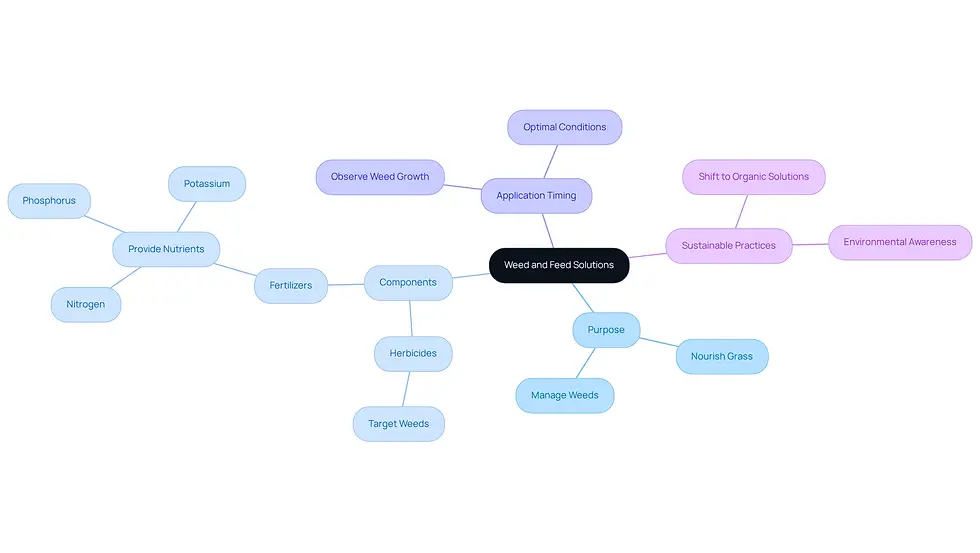
Imagine a solution that not only nourishes your grass but also offers weed and feed instructions to help you manage those pesky weeds effortlessly. According to weed and feed instructions, fertilizer and treatment solutions fulfill this dual role, merging herbicides and fertilizers to tackle two crucial yard care tasks at once. The herbicides target common garden weeds, while the fertilizers provide essential nutrients like nitrogen, phosphorus, and potassium, which are vital for healthy grass growth. Understanding the right ratios, such as the common formulation of 15-5-10, helps you choose the best option tailored to your yard's specific needs.
Yet, it’s important to remember that timing and conditions can affect how well these solutions work for you. Recent statistics show that homeowners use approximately 90 million pounds of pesticides on their lawns and gardens each year in the U.S., highlighting the significant role these substances play in lawn care. To achieve the best results, you should apply the weed and feed instructions when you notice weeds thriving in your yard.
As we move towards more sustainable practices, many homeowners are exploring organic yard care solutions. This shift reflects a growing awareness of environmental concerns and a desire for healthier garden care practices. With growing awareness around chemical use, choosing the right products can make all the difference in nurturing a vibrant lawn you can be proud of.
Determine Optimal Timing for Application
Are you struggling to keep your lawn healthy and weed-free? The best times to apply fertilizer and herbicide are when your grass and weeds are actively growing, typically in early spring and autumn. In Minnesota, this means waiting until after the second mowing in spring, when temperatures are consistently between 60°F and 90°F. This timing helps your grass absorb nutrients while keeping weeds in their most vulnerable state.
We recommend using our organic-based fertilizer containing bio-solids and crabgrass preventer during this time to replenish nutrients and stop crabgrass from dominating your yard this summer. Additionally, applying in the late afternoon or early evening can help prevent the product from being washed away by rain or irrigation.
It's important to avoid applying during extreme heat or drought, as this can stress your grass and reduce effectiveness. With over 50 years of experience, we’re here to help you transform your yard into a beautiful, bug-free outdoor space.
As a new client, don’t miss the opportunity for your initial request to be complimentary when you enroll in our comprehensive yard care, mosquito management, or pest management programs. Plus, enjoy our 100% satisfaction guarantee, which offers free retreatment if problems are reported within 15 days following use.
With the right timing and care, your yard can thrive, giving you the outdoor space you've always wanted.

Follow Application Techniques for Best Results
Are you struggling to achieve a lush, healthy lawn? To achieve the best results with fertilizer and herbicide, refer to these weed and feed instructions. It can be tough to find the right time to prepare your lawn for treatment, but cutting your grass a few days beforehand can really help expose those pesky weeds. A little moisture on your lawn can make a big difference, helping those granules stick to the leaves where they need to be.
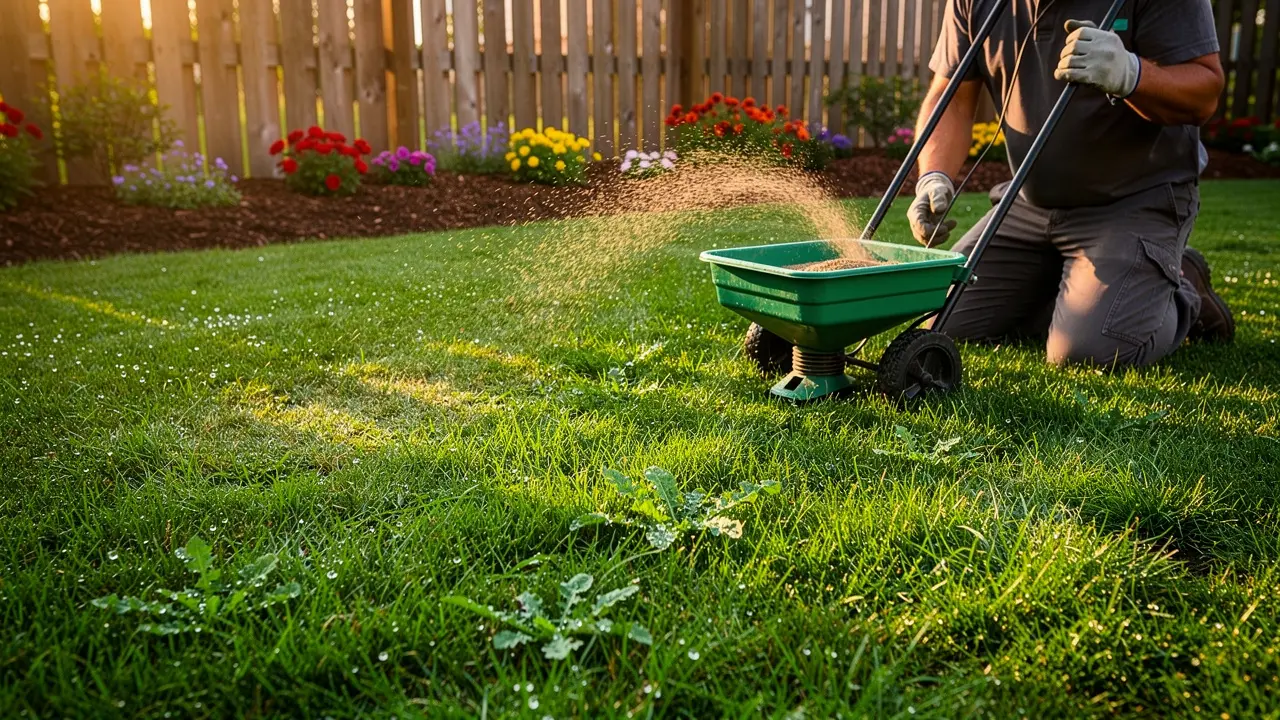
Using a rotary or drop spreader can help you cover your lawn evenly, and walking at a steady pace will ensure you don’t miss any spots. After applying the solution, it’s best to hold off on watering for at least 24 to 48 hours, allowing the herbicide to really soak in and do its job. Keep an eye on the weather, too; applying before heavy rain can wash away your hard work before it has a chance to take effect.
By adhering to the weed and feed instructions, you can nurture your lawn into a thriving oasis that brings you joy and satisfaction.

Avoid Common Mistakes in Weed and Feed Application
Many homeowners unknowingly make mistakes that can hinder their lawn care efforts, leading to frustration and disappointment.
One common pitfall is not following the weed and feed instructions when applying products on wet lawns. When moisture from rain or dew is present, it can dilute the product, making it less effective. This can leave you feeling like your efforts are in vain.
Another mistake is timing applications during extreme heat. This can stress the grass and lead to burning, ultimately harming your lawn. It’s disheartening to see your hard work result in damage instead of growth.
Additionally, many homeowners overlook reseeding restrictions. It’s crucial to wait at least three to four weeks after treatment before reseeding, as herbicides can negatively impact new grass growth.
Always remember to follow the weed and feed instructions concerning usage rates and timing. Over-application can not only damage your turf but also harm the environment, leaving you with a sense of unease about your choices.
Many homeowners struggle with achieving the desired results due to common mistakes in application timing and methods. For example, applying herbicides during windy conditions can lead to drift, causing unintended damage to nearby plants.
Focusing on specific treatments for unwanted plants can make a world of difference, ensuring that your healthy grass thrives while effectively managing the weeds. By understanding and avoiding these pitfalls, homeowners can ensure their efforts lead to a thriving lawn.
By taking these simple steps, you can transform your lawn care routine and enjoy the lush, healthy lawn you’ve always wanted.

Conclusion
Many homeowners feel overwhelmed by the challenges of maintaining a healthy lawn, often unsure of the right products and techniques to use. Applying weed and feed products effectively is essential for achieving a vibrant and healthy lawn. When you understand how these solutions nourish your grass and control weeds, you can create a thriving outdoor space. Knowing the right timing and techniques, along with avoiding common mistakes, can make all the difference in achieving the lawn of your dreams.
Key insights from this article emphasize the importance of applying weed and feed during optimal growth periods, typically in early spring and autumn, and using the correct methods to ensure even coverage. Avoiding pitfalls such as applying on wet lawns or during extreme heat can significantly enhance the effectiveness of your lawn care efforts. Additionally, the use of organic-based treatments aligns with a growing trend towards sustainable gardening practices, making it easier to care for your lawn while being mindful of the environment.
A beautiful lawn not only makes your home more inviting but also supports the health of your local environment. For those in southern Minnesota, partnering with a trusted local provider like Spring Touch Lawn & Pest Control can ensure that your lawn receives the expert care it deserves. With a commitment to quality and a 100% satisfaction guarantee, homeowners can confidently take the next step toward achieving the lush, green lawn they envision. With the right guidance and support, your dream lawn is not just a possibility; it's a reality waiting to happen.
Frequently Asked Questions
What is the purpose of weed and feed products?
Weed and feed products serve a dual purpose by combining herbicides that target common garden weeds with fertilizers that provide essential nutrients like nitrogen, phosphorus, and potassium for healthy grass growth.
What are the key components of weed and feed solutions?
The key components of weed and feed solutions include herbicides for weed control and fertilizers that supply vital nutrients necessary for grass health.
What is a common formulation for weed and feed products?
A common formulation for weed and feed products is 15-5-10, which indicates the ratio of nitrogen, phosphorus, and potassium.
When is the best time to apply weed and feed products?
The best time to apply weed and feed products is when you notice weeds thriving in your yard, as timing and conditions can significantly affect their effectiveness.
How much pesticide is used by homeowners in the U.S. annually?
Homeowners in the U.S. use approximately 90 million pounds of pesticides on their lawns and gardens each year.
What trend is emerging among homeowners regarding yard care?
Many homeowners are exploring organic yard care solutions as part of a growing awareness of environmental concerns and a desire for healthier gardening practices.
Why is it important to understand the right ratios in weed and feed products?
Understanding the right ratios in weed and feed products helps homeowners choose the best option tailored to their yard's specific needs, ensuring effective lawn care.
List of Sources
Understand Weed and Feed: Purpose and Components
Fertilizing lawns (https://extension.umn.edu/lawns-and-landscapes-minnesota/fertilizing-lawns)
Cities Limiting Use of Lawn Fertilizers and Pesticides (https://lawnlove.com/blog/cities-limiting-lawn-chemicals)
Weed And Feed 101 – What is it? How Does it Work? (https://spring-green.com/learn/blogs/blog-weed-feed-everything-youve-wanted-know)
Is It Safe? Lawn Treatment (https://ysph.yale.edu/news-article/is-it-safe-lawn-treatment)
News (https://naturalawn.com/news)
Determine Optimal Timing for Application
Lawn care calendar (https://extension.umn.edu/planting-and-growing-guides/lawn-care-calendar)
What Is the Best Lawn Fertilizing Schedule for Minnesota Homes? (https://groundfxmn.com/blog/what-is-the-best-lawn-fertilizing-schedule-for-minnesota-homes)
Fertilizer & Weed Control Guide | KG Landscape (https://kglandscape.com/a-seasonal-guide-to-fertilizer-and-weed-control-in-minneapolis)
The Best Minnesota Lawn Care Schedule (https://lawnstarter.com/blog/minnesota/lawn-care-schedule-mn)
Follow Application Techniques for Best Results
Scotts Weed and Feed Instructions: When, How and Spreader Settings (2026) (https://whatgrassisthis.com/blog/scotts-weed-and-feed-application-guide-best-products)
The Ultimate Guide to Weed & Feed: Timing, Techniques, and Tips (https://russopower.com/blogs/powering-productivity/the-ultimate-guide-to-weed-feed-timing-techniques-and-tips?srsltid=AfmBOoo1Nc7yFbpV9HFFgEuoVbjnFpJUnSIhC3IfwHAkwLD5SUESImPb)
How Often Should You Apply Scotts Weed and Feed? Safe Frequency (2026) (https://whatgrassisthis.com/blog/often-you-apply-scotts-weed-feed)
How and When to Apply Weed and Feed on Your Lawn (https://lawnlove.com/blog/how-to-use-weed-and-feed)
When to Apply Weed and Feed (Best Time for Lawn Weed Control) (https://us.mammotion.com/blogs/news/when-to-apply-weed-and-feed?srsltid=AfmBOorKJIhvEMQUEItJdnnaUQR5RmzemCUDIVTmBQ8BFN4T4Ygusp7A)
Avoid Common Mistakes in Weed and Feed Application
Why You Should Avoid Weed & Feed For Your Lawn (https://summitlawnslincoln.com/blog/why-you-should-avoid-weed-feed-for-your-lawn)
The Impact of Weather Conditions on Herbicide Spray Tank Applications | Brewer International (https://brewerint.com/news-insights/general/the-impact-of-weather-conditions-on-herbicide-spray-tank-applications)
Common Mistakes in Weed Control: Learn and Avoid (https://ecogardener.com/blogs/news/common-mistakes-in-weed-control-that-you-need-to-know?srsltid=AfmBOorxTlts57_xbixxtxR1rshAebPA_QIa0VLkDx7-QnWcEYMVAY6V)
10 Common Mistakes to Avoid When Using Weed Killers (https://golfcourselawn.store/blogs/diy-lawn-care/10-common-mistakes-to-avoid-when-using-weed-killers?srsltid=AfmBOoomUsa0qiqio8oLzyjz_LXzqgYAXkLUpl-bu3Zb4UdhCwNWoKSz)


