.png)

Master Bermuda Grass Weed Control: 5 Essential Practices for Homeowners
- Spring Touch Team

- 6 hours ago
- 9 min read
Introduction
Many homeowners find themselves struggling with Bermuda grass, which can be tricky to manage, especially since it thrives under specific conditions. Understanding the unique characteristics and growth patterns of this resilient grass is essential for effective weed control, which can significantly enhance the health and appearance of your yard. With so many weeds competing for nutrients and space, it’s natural to wonder how you can keep your Bermuda grass healthy and thriving.
Understand Bermuda Grass Characteristics and Growth Patterns
If you’re struggling to maintain a lush lawn in southern Minnesota, you’re not alone; many homeowners face challenges with warm-season grasses like Bermuda. Cynodon dactylon, known for its resilience and vigorous growth, flourishes in sunny environments, but it requires the right conditions to truly thrive. This grass does best in well-drained soils and needs full sun exposure to reach its full potential. In southern Minnesota, where the climate can be tough for warm-season plants, understanding Bermuda grass weed control and its growth patterns is essential for effective turf management.
During the warmer months, Bermuda grass shows vigorous growth, particularly peaking in late spring and summer. However, this rapid growth can lead to challenges, especially in cooler climates where it competes with other grasses for space and resources. Homeowners should be aware that Bermuda grass weed control may be necessary, as the grass can enter dormancy in colder temperatures, impacting its competition with weeds during the fall and winter months.
To ensure your lawn thrives, consider the importance of regular care and the right treatments to support its growth. Spring Touch recommends applying organic-based fertilizer with bio-solids and crabgrass preventer in the spring. This treatment not only replenishes vital nutrients but also helps prevent crabgrass from taking over your yard during the summer months. Additionally, understanding the importance of core aeration can significantly enhance seed germination and soil health. A core aerator extracts thousands of plugs from your yard, allowing seed to make direct contact with the soil, which is essential for improved germination rates and moisture retention.
Regular soil testing every three to four years is also recommended to ensure optimal pH levels between 5.8 and 7.0. Maintaining proper watering practices-providing approximately 1 inch of water weekly in one to two sessions-can improve the resilience of this turf against drought conditions. With the right care and understanding, your lawn can not only survive but thrive, bringing beauty and enjoyment to your outdoor space. By understanding these growth patterns, homeowners can take proactive steps to manage their lawns effectively, ensuring they thrive all season long. Following the one-third guideline for mowing-never cutting more than one-third of the blade height at a time-can assist in preserving the health of the turf and avoiding stress on the area.

Identify Common Weeds Affecting Bermuda Grass
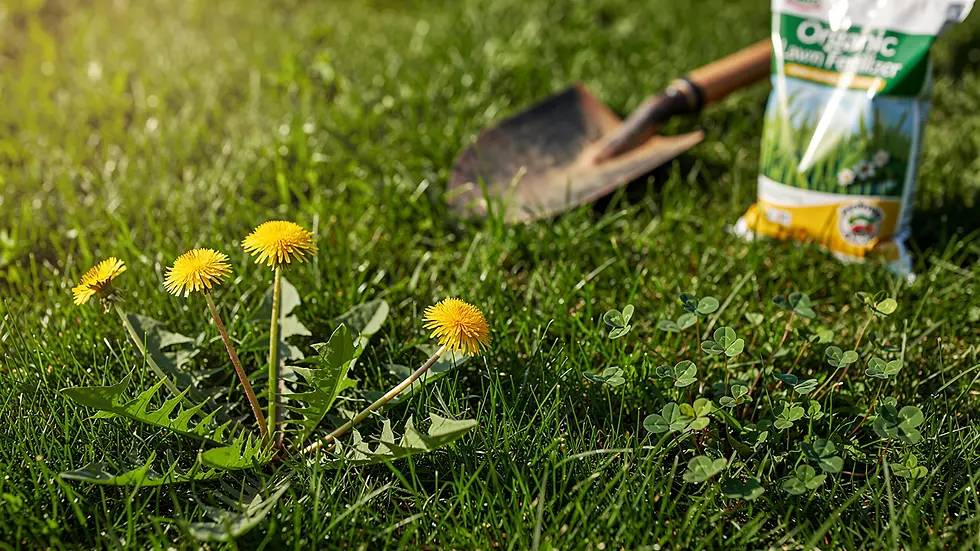
In southern Minnesota, homeowners often find themselves battling persistent weeds that threaten the beauty and health of their lawns, highlighting the importance of bermuda grass weed control. Crabgrass, in particular, can be a significant challenge, thriving under the same conditions as Bermuda grass and often outcompeting it for essential nutrients and water. Dandelions, with their deep taproots, can be tough to remove once they take hold, making early intervention vital. While clover may be appreciated for its soft texture and bee-friendly flowers, it can invade Bermuda grass lawns, which necessitates bermuda grass weed control to maintain an even appearance and reduce competition for resources.
Getting to know these weeds is crucial; early recognition can make all the difference in managing them effectively. By consistently observing your lawn, you can implement management techniques promptly, preventing these plants from becoming established. To achieve the best results, consider a combination of nurturing your turf with proper irrigation and fertilization, alongside targeted pest control strategies. This proactive approach not only enhances the appearance of your lawn but also supports the overall health of your turf, ensuring it remains vibrant and lush.

Choose Effective Weed Control Methods: Pre-Emergent vs. Post-Emergent
When it comes to nurturing a beautiful lawn in southern Minnesota, the choice between pre-emergent and post-emergent herbicides can feel overwhelming for homeowners. Pre-emergent herbicides are applied before seedlings sprout, creating a protective barrier that effectively hinders the growth of annual plants like crabgrass. For the best results, these should be applied in early spring, specifically when soil temperatures reach around 55°F. This timing is crucial for stopping germination, and experts agree that applying pre-emergent herbicides at the right temperature can significantly reduce weed competition, allowing your turf to flourish.
It's important to remember that for grass seeds to thrive, they need to make good contact with the soil, which can be a challenge in our compacted clay conditions. Many homeowners struggle with hard, compacted clay soils that make it difficult for grass seeds to take root. Without sufficient soil contact, seeds may remain on the surface and not develop, leading to frustration as homeowners watch their efforts to cultivate a lush lawn fall short. That’s why taking the time to aerate your yard and choosing the right seeds can make all the difference in creating a lush, green space.
On the other hand, post-emergent herbicides are used to target and eliminate existing plants that have already appeared. These treatments can be applied as needed during the growing season, making them essential for managing visible plant infestations. Homeowners should keep in mind that the effectiveness of post-emergent herbicides decreases if applied too late in the season, especially after mid-July, when unwanted plants have had ample time to establish. Experts agree that applying these treatments at the right time is key to keeping your lawn healthy and weed-free.
It’s vital to read product labels carefully and follow application guidelines for bermuda grass weed control to avoid any potential damage to your Bermuda grass. Common pitfalls include applying herbicides too late or using the wrong type for your specific grass conditions. By understanding these options and making informed choices, homeowners can cultivate a lawn that not only looks great but thrives throughout the growing season. Furthermore, Spring Touch provides organic-based fertilizer with crabgrass preventer, which not only replenishes nutrients but also aids in preventing crabgrass, offering a safer option for effective plant management.

Implement Cultural Practices for a Healthier Lawn
Maintaining a lush, healthy Bermuda lawn can feel overwhelming, especially when effective Bermuda grass weed control is needed to prevent weeds from encroaching on your space. It’s important to focus on the right mowing, watering, and fertilization techniques to keep your lawn thriving.
By cutting your grass to a height of 3 to 3.5 inches, you can help it retain moisture and grow thicker, which naturally keeps those pesky weeds at bay.
Watering deeply but less frequently-once a week in spring and fall, and twice a week in summer-helps your grass develop strong roots, which is crucial for Bermuda grass weed control.
Using an organic-based fertilizer during the growing season can give your grass the nutrients it needs to thrive and support Bermuda grass weed control naturally.
Aerating your lawn regularly can improve soil health and nutrient absorption, helping your garden flourish.
Keeping your mower blades sharp ensures clean cuts, which is vital for the health of your grass.
These practices not only help create a vibrant yard but also reduce the need for chemical pest control, aligning with sustainable yard care principles. Be mindful of common mistakes like cutting your grass too short or overwatering, as these can stress your turf and invite unwanted plants. By embracing these practices, you can not only nurture a vibrant lawn but also enjoy the peace of mind that comes with sustainable yard care.

Timing Your Weed Control Applications for Maximum Effectiveness
Managing unwanted plants in Bermuda grass is crucial for effective bermuda grass weed control, and it can feel overwhelming, especially when timing is everything. Homeowners should apply pre-emergent herbicides in early spring, ideally when soil temperatures reach 55°F, to prevent annual plants from sprouting. This timing aligns with the fact that soil temperatures typically hit this mark when air temperatures stay between 65-70°F for four consecutive days. When unwanted plants are actively growing, usually in late spring and early summer, post-emergent herbicides should be used for effective bermuda grass weed control against visible weeds.
Keeping an eye on the weather can make a big difference; applying herbicides just before it rains can really boost their effectiveness, since moisture helps activate the chemicals. Additionally, autumn presents a wonderful opportunity to target persistent plants, which are more susceptible to treatment as they gather energy for winter. By coordinating pest management activities with the growth phases of both local turf and unwanted plants, homeowners can enhance bermuda grass weed control and cultivate a healthier, more vibrant yard.
Case studies have shown that a well-timed application of pre-emergent herbicides can significantly reduce weed populations. Experts emphasize the importance of acting before weeds exceed 4 inches in height for optimal control. With the right timing and methods, you can create a beautiful lawn that thrives and brings you joy.

Conclusion
Many homeowners find it challenging to keep their lawns healthy amidst persistent weeds. Understanding the unique challenges of Bermuda grass and local weeds can empower you to take effective action for a thriving lawn. The right combination of cultural practices, timely applications of herbicides, and proactive weed management can significantly enhance your lawn's health and appearance.
Recognizing common weeds, such as crabgrass and dandelions, is crucial. Choosing the appropriate weed control methods - whether pre-emergent or post-emergent - can make a real difference. Additionally, implementing cultural practices like proper mowing, watering, and fertilization helps create a robust lawn that naturally resists weed encroachment. Timing is also key; applying treatments at the right moment maximizes their effectiveness and minimizes competition from unwanted plants.
By committing to informed lawn care practices, you can create a thriving outdoor space that not only enhances your property but also brings you joy. The effort you invest in understanding and managing Bermuda grass will yield a lawn that stands resilient against weeds and other challenges.
Frequently Asked Questions
What is Bermuda grass and where does it thrive best?
Bermuda grass, scientifically known as Cynodon dactylon, is a warm-season grass that flourishes in sunny environments, particularly in well-drained soils with full sun exposure.
What challenges do homeowners in southern Minnesota face with Bermuda grass?
Homeowners in southern Minnesota struggle with maintaining Bermuda grass due to the region's tough climate for warm-season plants, which can lead to competition with other grasses and weed issues.
When does Bermuda grass show its most vigorous growth?
Bermuda grass exhibits vigorous growth during the warmer months, particularly peaking in late spring and summer.
How does Bermuda grass respond to colder temperatures?
In colder temperatures, Bermuda grass can enter dormancy, which affects its competition with weeds during the fall and winter months.
What care practices are recommended for maintaining Bermuda grass?
Recommended practices include applying organic-based fertilizer with bio-solids and crabgrass preventer in spring, performing core aeration, conducting regular soil testing, and maintaining proper watering practices.
How often should soil testing be conducted for Bermuda grass?
Soil testing should be conducted every three to four years to ensure optimal pH levels between 5.8 and 7.0.
What is the recommended watering practice for Bermuda grass?
It is recommended to provide approximately 1 inch of water weekly, ideally in one to two sessions.
What mowing guideline should be followed for Bermuda grass?
The one-third guideline should be followed, which means never cutting more than one-third of the blade height at a time to preserve turf health.
What common weeds affect Bermuda grass in southern Minnesota?
Common weeds include crabgrass, dandelions, and clover, all of which can compete with Bermuda grass for nutrients and water.
Why is early intervention important in managing weeds affecting Bermuda grass?
Early intervention is crucial because it helps prevent weeds from becoming established, making them easier to manage and reducing competition for resources.
List of Sources
Understand Bermuda Grass Characteristics and Growth Patterns
Heavy rains and climate change challenge Minnesota agriculture, farmers of color (https://mprnews.org/story/2024/06/20/heavy-rains-and-climate-change-troubling-for-agriculture-industry-emerging-bipoc-farmers)
Farming in Minnesota: Climate will change what we grow and how we grow it (https://startribune.com/farming-in-minnesota-climate-will-change-what-we-grow-and-how-we-grow-it/511429652)
Secrets to Fast-Track Bermudagrass Growth on Golf Greens (https://biminibermuda.com/blogs/bimini®-bermudagrass-blog/5-secrets-to-fast-track-bermudagrass-growth-on-golf-greens)
All You Need to Know About Bermudagrass (https://pennington.com/all-products/grass-seed/resources/all-you-need-to-know-about-bermudagrass)
What Is Bermudagrass? When to Plant, Pros, Cons, & More (https://jonathangreen.com/resources/everything-you-need-to-know-about-bermudagrass)
Identify Common Weeds Affecting Bermuda Grass
10 Worst Lawn/Garden Weeds in Minnesota and How to Get Rid of Them (https://minnesotanow.net/kill-common-weeds-minnesota)
Dandelions (https://extension.umn.edu/weeds/dandelions)
Grassy Weeds in Bloomington Lawns (https://fertilawnmn.com/grassy-weeds-in-mn)
Dandelion Weed Control in Minnesota | Storm (https://stormlawnandsnow.com/lawn-treatments/weed-control/dandelion-weed-control)
Choose Effective Weed Control Methods: Pre-Emergent vs. Post-Emergent
Pre-Emergent vs. Post-Emergent: How to Time Your Weed Control (https://shadesofgreenlawncare.com/blog/pre-emergent-vs-post-emergent-how-to-time-weed-control)
Differences in Pre-Emergent, Post-Emergent, & Weed & Feed Herbicide | Herbicides (https://info.supersod.com/problem-management/pre-emergent-post-emergent-and-weed-feed-whats-the-difference)
Compare Herbicides for Crabgrass: Pre-Emergent vs. Post-Emergent (https://springtouchlawn.com/post/compare-herbicides-for-crabgrass-pre-emergent-vs-post-emergent)
Pre Emergent vs Post Emergent Weed Killer (https://blog.greenmeadowlawncare.com/pre-emergent-vs-post-emergent-weed-killer)
Implement Cultural Practices for a Healthier Lawn
Turfgrass and Lawn Care Cultural Practices - Penn State Extension (https://extension.psu.edu/trees-lawns-and-landscaping/turfgrass-and-lawn-care/cultural-practices)
Top Tips for Maintaining a Lush Bermudagrass Lawn (https://barusa.com/homeowner/challenges-solutions/top-tips-maintaining-lush-bermudagrass-lawn)
Cultural Practices Allow Homeowners to Improve Their Lawns | Superior Lawn Care (https://superiorlawncareusa.com/cultural-practices-allow-homeowners-to-improve-their-lawns)
Cultural Maintenance Practices (https://lsuagcenter.com/topics/lawn_garden/commercial_horticulture/turfgrass/management-practices/cultural-maintenance-practices)
Lawn Care and Cultural Practices (https://lurveys.com/know-and-grow/lawn-care-and-cultural-practices)
Timing Your Weed Control Applications for Maximum Effectiveness
Best Weed and Feed for Bermuda Grass (2026 Guide) (https://whatgrassisthis.com/blog/best-weed-feed-bermuda-grass-2026-guide)
2.8: Timing of herbicide applications (https://grdc.com.au/resources-and-publications/grownotes/technical-manuals/spray-application-manual/before-you-spray/module-2-product-requirements/2.8-timing-of-herbicide-applications)
Pre-Emergent Herbicide for Bermuda Grass: Timing & Tips (https://ngturf.com/pre-emergent-for-bermuda-grass)
Upgrade Your Early-Season Spray Program | WinField United (https://winfieldunited.com/news-and-insights/4-ways-to-upgrade-your-early-season-spray-program)